


Blue Ceramic Pitcher
A blue ceramic pitcher brings tangible history to a table, combining utilitarian function with enduring craftsmanship from centuries past.
Blue Ceramic Pitcher
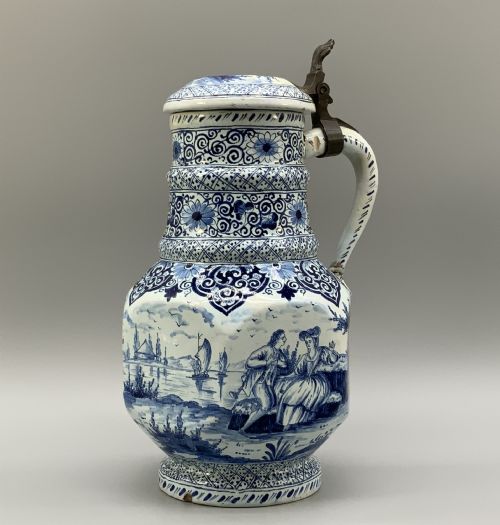
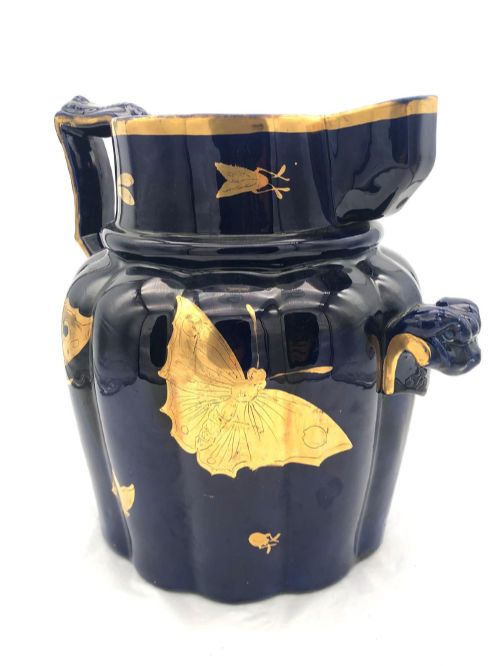
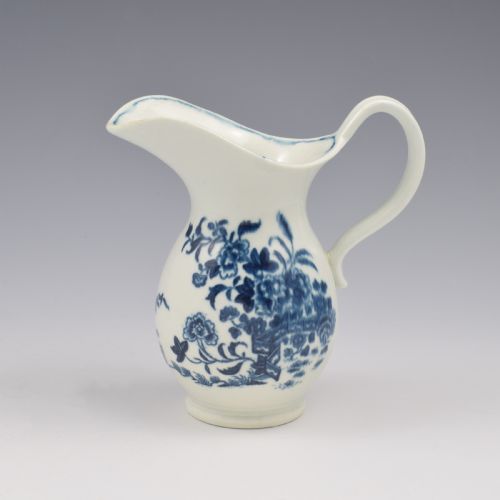
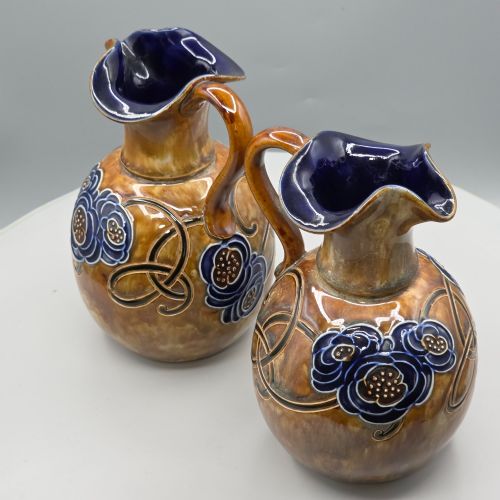
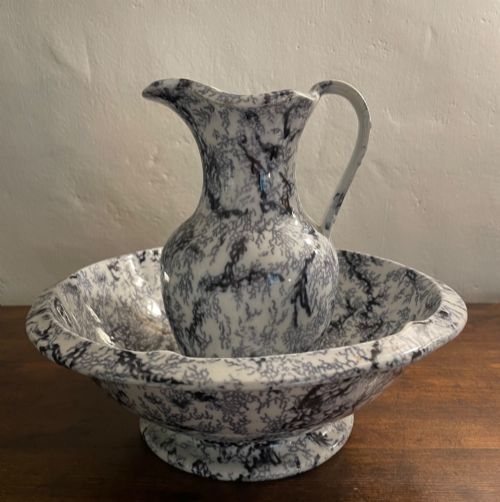
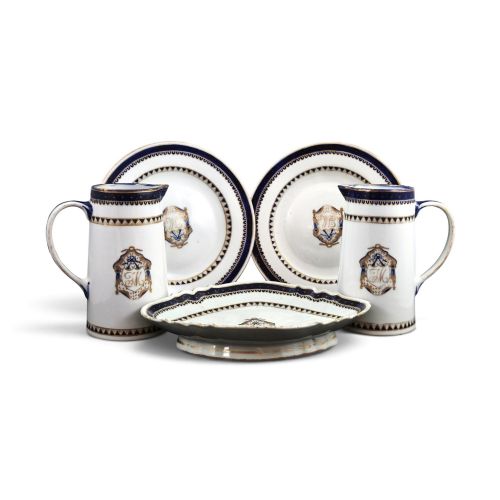
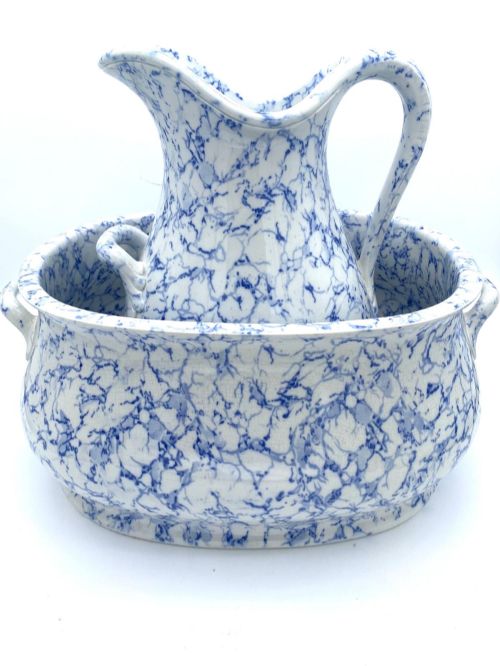
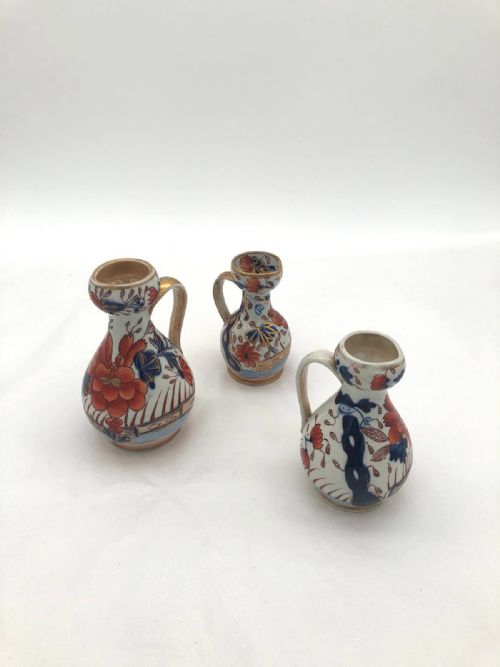
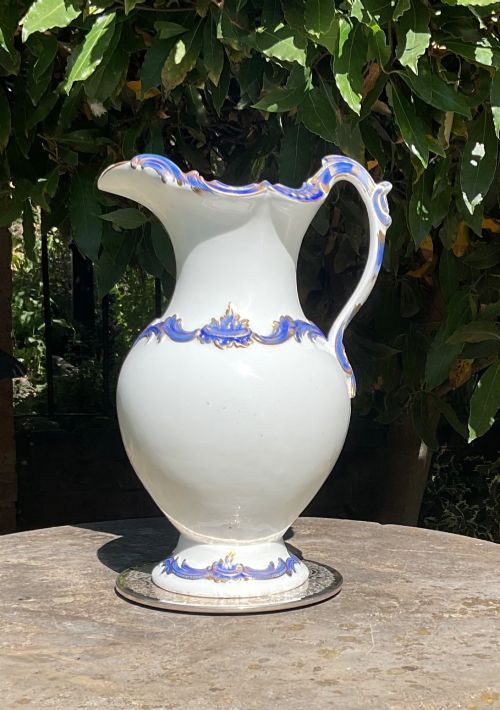
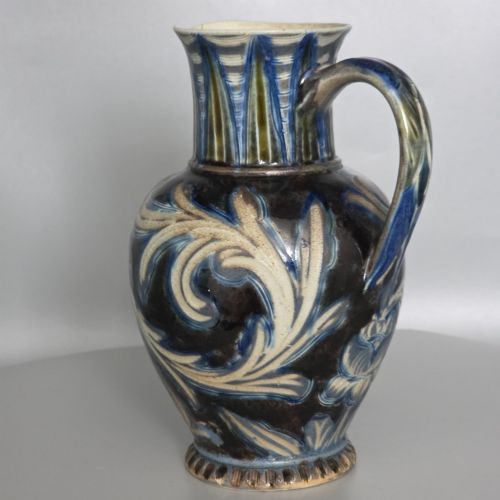
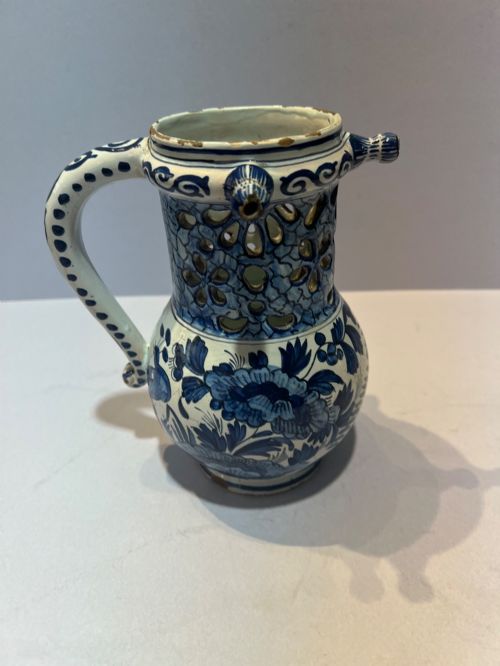
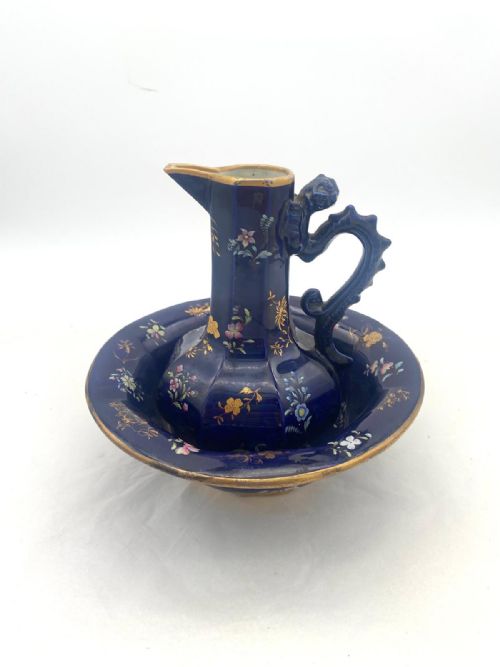
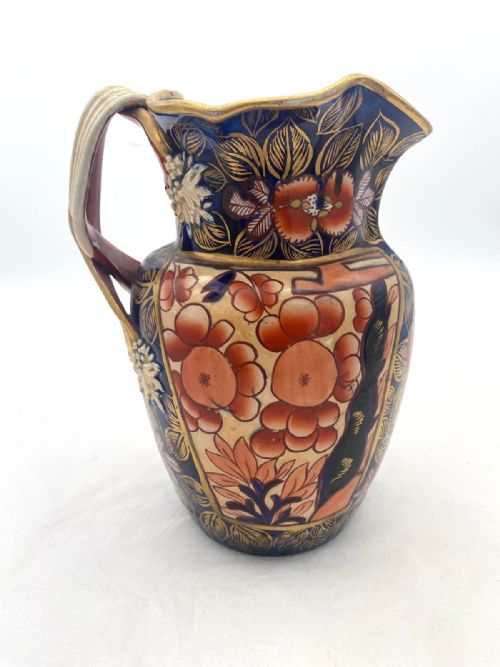
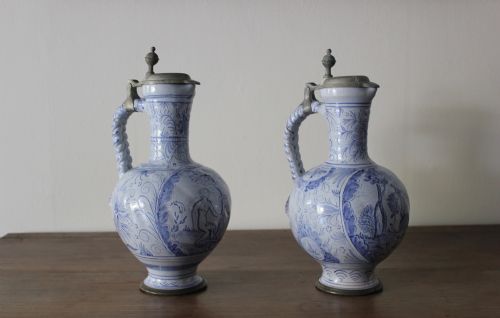
A blue ceramic pitcher encompasses a diverse range of historic vessels, from robust earthenware and ironstone to delicate porcelain creations. When exploring this selection, buyers frequently encounter pieces originating from the eighteenth and nineteenth centuries, including Victorian Staffordshire pottery, Dutch Delftware, and Chinese export porcelain.
The forms vary considerably across different periods and traditions, taking shape as robust table jugs, decorative ewers, washstand sets, and characterful toby jugs. Many examples display rich cobalt blue decoration, ranging from hand-painted floral motifs and architectural scenes to transfer-printed patterns like Gaudy Welsh.
Originating from British potteries, continental European kilns, and Asian export markets, these vessels served both practical domestic duties and decorative display purposes. The surviving examples offer a direct tactile link to historic domestic interiors, bridging utilitarian service and aesthetic appeal.
Materials and production techniques
Potters utilised durable materials such as ironstone, earthenware, and stoneware, frequently finishing vessels with glossy lead glazes, salt glazes, or tin enamel. Cobalt blue pigment served as the primary colourant for hand-painted details and transfer-printed designs applied beneath or over the glaze.
Moulding and throwing formed the primary methods of construction, shaping liquid clay or plastic bodies into robust utilitarian forms and refined decorative pitchers. Subsequent kiln firings fixed the vitreous coatings and ceramic bodies together, creating impervious surfaces suitable for holding liquids.
Cobalt blue pigment unites these diverse objects, appearing across Dutch Delftware, Chinese export porcelain, and nineteenth-century British ironstone.
Assessing quality and craftsmanship
The refinement of the ceramic body and the precision of the glaze application distinguish superior examples from standard production pieces. Finer vessels display crisp moulding, carefully controlled cobalt blue hues, and well-balanced handles that integrate seamlessly with the main body.
Artistic execution plays a defining role, separating mechanically uniform wares from hand-painted masterpieces executed by skilled decorators. The clarity of transfer printing, depth of glaze lustre, and intricacy of hand-applied details reflect the original maker's ambition and skill.
Royal Doulton·Doulton Lambeth·Mason's Ironstone·Simon Peter Gerz
The Blue Ceramic Pitcher Glossary
- Ironstone
- A durable type of earthenware patented in the nineteenth century to imitate Chinese porcelain. It offers high resistance to chipping and provided a stable white surface for transfer-printed decoration.
- Delftware
- Tin-glazed earthenware produced in the Netherlands and England, typically decorated with blue pigments on a white background. This technique was heavily influenced by imported Chinese porcelain.
- Toby jug
- A pottery jug shaped as a full-length seated figure, usually depicted as a robust eighteenth-century gentleman holding a mug and a pipe. They frequently appear in colourful lead glazes.
- Transfer printing
- A decoration technique where an engraved metal plate transfers a design onto tissue paper, which is then pressed onto the ceramic surface before glazing. This allowed complex pictorial scenes to be reproduced efficiently.
- Ewer
- A large pitcher with a flared spout and a sweeping handle, traditionally designed for pouring water rather than serving beverages at table. They frequently formed part of matching washstand sets.
Blue Ceramic Pitcher: Frequently Asked Questions
How were historic pitchers used daily?
These vessels served practical domestic roles, carrying water for washing, holding milk or beer at the dining table, and containing liquids for daily household tasks. Larger examples often formed part of washstand sets alongside matching basins.
Over time, many utilitarian jugs transitioned into decorative cabinet pieces, displayed on dressers and sideboards to showcase their cobalt blue patterns and varied ceramic forms.
How do I distinguish eighteenth-century porcelain from nineteenth-century ironstone?
Eighteenth-century porcelain generally exhibits greater translucency when held to the light and possesses a finer, more delicate body structure. Ironstone, developed later, is noticeably heavier, highly opaque, and engineered for robust daily durability.
Examining the foot rim and the unglazed base often reveals differences in the clay body and kiln preparation methods characteristic of each distinct period.
Can antique ceramic pitchers still hold liquids safely?
While many historic jugs remain structurally sound, centuries of age can create microscopic fissures in the glaze or body. Using them for display is generally recommended to preserve their historic integrity and prevent staining.
Temperature shocks from hot liquids can also stress old ceramics and historic glazes, making gentle hand washing the safest method for maintenance.
What is flow blue pottery?
Flow blue refers to a nineteenth-century printing technique where cobalt blue pigment deliberately blurred during the kiln firing process. This created a soft, hazy aesthetic that resembles watercolour paintings on ceramics.
Originating in Staffordshire potteries, this style became widely popular across British and export markets, appearing frequently on dinner services and large jugs.