

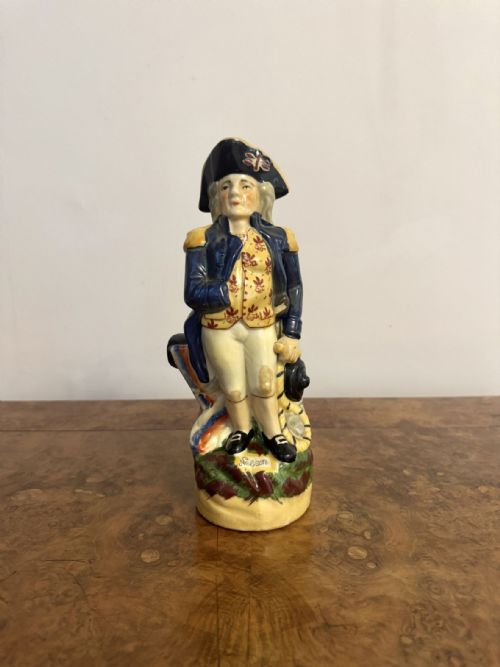
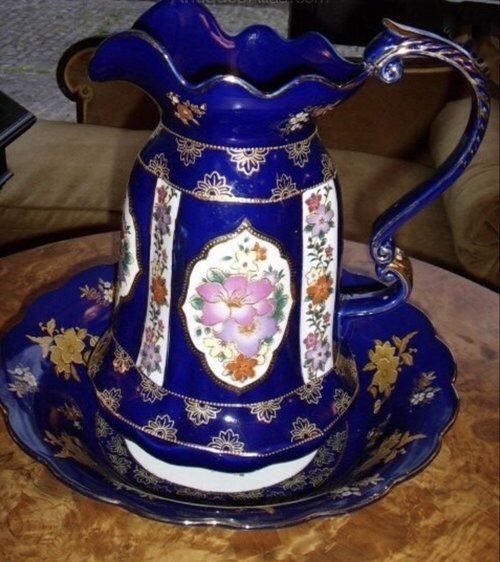


Vintage Glazed Ceramic Jug
These vintage glazed ceramic jugs range from robust stoneware flagons to lustrous earthenware pieces intended for display and daily use.
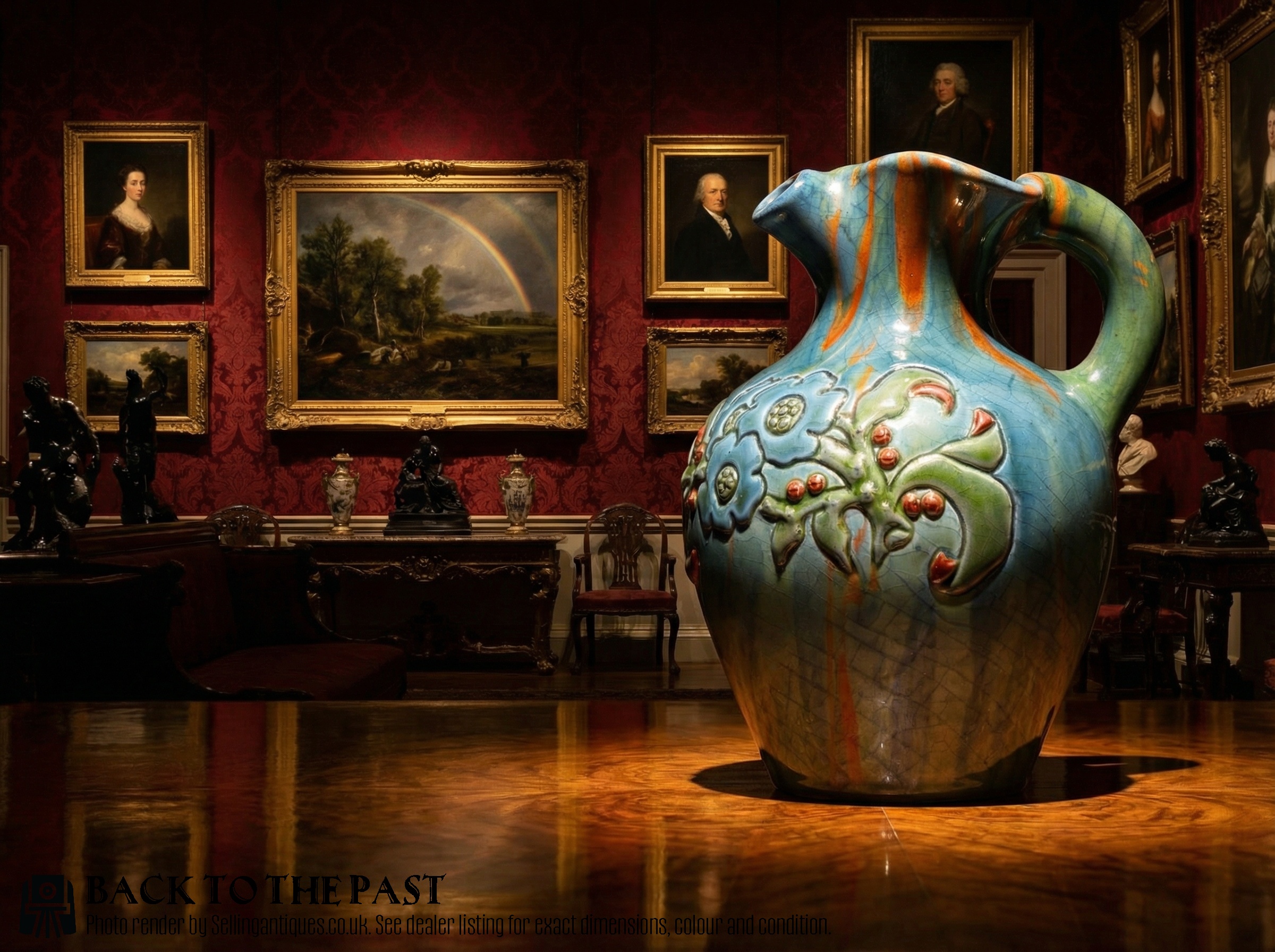
Vintage Glazed Ceramic Jug
A vintage glazed ceramic jug encompasses a wide variety of utilitarian and decorative vessels found across the eighteenth, nineteenth, and early twentieth centuries. Buyers searching this phrase will encounter domestic water pitchers, tavern flagons, character toby jugs, and pharmacy jars originating from British, French, German, and Italian potteries.
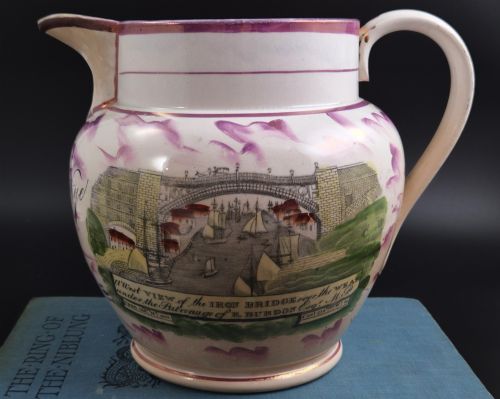
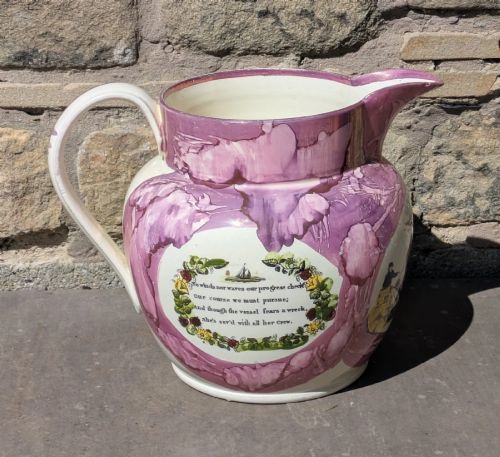
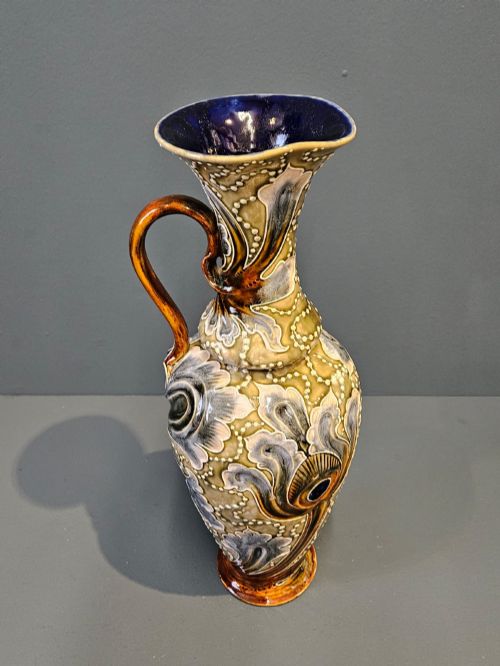
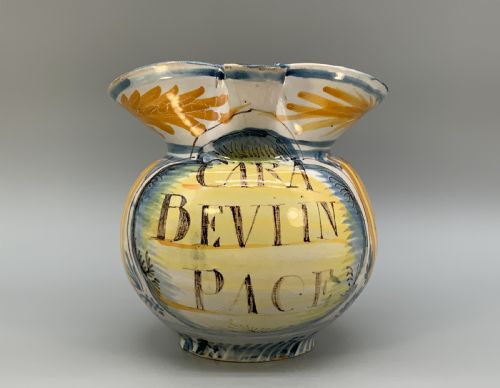
The nineteenth-century examples dominate the selection, featuring salt-glazed stoneware from Doulton Lambeth alongside pink lustre earthenware from Sunderland and polychrome tin-glazed pieces. These vessels span functional kitchenware, commemorative pieces for royalty and historical figures, and decorative items adorned with maritime themes or sporting motifs.
How They Were Made
Potters shaped these vessels using earthenware and dense stoneware bodies, frequently applying salt glazes, tin glazes, or lustrous metallic finishes during firing to achieve impermeable surfaces. Decoration often involved relief moulding, slipware trailing, or hand-painted polychrome designs in manganese, yellow, and cobalt blue pigments.
Many stoneware and earthenware pieces incorporate functional additions such as applied loop handles, pewter or silver rims, and incised details. Specialised techniques like pink splash lustre required careful control of metallic oxides inside the kiln to create the characteristic iridescent sheen.
Materials span earthenware, salt-glazed stoneware, and porcelain, frequently accented with gold leaf, gilt, and polychrome glazes.
What Varies in Quality
The distinction between standard domestic vessels and exhibition pieces lies in the complexity of decoration, such as multi-coloured polychrome palettes or historical commemorative themes. Well-preserved original rims in silver or pewter also elevate the standing of nineteenth-century harvest jugs and flagons.
Doulton Lambeth·Shelley·Staffordshire Pottery
The Vintage Glazed Ceramic Jug Glossary
- Lustreware
- Earthenware coated with a metallic glaze that produces an iridescent or reflective surface. Sunderland pink splash examples utilise this technique.
- Toby Jug
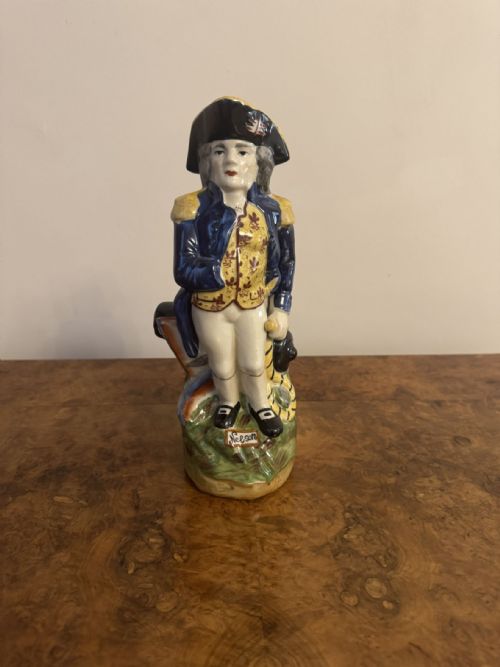
- A pottery jug modelled in the shape of a seated person, frequently depicting historical figures, sailors, or caricatures. These often date from the eighteenth and nineteenth centuries.
- Slipware
- Pottery decorated with slip, which is a liquid mixture of clay and water applied before firing. It creates contrasting linear patterns or raised surface designs.
- Majolica
- A type of earthenware covered with an opaque tin glaze and painted with brightly coloured metallic oxides. It gained popularity during the Victorian era for decorative tablewares.
- Salt Glaze
- A finish created by throwing common salt into the kiln during high-temperature firing. This produces a characteristic textured surface resembling orange peel.
Vintage Glazed Ceramic Jug: Frequently Asked Questions
What were vintage glazed ceramic jugs used for?
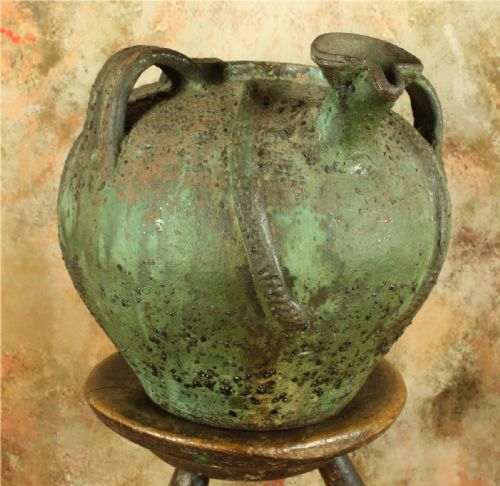
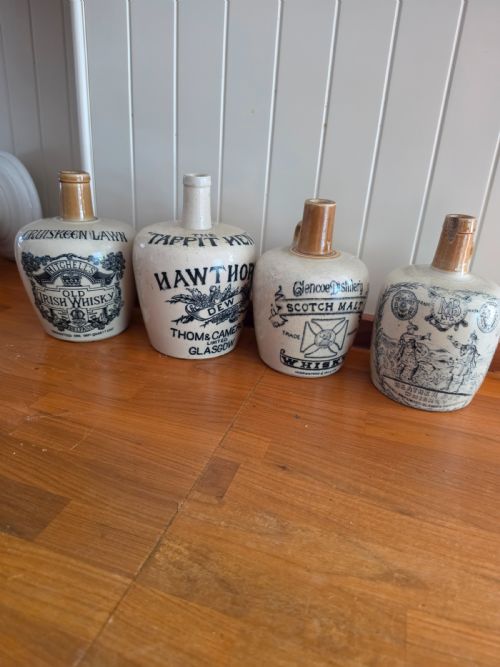
These vessels served diverse domestic and commercial functions, ranging from storing wine, oil, and whisky to holding water and serving beer in taverns. Many larger pieces acted as advertising flasks or pharmacy containers.
Other examples, such as character toby jugs and commemorative pieces, served primarily as decorative display items in homes or public houses to mark historical events and public figures.
How can I tell the age of a ceramic jug?
Dating relies on stylistic clues, manufacturing methods, and material types characteristic of specific periods like the eighteenth or nineteenth century. Salt-glazed stoneware and relief-moulded designs often point to the Victorian era, while tin-glazed earthenware frequently indicates earlier production.
Commemorative inscriptions, named historical figures such as Lord Nelson or Queen Victoria, and specific pottery marks provide further chronological markers for individual pieces.
Are these jugs safe to use for serving drinks?
Most antique glazed ceramic vessels are collected primarily for display, study, or interior decoration rather than daily culinary use. Stoneware and certain glazed earthenware items are chemically stable, but older glazes may require caution.
Buyers intending to use vintage jugs for liquids should consider the interior condition, the presence of metal rims, and the age of the ceramic glaze.
What is the difference between earthenware and stoneware?
Earthenware is fired at lower temperatures and remains porous unless coated with an impermeable glaze like tin or lustre. It forms the body for many decorative jugs and colourful tablewares.
Stoneware is fired at much higher temperatures until the clay vitrifies completely, resulting in a dense, heavy material that holds liquids naturally without relying entirely on surface glaze.