

Antique Studio Pottery
Antique studio pottery encompasses hand-thrown vessels and sculptural figures from the late nineteenth and early twentieth centuries, prized for individual artistic expression.
Antique Studio Pottery
When you search for antique studio pottery, you encounter a diverse range of individual ceramic works produced by named makers and independent workshops across Europe and Japan. The selection spans the late nineteenth century through the 1930s, encompassing distinct regional movements including English Arts and Crafts, French art pottery, and Japanese Sumida Gawa wares.
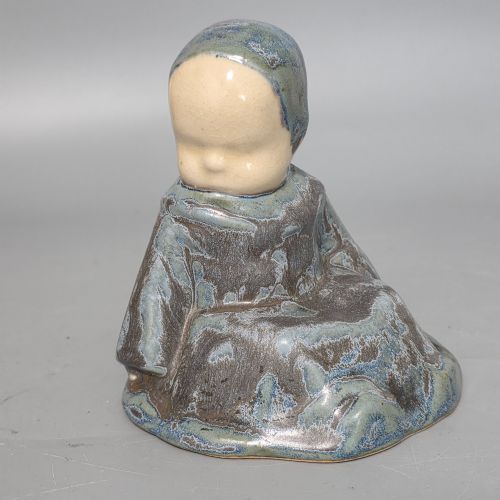
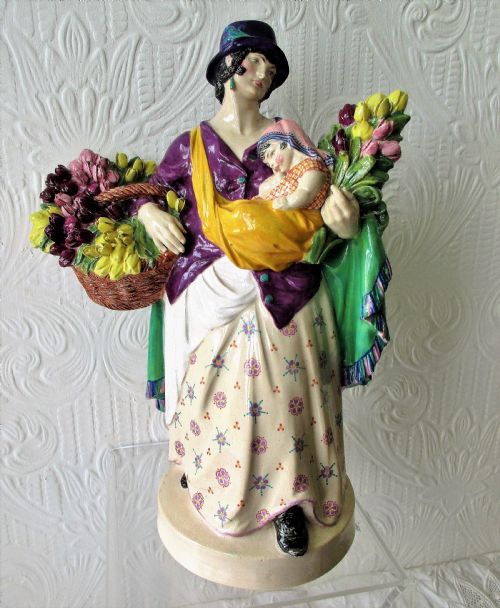
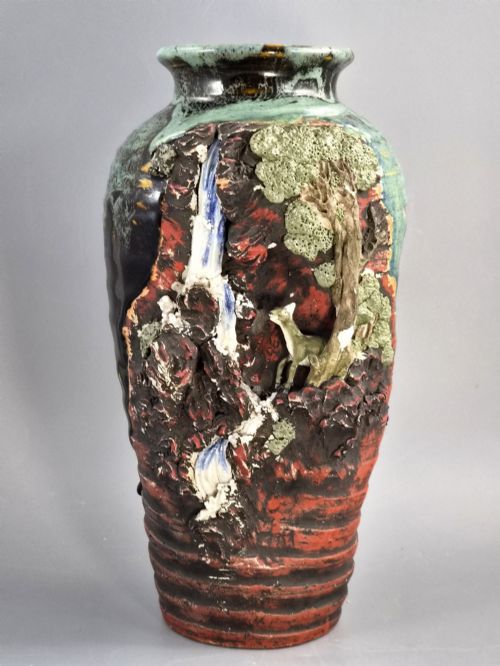
Vases, decorative bowls, pitchers, and character figurines dominate the forms available. Pieces range from the distinctive crystalline glazes of English kilns to the heavy applied relief figures of Japanese earthenware vessels.
Makers working within this field sought to break away from industrial mass production, resulting in highly individual objects where the hand of the maker remains evident in the finished ceramic body.
How they were made
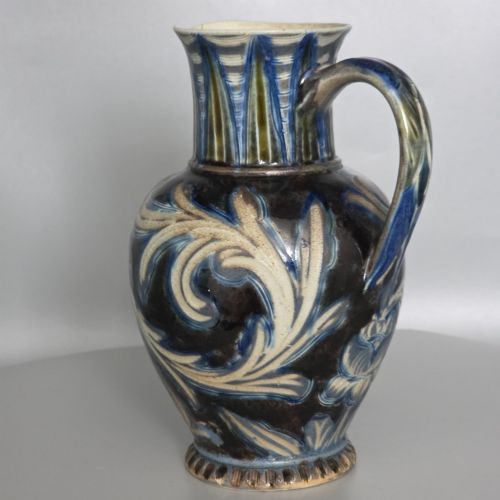
Makers utilised fundamental ceramic materials including earthenware, stoneware, and terracotta, shaping them by hand on the potter's wheel or building them as sculptural forms. The physical body of the work often displays evidence of throwing lines or tool marks left by the potter during formation.
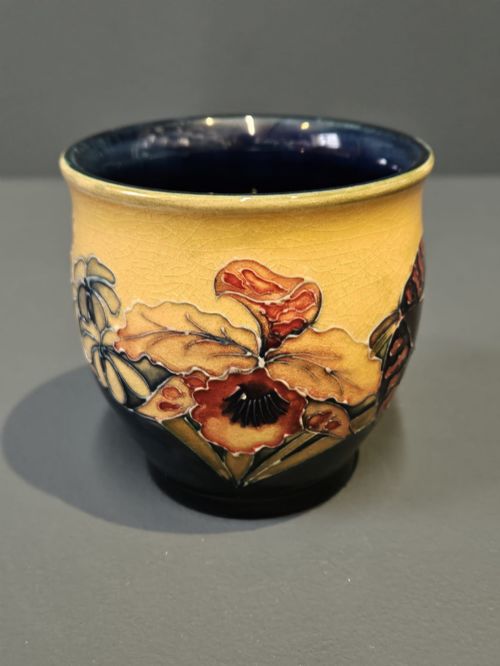
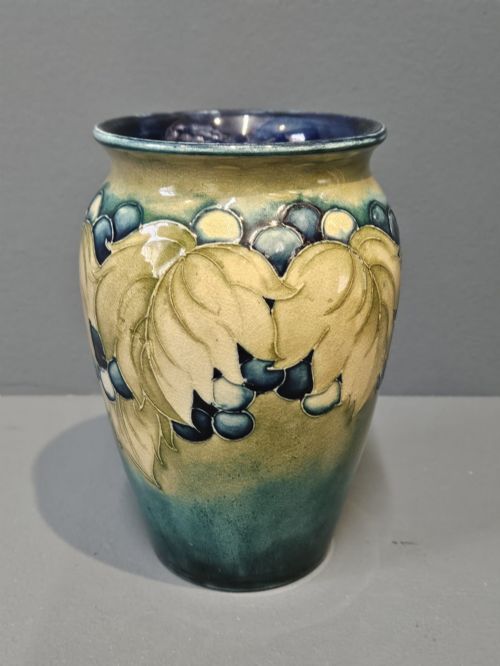
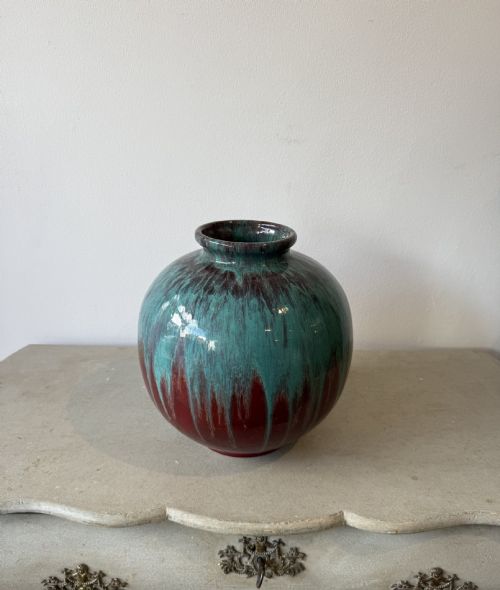
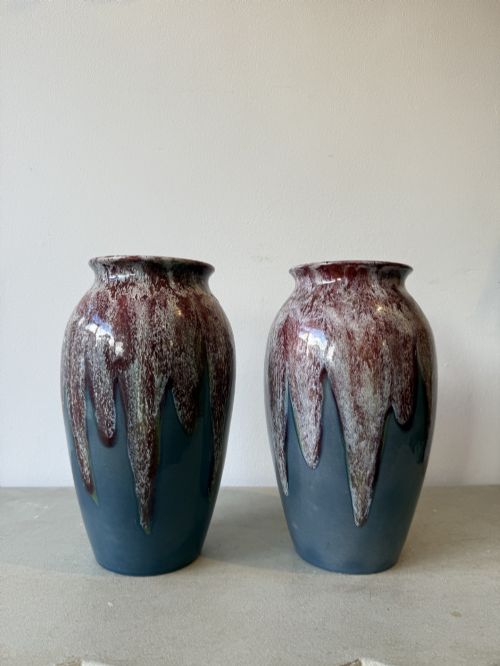
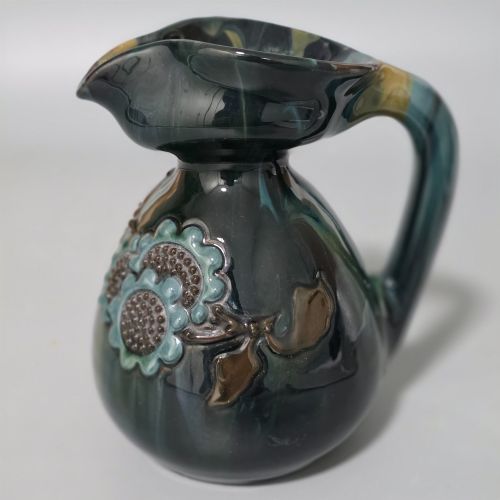
Glaze application defined the visual outcome, ranging from crackled or drip effects to specialised flambé, lustre, and crystalline finishes. Some workshops incorporated gold leaf or enamel details over the fired glaze to accent the surface textures and sculptural elements.
Materials represented across the inventory include earthenware, stoneware, terracotta, and specialised flambé and crystalline glazes.
What varies in quality
The distinction between standard output and the finest examples rests on the confidence of the form and the intentionality behind the surface decoration. Master potters exercised precise control over volatile kiln chemistry, producing complex crystalline or flambé surfaces that lesser kilns could not replicate with clarity.
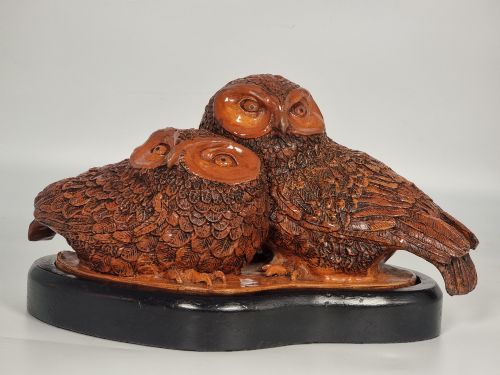
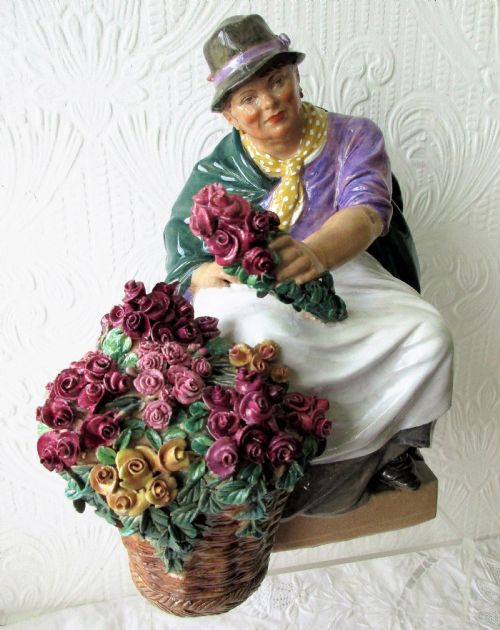
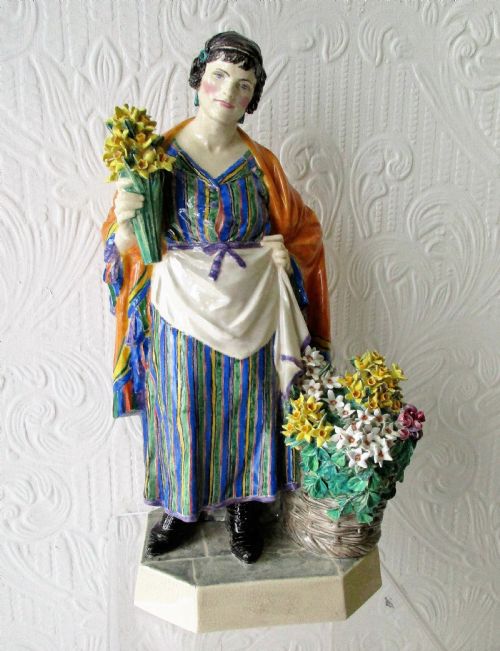
Sculptural pieces rely heavily on the vitality of the modelling. The best figurines and applied relief figures exhibit precise, animated detail, whereas lower quality counterparts often appear stiff or overly formulaic in execution.
Charles Vyse·Berthe Savigny·Sir Edmund Elton·Makuzu Kozan·Kinkozan·Richard Joyce
The Antique Studio Pottery Glossary
- Stoneware
- A dense, vitreous ceramic fired at high temperatures until the body becomes completely non-porous. It is typically heavier and more robust than earthenware.
- Crystalline glaze
- A specialised chemical glaze that develops zinc silicate crystals during the cooling phase of the kiln firing. This creates star-like patterns across the surface of the vessel.
- Flambé glaze
- A rich, streaked glaze achieved through reduction firing that causes metallic oxides to merge in unpredictable patterns. It often displays deep reds, purples, and blues.
- Earthenware
- A porous pottery body fired at lower temperatures than stoneware. It requires a glaze layer to hold liquids and forms the base for many traditional painted wares.
Antique Studio Pottery: Frequently Asked Questions
How do I clean antique studio pottery?
Dust surfaces gently with a soft, dry brush to remove particles. Avoid using water or cleaning solutions, particularly on porous earthenware or pieces with delicate enamel and gold leaf details.
Harsh cleaning agents can strip away historical patination or damage fragile glaze layers. Professional conservation advice should be sought for valuable or structurally compromised pieces.
Are these ceramic pieces waterproof?
Many older studio pieces, especially earthenware and high-fired stoneware, may have micro-fissures or porous bodies that can seep moisture over time. It is safest to use a discreet glass or plastic liner inside vessels if you plan to display fresh flowers.
Testing a piece by filling it directly risks water damage to both the ceramic body and any historic surfaces underneath. Treat decorative bowls and vases primarily as sculptural objects rather than functional tableware.
How can I identify Japanese Sumida Gawa pottery?
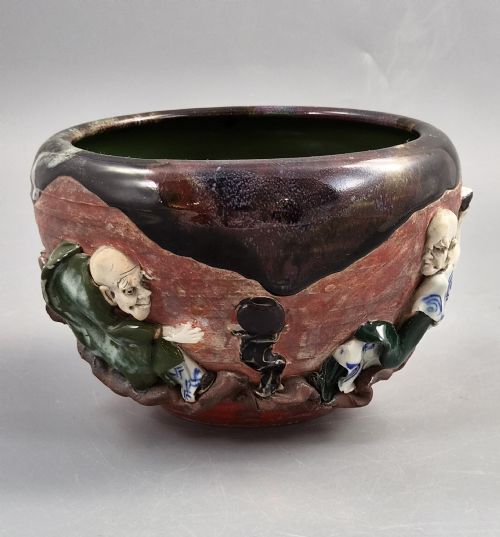
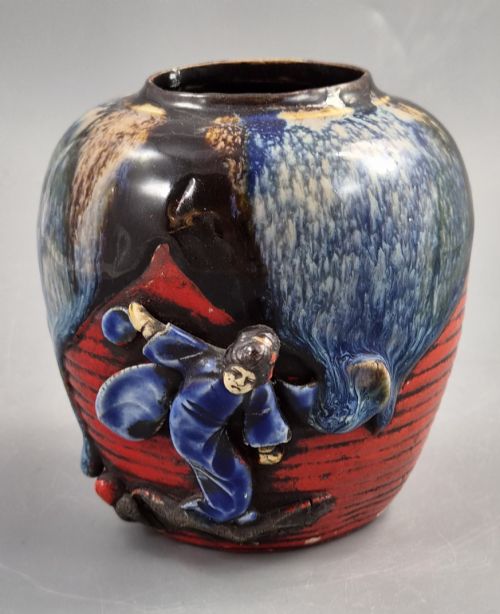
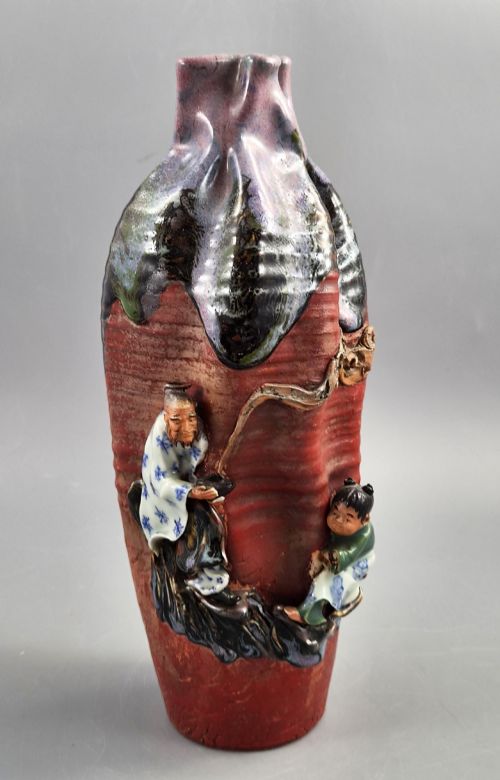
Sumida Gawa wares are instantly recognisable by their heavy, melting glazes and distinctive figures modelled in high relief directly onto the vessel body. They frequently feature scenes with sages, children, or natural landscapes created in Tokyo workshops during the Meiji and Taishō periods.
Many pieces carry painted or impressed signatures of the artists and workshops involved in their creation. The rough, unglazed areas of the clay body often contrast sharply with the glossy flambé drips.
What is the difference between Arts and Crafts and Art Deco pottery?
Arts and Crafts pottery emphasises natural materials, hand-thrown forms, and techniques that celebrate traditional craftsmanship, often drawing inspiration from flora and fauna. These pieces usually display earthy tones and a rustic, honest aesthetic.
Art Deco pottery leans toward geometric abstraction, stylised motifs, and experimental modern glazes that reflect industrial progress. The forms are sharper, cleaner, and often utilise brighter primary colours or metallic lustres.