


Victorian French Figurines
These Victorian French figurines bring 19th-century bronze casting and porcelain modelling into the home with remarkable detail.
Victorian French Figurines
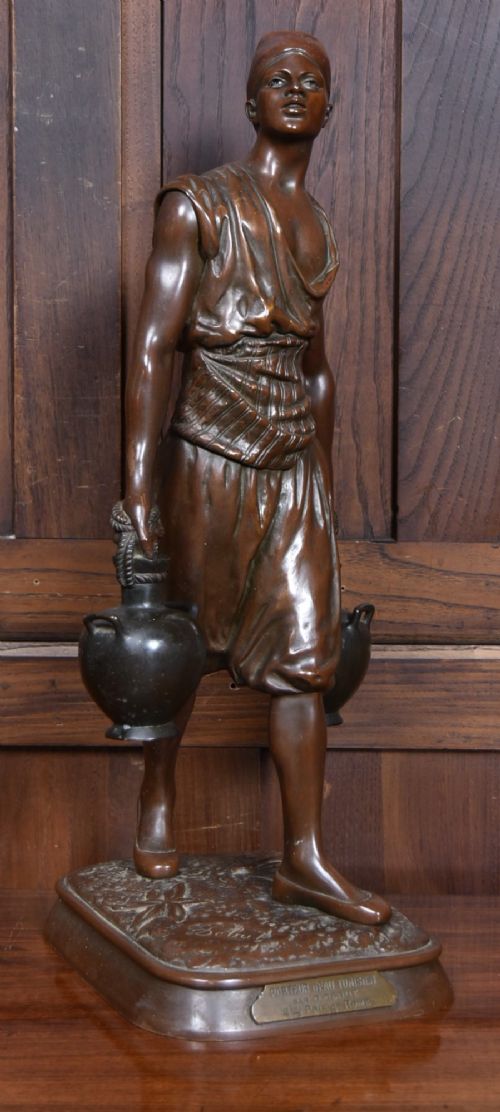
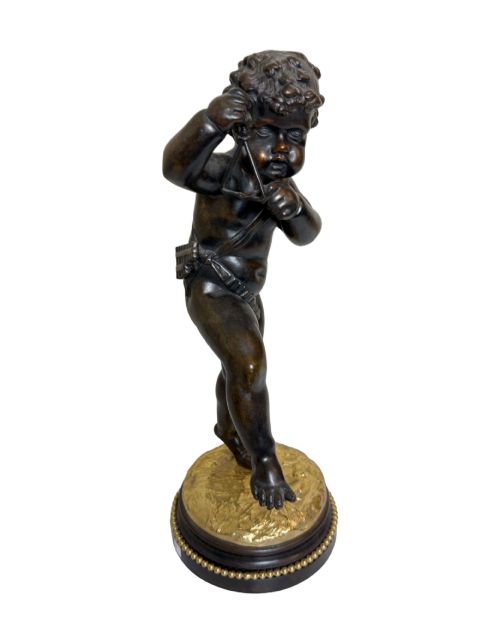
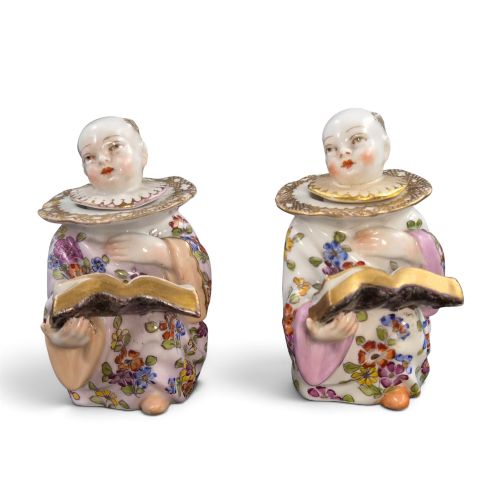
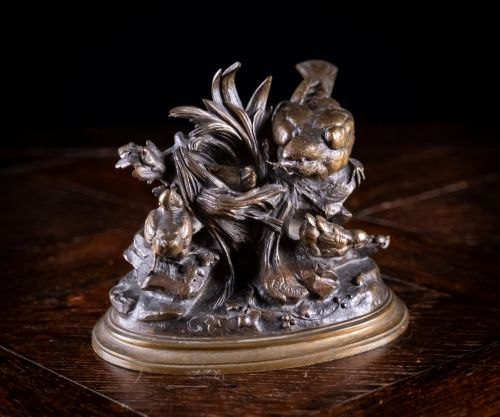
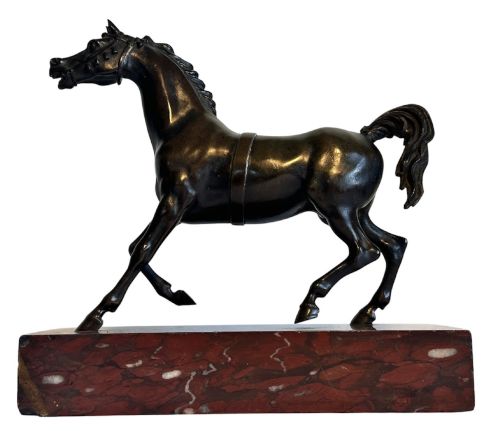
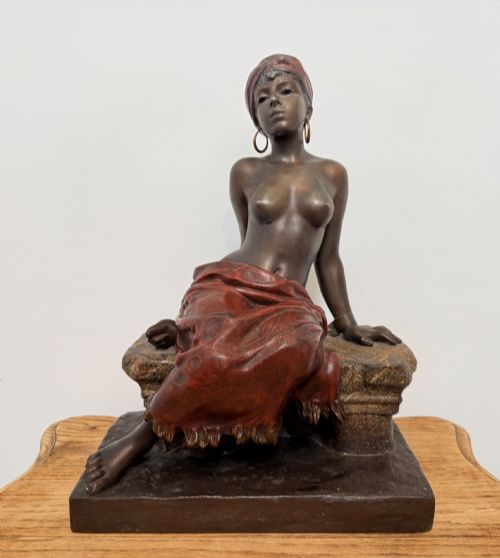
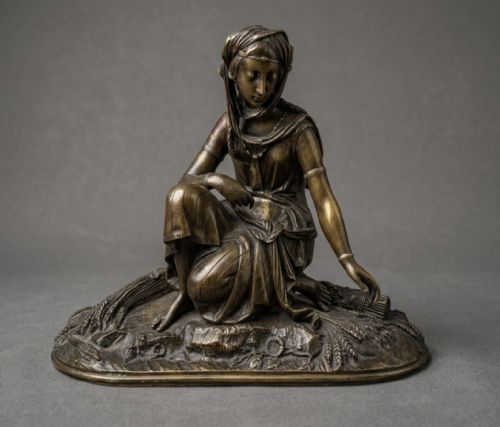
Victorian French figurines encompass a diverse range of 19th-century sculptures, statuettes, and functional inkwells cast in bronze or moulded in porcelain. The selection leans heavily towards animalier subjects, mythological figures, and romantic character studies dating from the mid to late 19th century. Buyers will encounter both patinated and gilt bronze interpretations alongside delicate bisque porcelain and Old Paris porcelain figures.
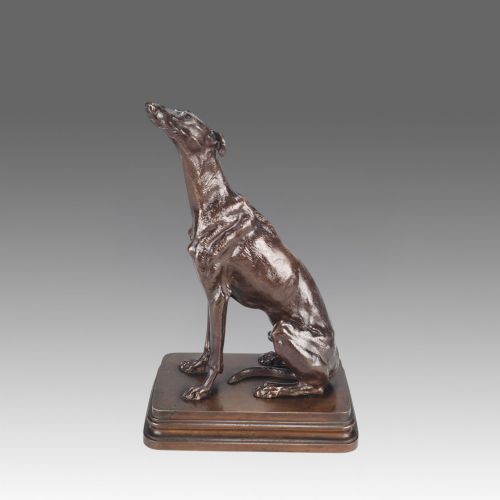
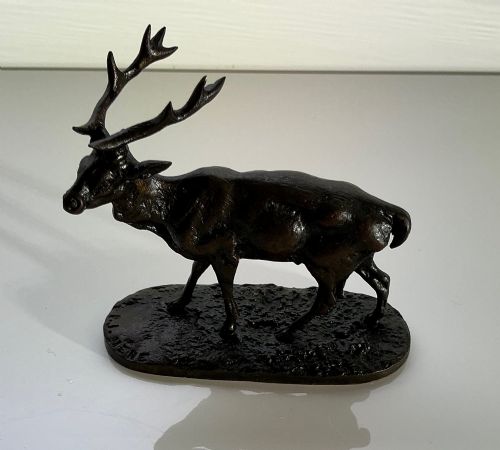
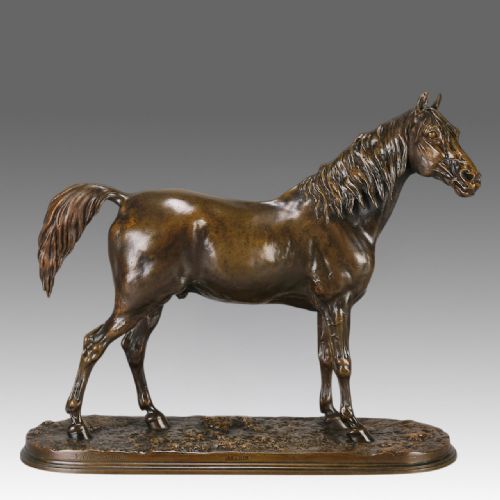
The sculptural subjects span from spirited hunting dogs and charging bulls to allegorical cherubs, putti, and Orientalist studies. Animalier bronzes capture the exact anatomy of greyhounds, stags, and setters, while porcelain makers like Samson of Paris replicate earlier Chelsea, Derby, and Chinese styles. These pieces function primarily as decorative ornaments or desk accessories.
Most examples originate from the 1850s to the 1890s, reflecting the widespread popularity of French foundry work and Parisian ceramic production during the Victorian era. Whether cast as a pair of harlequins or modelled as fisher folk, the works demonstrate the era's fascination with narrative and naturalism. They sit comfortably on mantels, desks, and side tables as sculptural focal points.
Materials and Methods
Foundries cast these bronzes using the lost-wax technique or sand-casting methods, applying patinated or gilt finishes to highlight surface textures. Sculptors often mounted finished metal figures onto turned marble bases to add weight and visual contrast.
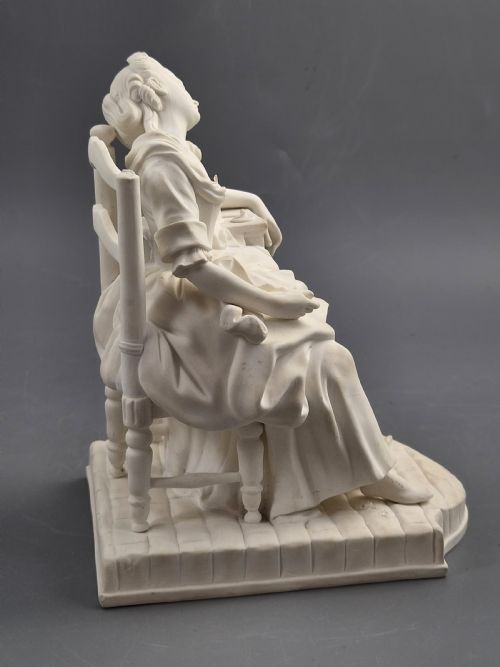
Porcelain works utilise soft-paste or hard-paste ceramic bodies, often decorated with enamel pigments and gold leaf detailing. Biscuit porcelain, left unglazed, provides a matte, marble-like surface favoured for neoclassical and romantic figures.
French sculptors routinely captured dogs mid-chase, turning loyal family pets into dramatic bronze athletes.
Evaluating Quality
The clarity of the chasing work on bronze surfaces distinguishes standard foundry production from superior examples. Sharp details in feathers, fur, and facial expressions indicate careful hand-finishing after the casting process.
Edmé Samson·Alfred Dubucand·PJ Mene·Prosper Lecourtier·Jules Moigniez·Antoine Louis Barye·Isadore Bonheur·Auguste Moreau·Louis François Frémiet
The Victorian French Figurines Glossary
- Animalier
- A 19th-century art movement and style focusing on the realistic portrayal of animals, particularly in bronze. Sculptors studied living specimens in menageries to achieve anatomical accuracy.
- Bisque Porcelain
- Unglazed ceramic material fired once to produce a porous, matte white surface resembling marble. It was widely used for neoclassical and romantic figures.
- Patinated Bronze
- Metal treated with chemical solutions to produce a specific surface colour, usually brown, green, or near-black. This finish protects the metal and defines sculptural contours.
- Ormolu
- Finely ground high-carat gold applied to a bronze object using a mercury amalgamation process. The technique produces a rich, durable golden surface.
- Putto
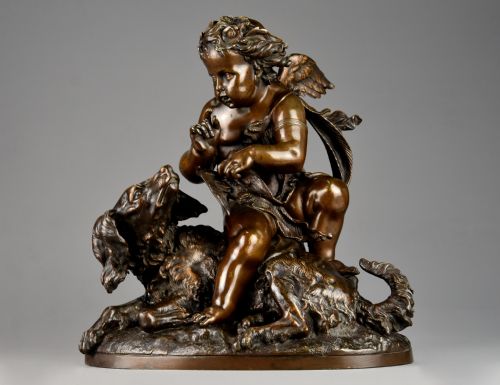
- A plump, naked male child figure, often winged, derived from classical art and frequently depicted in 19th-century French bronzes and porcelain.
Victorian French Figurines: Frequently Asked Questions
What is an animalier bronze?
An animalier bronze is a 19th-century sculpture focusing specifically on the naturalistic behaviour and anatomy of animals. These pieces frequently depict dogs, stags, and horses in dynamic poses.
French sculptors mastered this genre by observing live animals in Parisian menageries and translating their movements into detailed metal casts.
How do I identify Samson porcelain?
Samson porcelain typically mimics earlier historic styles, such as 18th-century Chelsea, Derby, or Chinese export ceramics. Look for the deliberate adoption of these antique aesthetic traditions rather than strict modern innovation.
Parisian workshops produced these figures during the 19th century as high-quality interpretations for collectors of earlier ceramic designs.
Where should I place a bronze figurine?
Bronze figurines suit stable surfaces away from direct moisture, such as wooden sideboards, desks, or mantelpieces. Their patinated or gilt surfaces interact well with natural ambient light.
Because many Victorian pieces incorporate marble bases, ensure the furniture surface can support the combined weight of the metal and stone.
What does biscuit porcelain mean?
Biscuit porcelain refers to unglazed ceramic ware that has been fired to a matte, porous state. This finish absorbs no light, highlighting the crisp modelling of the figures.
It became popular in the 19th century for recreating the smooth, classic appearance of carved white marble.