


Victorian Fluted Brass Light
These Victorian fluted brass light examples bring period weight and warm metal reflection to a room, driven by oil lamp conversions and column forms.
Victorian Fluted Brass Light
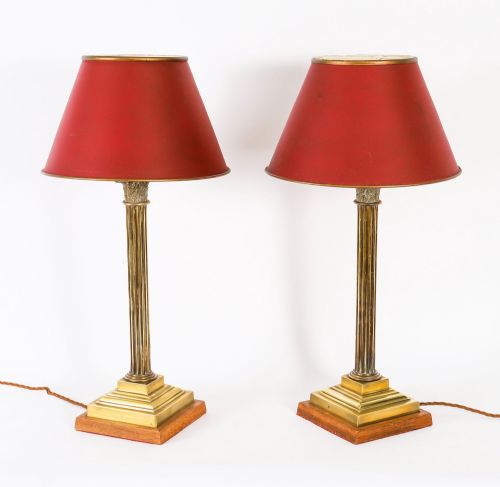
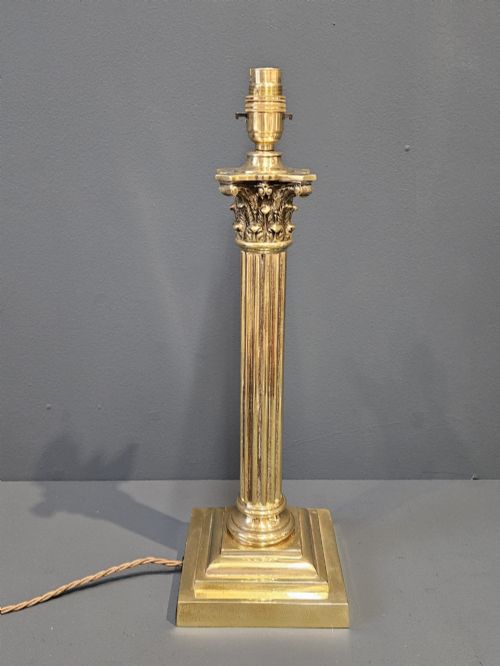
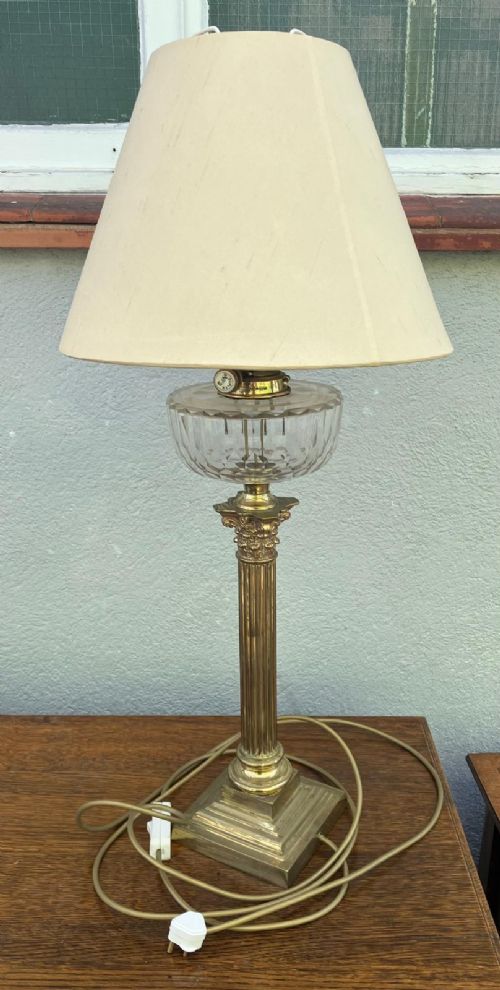
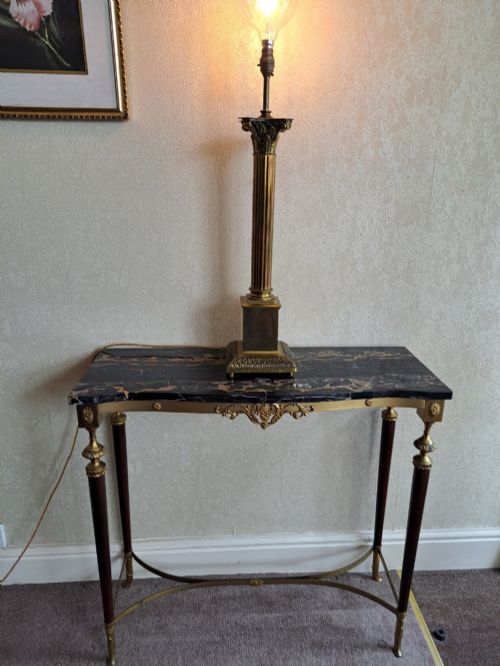
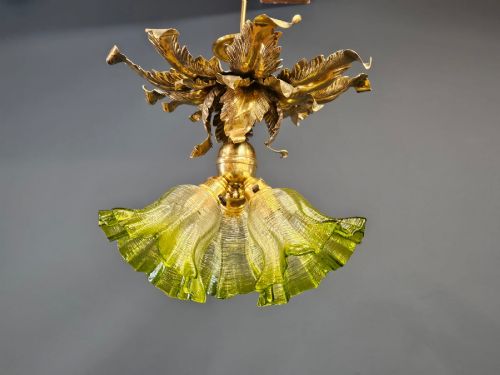
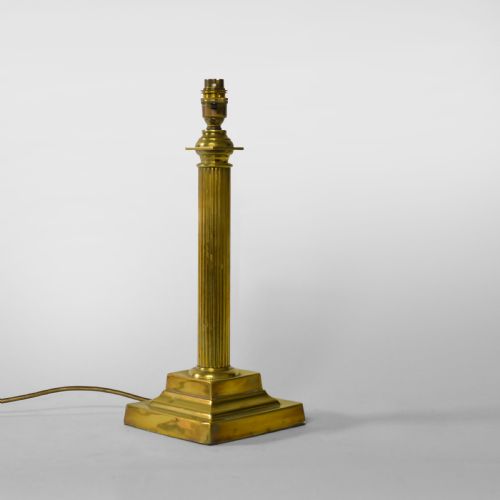
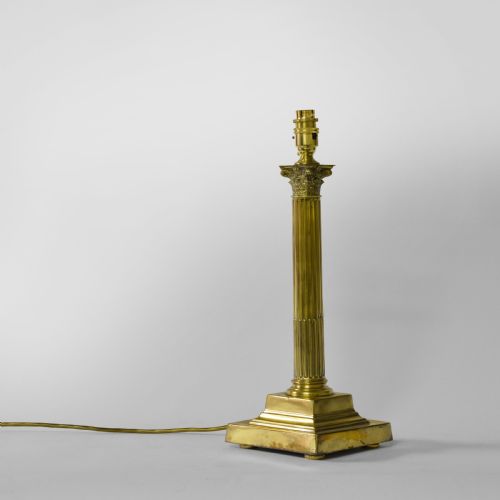
When searching for a victorian fluted brass light, a buyer encounters pieces primarily formed as table lamps, oil lamps, standard floor lamps, and ceiling pendants originating across the nineteenth century and into the Edwardian era. The listings feature column designs such as Corinthian and ionic orders, alongside ceiling lights with original shades and converted oil lamps.
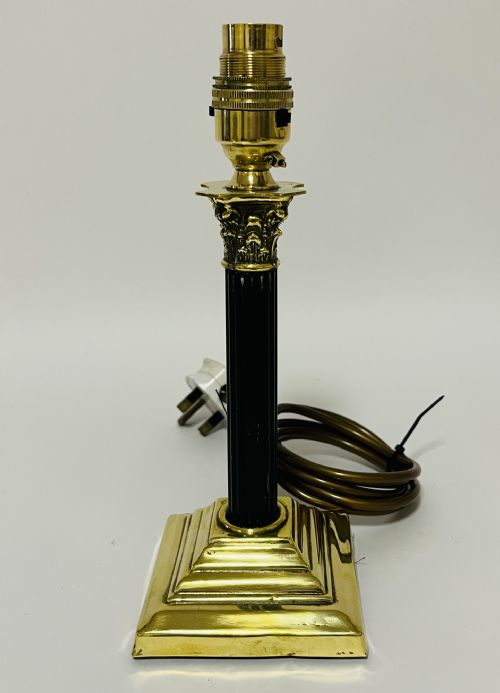
The standard format is a vertical brass shaft supporting a burner or electrical fitting, frequently mounted on stepped metal or glass bases. Many examples survive from the eighteen eighties and eighteen nineties, reflecting the domestic lighting transitions of the period.
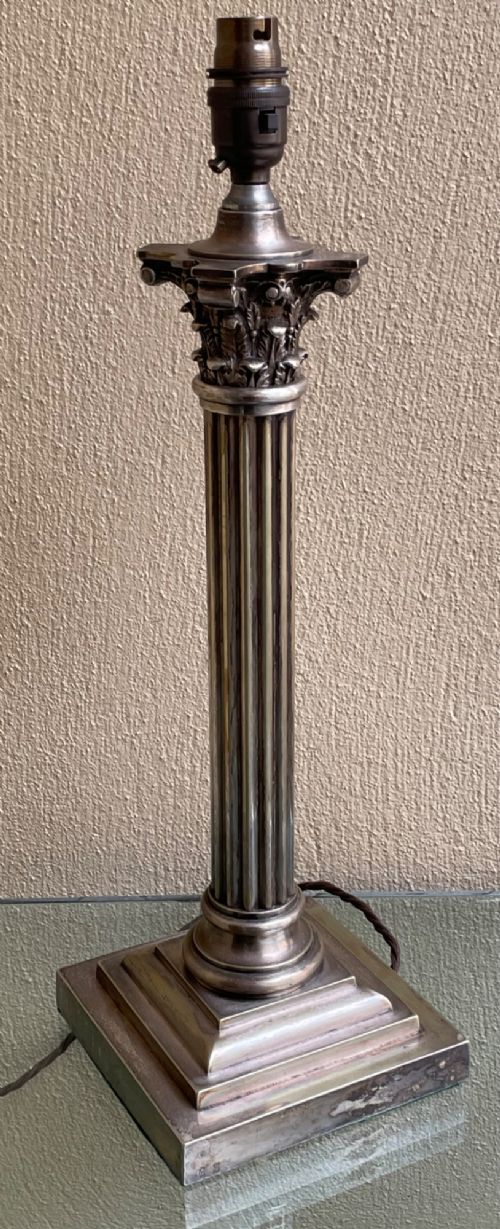
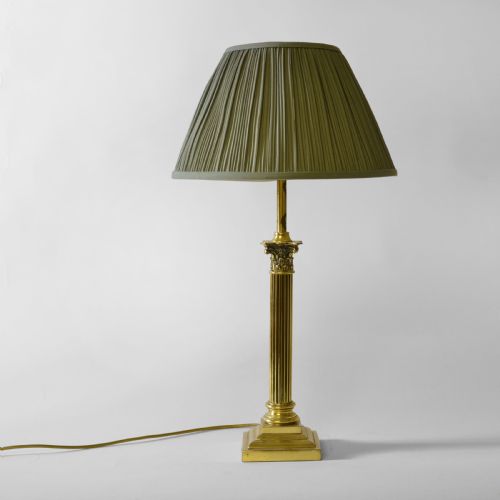
Buyers will most commonly meet tall column table lamps and standard lamps in brass, often paired with opaline glass or fabric shades. These objects combine functional illumination with classical architectural revival styles popular during the reign.
Materials and Construction
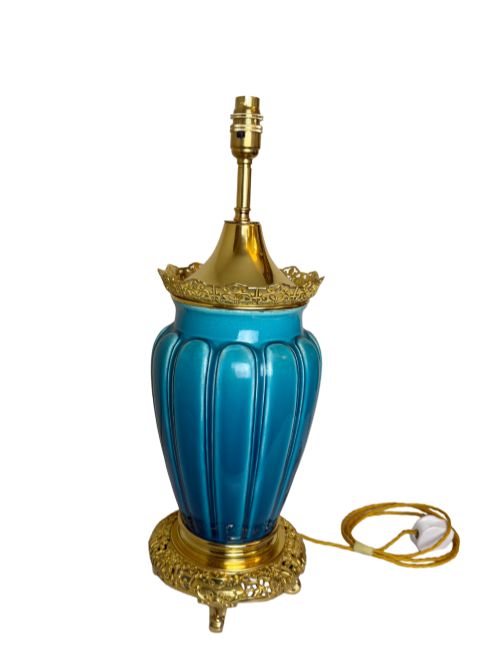
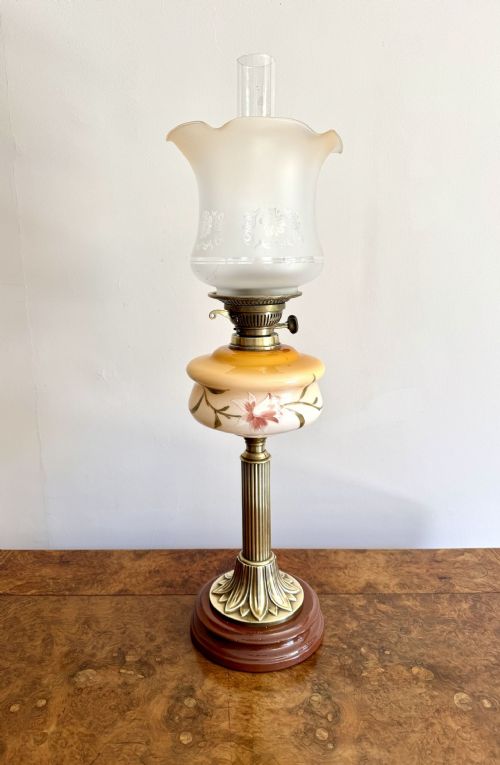
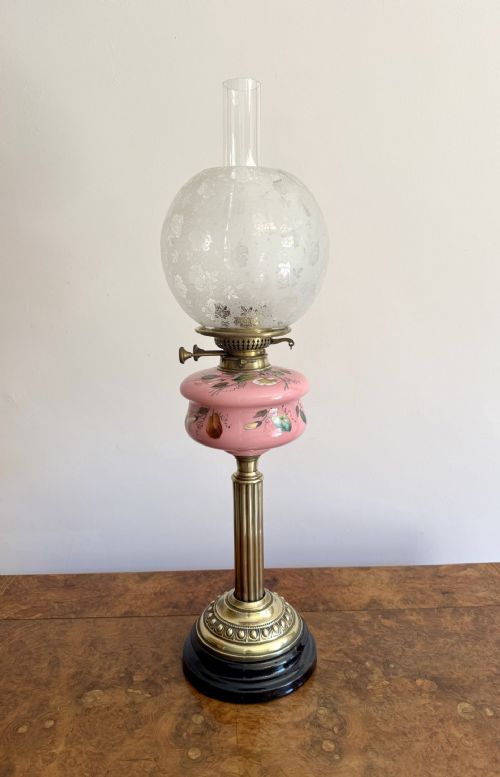
The primary material is cast and spun brass, paired with glass components including opaline glass shades and cut glass bodies. Certain pieces incorporate gilt bronze trim, ceramic reservoirs, and black glass bases to add weight and colour contrast.
Column shafts utilise classical fluting and reeding techniques, turned on lathes or cast in sections before being threaded together. Oil lamp mechanisms incorporate brass collars, wick adjusters, and burner assemblies that are frequently adapted for modern electrical wiring.
Some church candlesticks ended up promoted to table lamps, shedding hymns for reading light.
Evaluating Quality
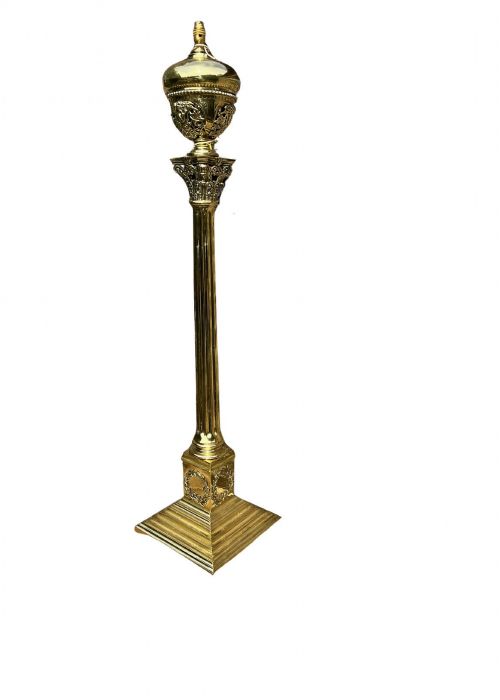
Quality in these pieces depends upon the crispness of the casting detail in the Corinthian capitals and the thickness of the brass gauge used for the columns. Heavier standards with well-proportioned stepped bases and original glass components sit at the upper end of the range.
The presence of maker signatures on burners or metal collars, combined with substantial height and unaltered proportions, distinguishes finer workshop productions from lighter commercial output.
Joseph Hinks
The Victorian Fluted Brass Light Glossary
- Corinthian Column
- An architectural support style featuring an ornate capital decorated with acanthus leaves, frequently utilised for nineteenth century lamp standards.
- Opaline Glass
- A translucent pale glass often milk-white or soft blue, used for lamp shades to diffuse light evenly.
- Standard Lamp
- A tall floor-standing lighting fixture designed to illuminate a room from a raised height.
- Oil Lamp
- A lighting device utilising a reservoir and burner for fuel, many of which have subsequently been converted to electricity.
- Gilt Bronze
- Bronze metal treated with a gold-coloured finish or mercury gilding to provide decorative metallic lustre.
Victorian Fluted Brass Light: Frequently Asked Questions
How do I convert an oil lamp?
Most period oil lamps encountered have already been converted to electricity by threading a cord through the central burner assembly.
Working with a professional restorer ensures the original brass collar and reservoir remain undamaged during the rewiring process.
Are these lamps heavy?
Solid brass construction and weighted iron or glass bases give these standard lamps and table pieces significant physical heft.
This weight prevents tipping when used with larger fabric or glass shades.
What shades are correct?
Opaline glass shades and pleated fabric options appear across Edwardian and Victorian examples.
Matching the fitter size to the original brass gallery ensures the shade sits securely.
How do I date a brass lamp?
Dating relies on stylistic markers such as Corinthian capitals, ceramic reservoirs, and stamped maker names on the brass mechanisms.
Most pieces span the nineteenth century up to nineteen twenty.