



Solid Brass Reading Lamp
These solid brass reading lamp pieces are heavy, period metalwork designed for serious tasks, built to hold a steady light exactly where you need it.
Solid Brass Reading Lamp
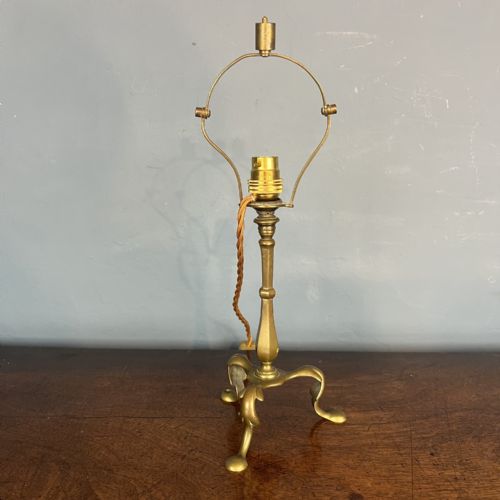
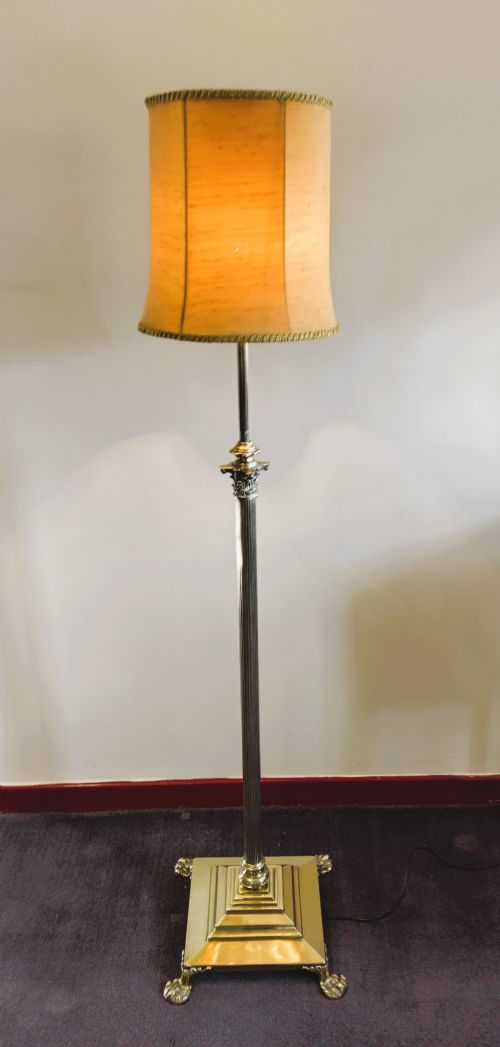
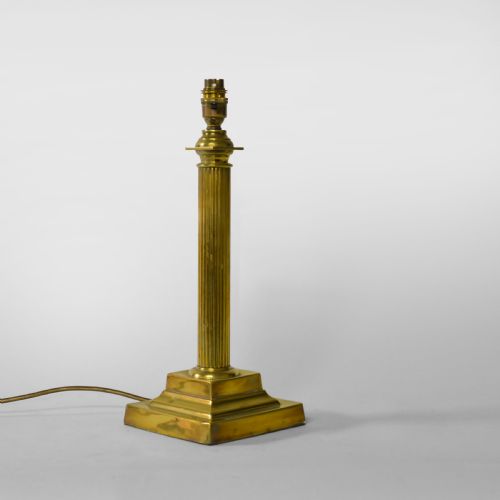
When you search for solid brass reading lamp, you encounter heavy metal task lighting spanning the Victorian, Edwardian, and 1930 periods. The forms range from compact table and desk lamps to tall standard and floor lamps designed for living spaces and studies.
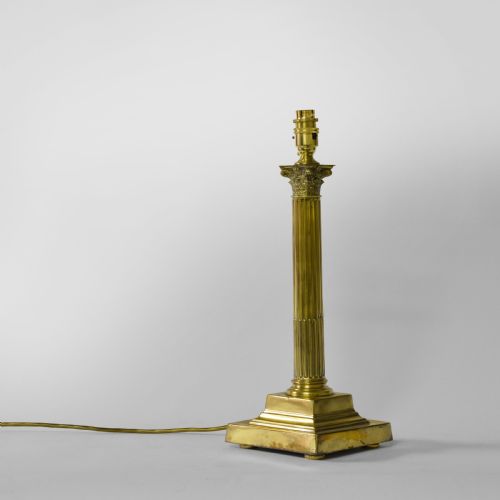
You are most likely to meet standard and table lamps on this page, often featuring column designs like the ionic or corinthian orders. These pieces utilise substantial brass construction to provide stability during adjustment.
The selection includes specialised forms such as Pullman lamps and obelisk desk lamps, alongside adjustable height models. Materials span brass paired with fabric, felt, cast iron, and opaline glass.
How they were made
Makers utilised solid brass alongside supportive materials like cast iron to add necessary weight to tall standard and floor lamps. Metalwork techniques allowed for the creation of fluted columns and adjustable telescopic mechanisms.
Shades incorporated fabric, felt, and opaline glass to diffuse the light emitted by the brass fittings. Construction methods focused on durability and mechanical adjustment, seen in column and Pullman designs.
Solid Brass Reading Lamp Retail Price Guide 2026
Typical asking prices for solid brass reading lamp among the pieces listed under this phrase on Sellingantiques today, from the lower quarter to the upper quarter. They describe what is for sale here now, not the wider market.
Listings feature brass combined with oak, felt, and opaline glass across the Victorian and Edwardian periods.
What varies in quality
The distinction between standard examples and the finest items rests in the weight of the metal and the sophistication of the mechanisms. Heavier brass castings and complex telescopic height adjustments separate superior pieces from simpler ones.
Stylistic detail also defines quality, where finely executed classical column capitals or specific maker attributions elevate a lamp above basic utility. The integration of quality secondary materials like opaline glass further distinguishes the range.
Faraday & Sons·Whytock & Reid
The Solid Brass Reading Lamp Glossary
- Solid brass
- Metal alloy composed primarily of copper and zinc, used throughout these pieces for structural integrity and a uniform golden finish. It provides the heavy foundation required for adjustable reading lamps.
- Telescopic standard lamp
- A tall floor lamp featuring a shaft that extends in height through sliding metal sections. This mechanical adjustment allowed users to direct light precisely.
- Pullman lamp
- A compact lighting fixture historically adapted from railway carriage design for focused illumination. These pieces often feature specialised mounting or directional shading.
- Opaline glass
- A milky, translucent white glass used for lamp shades to soften and diffuse glare. It appears paired with brass frames in Edwardian examples.
- Corinthian column lamp
- A table or standard lamp modelled on classical architecture with ornate acanthus leaf capitals. This Victorian style brings monumental decorative detail to domestic lighting.
Solid Brass Reading Lamp: Frequently Asked Questions
How do I adjust the height?
Many of these pieces utilise telescopic mechanisms within the brass shaft to raise or lower the light source. You loosen the collar, slide the upper section to the desired position, and tighten it back into place.
Heavier standard lamps rely on this solid construction to remain balanced at extended heights without tipping.
What is a Pullman lamp?
A Pullman lamp is a compact design originally developed for railway carriages where space was limited and secure directional lighting was essential. These pieces translate that robust, space-saving engineering into domestic table lighting.
They often feature specialised arms and heavy brass brackets designed to stay put on a moving surface.
How do I date a brass lamp?
Dating relies on identifying period design motifs, such as Victorian ionic columns or Edwardian obelisk forms. Construction methods, including the type of switches and the weight of the brass castings, also indicate the era.
Comparing the style against known examples from the nineteenth and early twentieth centuries helps narrow down the decade of manufacture.
Are these lamps suitable for reading?
These pieces were originally built precisely for task lighting and reading, often featuring adjustable heights and focused shades. The heavy solid brass construction ensures they remain stable when positioned over a desk or armchair.
Pairing them with appropriate modern bulbs allows them to serve their original purpose effectively in a contemporary home.