
Victorian Fire Surround
These pieces give a room a true nineteenth-century focus, bringing a solid architectural anchor to a chimney breast.
Victorian Fire Surround
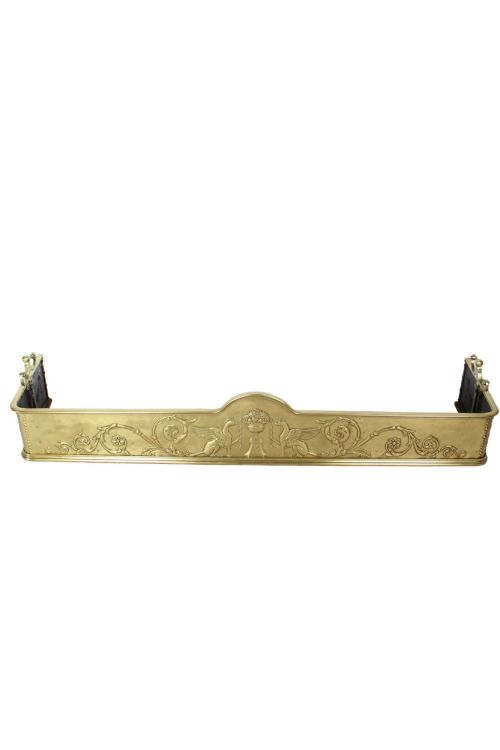
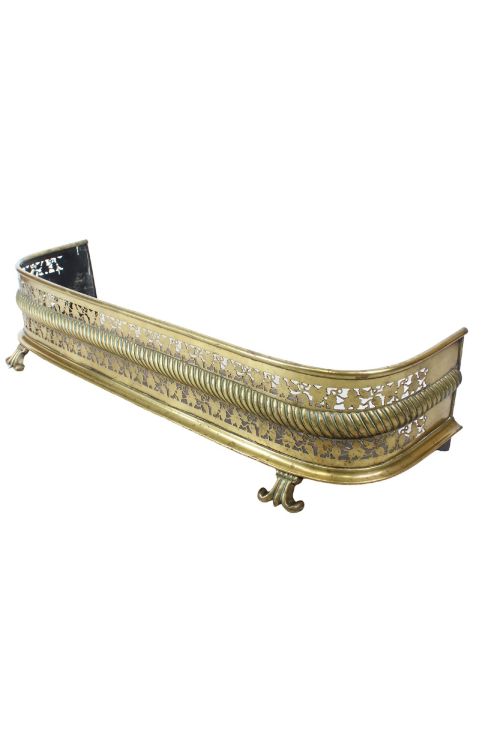
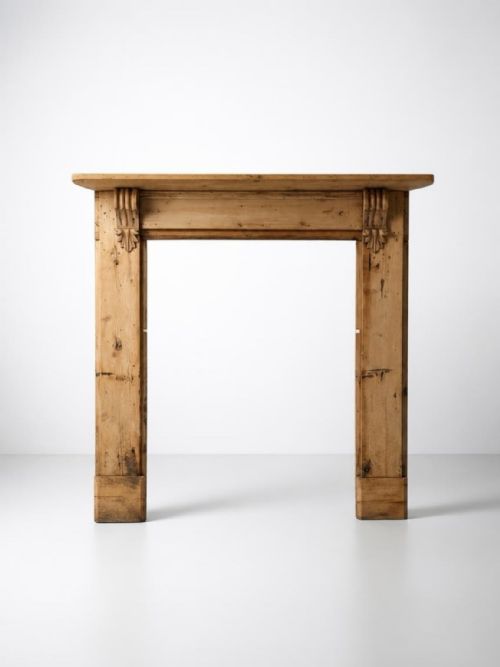
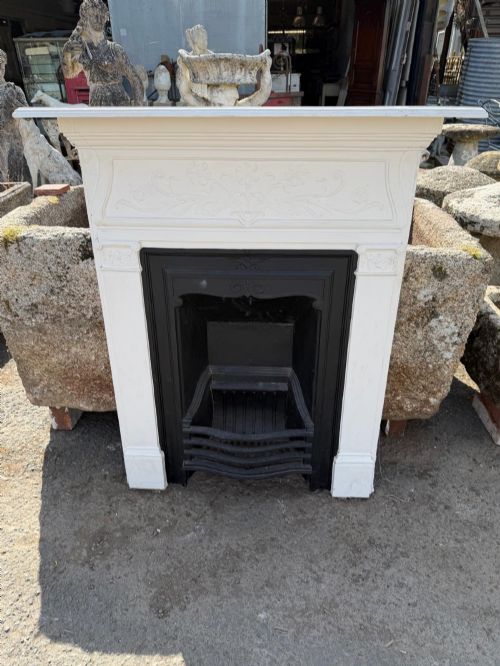
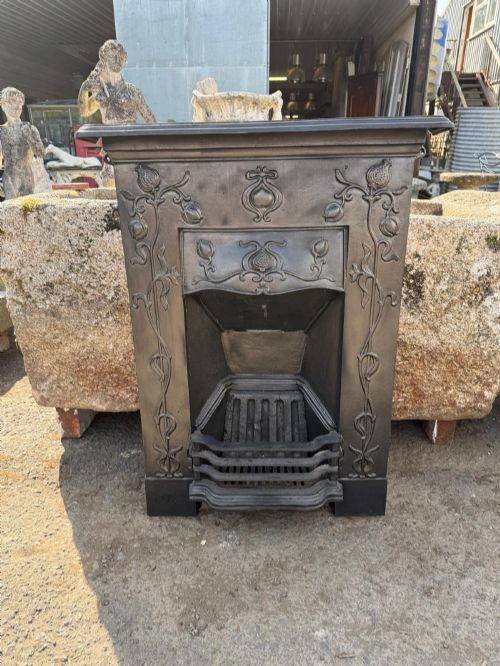
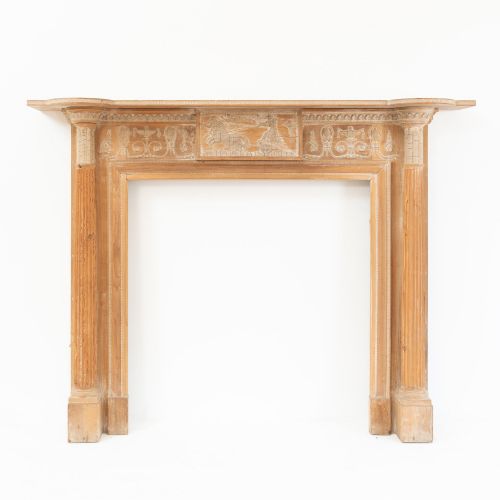
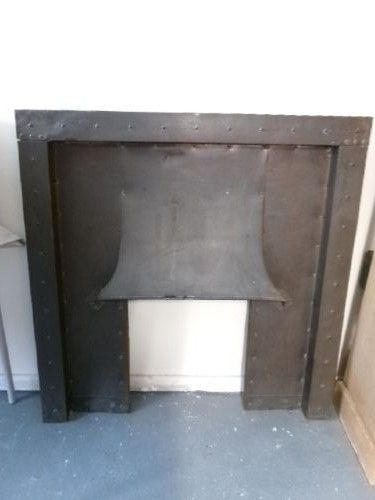
A victorian fire surround frames the hearth with architectural weight, appearing in heavy timbers like oak, pine, and mahogany, or carved from Carrara and statuary marble. Many examples employ cast iron, whilst others integrate glazed tiles and detailed corbels.
The pieces on this page span carved mantels and combination fireplaces alongside heavy stone surrounds and timber mantelspieces. They reflect styles ranging from austere classical lines to elaborate rococo revival and arts and crafts movement geometry.
Buyers will encounter stripped pine versions alongside grand polished hardwoods and painted cast iron inserts. These elements served as the principal visual anchor for nineteenth-century reception rooms.
Materials and construction
Makers shaped heavy timbers like oak, pine, and walnut using hand chisels for deep relief carvings, applying gesso details and marquetry inlays to richer output. Marble pieces required precise sawing and hand polishing to reveal natural veining.
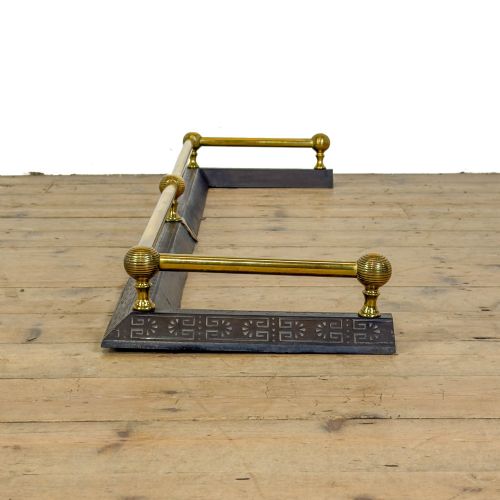
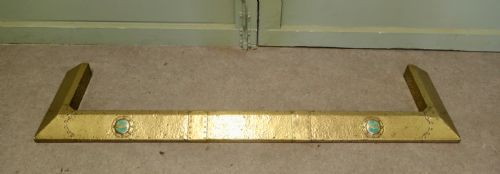
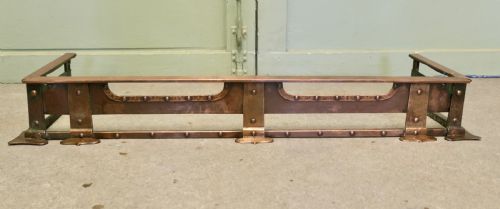
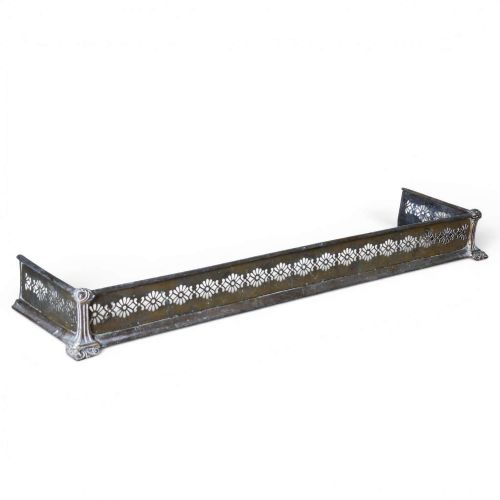
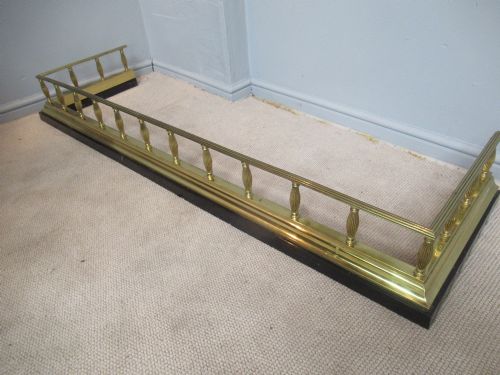
Cast iron components emerged from foundry moulds, cooled and finished with blacking, paint, or ebonised highlights. Brass, copper, and bronze elements were beaten, pierced, and riveted by hand, often incorporating enamel cabochons or tile sets.
Victorian Fire Surround Retail Price Guide 2026
Typical asking prices for victorian fire surround among the pieces listed under this phrase on Sellingantiques today, from the lower quarter to the upper quarter. They describe what is for sale here now, not the wider market.
Listings feature materials spanning cast iron, Carrara marble, and pitch pine, alongside arts and crafts beaten copper components.
Indicators of quality
Quality rests in the depth and crispness of the carving, where hand-tooled timber and crisp foundry casting outshine shallow machine work. The choice of dense hardwoods and select statuary marble elevates a piece above standard painted pine.
Superior execution shows in integrated details like gesso enrichments, fire-gilt bronzes, and well-proportioned corbels that balance the architectural mass. Secondary timbers and the integrity of joints further distinguish master workshop output from utility domestic joinery.
Coalbrookdale
The Victorian Fire Surround Glossary
- Corbel
- A projecting bracket of stone, wood, or iron supporting a mantel shelf. They often feature carved acanthus leaves or scrollwork.
- Mantelpiece
- The decorative framework surrounding a fireplace opening, including the shelf above. It served as the primary display surface in a Victorian parlour.
- Combination fireplace
- A single-piece cast iron unit comprising both the grate and the surrounding mantel integrated together. These were mass-produced for smaller chambers in nineteenth-century homes.
- Statuary marble
- A fine-grained, pure white marble quarried in Carrara, Italy. Sculptors and masons favoured it for classical fireplace surrounds.
- Gesso
- A plaster-like mixture applied to wood surfaces and carved or moulded into relief details. It provided a smooth base for subsequent gilding or painting.
Victorian Fire Surround: Frequently Asked Questions
How do I choose the right size?
Measure your existing fireplace opening, hearth width, and available wall space before browsing. Ensure the internal rebate matches the dimensions of your fire grate or insert.
Take note of the overall mantel height and shelf length to verify it fits the proportions of your room.
How do I clean marble and timber?
Use a soft, dry cloth to remove dust from carved wooden surfaces, applying a quality beeswax sparingly to nourish dry timber. Avoid silicone-based polishes that build up over time.
Clean marble gently with warm water and a neutral soap, steering clear of acidic solutions that etch the stone surface.
Can I paint a stripped pine surround?
Many Victorian pine surrounds were originally painted or finished with faux graining rather than left as bare wood. Applying a traditional primer and oil-based paint follows historical precedent for many nineteenth-century interiors.
Check the surface for residual wax or varnish before painting to ensure proper adhesion.