



Gold Brass Fender
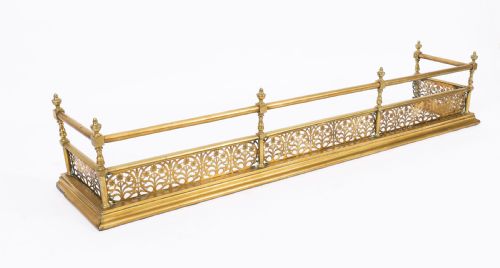
A gold brass fender frames the hearth with warmth, combining polished metal and solid structure to anchor a Victorian or Edwardian fireplace.
What a gold brass fender is
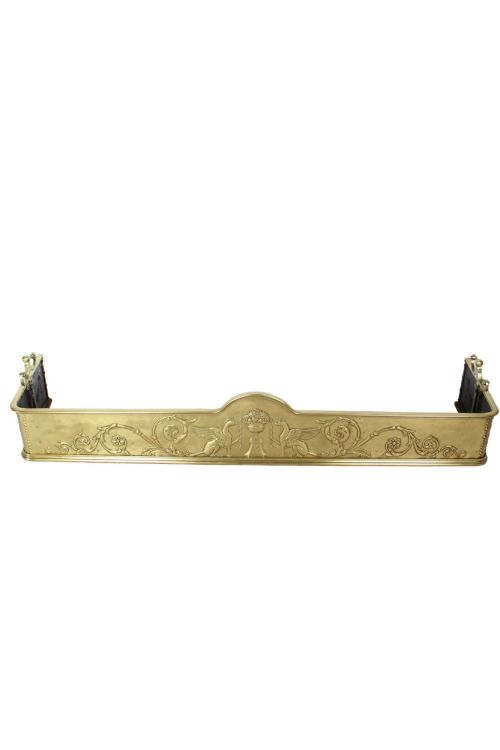
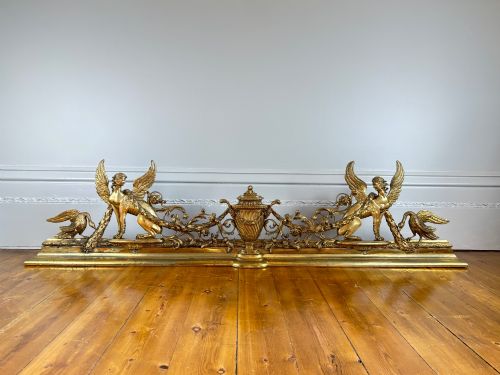
A gold brass fender sits directly on the hearth around a fireplace, serving both as a decorative barrier and a practical hearth guard. The pieces found here are primarily Victorian and Edwardian examples, spanning from mid-nineteenth-century designs to early twentieth-century adjustable formats.
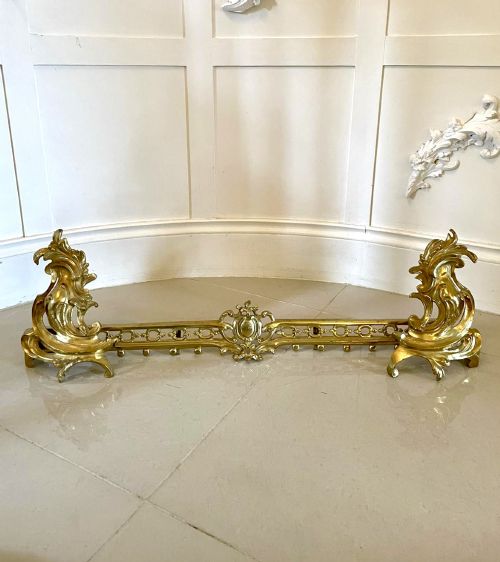
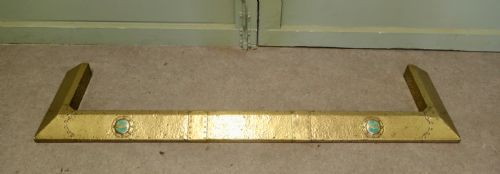
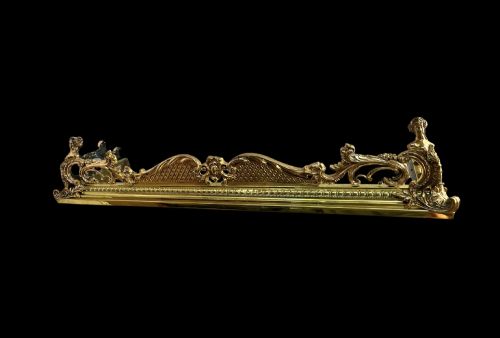
Forms range from grand neoclassical structures measuring over four feet to adjustable variants and decorative Art Nouveau pieces. Buyers most frequently encounter sturdy brass and bronze floor-standing frames that protect carpets and rooms from stray embers while defining the fireplace centrepiece.
How they were made
Makers constructed these fenders predominantly using brass and bronze, frequently combining them with iron structural elements for added weight and stability. Metalworking techniques of the period involved casting heavy decorative components, shaping sheet metal, and assembling extending mechanisms to fit various hearth widths.
Finishes relied on the natural lustre of brass and bronze, shaped into stylistic motifs characteristic of Victorian neoclassical, Rococo revival, and Art Nouveau design. Surface detailing was achieved through casting and hand-finishing rather than applied coatings, ensuring lasting durability.
Retail Price Guide 2026
Typical UK retail prices for gold brass fender, calculated from the Sellingantiques database of over a million retail prices indexed since 2003. This retail price guide relies exclusively on Sellingantiques data; no external sources or auction records are used, so the figures do not describe the wider market.
Current listings span Victorian and Edwardian periods, showcasing materials in brass, iron, and bronze across neoclassical, Rococo revival, and Art Nouveau styles.
What varies in quality
Quality in a gold brass fender is determined by the substantial weight of the metal and the crispness of the cast ornamentation. Heavier, thicker gauge brass and robust extending mechanisms distinguish superior examples from lighter, purely decorative alternatives.
The sophistication of the period style, from restrained neoclassical lines to flowing Art Nouveau curves, dictates the refinement of the piece. Superior construction ensures that joints remain tight and adjustable sections slide smoothly without structural compromise.
The Gold Brass Fender Glossary
- Fender
- A low metal guard placed in front of an open fireplace to contain falling embers and protect the floor covering. It forms the visual boundary of the hearth.
- Neoclassical
- A style drawing inspiration from classical antiquity, featuring symmetrical ornament, urns, and restrained geometric patterns. It dominated much of the Victorian period.
- Art Nouveau
- A turn-of-the-century design movement characterised by organic, flowing lines and stylised plant motifs. This style brings asymmetrical grace to Edwardian hearth furniture.
- Adjustable
- A construction method incorporating sliding sections that allow the fender to expand or contract to fit different hearth dimensions. This feature was especially common in early twentieth-century workshops.
Frequently Asked Questions
What is the purpose of a fireplace fender?
A fireplace fender sits on the hearth to prevent burning embers and sparks from rolling out onto carpets or wooden flooring. It creates a physical boundary that keeps furniture and feet safely distanced from the fire.
Beyond safety, it frames the fireplace opening, tying the hearth visually to the rest of the room's interior metalwork and period style.
How do I measure for a fender?
Measure the width and depth of the hearth space where the fender will rest, accounting for the hearthstone's exact dimensions. For fixed pieces, the internal width must clear the fireplace opening comfortably.
Adjustable examples offer flexibility if your hearth width falls between standard measurements, allowing you to slide the frame to fit the exact space available.
How do I clean antique brass?
Clean antique brass gently using a soft cloth and mild soapy water to remove accumulated dust and surface grime without stripping the aged patina. Avoid harsh chemical cleaners or abrasive pads that can permanently scratch the metal.
Many collectors prefer to leave a mellow, darkened oxidation in the recessed details while maintaining a soft polish on the raised highlights.
Can adjustable fenders support weight?
Adjustable fenders are built with overlapping metal channels designed to maintain structural integrity while expanding across the hearth. While they are sturdy enough for daily use and containment, they are not intended to serve as heavy seating benches.
Properly manufactured adjustable pieces lock securely into position once the desired width is reached.