


Victorian Fire Back
A victorian fire back is a heavy cast iron hearth plate placed behind a grate to reflect heat and protect the masonry.
Victorian Fire Back
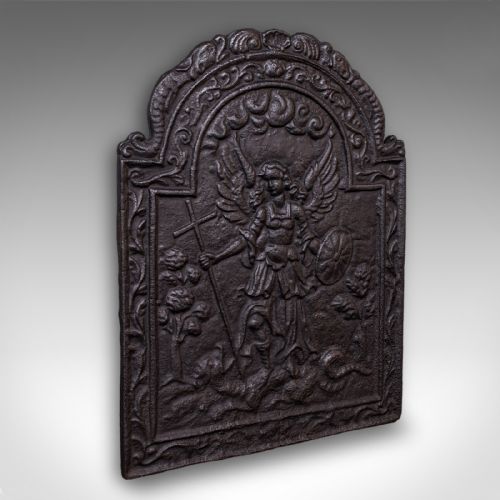
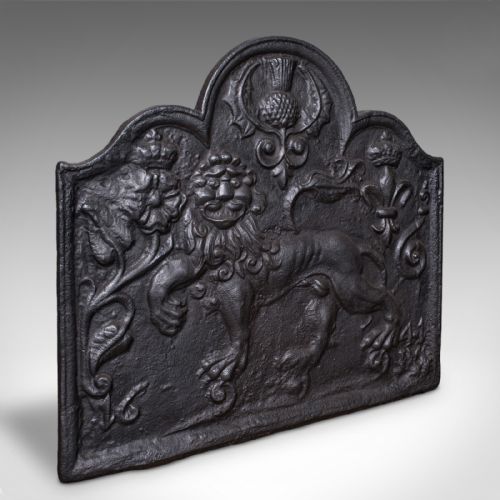
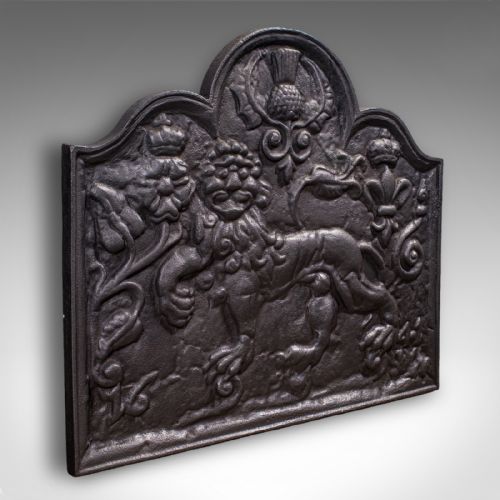
A victorian fire back serves both a practical role in reflecting warmth into the room and a decorative purpose within the hearth. You encounter these primarily as heavy cast iron panels bearing relief designs, often grouped with grates and fire baskets.
The styles range from plain utility plates to ornate interpretations of earlier periods. These include heraldic motifs, Neoclassical revival patterns, Carolean and Tudor revivals, and the distinctive Tree of Life design.
The forms vary from modest rectangular hearth panels to large, three-foot-tall architectural plates. Some examples incorporate integral fire baskets, fenders, or side reflectors to complete the fireplace setup.
Materials and casting
The pieces are produced in cast iron, utilised for its ability to absorb and radiate heat while enduring high temperatures without warping. The metal is poured into sand or open-face moulds pressed with carved wooden patterns or existing originals.
The surface detail relies entirely on the sharpness of the initial mould and the quality of the iron pour. Relief work, crests, and figures emerge from the flat plate through this direct casting process.
Victorian Fire Back Retail Price Guide 2026
Typical asking prices for victorian fire back among the pieces listed under this phrase on Sellingantiques today, from the lower quarter to the upper quarter. They describe what is for sale here now, not the wider market.
Tree of life patterns bring an unexpectedly leafy woodland canopy to the hearth.
Assessing quality and depth
Quality rests in the crispness of the cast and the depth of the relief modelling. Plates cast from worn or secondary moulds lose the sharp edges and fine details seen in the best examples.
The thickness of the iron plate and the integrity of the casting matter significantly. Heavier, solid panels distribute heat more evenly and resist thermal cracking better than thin, utilitarian alternatives.
The Victorian Fire Back Glossary
- Fire back
- A heavy metal plate placed at the back of an open hearth. It protects the brickwork and radiates heat forward into the room.
- Cast iron
- An iron-carbon alloy poured into moulds while molten. It forms the durable material for all these hearth plates.
- Relief
- Sculptural projection from a flat background surface. This technique creates the decorative figures, crests, and patterns on the iron plates.
- Carolean revival
- A decorative style echoing the ornate furnishings of the mid to late seventeenth century. It appears frequently in the elaborate scrollwork of these hearth pieces.
- Reflector
- A polished or positioned surface designed to bounce light and warmth outward. Many listings describe these plates primarily in this functional capacity.
Victorian Fire Back: Frequently Asked Questions
What is a victorian fire back used for?
A victorian fire back sits vertically against the rear brickwork of an open fireplace.
Its primary duty is to absorb heat from the burning fuel and radiate that warmth back into the room long after the fire dies down.
How do I install a fire back safely?
These heavy iron plates stand upright against the fireplace wall, often supported by small feet or tilted slightly backward.
Because they are exceptionally heavy and brittle, you must ensure the hearth and back wall can support the weight without shifting.
Can I use an antique fire back with a modern fire?
Cast iron handles intense heat exceptionally well, making these plates suitable for burning wood or coal.
Check the dimensions of your fire opening carefully to ensure the plate fits without obstructing the flue or grate assembly.
How do I distinguish between different revival styles?
Neoclassical pieces feature symmetrical urns, swags, and classical motifs inspired by ancient design.
Tudor and Carolean revivals display royal crests, lions, greyhounds, and exuberant scrollwork drawn from seventeenth-century aesthetics.