


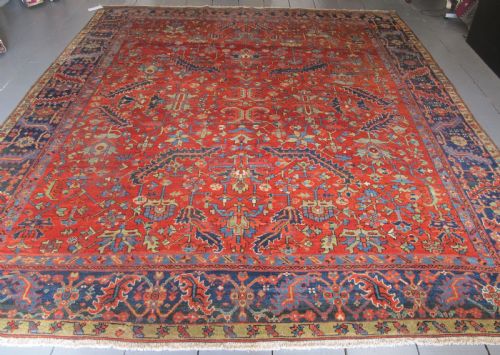


Victorian Era Tribal Carpet
These Victorian era tribal carpet pieces bring genuine texture and historic dye work into a room.
Victorian Era Tribal Carpet
A victorian era tribal carpet represents hand-woven floor coverings originating from nomadic or village workshops during the late nineteenth century. Buyers seek these items for their rich geometric patterns, saturated natural tones, and distinct regional weaving traits from Persia, Anatolia, and Central Asia.
The selections available here span formats such as runner rugs, main carpets, and smaller floor rugs. Dating generally from around eighteen eighty to eighteen ninety, these pieces demonstrate the diverse aesthetic vocabulary of Baluch, Tekke, Ushak, and Khorasan traditions.
Materials and construction
These textiles rely principally on wool and hand-spun wool for the pile and foundation yarns, often combined with cotton for structural strength. Artisans knotted the wool by hand onto sturdy warps andwefts, creating dense surfaces designed to endure daily use.
Weavers utilised natural dyestuffs to achieve deep hues of red, blue, and yellow ground variations. The spinning process left subtle irregularities in the yarn, giving the finished pile a characteristic variation in texture and light absorption.
The listings here feature wool, cotton, and hand-spun wool across pieces dated from eighteen eighty to eighteen ninety.
Assessing quality
Quality in these textiles depends heavily on the fineness of the knotting and the precision of the wool preparation. Tighter knots allow more intricate geometric rendering, distinguishing ambitious weaving centres from standard village production.
The vibrancy and complexity of the palette also separate exceptional examples from ordinary ones. Well-preserved pile height and balanced proportions across runner and carpet formats elevate the visual impact of the textile.
The Victorian Era Tribal Carpet Glossary
- Pile
- The upright loops or cut ends of yarn that form the usable surface of the carpet. This layer bears the direct foot traffic and displays the woven pattern.
- Warp
- The vertical threads stretched tightly on the loom before weaving begins. Weavers tie the pile knots around these foundational strings.
- Weft
- The horizontal threads passed across the warp strands to lock the knots in place. This structure secures the tension of the woven fabric.
- Ground
- The main background field colour of the carpet. This area surrounds the central medallions and geometric motifs.
- Runner
- A long, narrow carpet format designed primarily for hallways and corridors. These pieces echo the traditional weaving techniques seen in larger room-size carpets.
Victorian Era Tribal Carpet: Frequently Asked Questions
How are these carpets dated?
Dating relies on structural analysis, wool characteristics, and design motifs typical of late nineteenth-century production. Comparisons with documented examples from the eighteen eighties and nineties help establish the period.
Changes in dye chemistry and weaving density further assist in placing a textile within the Victorian era.
Where were these rugs made?
Production centres include various regions across Persia, Anatolia, and Central Asia. Nomadic groups and village workshops created distinct styles reflecting local tribal traditions.
Specific origins range from Western Afghanistan and Baluchistan to Ushak and the Caucasus.
How do I care for a wool rug?
Regular gentle vacuuming without a beater bar removes loose dirt from the wool pile. Professional cleaning suited for antique textiles preserves the natural fibres.
Keeping the rug away from direct, harsh sunlight prevents the natural dyes from fading prematurely.
What is a Baluch design?
Baluch patterns originate from nomadic weavers inhabiting the borderlands of Persia and Afghanistan. These designs typically feature deep indigo and red palettes with geometric medallions.
Scarce variants often incorporate unique border configurations and animal or tree motifs.