





Rust Baluch Rug
A rust baluch rug brings deep earthen tones and nomadic skill into a room, offering enduring warmth through traditional patterns.
Rust Baluch Rug
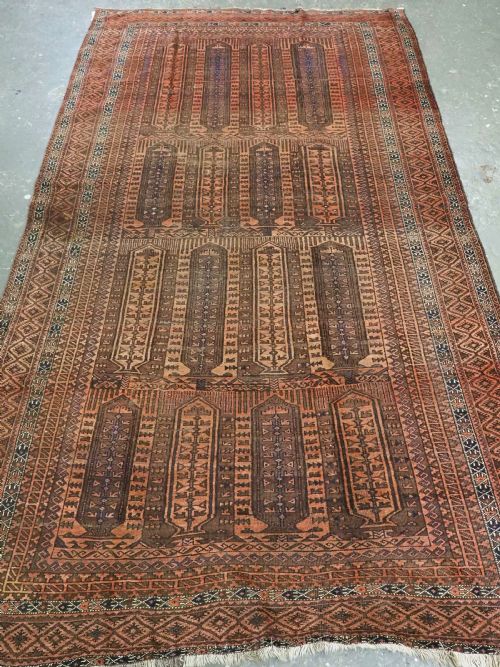
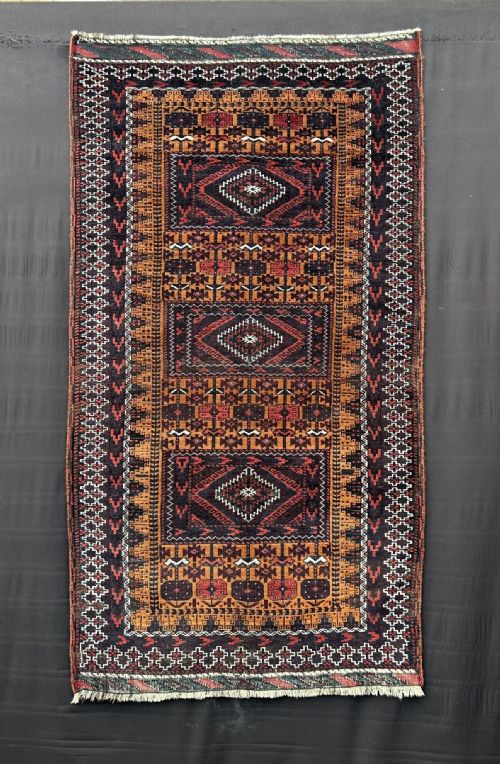
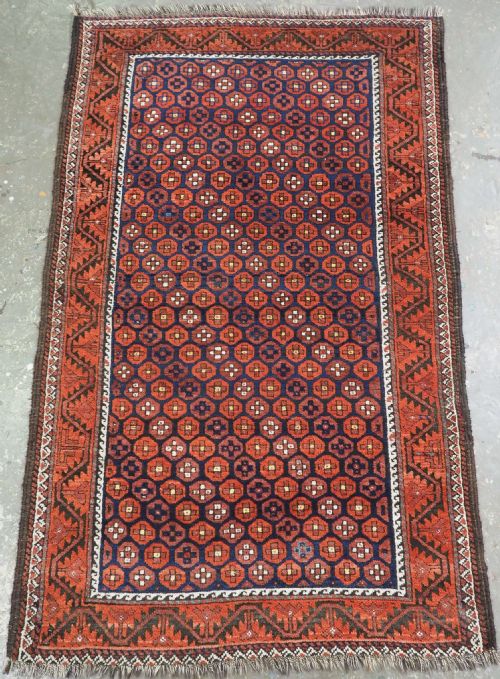
When you search for a rust baluch rug, you are looking at tribal and nomadic floor coverings originating from nineteenth-century weaving traditions. These pieces often hail from regions such as Khorasan, Sistan, and Western Afghanistan.
The versions you are most likely to meet on this page date from around eighteen eighty up to nineteen hundred. They display classic motifs including guls, calyx lattices, and repeat octagons.
Makers ranged across Persian and Afghan tribal groups, including Salar Khani and Timuri weavers. Each rug reflects the distinct visual language of its maker and origin.
How a rust baluch rug was made
Weavers utilised natural dyes to achieve deep red and rust colourways on wool foundations. Goat hair and cotton also appear in the construction of these carpets.
Nomadic workshops employed traditional knotting techniques suited to portable looms. The resulting pile provides resilience and dense texture.
Listings span the nineteenth century, focusing on the decades around eighteen eighty and nineteen hundred with wool, cotton, and goat hair materials.
What varies in quality
The refinement of the design separates standard examples from exceptional pieces. Finer knots permit intricate execution of motifs like the mina khani variant or kalam donneh patterns.
Depth and saturation of the natural dyes influence visual appeal. Tighter weaves and well-preserved borders indicate superior execution by the tribal weaver.
The Rust Baluch Rug Glossary
- Gul
- A medallion motif frequently repeated across tribal rugs. This shape forms the primary geometric focus in many Baluch and Salar Khani designs.
- Natural Dyes
- Colourants derived from plants, insects, and minerals rather than synthetic compounds. These materials yield the rich, varied tones seen in nineteenth-century pieces.
- Calyx Lattice
- A repeating network of floral or botanical stems across the field. This pattern structures the background of certain Khorasan examples.
- Nomadic
- Pertaining to peoples who move seasonally rather than settling in permanent urban centres. Their textiles reflect portable traditions and local materials.
Rust Baluch Rug: Frequently Asked Questions
What is a rust baluch rug?
A rust baluch rug is a nineteenth-century tribal floor covering woven by nomadic groups in Persia and Afghanistan. These pieces use wool and natural dyes to create distinct geometric patterns.
They serve as durable area rugs that bring deep, earthy colour palettes into domestic spaces. Each carpet reflects the specific regional style of its makers, from Khorasan to Sistan.
How do I date an old rug?
Dating relies on materials, structure, and design characteristics recorded in the weaving traditions of the period. Nineteenth-century examples often employ specific natural dye palettes and wool qualities.
Comparing motif structures, such as guls or lattice work, helps place a piece between eighteen eighty and nineteen hundred. Experts examine the knotting style and selvage construction for further clues.
Where were these rugs made?
These rugs originated among nomadic and tribal groups across Persia and Western Afghanistan. Regions such as Khorasan and the Sistan Province are notable centres of production.
Weavers working within tribes like the Timuri and Salar Khani produced these textiles on portable looms. Their geographic origins heavily influence the specific design vocabulary found on the rug.
How do I care for my rug?
Care for a historic wool rug requires gentle treatment and minimal exposure to harsh conditions. Regular light vacuuming without a beater bar removes surface dust safely.
Professional cleaning suited to antique textiles preserves the natural dyes and wool pile. Keeping the rug out of direct sunlight prevents fading of the rust and red tones.