


Nineteenth Century Woven Rug
When you search for a nineteenth century woven rug, you encounter handmade wool, cotton, and silk floor coverings created by tribal and village makers.
Nineteenth Century Woven Rug
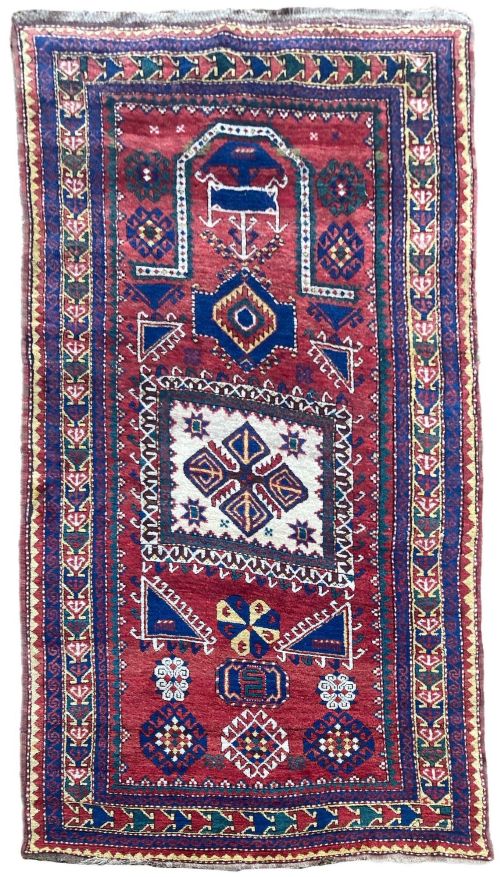
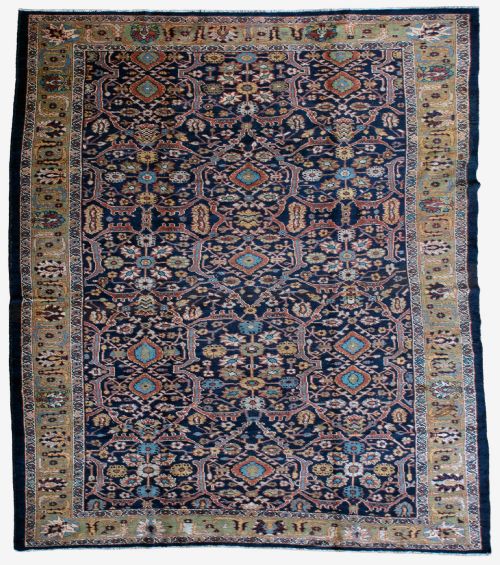
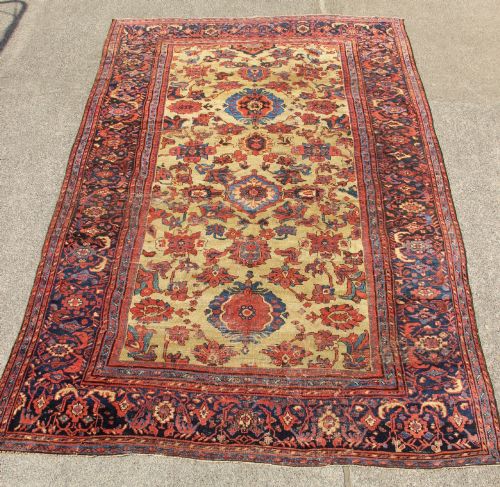
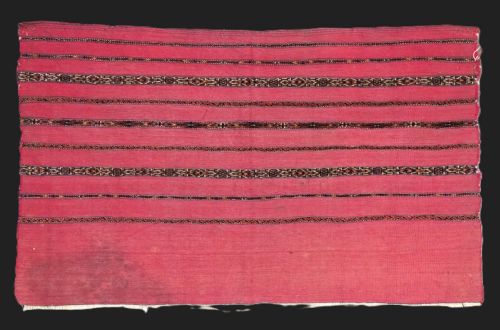
A nineteenth century woven rug comprises tribal and village floor coverings originating from Persia, the Caucasus, and Central Asia. These textiles include large room-size carpets, prayer rugs, and smaller utilitarian items such as saddlebags and tent bands.
Makers utilised traditional formats handed down through generations, resulting in pieces that reflect specific nomadic and village cultures from the eighteen-fifties onward.
How they were made
Weavers constructed these textiles predominantly using hand-spun wool for the pile, combined with cotton or wool foundations. Silk highlights appear in specific pieces, adding textural contrast to the wool ground.
Colour comes from natural and vegetable dyes, producing rich terracotta, ivory, and crimson tones that age patinated over time. Skilled hands knotted the pile tightly to the warp and weft, ensuring durability for nomadic transport or domestic floor use.
Listings feature pieces dated from 1850 to 1920, incorporating wool, cotton, silk, and natural dyes across tribal and village forms.
What varies in quality
Quality rests in the precision of the drawing and the depth of the natural dyes. Finer knots per square inch allow for crisper geometric or floral delineation, separating standard utility pieces from exceptional tribal commissions.
The condition of the pile and the retention of original finishes, such as selvedges and plain-weave backs, influence the integrity of the piece. Superior examples maintain vibrant, saturated hues without extensive modern re-weaving.
Tekke Turkmen·Ersari Beshir·Yomut Turkmen·Saryk Turkmen·Shahsavan Soumac
The Nineteenth Century Woven Rug Glossary
- Gul
- A primary octagonal or medallion motif repeated across Turkmen carpets and bag faces. These tribal emblems often identify the specific sub-group or clan of the weaver.
- Chuval
- A large tent storage bag produced by nomadic Turkmen tribes. Surviving examples are frequently found as separated faces complete with intricate gul patterns.
- Torba
- A smaller storage bag used within nomadic tents for household possessions. They mirror the wider design vocabulary of larger carpets in a compact format.
- Soumac
- A flat-weave technique where weft threads wrap around the warp threads in a continuous wrapping motion. This method creates a sturdy textile without a cut pile.
- Prayer rug
- A small rug featuring a mihrab or niche design used to direct the wearer during daily prayers. These pieces often display specific regional iconography tied to sacred spaces.
Nineteenth Century Woven Rug: Frequently Asked Questions
How were nineteenth century woven rugs used?
Nomadic and village communities utilised these textiles as floor coverings, sleeping mats, and hanging storage containers inside tents and dwellings. Smaller bags served to transport household goods during seasonal migrations.
Prayer rugs fulfilled specific devotional functions, while large carpets defined the central spaces of village homes and urban rooms.
What materials make up these rugs?
Makers relied primarily on hand-spun wool for the soft, durable pile that withstands decades of friction. Foundations typically consist of wool or cotton, providing structural stability to the woven grid.
Natural and vegetable dyes supply the rich palette of reds, blues, and ivory, occasionally accented with fine silk.
How do I identify different tribal designs?
Design attribution relies on examining the specific repeating motifs, such as the octagonal gul used by Turkmen weavers or the angular field patterns found in Caucasian and Persian village rugs. Colour combinations and border arrangements further distinguish specific regional groups.
Structural details like knotting style and end finishes provide additional clues to geographic origin.
How do I care for an antique rug?
Protect the textile by placing it in low-traffic areas away from direct, harsh sunlight that can fade natural dyes. Gentle vacuuming without a rotating beater bar removes surface dust safely.
Professional cleaning tailored to antique wool and vegetable dyes ensures the fibres remain supple without sustaining water damage.