









Tekke Rug
When you examine a tekke rug, you are looking at tribal Central Asian weaving defined by geometric precision and rich red wool.
Tekke Rug
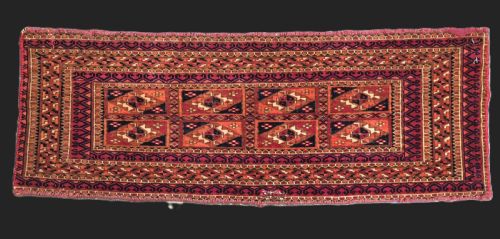
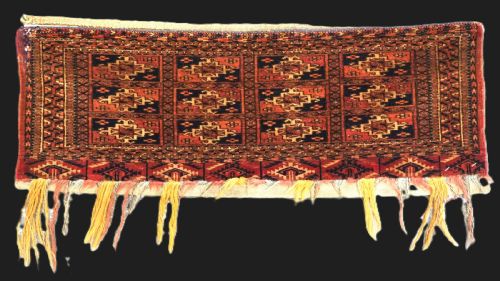
A tekke rug originates from nomadic and tribal traditions in Central Asia, taking form as main carpets, smaller floor rugs, and functional tent bags known as torbas and chuvals. These textiles date from the nineteenth and early twentieth centuries, spanning periods from the eighteen-fifties through to nineteen-twenty.
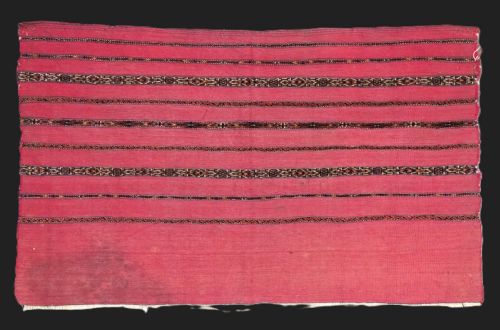
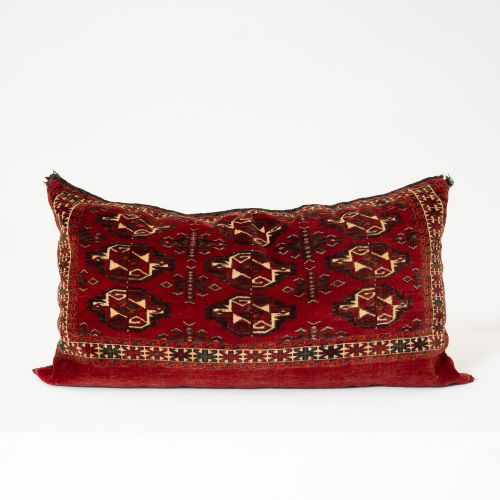
Buyers most frequently encounter smaller formats such as torba faces and chuval cushions alongside larger main carpets. Many survivals retain original plain weave backs, hanging loops, or detailed elem panels at the lower ends.
The aesthetic centres on disciplined repetition, traditional gul motifs, and structured border systems executed by weavers working within Turkmen tribal disciplines.
Materials and construction
The construction involves dense knotting executed on horizontal or vertical looms, producing durable surfaces designed for rigorous nomadic use inside felt tents. Many examples display exceptionally fine weave counts that allow crisp execution of intricate geometric forms.
Tekke Rug Retail Price Guide 2026
Typical asking prices for tekke rug among the pieces listed under this phrase on Sellingantiques today, from the lower quarter to the upper quarter. They describe what is for sale here now, not the wider market.
Listings span the nineteenth and early twentieth centuries, featuring wool, cotton, silk, and natural dyes across tribal rug and textile forms.
Factors of quality
Quality rests upon the fineness of the knotting and the precision of the drawing within the primary and secondary guls. Superior examples exhibit tightly packed foundations and well-proportioned motifs that maintain rhythmic clarity across the field.
The vibrancy and saturation of the natural dyes significantly influence the visual impact, alongside the completeness of original borders and protective backings.
The Tekke Rug Glossary
- Gul
- The primary octagonal medallion repeated across Turkmen carpets and tent bags. Each tribal group utilised distinct variations of this motif.
- Torba
- A small storage bag used inside nomadic tents, typically wider than it is tall. These pieces often feature carefully resolved bottom elem panels.
- Chuval
- A large storage bag utilised for bedding and household possessions within the yurt. Surviving faces frequently display multiple rows of guls.
- Engsi
- A specialised tribal rug hung over the interior doorway of a yurt. These feature a characteristic quartered design scheme.
- Elem
- The decorative band of weaving situated at the lower end of a rug or bag face below the main field.
Tekke Rug: Frequently Asked Questions
How were these rugs used in nomadic tents?
Nomadic weavers produced these textiles primarily as functional furnishings for yurt interiors, utilising large carpets for flooring and specialised bags for storing household goods.
Smaller pieces functioned as bedding sacks, door hangings, or personal dowry items created for family weddings.
What does gul mean in tribal rugs?
The gul is an octagonal rosette pattern that serves as the central design building block for Turkmen tribal weaving.
Different tribes arranged specific gul variations to signal lineage, cultural identity, and traditional design heritage.
How do I care for an antique wool rug?
Protect the textile by placing it in areas shielded from direct sunlight to preserve the natural dye colours over time.
Vacuum gently using suction without a rotating brush roll, and consult a specialist in antique textiles for professional cleaning.
Are these pieces from the nineteenth century?
Many surviving examples date from the nineteenth century, ranging from the eighteen-fifties through the eighteen-nineties.
Weavers continued producing traditional tribal designs into the early twentieth century using comparable natural materials and techniques.