


Victorian Earthenware Urn
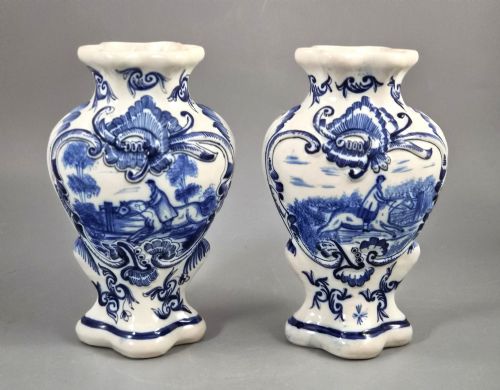
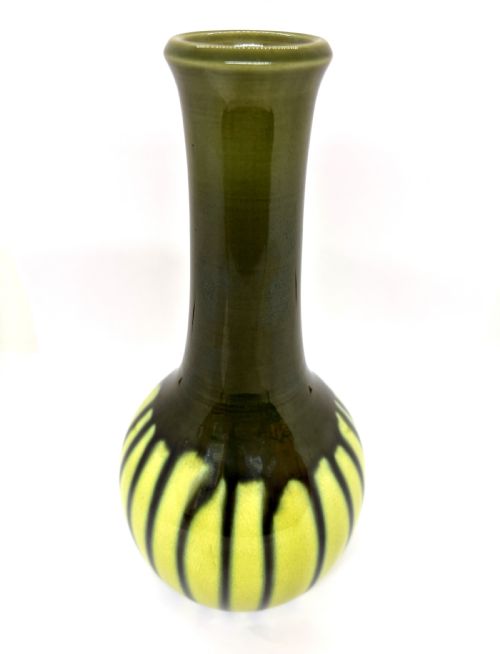
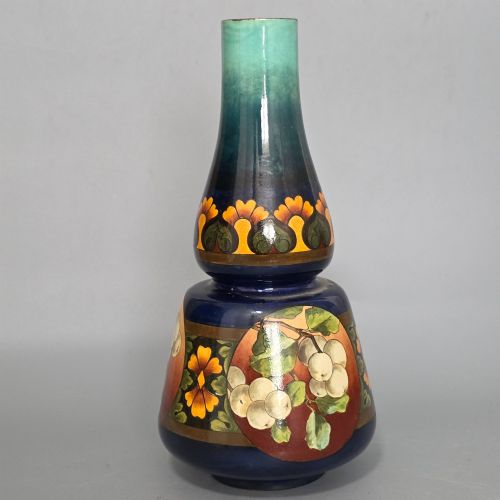
A victorian earthenware urn brings sculptural presence and rich glaze effects into a room, offering nineteenth-century ceramic artistry for the collector.
Victorian Earthenware Urn
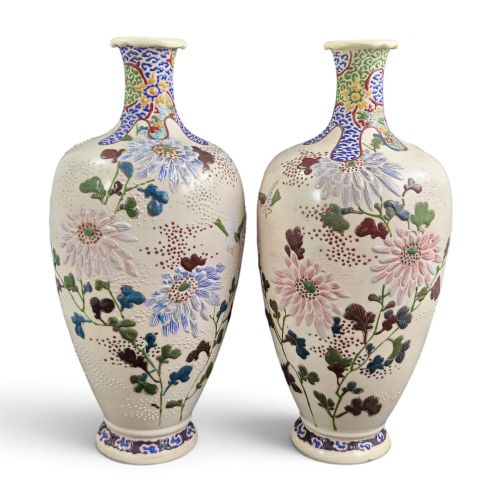
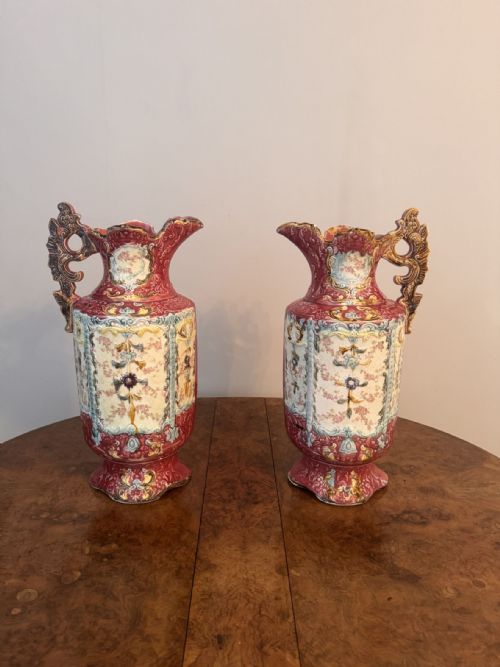
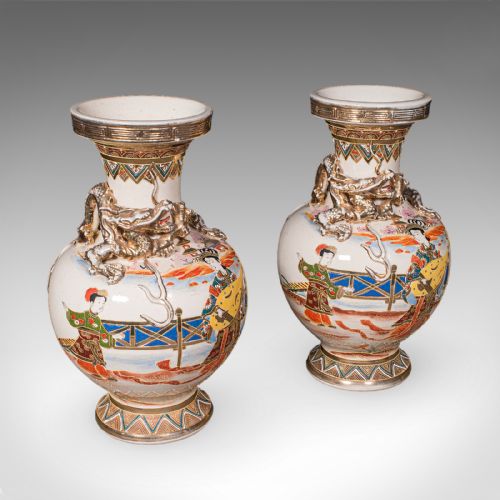
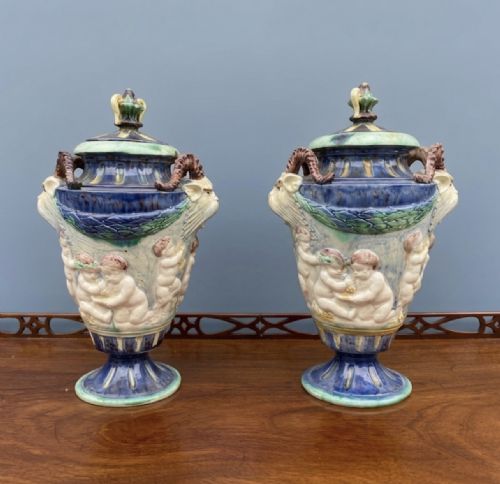
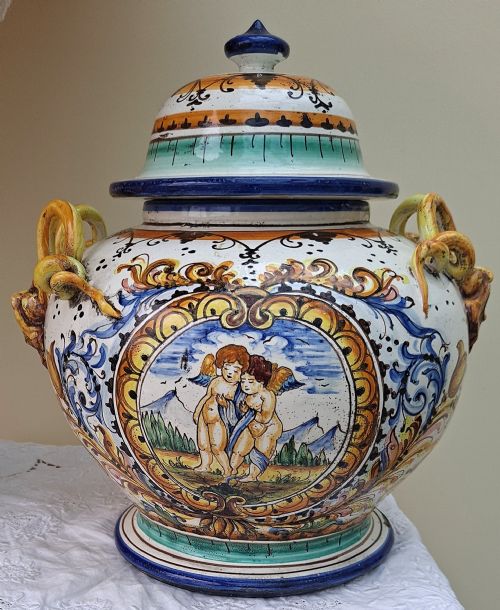
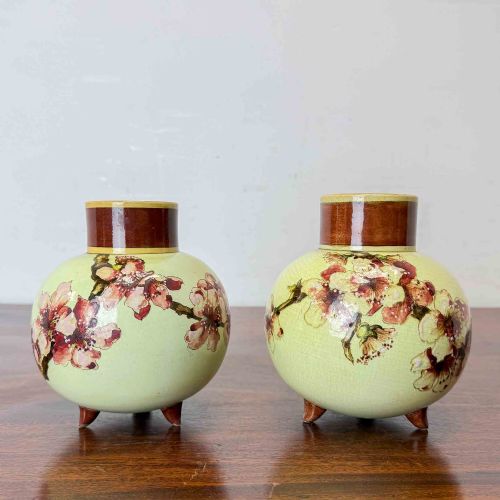
When you search for a victorian earthenware urn, you are looking at nineteenth-century ceramic vessels designed for display, including decorative urns, majolica vases, jardinieres, and ewers. These pieces originate from English potteries, continental workshops, and Japanese kilns created during the period.
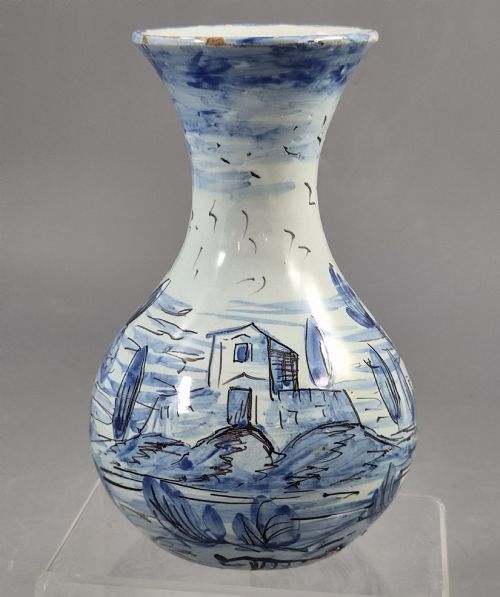
The version you are most likely to meet on this page is a nineteenth-century earthenware, terracotta, or faience vessel featuring glazed surfaces, enamel decoration, or painted maiolica styles. They span aesthetic movements such as Renaissance Revival, Arts and Crafts, and Victorian Naturalism.
Materials and construction
Potters shaped these vessels using earthenware, stoneware, and terracotta bodies, often finished with heavy tin or coloured glazes. Workshops applied enamel and occasionally gold leaf to highlight modelled surface details.
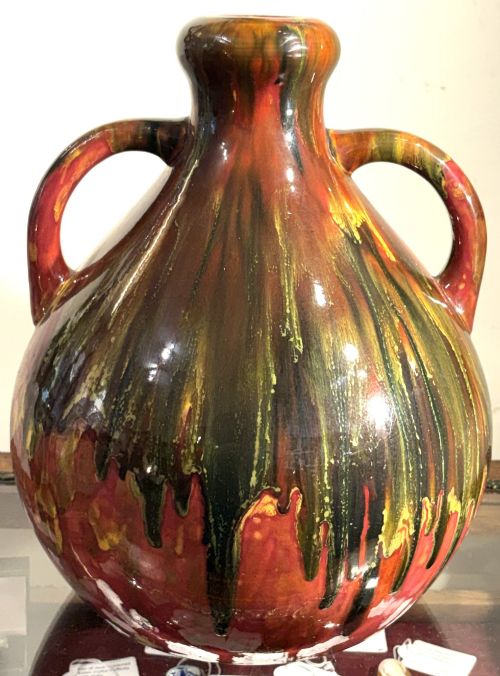
Techniques ranged from thrown or moulded ceramic bodies decorated with hand-painted maiolica and faience designs to lustre glazes fired at high temperatures. Many pieces combined ceramic bodies with applied handles, brass fittings, or figural supports.
One exceptional jardiniere comes complete with a ceramic griffin stand keeping watch over the plant.
Judging quality in nineteenth-century ceramics
Quality rests upon the crispness of the moulding, the ambition of the form, and the depth of the glaze palette. Pieces featuring elaborate hand-painted decoration, figural elements, or complex twin handles demonstrate superior workshop skill.
The distinction between standard production wares and exceptional exhibition pieces lies in the control of the firing process and the execution of surface detail, whether in a majolica finish or a lustrous earthenware surface.
Burmantofts·Cantagalli·Fourmaintraux Courquin·Doulton Lambeth·Clement Massier·Minton·Julius Dressler·Brannam Art Pottery
The Victorian Earthenware Urn Glossary
- Majolica
- Opaque tin-glazed earthenware decorated with coloured metal oxides on a white ground. This technique produced vivid polychrome finishes popular across nineteenth-century European potteries.
- Faience
- European tin-glazed earthenware similar to majolica. It describes glazed pottery produced in France, England, and Germany during the nineteenth century.
- Jardiniere
- A large ornamental pot or stand designed to hold growing plants or floral arrangements. These vessels often match specific pedestals or incorporate naturalistic motifs.
- Ewers
- Large jugs featuring a wide spout and a substantial handle, originally intended for pouring water but frequently made as purely decorative display pieces.
- Lustre glaze
- A metallic film applied to pottery to create an iridescent sheen upon firing. Clement Massier utilised this technique for iridescent earthenware finishes.
Victorian Earthenware Urn: Frequently Asked Questions
What is a victorian earthenware urn?
A victorian earthenware urn is a nineteenth-century decorative ceramic vessel shaped for interior display. These objects encompass majolica urns, faience vases, and ornamental planters.
Porteries across Britain, continental Europe, and Japan produced these pieces using moulded or thrown earthenware bodies finished with coloured glazes and hand-painted details.
How were these urns used?
Nineteenth-century households placed these vessels on tables, pedestals, and mantelpieces purely for decorative effect. Some forms, such as jardinieres and ewers, also held plants or floral arrangements.
Larger monumental urns served as architectural focal points within grand Victorian interiors and conservatories.
How do I style an earthenware urn?
These vessels suit prominent placement on sideboards, pedestals, or large tables where their sculptural form and coloured glazes can be appreciated. They require stable surfaces away from heavy traffic due to their ceramic construction.
Pairing them with period furniture or neutral backgrounds allows the rich enamel and maiolica surface decoration to stand out.
How do I tell periods apart?
Dating relies on stylistic clues such as the transition from mid-century Renaissance Revival motifs to later Arts and Crafts, Aesthetic Movement, or Art Nouveau designs. Glaze types and registration marks also help anchor pieces within the nineteenth century.
Early pieces often feature heavy classical moulding, while items from the end of the century display iridescent lustre glazes and naturalistic forms.