





Majolica Earthenware Vase
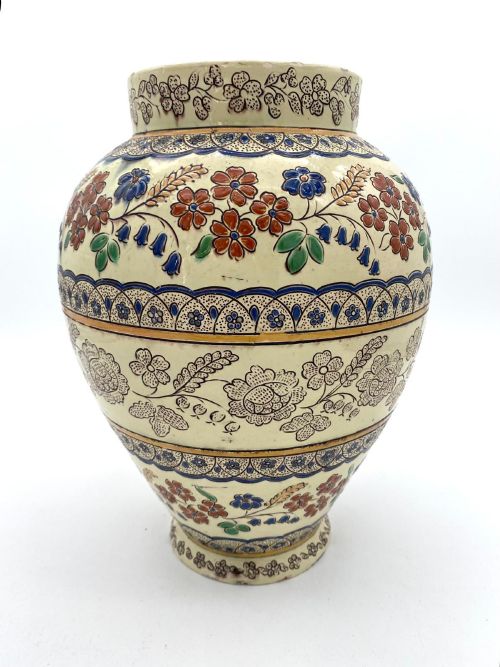
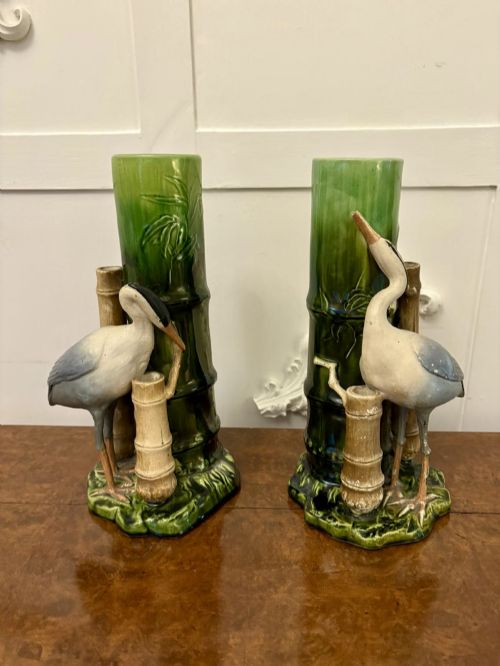
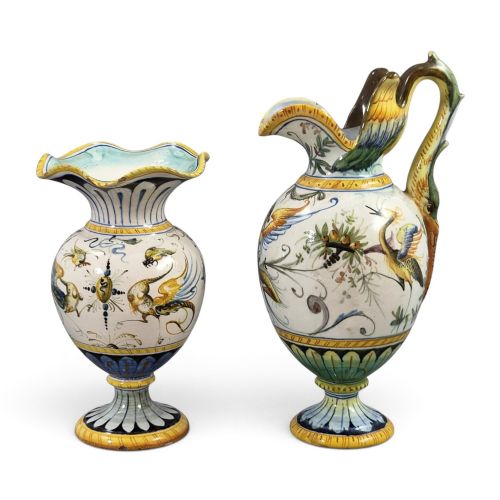
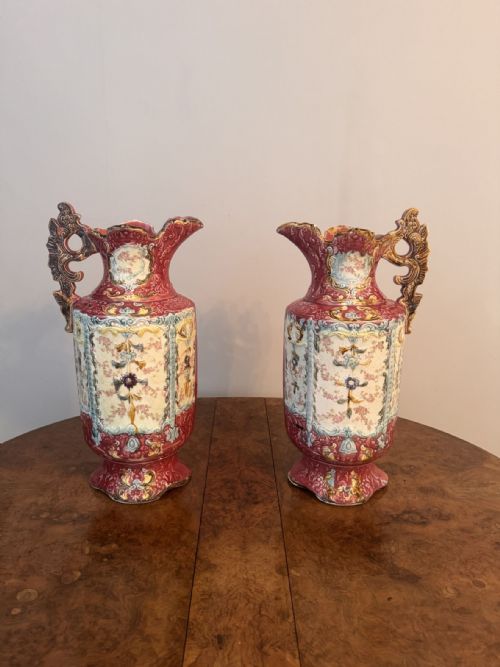
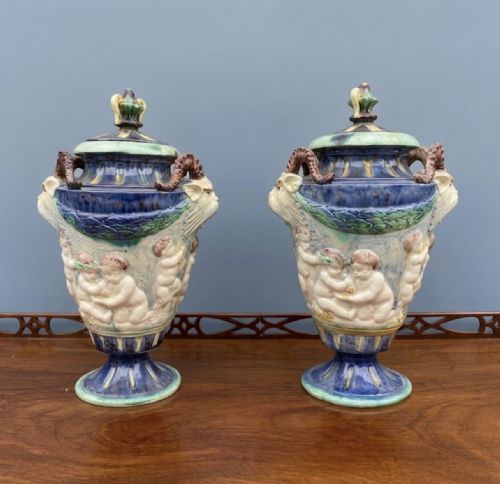
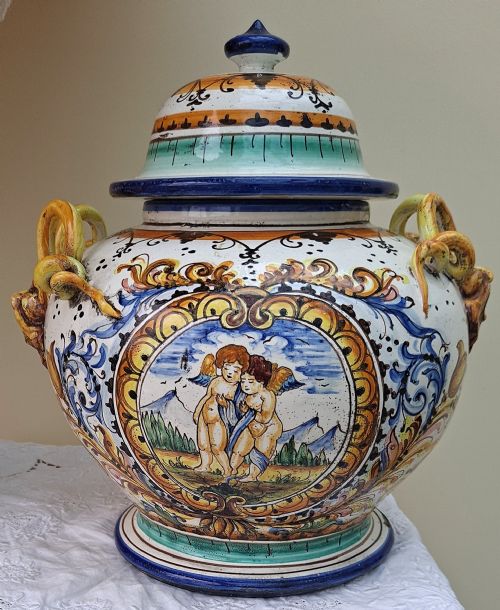
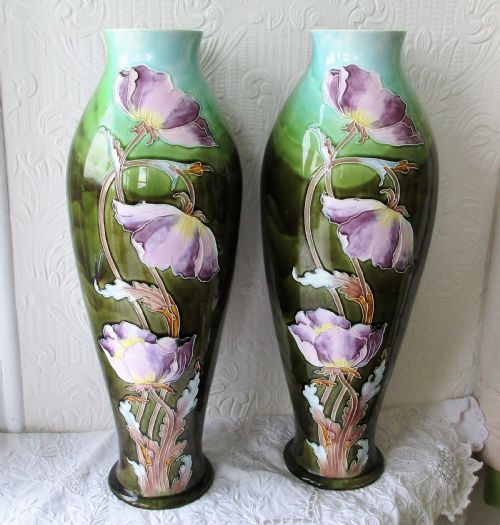
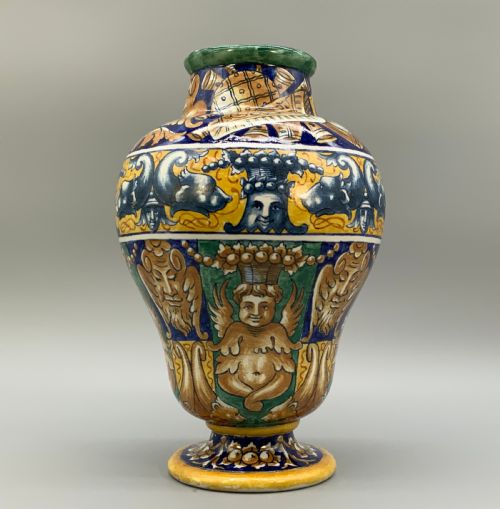
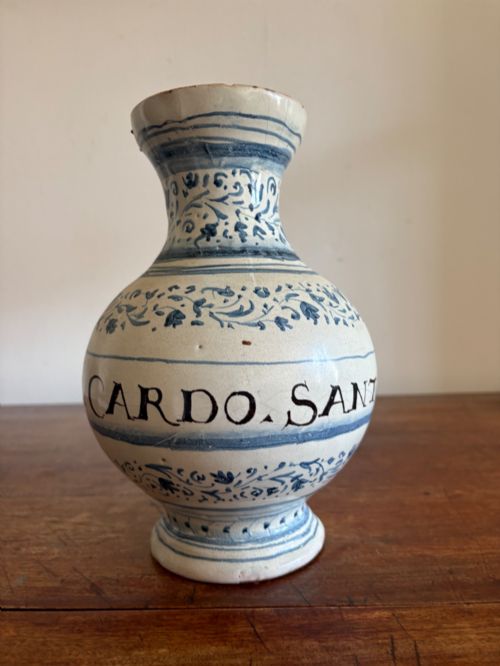
A majolica earthenware vase brings colourful tin-glazed pottery into a room, shaped as revival vessels, pilgrim flasks and apothecary jars.
Majolica Earthenware Vase
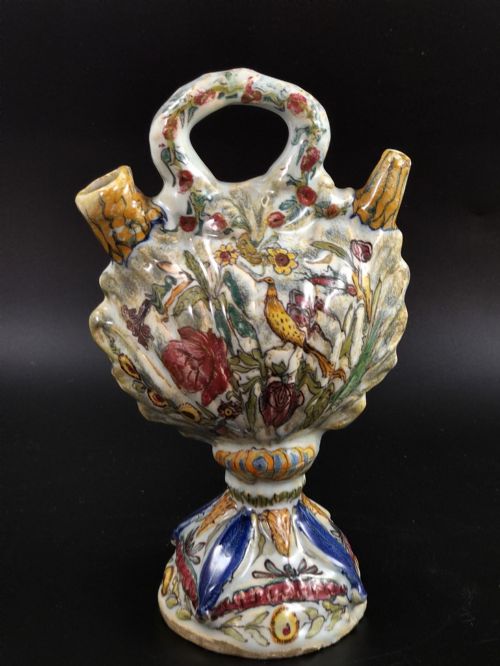
A majolica earthenware vase embodies centuries of European pottery traditions, stretching from eighteenth-century Italian pieces to Victorian revivals. Collectors encounter numerous forms on this page, including lidded vases, ewers, apothecary jars and pilgrim flasks.
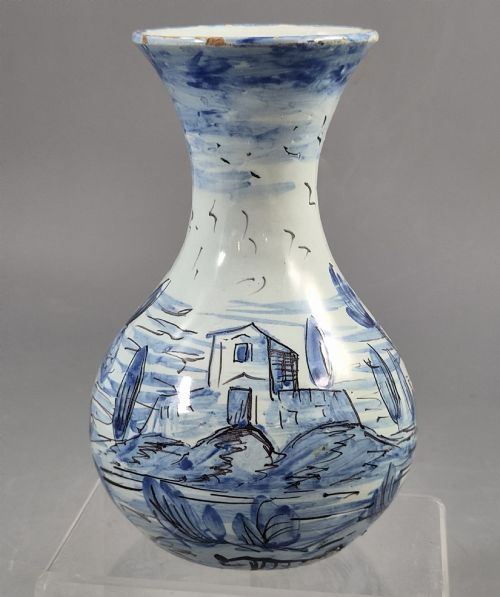
Italian workshops dominate the early styles, alongside French faience and British art pottery. Pieces span Renaissance Revival, Italian Baroque, and Aesthetic Movement designs, offering everything from blue and white albarellos to polychrome urns.
Materials and construction
Potters shaped these vessels from earthenware and terracotta before applying tin glaze to create a smooth surface for painting. Tin-glazed earthenware provided the ideal opaque white ground for intricate blue and white or polychrome decoration.
Firing techniques allowed oxides to fuse with the glaze, producing rich cobalt blues, greens and manganese purples. Artisans built monumental vases, urns and delicate cabinet pieces using these traditional ceramic methods.
Majolica Earthenware Vase Retail Price Guide 2026
Typical asking prices for majolica earthenware vase among the pieces listed under this phrase on Sellingantiques today, from the lower quarter to the upper quarter. They describe what is for sale here now, not the wider market.
Renaissance Revival makers borrowed so heavily from the past that even Bacchus appears on nineteenth-century ceramic vases.
Judging quality in tin-glazed ceramics
Quality rests upon the crispness of the painted detail and the depth of the tin glaze. Fine examples display confident brushwork in polychrome or blue and white, whether following Renaissance models or nineteenth-century revival styles.
The ambition of the form distinguishes standard vessels from exceptional works. Monumental sizes, complex handles on ewers, and careful modelling on lidded urns elevate certain pieces above basic utility wares.
Ulisse Cantagalli·Minton·Gien·Bretby·Albert Carrier
The Majolica Earthenware Vase Glossary
- Maiolica
- Tin-glazed earthenware produced in Italy, often decorated with historical or mythological scenes in bright colours. It forms a cornerstone of continental ceramic traditions.
- Faience
- French or European tin-glazed pottery similar in technique to majolica. The term covers various earthenware vessels from French and continental workshops.
- Albarello
- A cylindrical apothecary jar used for storing drugs and spices in pharmacies. These vessels often feature waisted bodies for ease of handling.
- Pilgrim flask
- A flat-sided vessel with lug handles, modelled on containers used by travellers. Eighteenth-century Italian examples often take scallop-shell forms.
- Ewer
- A large jug with a wide spout and handle, designed for pouring water. In decorative ceramics, these serve as ornamental centrepieces rather than tableware.
Majolica Earthenware Vase: Frequently Asked Questions
How do I date an old majolica vase?
Dating relies on stylistic clues, glaze characteristics, and factory marks beneath the base. Revival pieces from the nineteenth century often imitate earlier Renaissance or seventeenth-century models.
Examining the footrim and tin glaze helps distinguish eighteenth-century Italian examples from later Victorian reproductions. Certain potteries utilised specific blue and white palettes that evolved over decades.
What is the difference between majolica and faience?
Majolica traditionally refers to tin-glazed earthenware made in Italy, while faience describes similar tin-glazed ceramics originating in France. Both share the technique of applying an opaque white glaze over an earthenware body before painting.
Regional preferences in pigment choice and decorative motifs separate the two traditions. French faience often reflects local aesthetic movements, whereas Italian majolica leans towards Renaissance Revival styles.
Were apothecary jars used for medicine?
Albarellos and drug jars originally held herbs, ointments, and syrups in historical apothecary shops. Their cylindrical shapes allowed pharmacists to store them neatly on shelves.
Over time, these utilitarian pharmacy containers became prized decorative objects for collectors. Their painted labels and blue and white designs make them distinct display pieces.
How should I display a large ceramic urn?
Large urns and monumental vases require sturdy placement on stable furniture or dedicated pedestals. Their weight demands careful positioning away from busy walkways.
Natural light enhances the polychrome glazes and hand-painted details without risking heat damage from direct sunlight. Pairing them with complementary planters creates a balanced interior arrangement.