
Antique Floral Ceramic Jar
An antique floral ceramic jar brings hand-painted botanicals and centuries of kilncraft straight into a modern interior.
Antique Floral Ceramic Jar
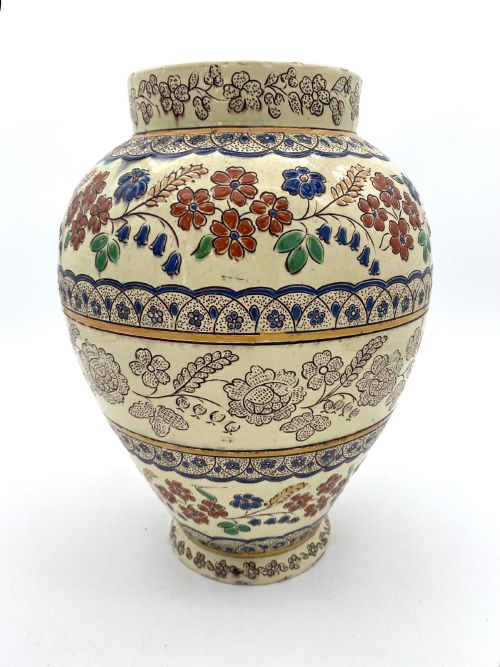
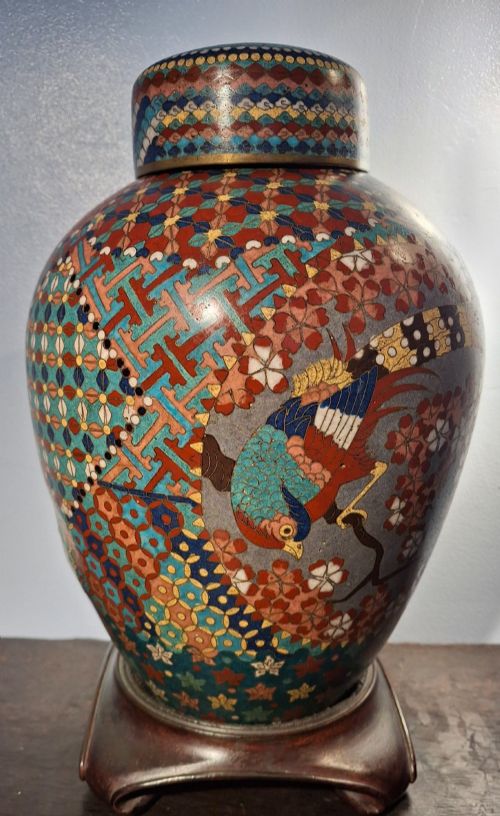
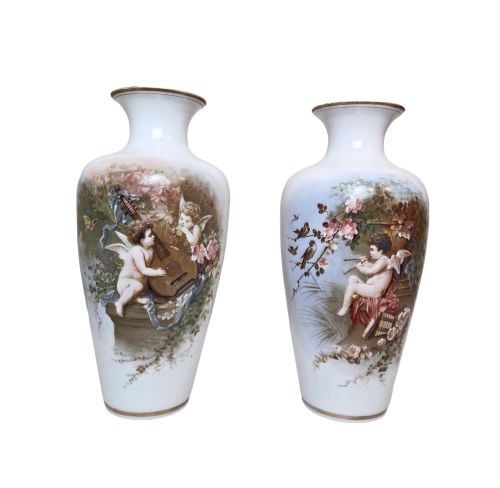
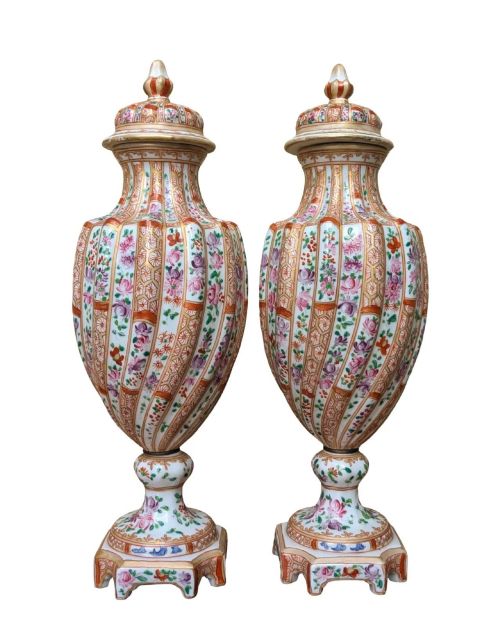
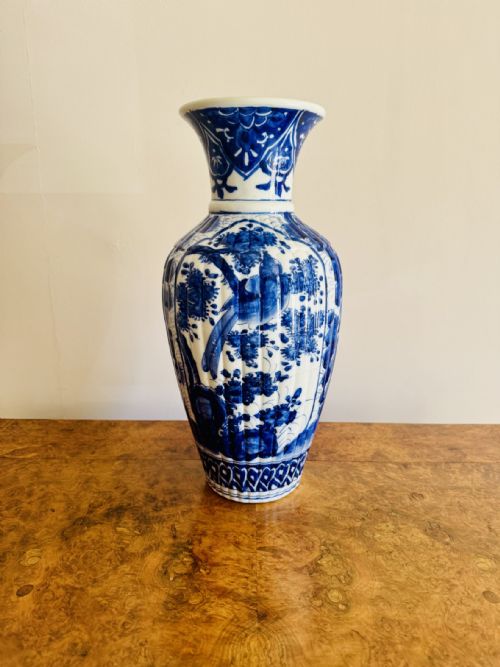
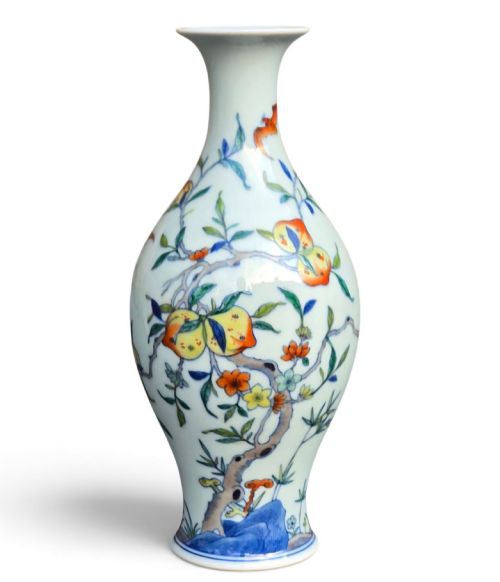
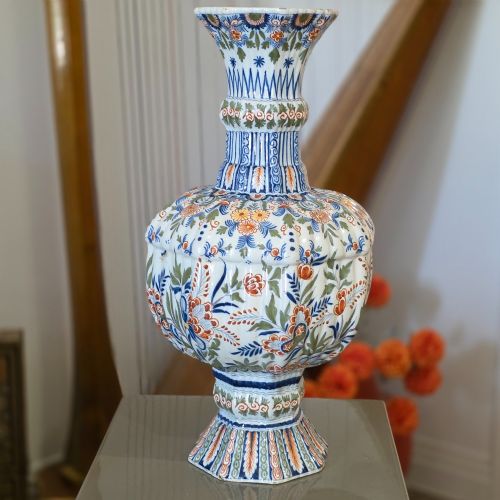
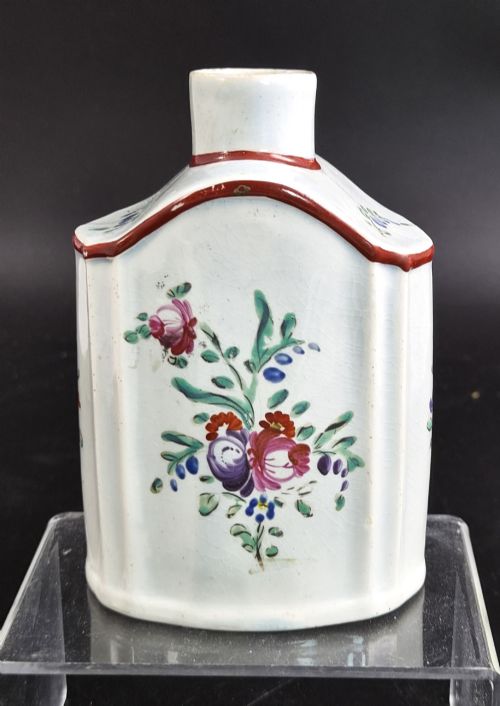
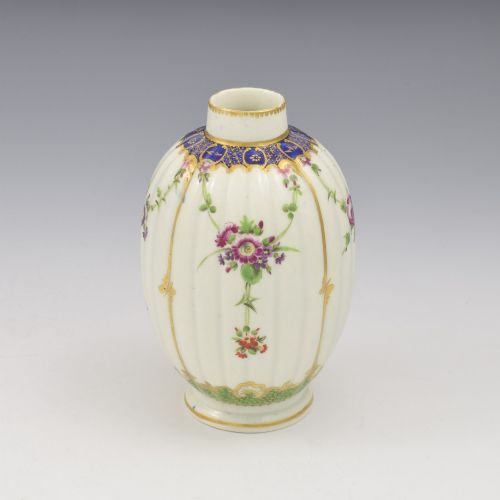
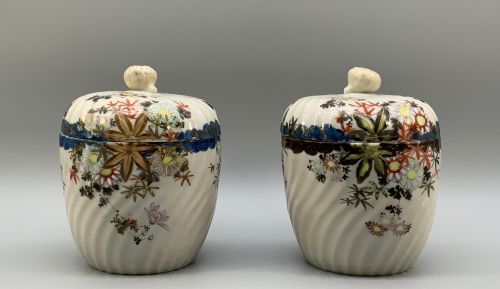
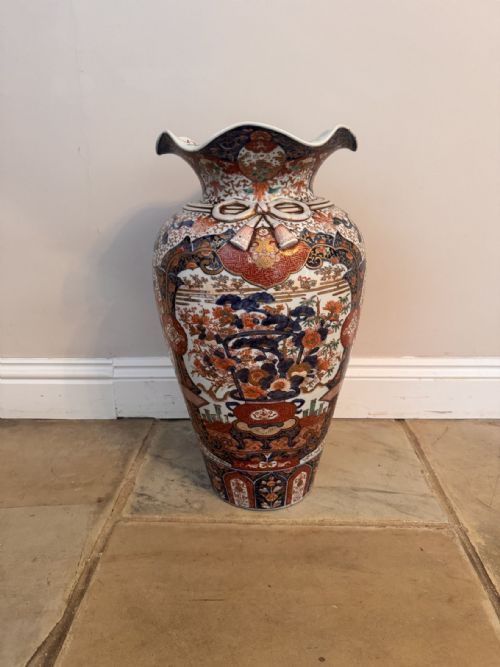
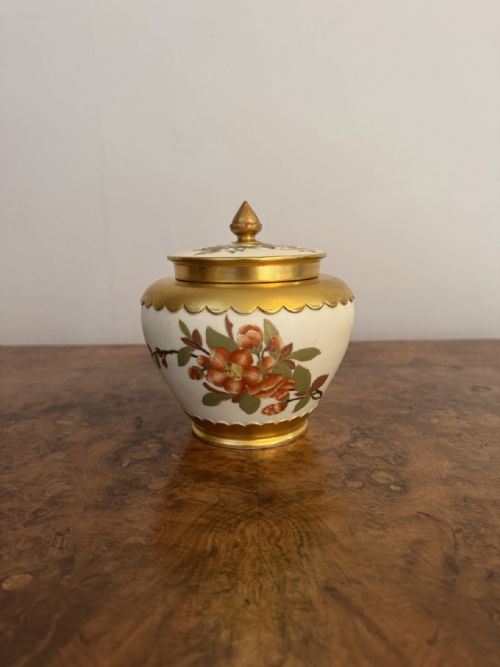
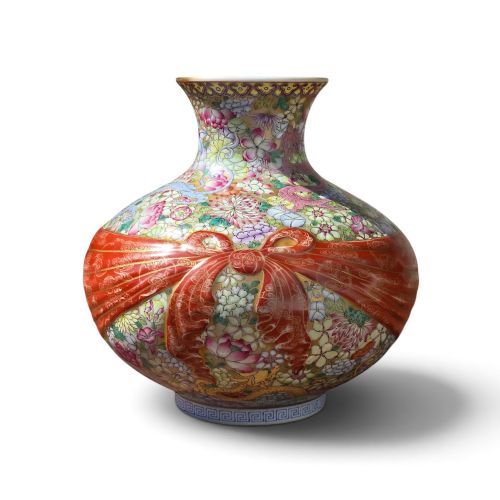
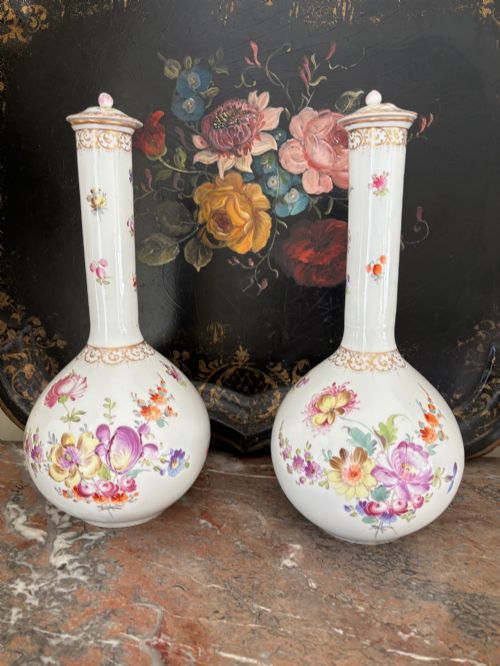
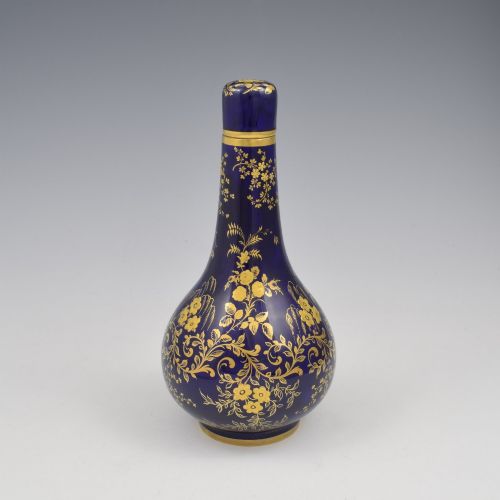
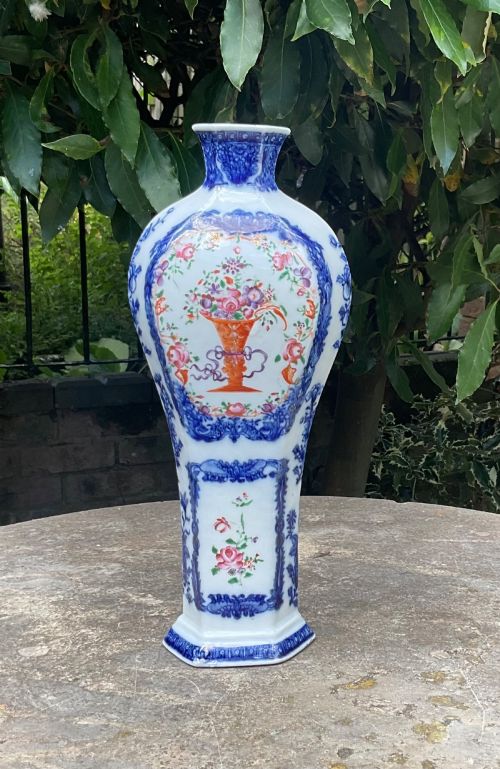
When searching for an antique floral ceramic jar, buyers encounter a diverse range of lidded vessels, ginger jars, biscuit barrels, and potpourri pots originating from British, European, and Asian kilns. These pieces span the eighteenth, nineteenth, and early twentieth centuries, reflecting shifting tastes from classical cobalt painting to densely patterned Japanese Imari and Chinese famille rose designs.
The most common versions on this page are nineteenth-century lidded pots and ginger jars, often featuring hand-painted floral motifs executed in cobalt blue, polychrome enamels, or transfer-printed flow blue. Forms vary from bulbous baluster shapes to double gourd silhouettes and traditional ginger jars fitted with matching ceramic covers.
Makers represented in the inventory include prominent English potteries like Royal Worcester, Doulton, and Derby alongside continental porcelain houses such as Sitzendorf, Dresden, and Limoges. Japanese Arita workshops and Chinese export kilns also contribute heavily to the selection, providing distinct regional interpretations of floral ornament.
Materials and manufacture
Potters utilised fine porcelain, earthenware, and faience as the primary bodies for these vessels, shaping them either by wheel-throwing or moulding before applying detailed ceramic glazes. Many English and European pieces incorporate hand-painted enamel colours and gold leaf gilding, whilst others rely on underglaze blue painting techniques.
Fittings and mounts frequently include silver plate and brass, particularly on biscuit barrels and lidded jars intended for domestic service. Specialised techniques such as intarsio faience, transfer printing, and millefleurs decoration demonstrate the technical breadth achieved by late nineteenth-century ceramicists.
The listings span from the eighteenth century through the Edwardian era, featuring porcelain, earthenware, and silver-plated brass fittings.
Distinguishing quality across periods
Superior examples display crispness in the hand-painted floral brushwork and precision in the glazing, whereas lesser pieces show rushed application or muddy enamel blending. The delicacy of the ceramic body and the crisp definition of moulded relief details separate standard production items from master-pottery output.
Completeness and original matching covers heavily influence the standing of a jar, as replacement lids or missing silver-plated fittings alter the integrity of the piece. The prestige of the kiln or factory, from Worcester porcelain to Arita export wares, dictates the finer tiers of craftsmanship.
Royal Worcester·Doulton Lambeth·Sitzendorf·Crown Devon·Kinkozan·Samuel Alcock·Dresden Porcelain·Limoges·Losol·Booths
The Antique Floral Ceramic Jar Glossary
- Ginger jar
- A high-shouldered ceramic vessel with a narrow mouth, originally designed for storing spices but widely adopted for decorative floral schemes. These pieces usually feature domed ceramic covers.
- Imari
- A traditional Japanese style of porcelain decoration characterised by a palette of underglaze blue, iron red, and gold leaf highlights. The style originated in Arita and heavily influenced European porcelain houses.
- Biscuit barrel
- A covered ceramic container utilised in nineteenth-century dining rooms to store dry biscuits, frequently fitted with a silver-plated rim, swing handle, and lid. English potteries produced numerous variations in earthenware and porcelain.
- Baluster
- A vertical architectural form featuring a rounded lower body tapering toward a narrower neck, commonly utilised for tall vases and lidded jars.
- Famille rose
- A major palette of Chinese ceramic glazes introduced in the eighteenth century, dominated by opaque pink or rose enamel colours derived from colloidal gold.
Antique Floral Ceramic Jar: Frequently Asked Questions
What were antique ceramic jars used for?
These lidded vessels served varied domestic functions, from storing spices and ginger to holding dry biscuits or aromatic potpourri blends in formal parlours.
Over time, many functional jars transitioned into purely decorative display pieces placed on mantelpieces, pedestals, or within grand garniture sets.
How do I style a ceramic jar at home?
A large lidded ginger jar or Imari vase works effectively as a standalone focal point on a sideboard or table, drawing the eye through colour and pattern.
Smaller lidded pots and biscuit barrels suit bookshelf displays or occasional tables, pairing well with natural wood surfaces and traditional interiors.
How can I tell Japanese Imari from Chinese export porcelain?
Japanese Imari typically employs a dense combination of underglaze blue, burnt iron red, and heavy gold leaf on a slightly greyer porcelain body with radiating floral panels.
Chinese export pieces, such as famille rose wares, often display softer pink enamel tones, delicate ribbon motifs, and intricate botanical arrangements without the characteristic Imari panel divisions.
What is the difference between earthenware and porcelain jars?
Porcelain is fired at extremely high temperatures, resulting in a vitreous, non-porous white body that often rings when struck and allows for fine, translucent walls.
Earthenware is fired at lower temperatures, producing a more porous, opaque ceramic body that requires an impermeable glaze seal to hold contents safely.