
Victorian Dog Figurine
A victorian dog figurine captures the domestic and sporting loyalties of the nineteenth century in ceramic, bronze, and terracotta.
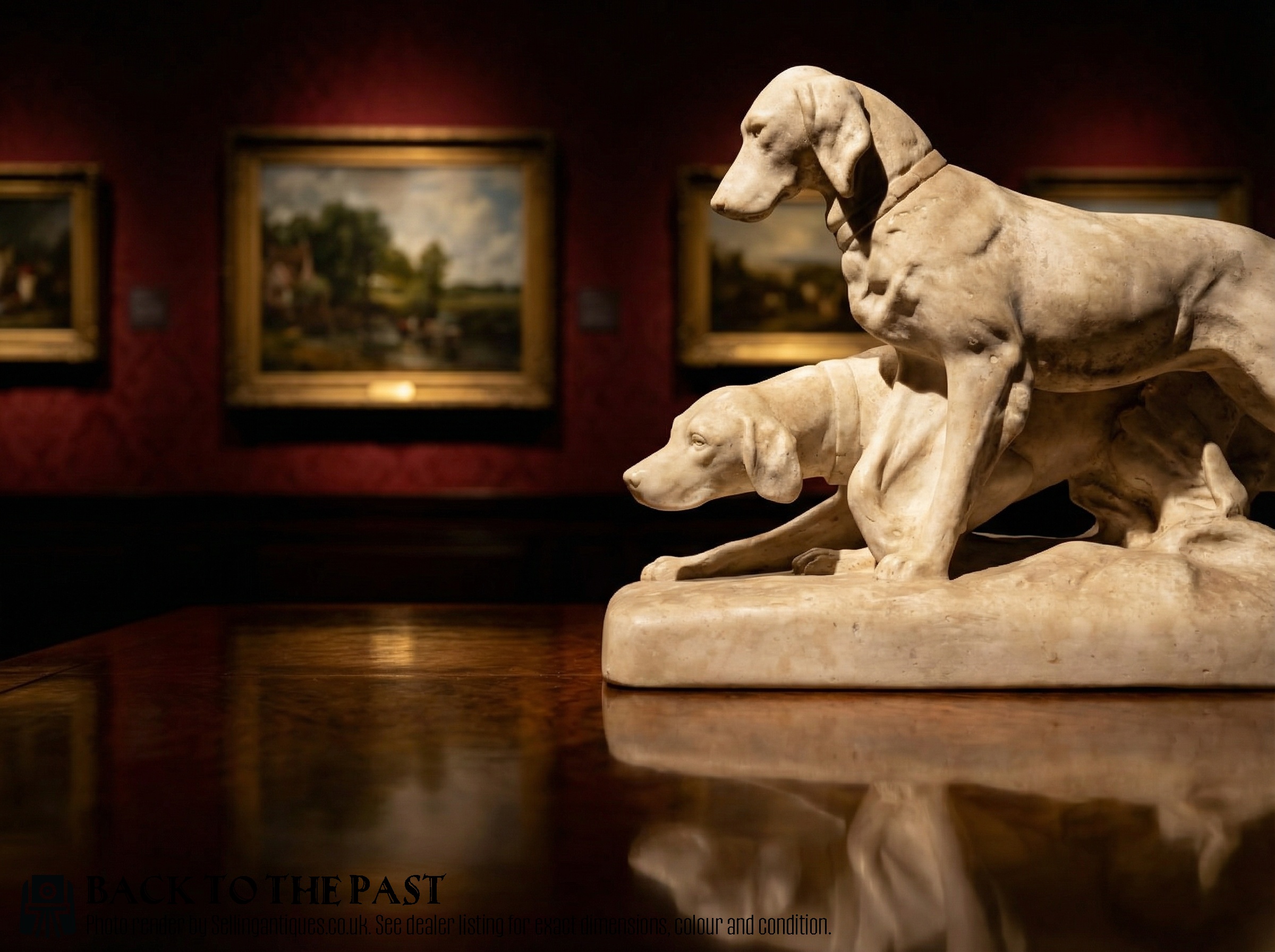
Victorian Dog Figurine
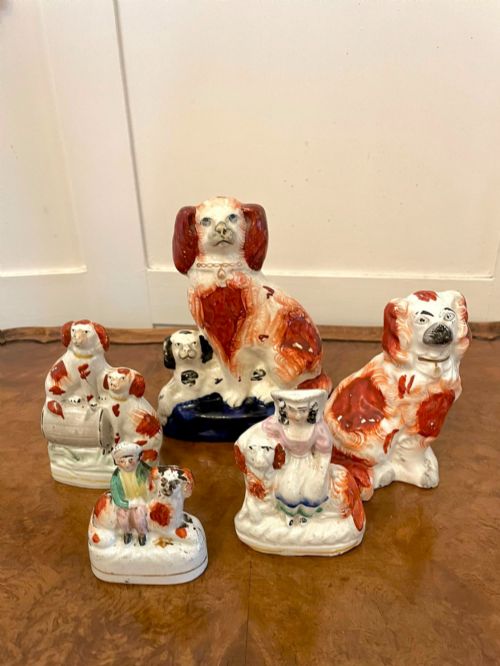
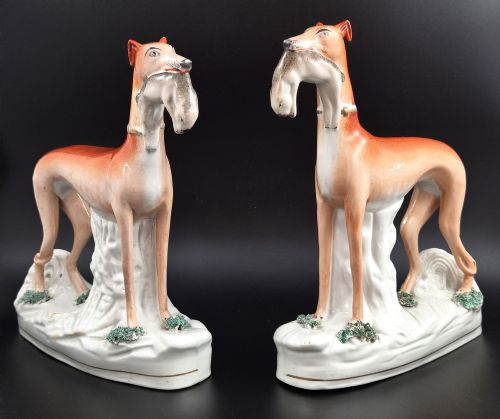
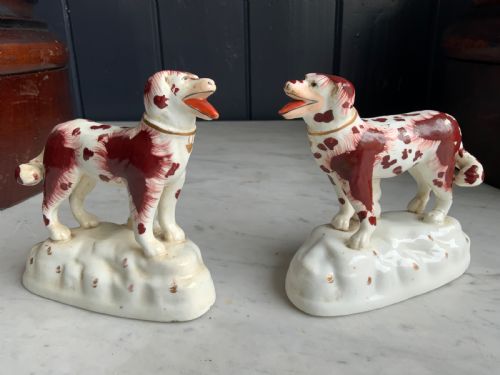
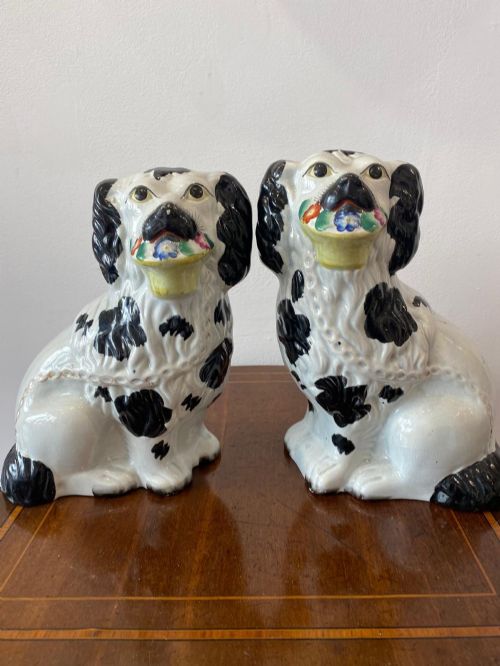
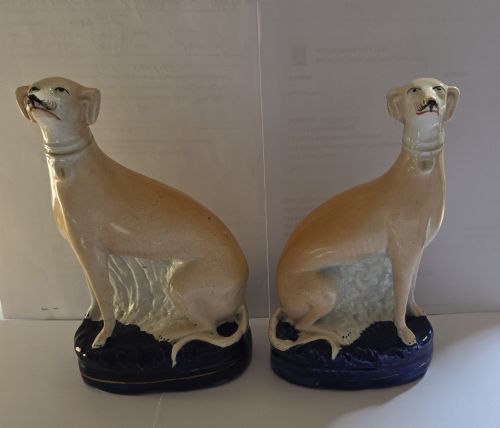
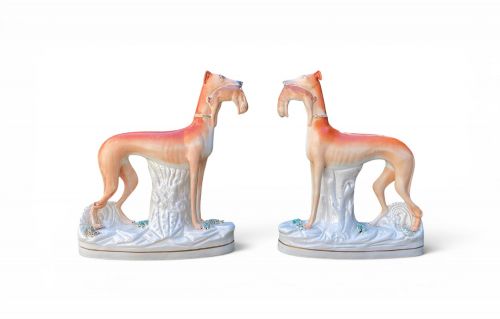
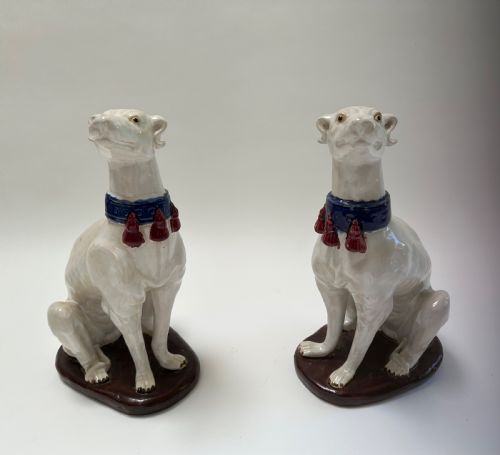
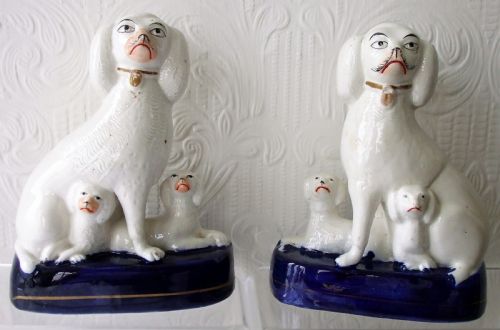
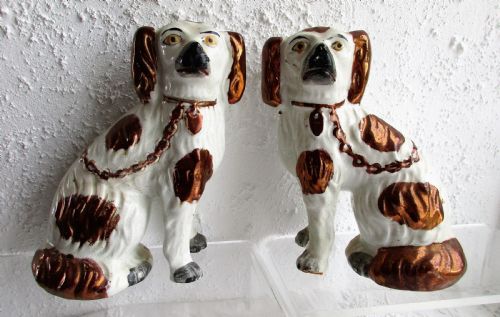
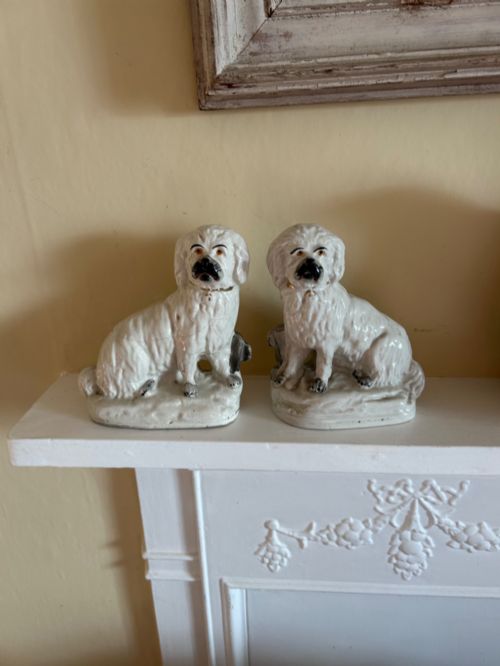
A victorian dog figurine typically takes the form of Staffordshire pottery spaniels, greyhounds, poodles, and pugs intended for mantelpiece display. These earthenware figures appear frequently as matched pairs, often decorated with enamel detailing and gold leaf accents.
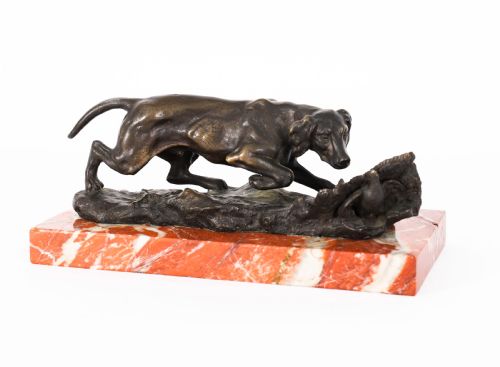
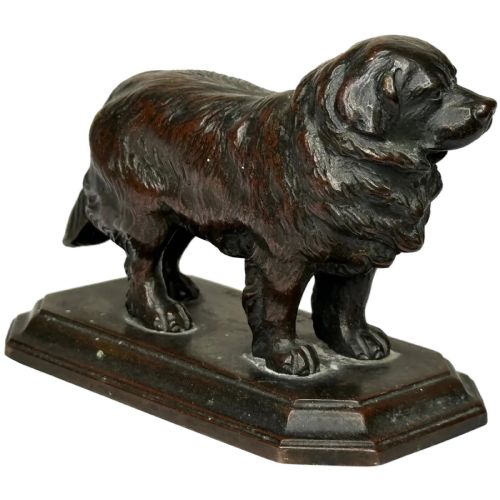
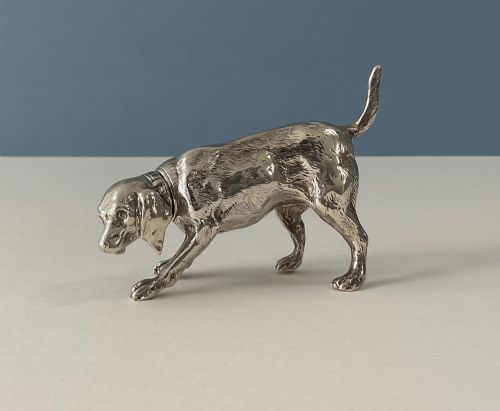
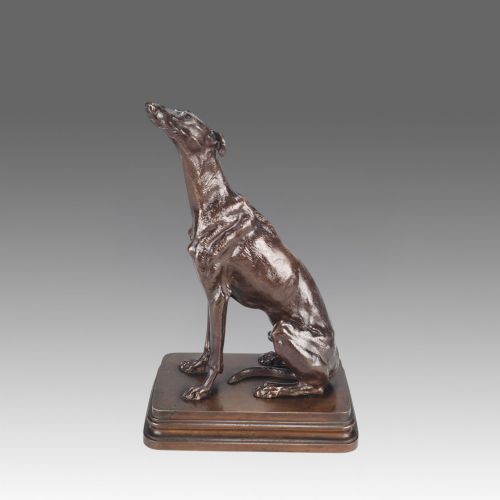
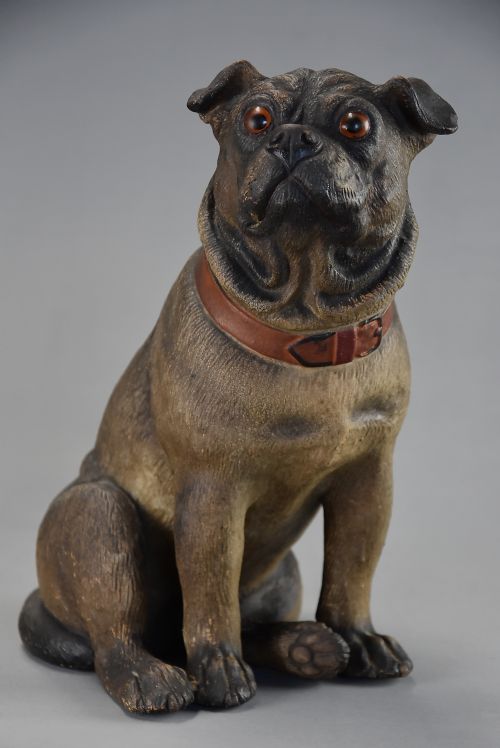
Beyond earthenware pottery, the category encompasses French and Austrian animalier bronzes, terracotta pugs, and carved alabaster sculptures. Collectors encounter diverse breeds ranging from Newfoundlands and setters to maltese terriers and whippets across various nineteenth century periods.
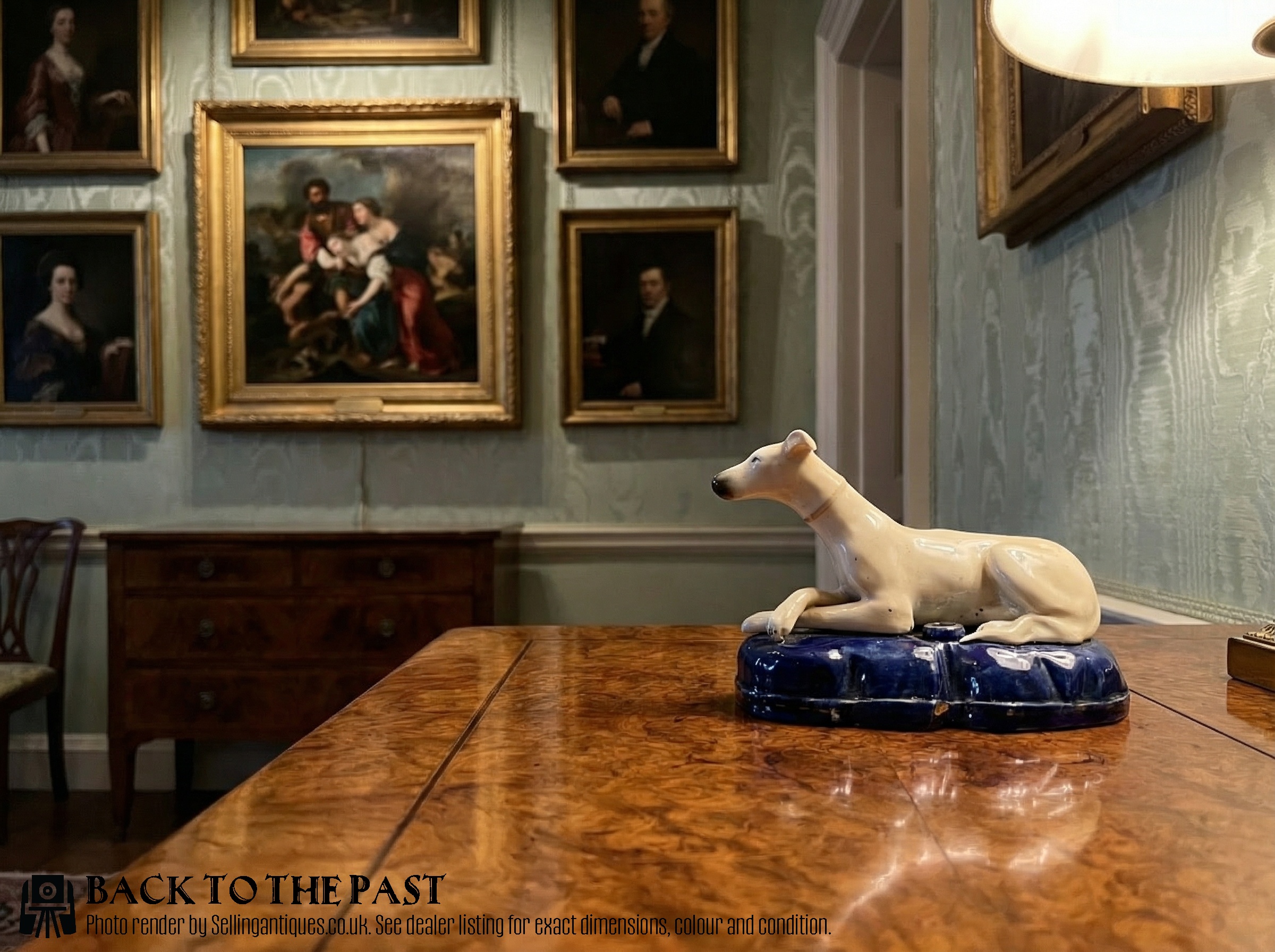
Materials and Technique
Pottery examples utilise earthenware or porcelain clay bodies shaped in moulds before receiving hand-painted enamel colours and glaze. Metal sculptures employ the lost-wax casting method in bronze, capturing fine muscular detail and fur texture before patination.
Terracotta and alabaster pieces rely on direct carving or moulding followed by surface finishing. Artisans applied gold leaf highlights and careful hand-painting to earthenware figures to emulate real animal coats and collars.
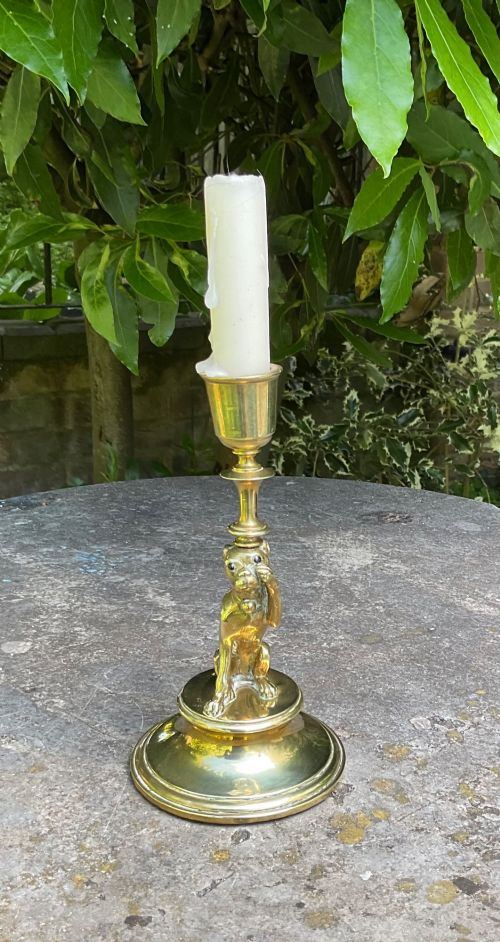
Listings feature earthenware, porcelain, bronze, terracotta, and glass materials across Victorian and Edwardian periods.
Evaluating Craftsmanship
Quality depends upon the crispness of the moulding and the control of the hand-painted enamel decoration. Superior pottery examples display distinct facial expressions and neat brushwork rather than hasty, blurred glaze application.
Bronze and terracotta sculptures separate themselves through anatomical precision and the depth of the casting. Finer works retain sharp surface chasing and sophisticated patination that articulate the posture and breed characteristics.
Carl Kauba·Alfred Dubucand·Jules Moigniez·Prosper Lecourtier·Ernst Wahliss
The Victorian Dog Figurine Glossary
- Animalier
- A nineteenth century artistic movement focused on the realistic portrayal of animals. Sculptors in this style studied live subjects closely at menageries.
- Staffordshire
- Pottery manufactured in the region of Stoke-on-Trent, famous for earthenware chimney spaniels. These figures formed staples of middle-class Victorian domestic decoration.
- Parian
- A fine white porcelain resembling carved marble, developed in the nineteenth century. Manufacturers utilised this material for classical busts and sculptural figures.
- Patina
- The surface sheen and colour developed on bronze through age and chemical treatment. A good bronze patina shows subtle tonal variations.
- Majolica
- A type of earthenware coated with an opaque tin-glaze and painted with metallic oxide colours. Italian potteries produced notable decorative figures using this technique.
Victorian Dog Figurine: Frequently Asked Questions
What are Staffordshire dogs?
Staffordshire dogs are ceramic figures made in English potteries during the nineteenth century, commonly designed to sit on mantelpieces in pairs. They depict breeds like spaniels, greyhounds, and poodles with hand-painted markings.
These ceramic figures served as decorative ornaments in Victorian homes rather than functional items. Collectors often arrange them facing inward toward each other on either side of a fireplace.
How do I date a Victorian dog figure?
Dating relies on examining the clay body, glaze characteristics, and the style of the painting or casting. Earlier nineteenth-century pottery pieces often feature different glaze pooling and simpler enamel palettes than later Victorian items.
Bronze sculptures frequently carry the signature of the animalier artist or foundry marks, which helps narrow the production period. Comparing the breed type and collar style with dated examples also assists in establishing an approximate decade.
Where were animalier bronzes made?
Animalier bronzes were principally produced in France and Austria during the nineteenth century by specialist sculptors and foundries. Artists observed live animals in Parisian menageries to achieve accurate anatomical realism.
These metal sculptures were cast using traditional methods and finished with varied patinations. They represent a distinct artistic tradition separate from mass-produced ceramic fireplace pottery.
Are terracotta dog figures fragile?
Terracotta figures consist of fired unglazed or slip-coated clay, making them more porous and susceptible to impact damage than dense porcelain or bronze. They require stable indoor environments away from moisture.
Handling terracotta requires care to avoid chipping ears, tails, or delicate surface details. Dusting with a soft, dry brush preserves the porous surface without causing abrasion.