


Antique Inkstand Pen Holder
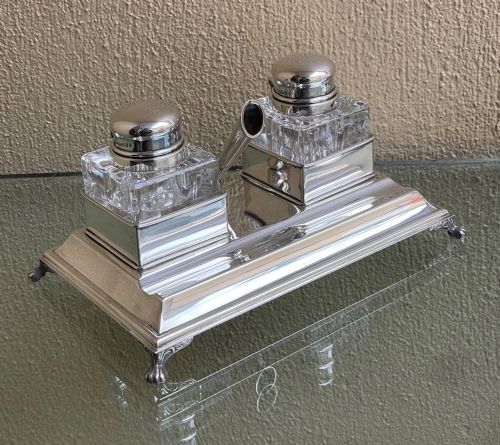
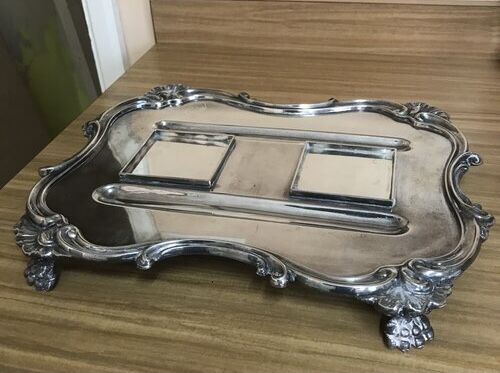
These antique inkstand pen holder pieces combine functional desk equipment with decorative sculpture from the nineteenth and early twentieth centuries.
Antique Inkstand Pen Holder
An antique inkstand pen holder serves as a desk accessory designed to hold writing fluid and writing implements together in one consolidated tray or stand. These desk accessories appear in various configurations, from simple ceramic dishes to elaborate fitted stands with multiple wells and rests.
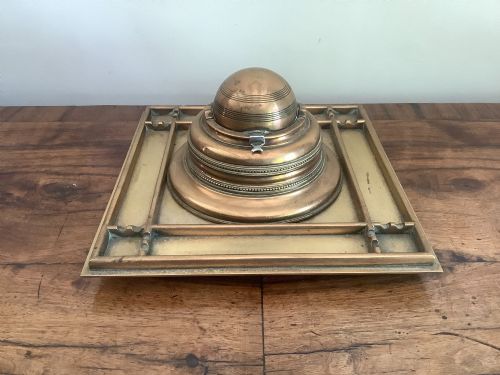
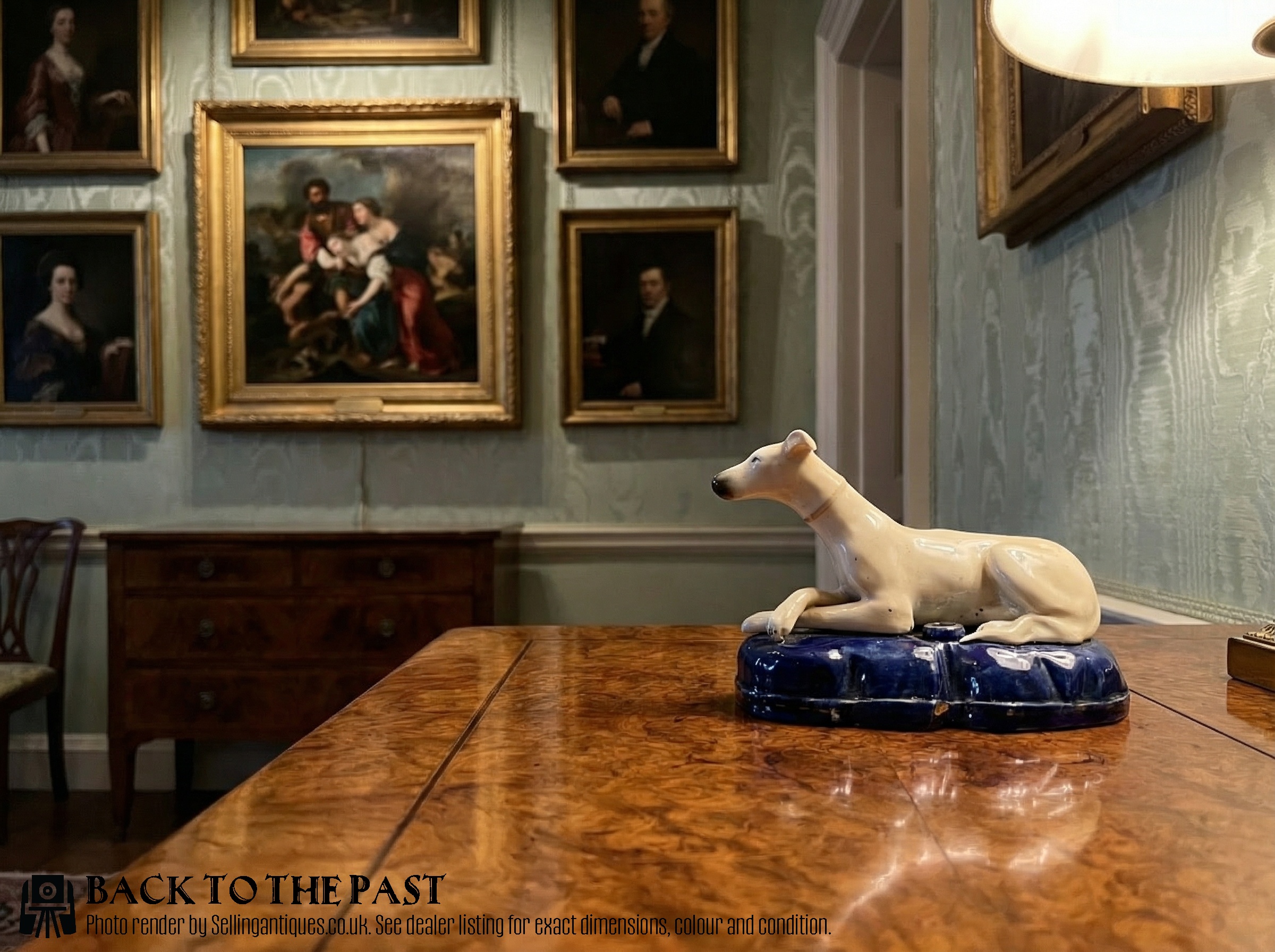
Victorian and Edwardian examples dominate the selection, often taking the form of figural desk tidies made from brass, pottery, or silver. Buyers frequently encounter Staffordshire animal figures combined with quill holders, alongside heavy brass or bronze desk sets from the late nineteenth century.
The materials range widely across these pieces, incorporating sterling silver, silver plate, earthenware, porcelain, glass, horn, and papier-mache. Many items reflect distinct stylistic revivals, including Rococo and Regency influences, while others embrace novelty designs featuring animals.
Materials and construction methods
Metal pieces rely on casting and plating techniques, utilising brass, bronze, sterling silver, and silver plate shaped into ornate desk sets or figural inkwells. Goldsmiths and silversmiths applied hallmarks and gilding to luxury desk wares, while brass founders created hollow-cast animal figures and detailed trays.
Ceramic examples employ earthenware, porcelain, and Delft glazes, shaped into Staffordshire dogs and decorative compartments before hand-painting and firing. Potters moulded whimsical forms like greyhounds, dalmatians, and boars' feet to hold quills and ink.
Organic and composite materials also feature, combining horn with silver plate or constructing lightweight desk trays from papier-mache. Glass inserts provide removable internal vessels for holding liquid ink safely within metal or ceramic housings.
A porcelain boar's foot and a brass monkey with glass eyes keep watch over the ink.
Distinctions in quality and execution
The integrity of fitted components defines the construction standard of a desk set. Original glass inkwell inserts, matching lids, and intact pen rests that fit harmoniously within the main tray elevate the completeness and standing of the piece.
Flight Barr And Barr·Marson And Jones·Ernest Louis Adnin·Maison F Mack
The Antique Inkstand Pen Holder Glossary
- Desk Tidy
- A multipurpose desk accessory designed to hold various writing paraphernalia such as pens, ink, and letters in an organised tray. These pieces often incorporate pen rests alongside central inkwells.
- Quill Holder
- A specialised channel or support attached to an inkstand, designed to hold feather quills or early dip pens when not in use. They frequently appear on nineteenth-century Staffordshire figural desk pieces.
- Silver Plate
- A manufacturing process where a thin layer of silver is bonded to a base metal core, such as copper or brass. This technique allowed makers to produce impressive desk sets at a lower cost than solid silver.
- Papier-Mache
- A composite material made from paper pulp or layers of paper mixed with glue, then moulded and lacquered. It provided a smooth, dark surface suited to Victorian desk accessories.
Antique Inkstand Pen Holder: Frequently Asked Questions
What is an antique inkstand pen holder used for?
These pieces served as functional desk furniture for storing liquid ink and resting writing implements during the eras of dip pens and quills. They kept the desktop organised while adding a decorative focal point to a study or office.
Today, collectors use them as decorative desk accessories or retain them for traditional letter writing and display purposes.
How do I care for silver and brass desk sets?
Metal desk accessories require gentle cleaning with appropriate polishes to maintain their finish without removing fine surface details or hallmarks. Care must be taken around glass inserts and fitted components.
Preventing moisture accumulation inside the inkwells protects both the metal housings and any ceramic or glass elements from staining.
Are inkwell inserts usually original?
Many surviving desk sets retain their original glass or ceramic inkwell inserts, though replacements are common due to the fragile nature of small glassware. Examining the fit and age of the insert helps determine its authenticity.
Matching the glass tint and wear patterns to the main stand provides a good indication of whether the insert belongs to the piece.
How can I tell Victorian pieces apart from Edwardian ones?
Victorian items often display heavier ornamentation, including Rococo revival curves, ornate brass casting, and colourful Staffordshire pottery animal figures. These reflect the mid-to-late nineteenth-century taste for decorative novelty.
Edwardian designs tend towards cleaner sterling silver hallmarked items and structured desk stands that reflect early twentieth-century administrative styles.