


Cobalt Blue Ceramic Base
These cobalt blue ceramic base pieces bring deep richness to a room, offering striking colour and varied forms from table lamps to figures.
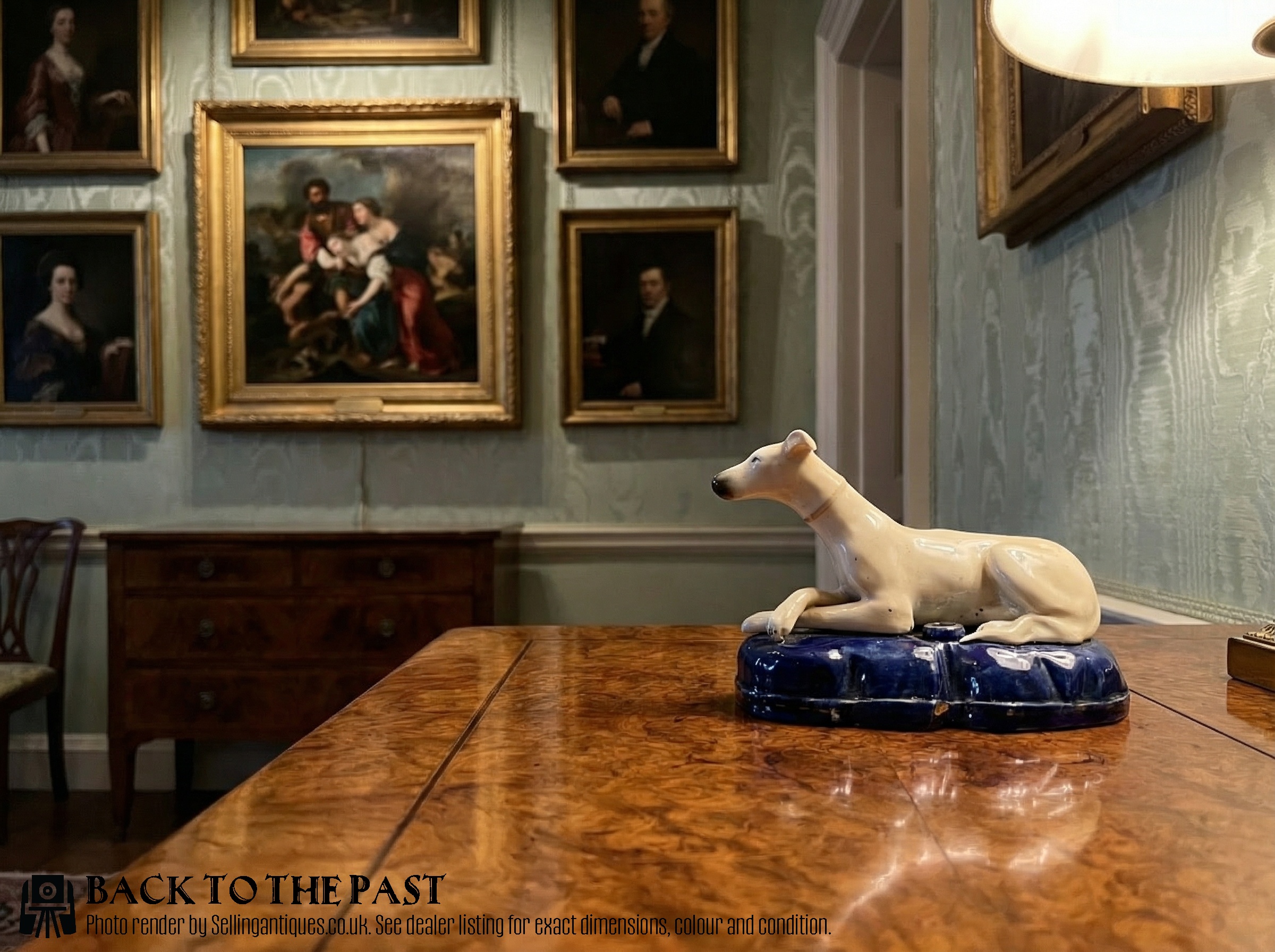
Cobalt Blue Ceramic Base
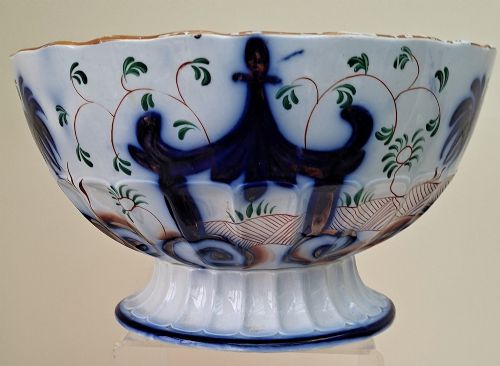
When you search for a cobalt blue ceramic base, you are looking at functional and decorative objects that anchor a design with intense, saturated blue pigment. These pieces span utility and display, ranging from lighting components to ornamental figures.
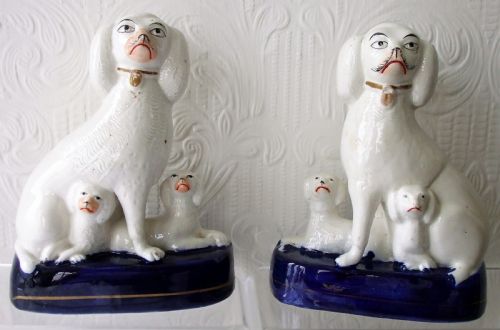
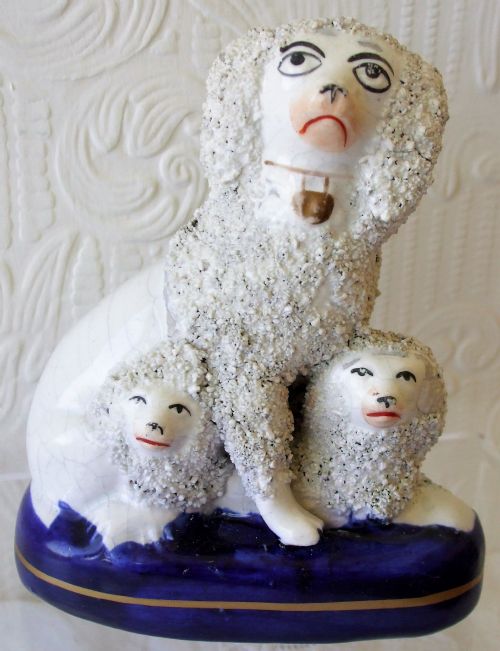
On this page, the pieces you are most likely to meet originate from the nineteenth century, with Victorian Staffordshire ceramics and various table lamps forming the core of the selection.
The assortment includes domestic items and decorative figures, utilising the deep blue glaze as either a primary structural element or a supportive plinth for other works.
How they were made
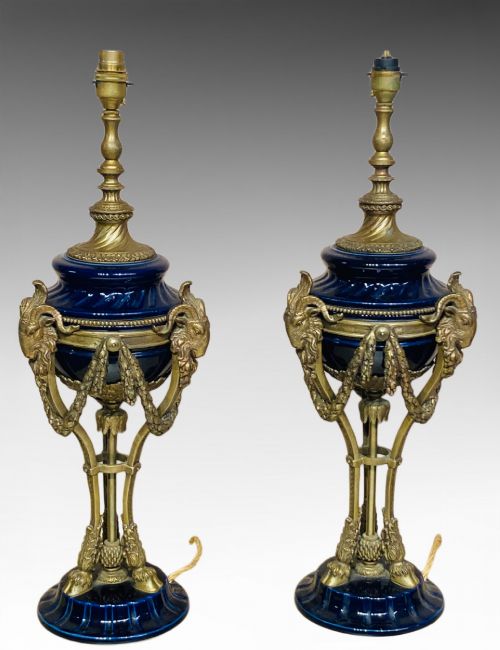
The construction relies heavily on earthenware and porcelain bodies finished with a rich cobalt glaze, often combined with brass or ormolu mounts to secure the ceramic components.
Makers applied enamel details and metallic gilding over or beneath the glaze to add contrast, whilst firing techniques ensured the deep blue pigment bonded permanently with the ceramic body.
Styles represented among the pieces include Victorian, Edwardian, Louis XVI Neoclassical, and Qing Dynasty aesthetics.
What varies in quality
Quality rests upon the depth and evenness of the cobalt glaze, along with the crispness of any moulded detail beneath the surface colour. Superior examples show careful alignment of metal mounts and ceramics.
The finesse of hand-painted enamel work and the structural stability of combined materials like brass and porcelain also separate standard production wares from finer pieces.
The Cobalt Blue Ceramic Base Glossary
- Earthenware
- A porous pottery body fired at lower temperatures, requiring a glaze to render it impermeable. It forms the foundation of many nineteenth-century Staffordshire figures.
- Ormolu
- Gilded bronze mounts applied to furniture, ceramics, and lighting bases. This technique adds structural support and decorative polish.
- Enamel
- Opaque vitreous material fused to pottery or metal surfaces through firing. It provides bright surface colour and decorative detail.
- Majolica
- A type of earthenware coated with an opaque tin glaze and painted with metallic oxide colours. It is frequently associated with nineteenth-century domestic wares.
Cobalt Blue Ceramic Base: Frequently Asked Questions
What is a cobalt blue ceramic base?
A cobalt blue ceramic base refers to the foundation or body of an object, such as a lamp, figure, or vessel, formed from clay and finished with a rich blue glaze.
These pieces derive their characteristic colour from cobalt oxide fired into the ceramic material, creating a durable and intense finish.
How are these pieces used?
They serve primarily as decorative accents, lighting supports, or functional domestic items within an interior scheme.
Many incorporate electrical fittings or metal mounts to adapt them for daily use as table lamps or display ornaments.
How do I date a ceramic base?
Dating relies on examining the manufacturing techniques, glaze characteristics, and any accompanying maker marks or styles.
Nineteenth-century examples often exhibit hand-modelled details and specific regional body compositions distinct from later twentieth-century production.
Can I use these lamps daily?
Many of these pieces function effectively as everyday lighting when fitted with appropriate modern wiring.
Care should be taken to protect the surrounding ceramic body and any delicate surface enamel or mounts during regular cleaning.