
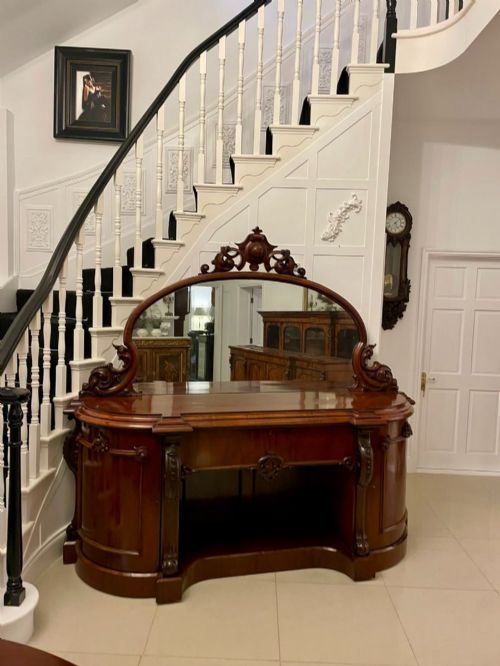
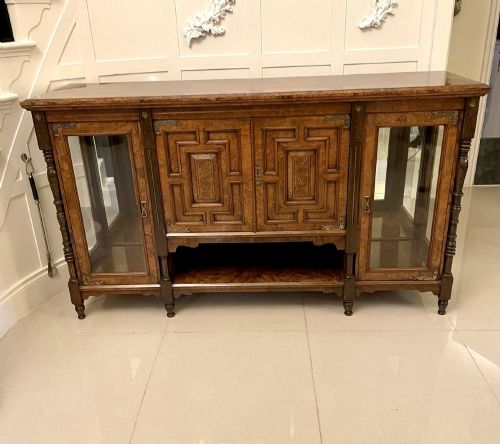
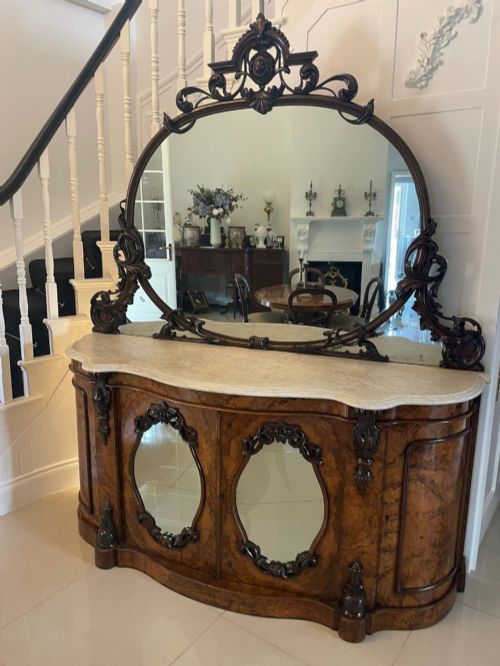
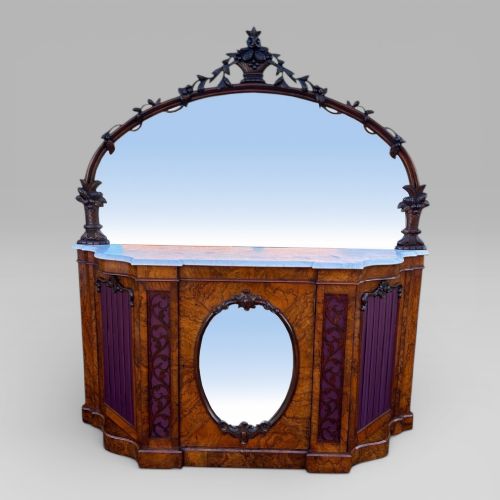

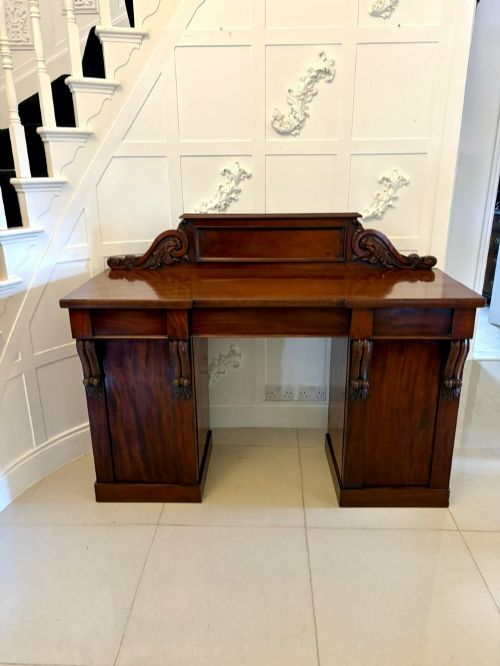
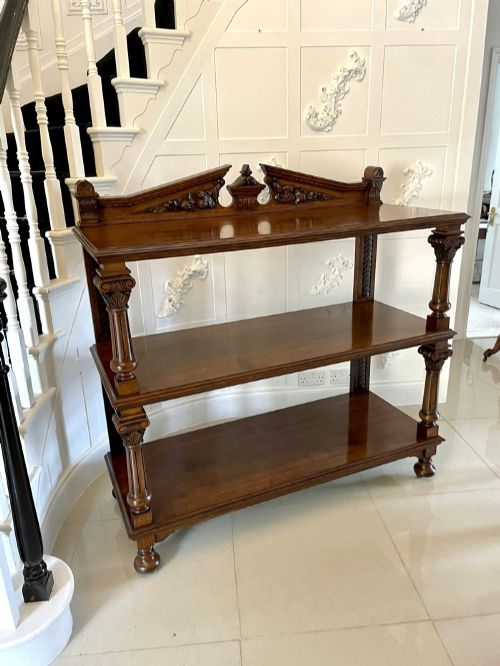
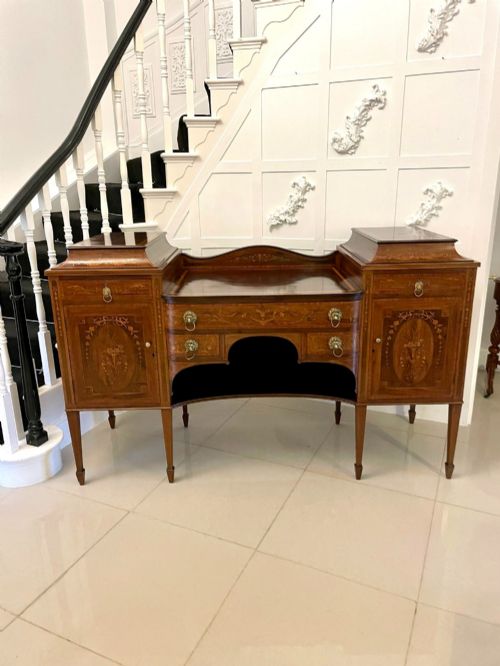
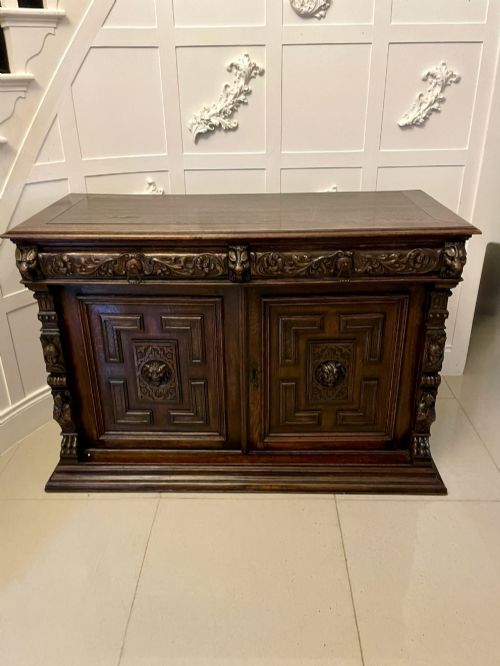
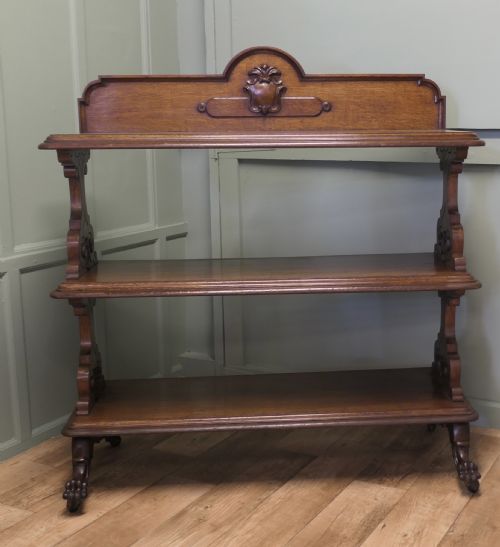
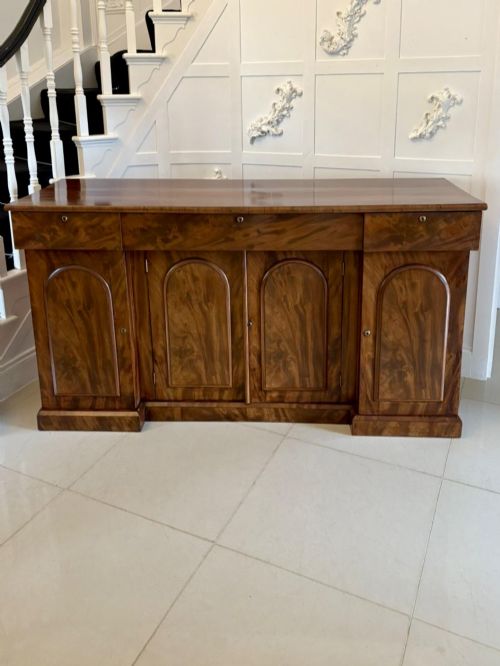
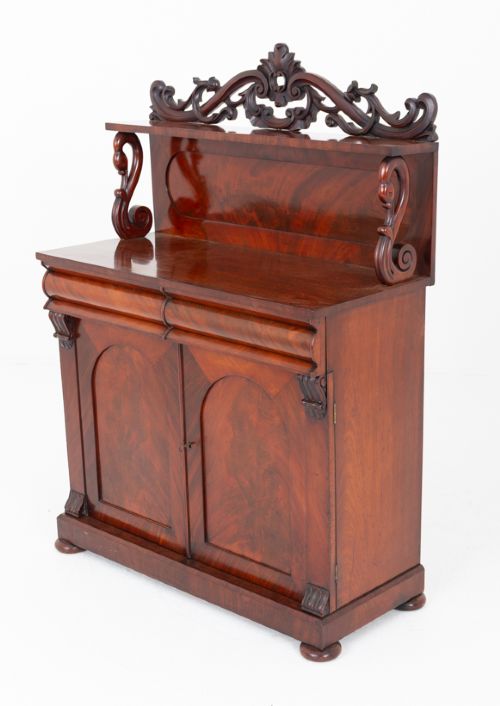
Victorian Dining Room Sideboard
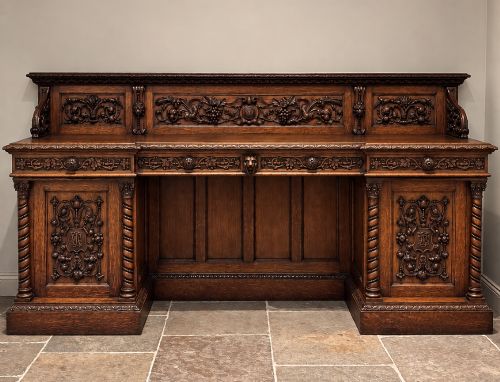
A victorian dining room sideboard brings heavy timber presence and formal serving storage to period interiors.
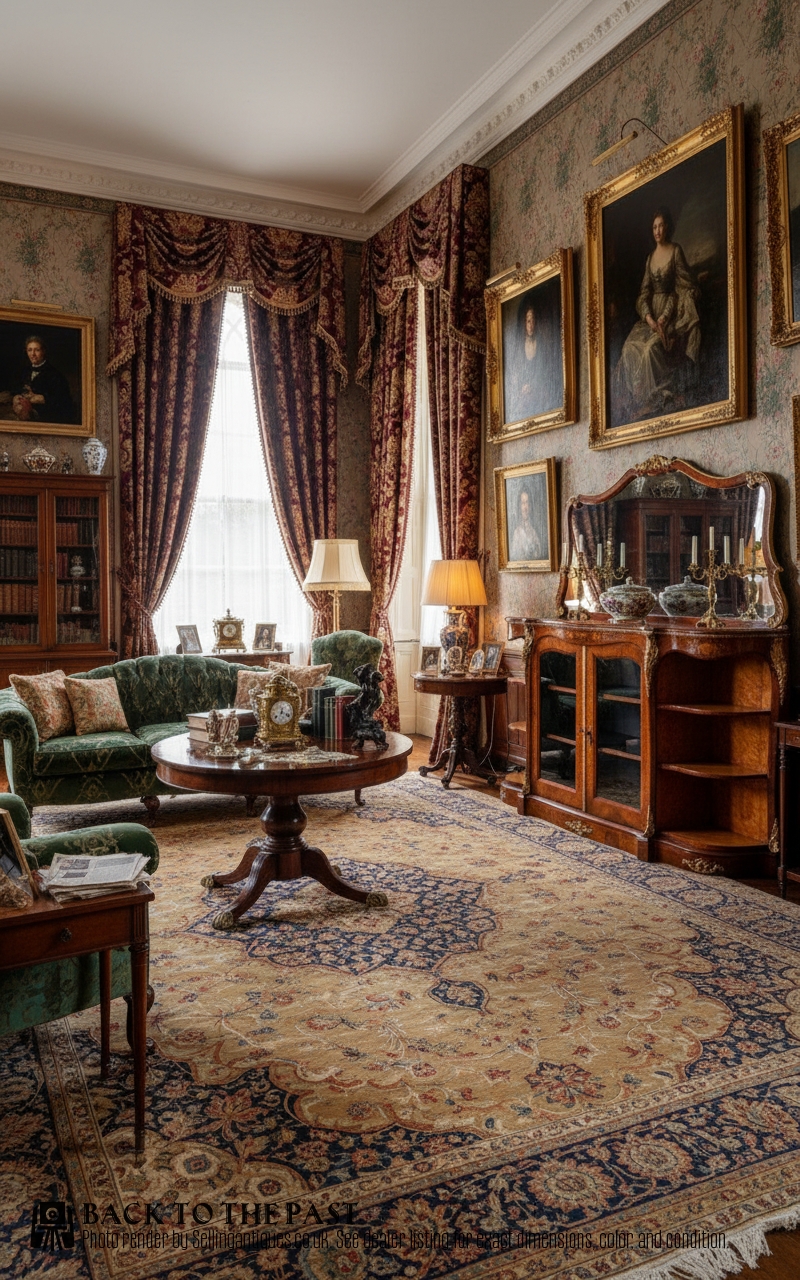
Victorian Dining Room Sideboard
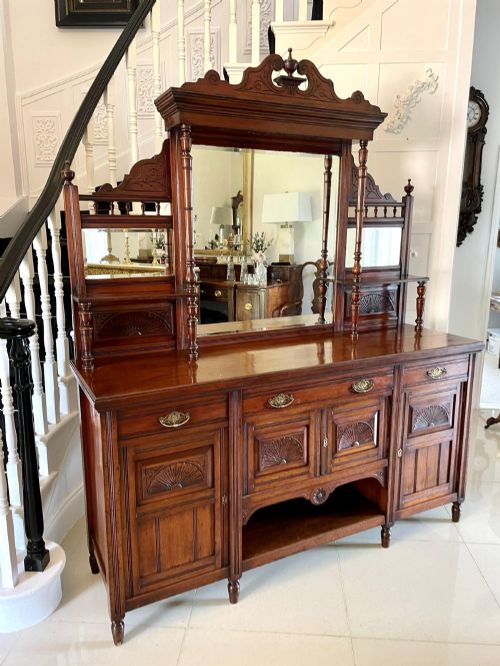
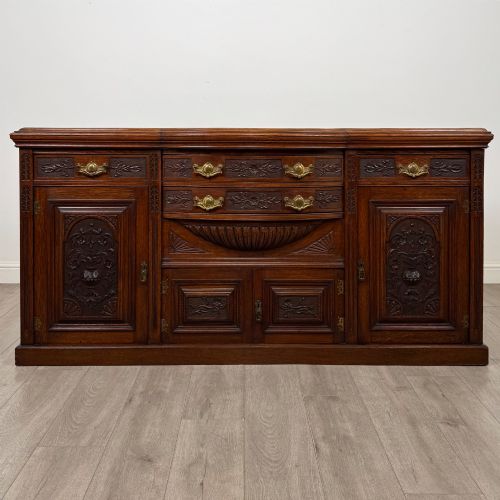
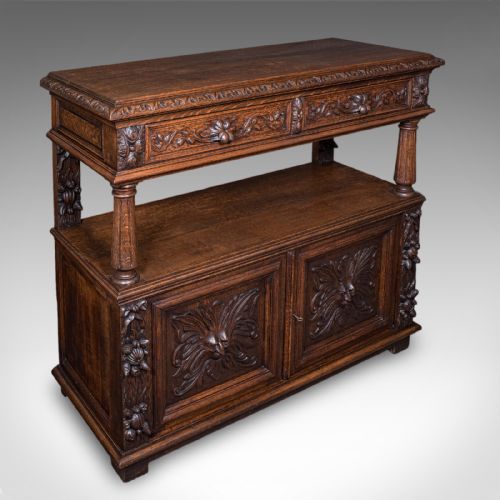
A victorian dining room sideboard serves as the central heavy timber storage piece in period dining spaces, spanning credenzas, buffets, and chiffoniers. These forms emerge primarily in solid mahogany, oak, and walnut, often carrying mirror backs or carved details.
Buyers meet examples ranging from early nineteenth century pedestals to later sheraton revival and gothic pieces. The standard formatting incorporates heavy cupboards and drawers designed for dining room service.
Materials and construction
Cabinet makers utilise dense timbers like mahogany, burr walnut, and oak, frequently applying flame veneer surfaces to drawer fronts and doors. Carved ornamentation, brass hardware, and marble tops appear across various styles.
Construction relies on deep timber framing, panelled doors, and heavy internal shelving to bear the weight of heavy serving wares. Inlaid marquetry and glass elements finish finer cabinetwork.
Listings feature oak, mahogany, and walnut timbers across early victorian, aesthetic movement, and gothic revival styles.
Craftsmanship and design
Quality separates by the depth of timber figure, such as burr walnut or flame mahogany veneer, and the crispness of hand-carved details. Superior pieces display integrated mirror frames and substantial marble surfaces.
Construction integrity shows in heavy drawer linings, sound timber joints, and balanced proportions across breakfront or pedestal layouts.
Hewetsons London
The Victorian Dining Room Sideboard Glossary
- Credenza
- A low dining room cabinet used for serving food and displaying silver, frequently featuring glass doors or mirror backs in victorian iterations.
- Chiffonier
- A compact sideboard variant with enclosed shelving below and a low gallery or mirror above, common in mid nineteenth century interiors.
- Marquetry
- Decorative veneer patterns formed by fitted pieces of coloured wood applied to carcase surfaces.
- Breakfront
- A large cabinet design where the central section projects forward from the flanking cupboards.
- Dumbwaiter
- A tiered serving table used to hold dishes alongside the main dining furniture.
Victorian Dining Room Sideboard: Frequently Asked Questions
How do I choose the right size?
Measure the dining room wall space carefully, allowing clearance for opening heavy cupboard doors and pulling out deep drawers.
Consider the visual weight of large mirror backs against your ceiling height and surrounding furniture proportions.
What is a chiffonier sideboard?
A chiffonier is a smaller victorian cabinet combining enclosed lower storage with an upper shelf or mirror back.
These pieces suit compact dining rooms or serving areas where full pedestal sideboards overwhelm the space.
How do I care for mahogany timber?
Maintain the wood by applying natural wax polish periodically and buffing with a soft cloth to preserve the grain.
Keep the cabinet away from direct heat sources and strong sunlight to prevent veneer cracking and fading.
Are marble top sideboards original?
Marble surfaces appear on specific victorian credenzas and servers, providing a durable staging area for heavy dishes.
Check that the marble sits flush within the timber rebate and matches the period construction of the base.