
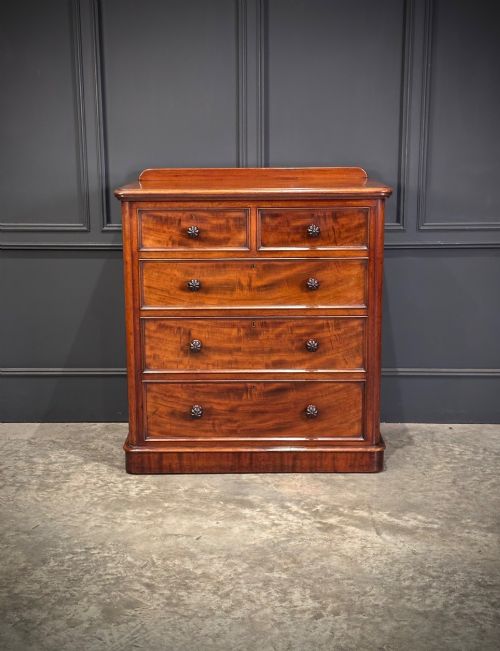
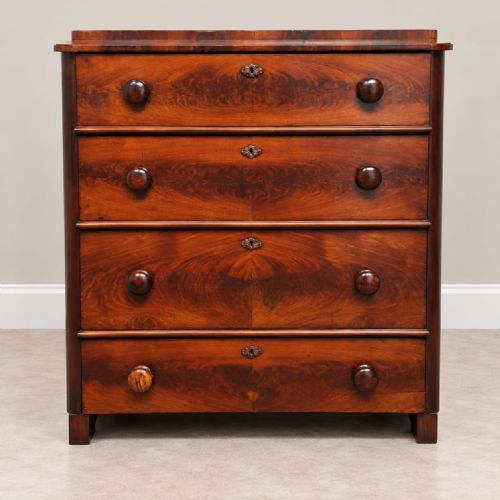
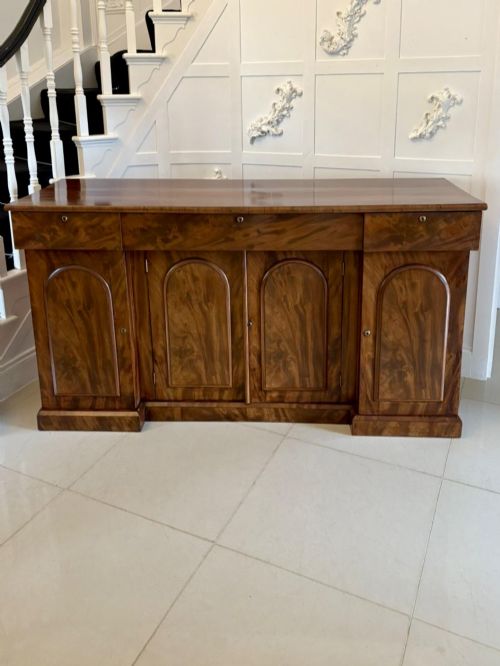
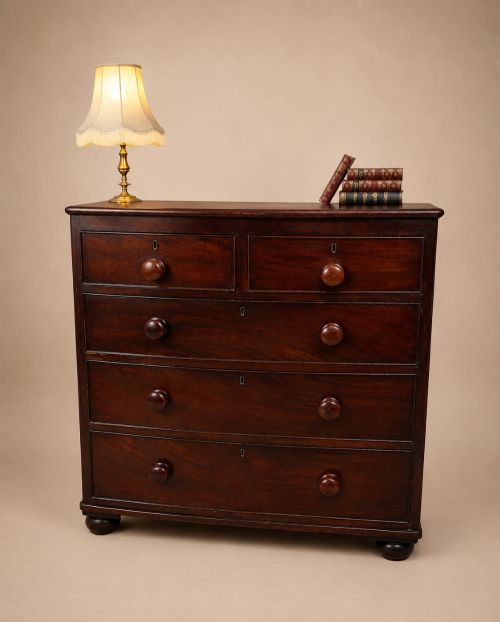
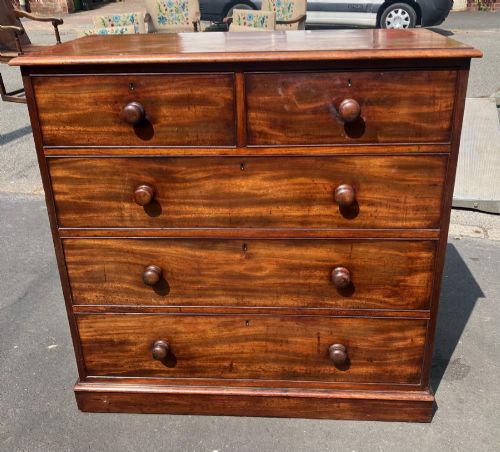
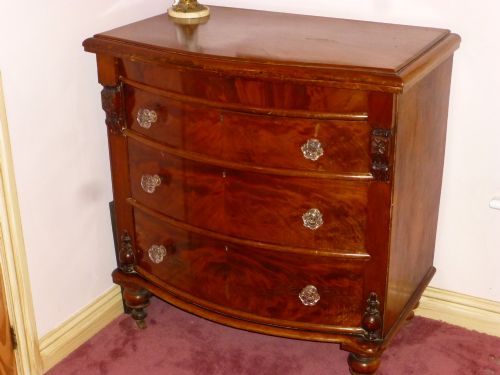
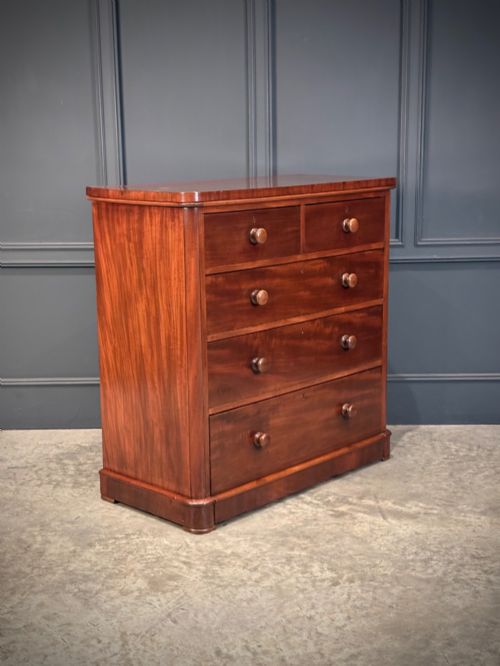
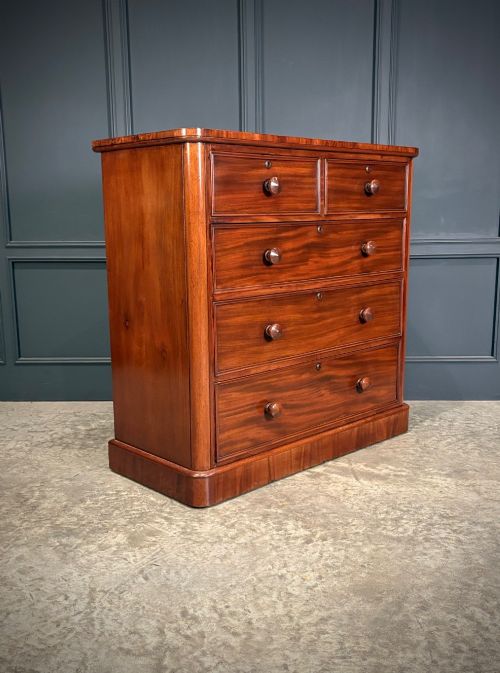
Victorian Flame Mahogany Dresser
A victorian flame mahogany dresser brings rich grain and practical storage to a room through traditional British cabinetmaking.
Victorian Flame Mahogany Dresser
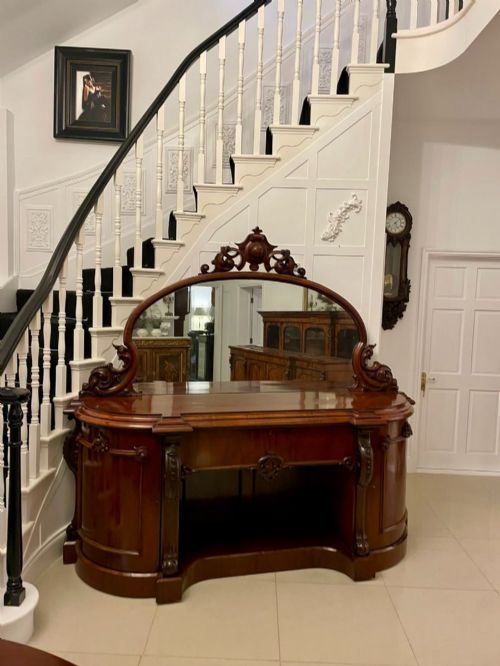
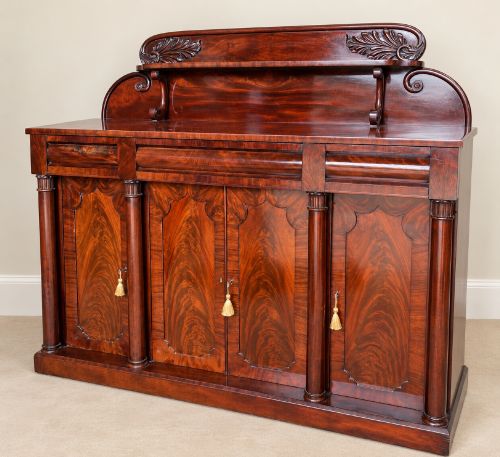
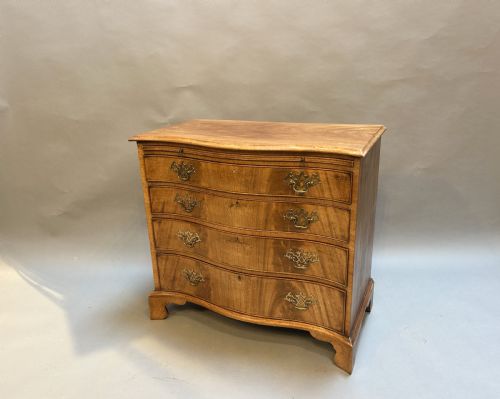
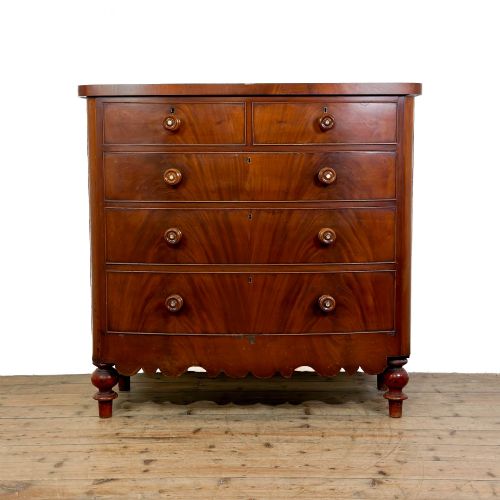
A victorian flame mahogany dresser primarily comprises chests of drawers and sideboards shaped during the nineteenth century. These items emerged across various decades, including the eighteen-fifties, eighteen-sixties, and eighteen-eighties, often taking the form of bowfront or serpentine outlines.
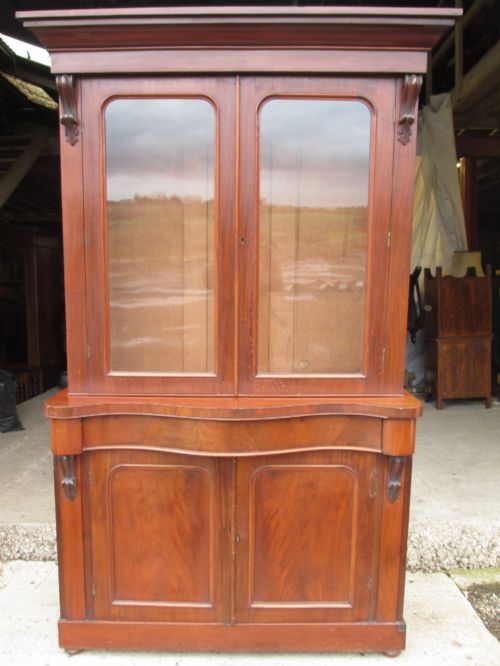
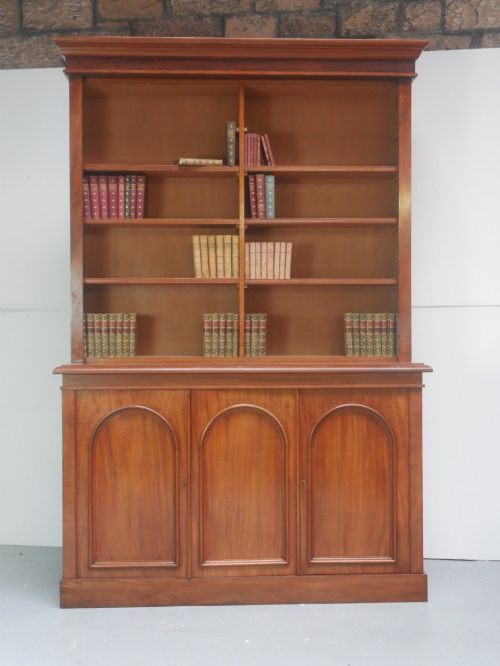
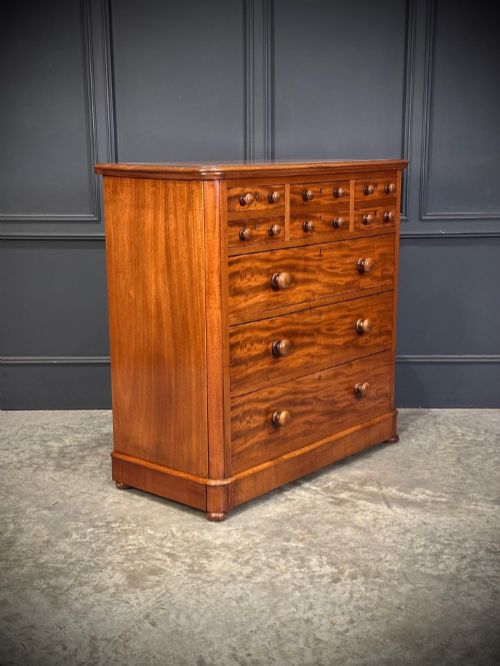
Buyers commonly encounter sturdy chests of drawers alongside larger sideboards and bookcase cabinets. Regional variations such as Scotch chests and Welsh designs appear among the listings, alongside Biedermeier examples.
The primary focus rests on utilitarian storage forms built with substantial timber frames. These storage units served domestic interiors by holding linens, tableware, and personal belongings.
What varies in quality
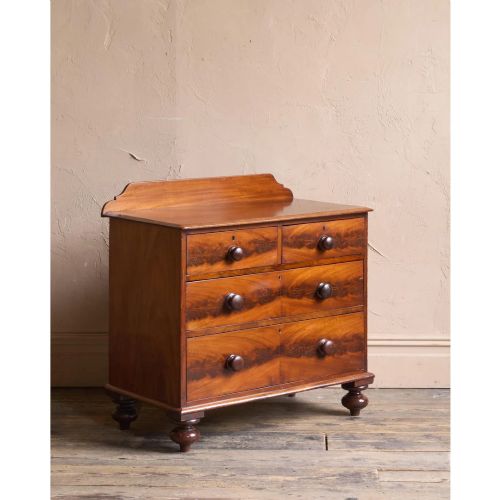
The visual impact of the timber grain marks the distinction between standard examples and finer pieces. Highly figured flame grain and balanced veneer matching elevate the appearance of a chest.
Proportion and structural elaboration, such as serpentine fronts or mirror backs, set apart more ambitious cabinetwork from plain utility pieces. The integration of secondary woods like pine remains consistent across the range.
Listings feature items from the Victorian period, including specific dates such as eighteen-fifty, eighteen-sixty, and eighteen-eighty.
The Victorian Flame Mahogany Dresser Glossary
- Flame mahogany veneer
- A thin slice of wood cut from the fork of a mahogany tree to produce a rippling, flame-like grain pattern. This decorative surface defines the appearance of the primary fronts.
- Bowfront
- A convex, curved front profile popular on chests of drawers and sideboards during the nineteenth century. This shape softens the corners of the case.
- Serpentine outline
- A cabinet front featuring a gently undulating contour with a convex centre flanked by concave curves. This contour requires precise woodworking skill.
- Scotch chest
- A large chest of drawers originating from Scotland, often featuring a deep top drawer over multiple lower drawers. These units provide substantial vertical storage capacity.
- Biedermeier
- A Central European style prioritising clean lines and minimal ornament over heavy revival details. Pieces in this style rely on the warmth of the wood grain for visual effect.
Victorian Flame Mahogany Dresser: Frequently Asked Questions
What is a Victorian flame mahogany dresser?
A Victorian flame mahogany dresser typically refers to nineteenth-century chests of drawers or sideboards surfaced with figured wood veneer. These pieces were constructed during the Victorian era for domestic storage.
Craftsmen built these items using mahogany veneers over secondary timbers like pine. They served households as practical storage furniture in bedrooms and dining rooms.
How do I identify a Victorian chest of drawers?
Victorian chests of drawers are identified by their nineteenth-century manufacturing traits, timber choices, and specific regional forms like Scotch chests. They often feature bowfront or serpentine outlines.
Dates associated with these pieces frequently span the eighteen-fifties to the eighteen-eighties. The use of solid mahogany and flame veneer provides a visual clue to their period.
Where were these pieces used in the home?
These storage units were placed in bedrooms, living spaces, and dining rooms to hold garments and household goods. Sideboards functioned specifically in dining areas for serving and storage.
Their substantial construction suited the formal room layouts of nineteenth-century domestic interiors. Bookcase cabinets combined display space with lower drawer storage.
How should I care for flame mahogany veneer?
Maintain flame mahogany surfaces by keeping them away from direct sunlight and excessive temperature fluctuations. Regular dusting with a soft cloth preserves the polished finish.
Avoid using harsh chemical polishes that can degrade the historic timber and veneer. Gentle wax application helps nourish the wood over time.