

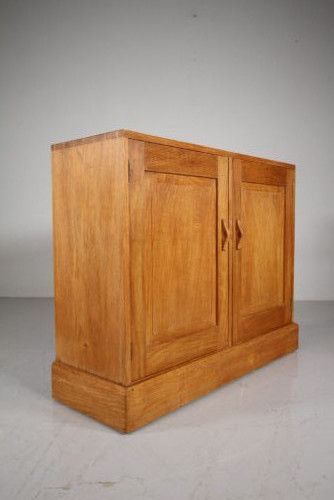
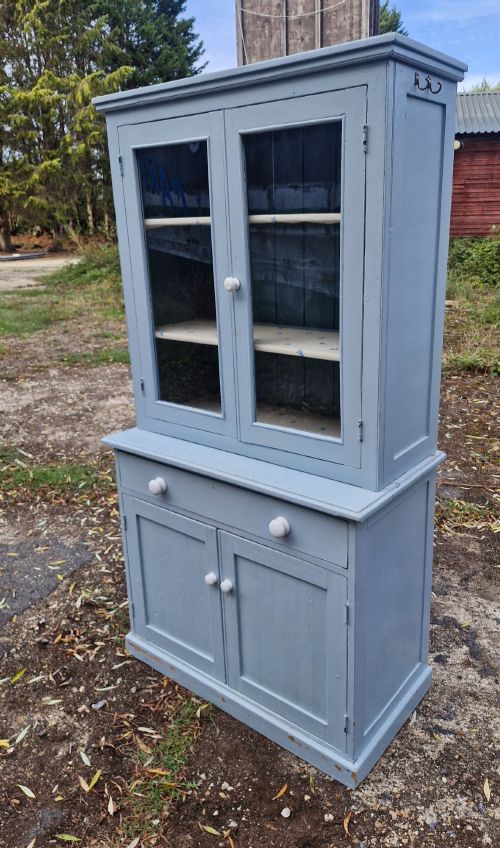
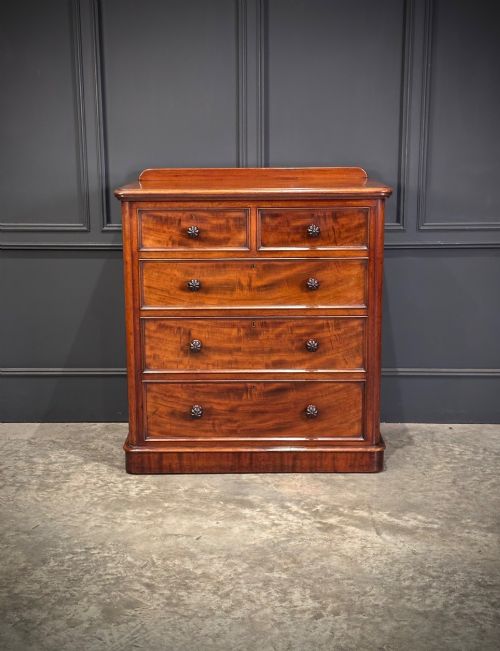
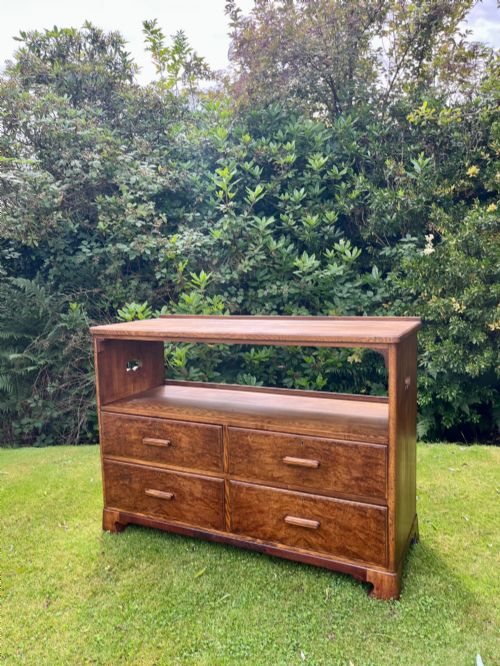

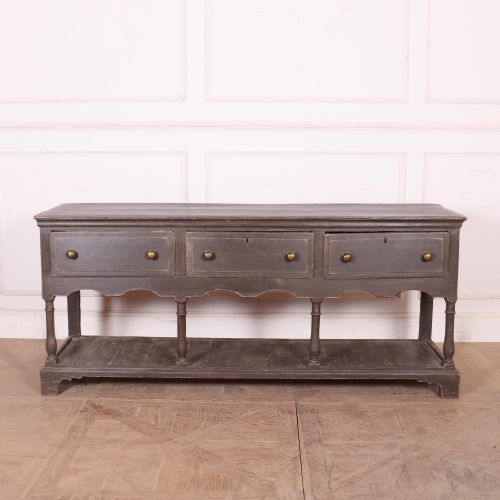

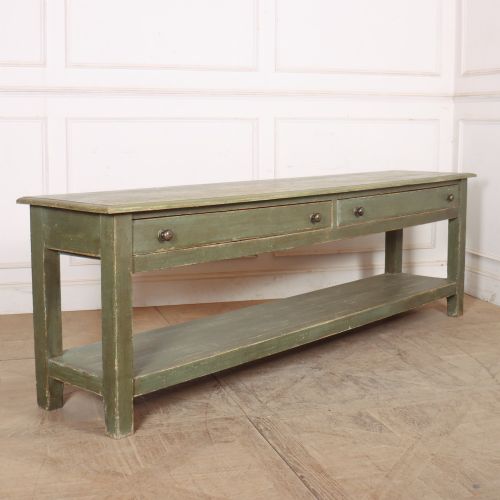
Vintage Timber Dresser
A vintage timber dresser brings domestic history into a room, offering practical storage through time-worn surfaces and traditional craftsmanship.
Vintage Timber Dresser
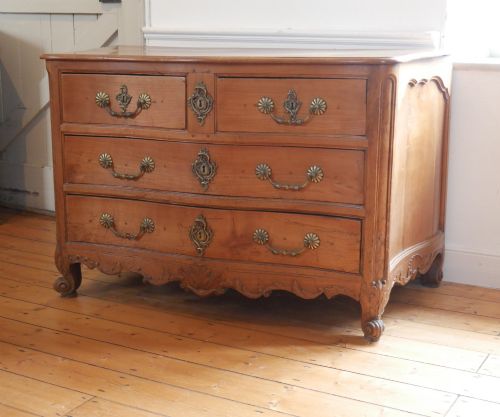
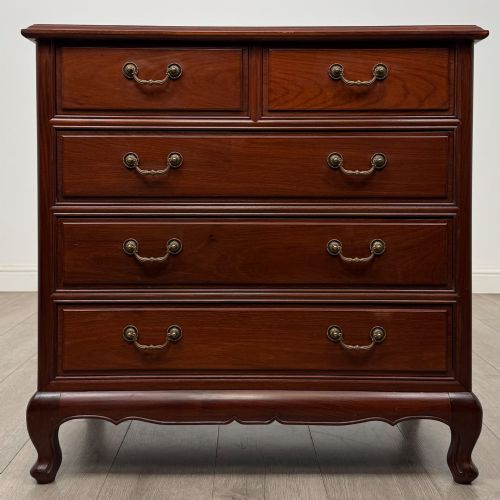
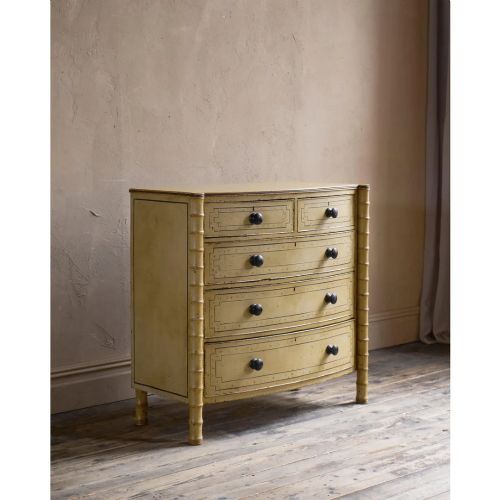
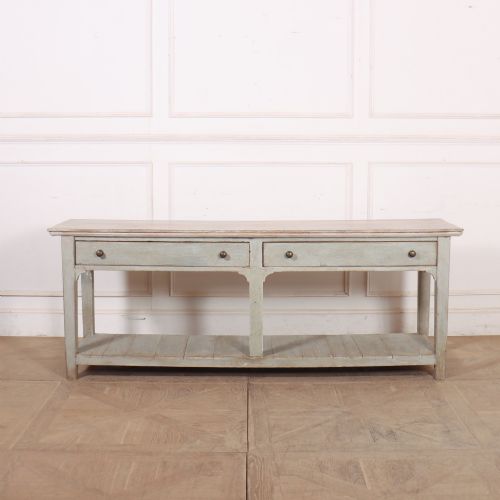
When you search for a vintage timber dresser, you encounter a range of storage forms built to hold household goods across centuries. These pieces encompass everything from kitchen dressers with potboards and open shelving to formal drawer chests and serving tables.
The most common versions on this page originate from the eighteenth, nineteenth, and early twentieth centuries. They appear in regional styles such as English Country, French Provincial, and Gustavian Swedish, utilising local woods appropriate to each workshop.
Makers constructed these items to serve utilitarian functions in dining rooms, kitchens, and bedrooms. Over decades of use, their timber surfaces have acquired patinas that distinguish them from modern factory-made furniture.
Materials and construction methods
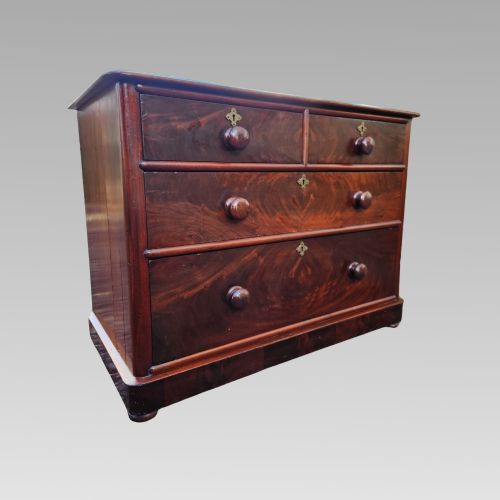
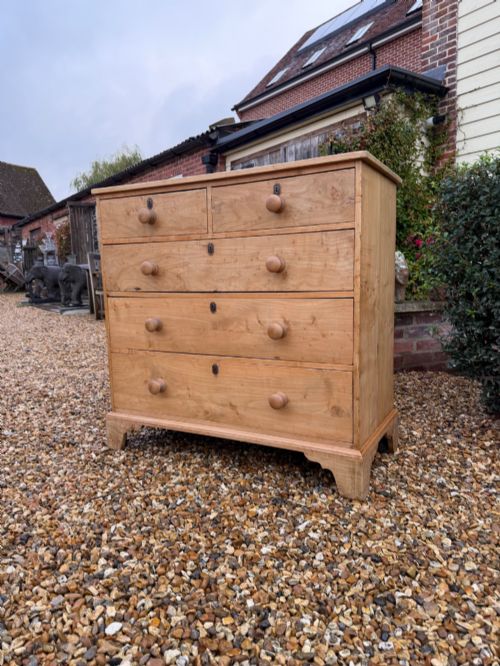
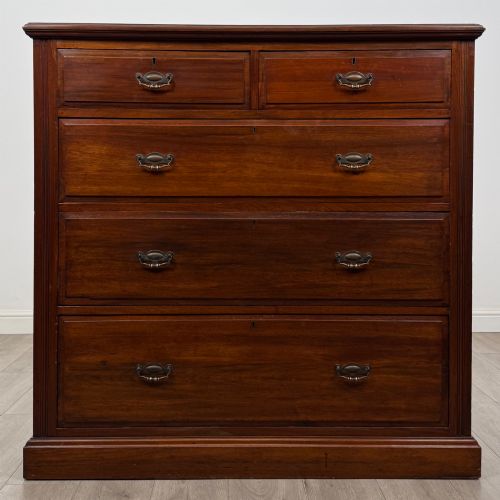
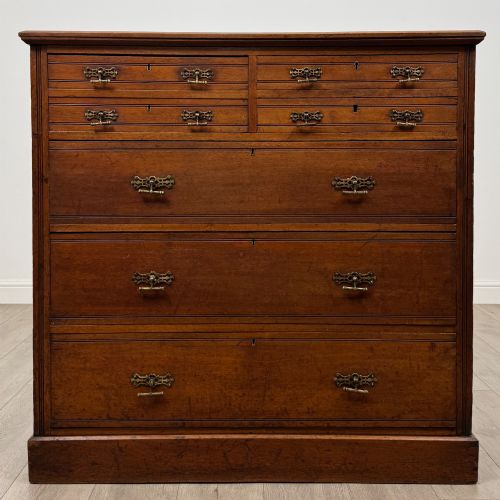
Cabinet makers built these pieces using solid timbers like mahogany, walnut, oak, elm, ash, and pine. Many examples also feature secondary woods for internal drawer linings and backboards, joined using traditional dovetails and mortise and tenon techniques.
Surface treatments vary from polished clear finishes that highlight natural wood grain to applied layers of paint. Workshops frequently fitted brass handles, escutcheons, and hinges to secure doors and drawers.
Structural integrity relied on the natural movement of seasoned timber, allowing boards to expand and contract with humidity changes. Carpenters constructed frames to bear heavy loads of crockery, linens, and provisions without failing.
Vintage Timber Dresser Retail Price Guide 2026
Typical asking prices for vintage timber dresser among the pieces listed under this phrase on Sellingantiques today, from the lower quarter to the upper quarter. They describe what is for sale here now, not the wider market.
One nineteenth-century pine piece includes a built-in dog kennel underneath, keeping pets close while dinner was prepared.
Indicators of superior quality
Quality rests upon the selection of timber figure, such as burr walnut, figured mahogany, or carefully chosen pine boards. Superior pieces exhibit harmonious grain matching across drawer fronts and doors, showing deliberate aesthetic choices by the maker.
Construction detail separates standard items from exceptional ones. Finely cut dovetails, smooth drawer runners, and the retention of original brass hardware indicate higher workshop standards during production.
The condition of the original surface finish or early painted coat determines much of the character. Examples that retain their authentic patination without aggressive stripping or modern intervention command greater respect from collectors.
Jas Shoolbred·Whytock and Reid
The Vintage Timber Dresser Glossary
- Potboard
- An open lower shelf on a dresser base designed for storing pots and heavy kitchen utensils. This traditional feature sits close to the floor and defines rustic country furniture.
- Dovetail
- A joint formed by interlocking wedge-shaped fingers used primarily in drawer construction. This method provides high tensile strength without relying on metal fasteners.
- Satinwood
- A hard, durable timber with a golden sheen used in fine cabinet making, particularly during the Edwardian period. Craftsmen utilised its light colour for decorative veneer work and banded borders.
- Serpentine
- A curved line of furniture fronts featuring a convex centre flanked by concave ends. This sophisticated shaping requires precise woodworking skill.
- Campaign box
- A portable piece of furniture constructed for military officers on the move, often featuring brass corners and recessed carrying handles. These items were built to withstand rigorous travel.
Vintage Timber Dresser: Frequently Asked Questions
How do I date a timber dresser?
Dating relies on examining construction marks, timber types, and hardware styles across the piece. Tool marks from hand saws, secondary woods inside drawers, and the style of dovetailing offer clues to the decade of manufacture.
Design motifs also reflect changing fashions from the Georgian period through the Victorian era and into the 1930s. Comparing these physical traits with known regional patterns helps establish a reliable timeline.
How should I care for vintage wood?
Protect antique timber by keeping it away from direct sunlight and sudden temperature changes caused by radiators. Maintain stable indoor humidity to prevent the wood from drying out or cracking.
Apply high-quality beeswax occasionally to nourish the surface and preserve the patina. Avoid modern silicone polishes that can build up and damage the historical finish.
Are painted finishes original?
Many pieces feature historic painted surfaces applied decades after manufacture or preserved from their initial workshop creation. Inspecting the layers for wear, crazing, and integration with the underlying wood helps determine age.
Original paint contributes significantly to the character of country furniture and Gustavian cabinets. Preserving these early finishes requires gentle cleaning rather than chemical stripping.