
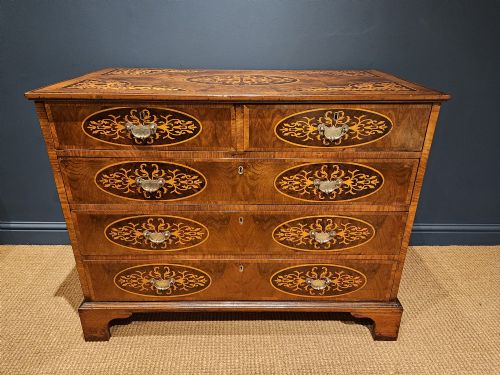
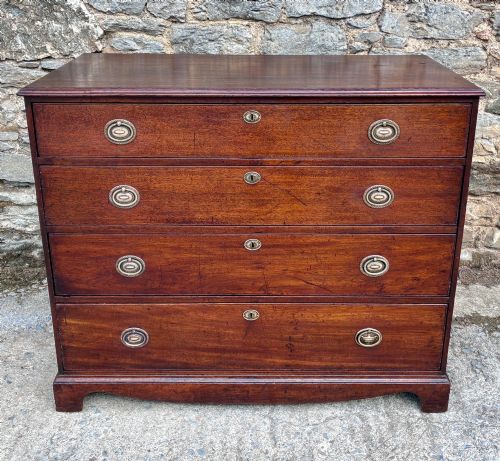
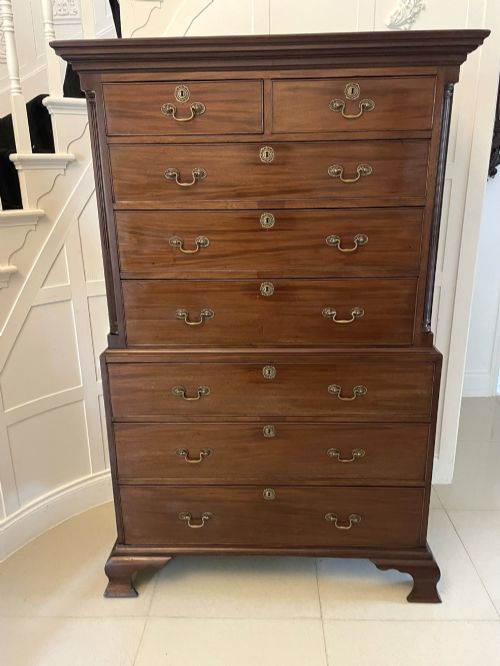
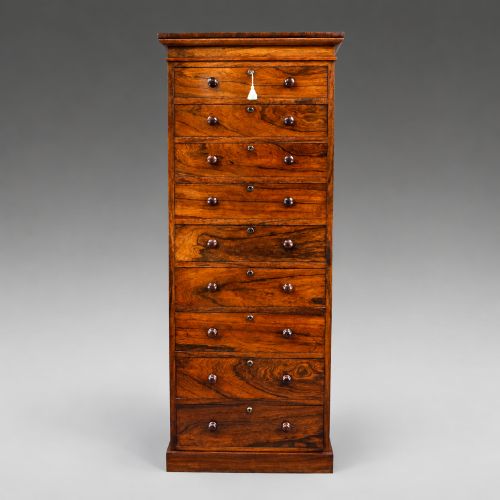
Tallboy Drawers
When you want tallboy drawers, you are looking for vertical storage furniture built from timber like mahogany and oak across Georgian to Victorian periods.
Tallboy Drawers
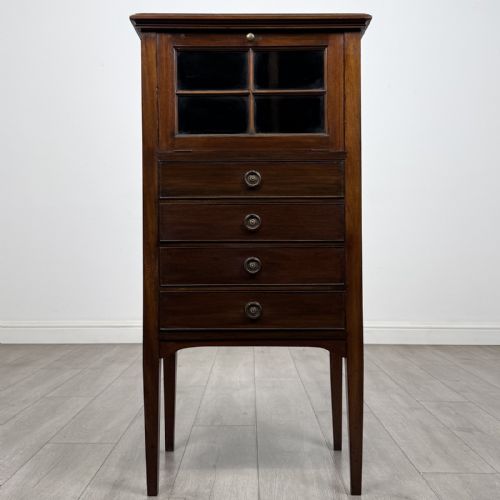
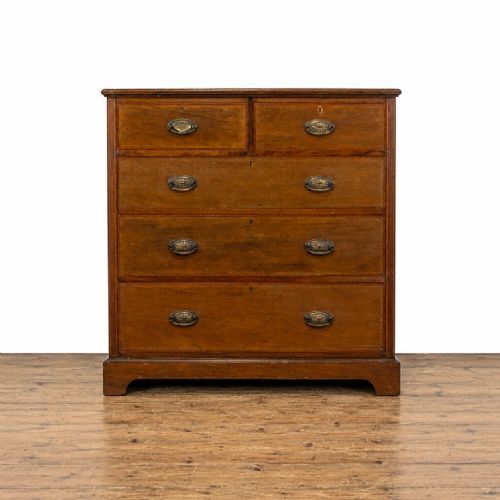
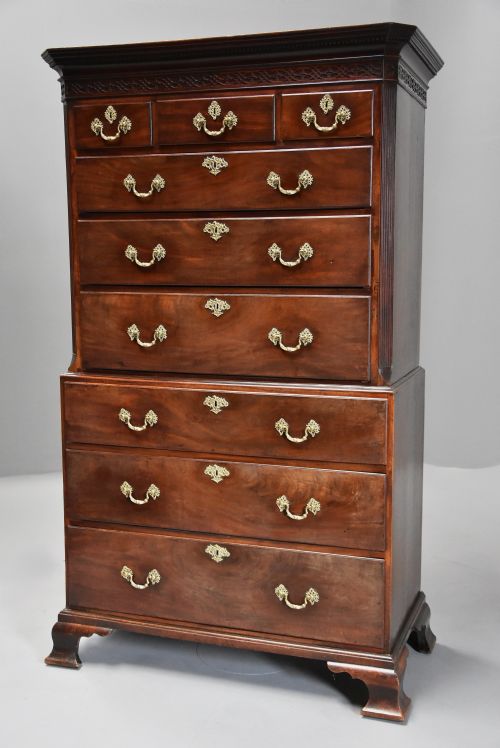
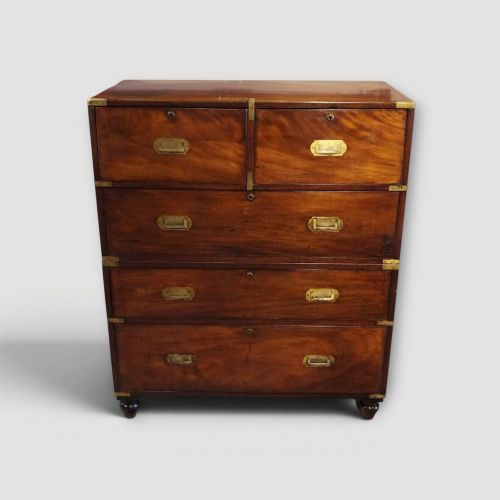
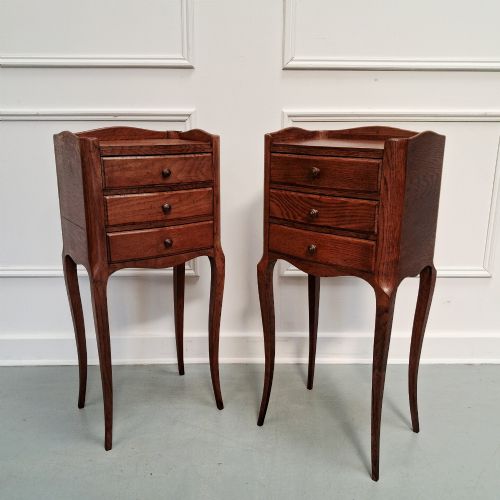
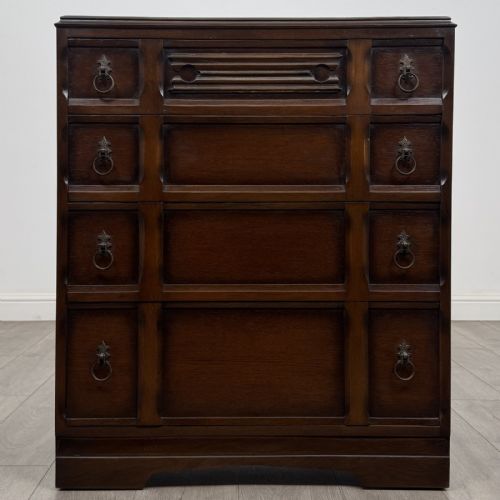
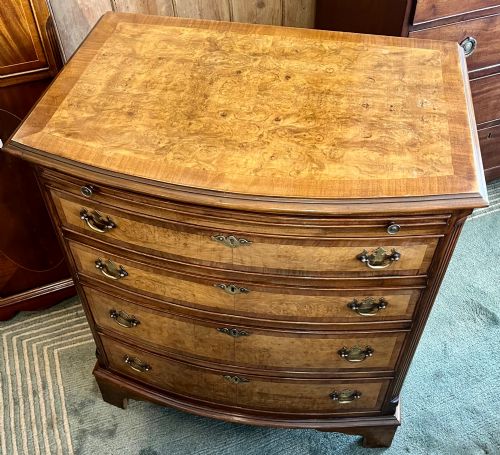
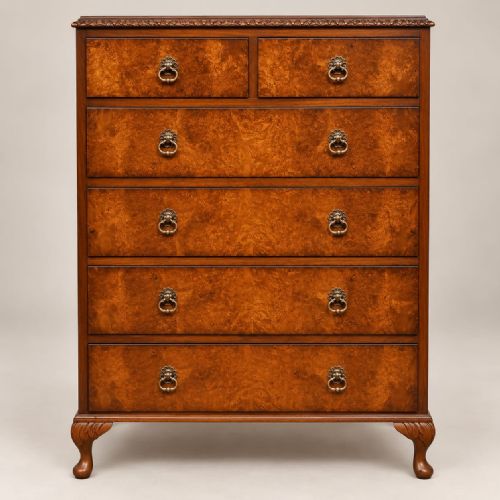
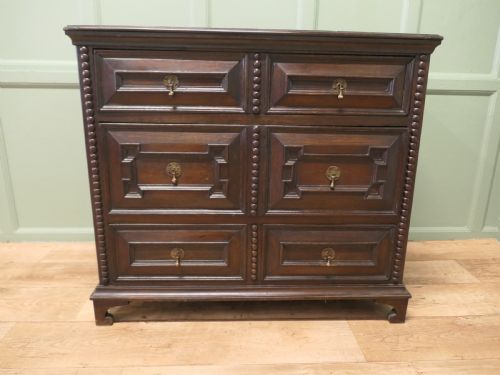
Tallboy drawers represent vertical storage furniture designed to hold clothing and household goods while occupying a modest floor footprint. Buyers searching for tallboy drawers will encounter chest on chest forms and upright configurations originating from Georgian, Victorian, and later periods. The selection spans compact two over three drawer layouts up to taller multi-drawer chests constructed by period cabinetmakers.
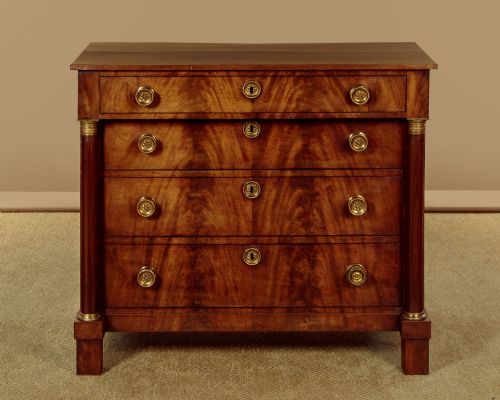
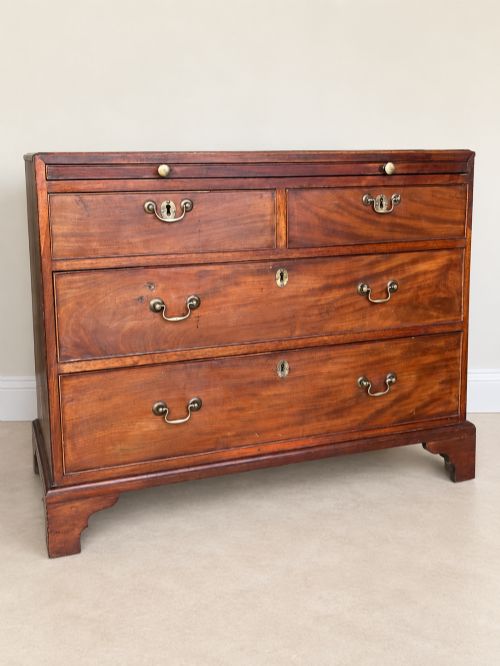
Mahogany and oak dominate the timber palette, often paired with walnut, burr walnut, and satinwood veneers depending on the period. Pieces range from straightforward oak garret chests to highly figured mahogany chest on chest designs featuring bracket feet and brushing slides. The configuration usually stacks a smaller chest upon a larger base to achieve the characteristic height.
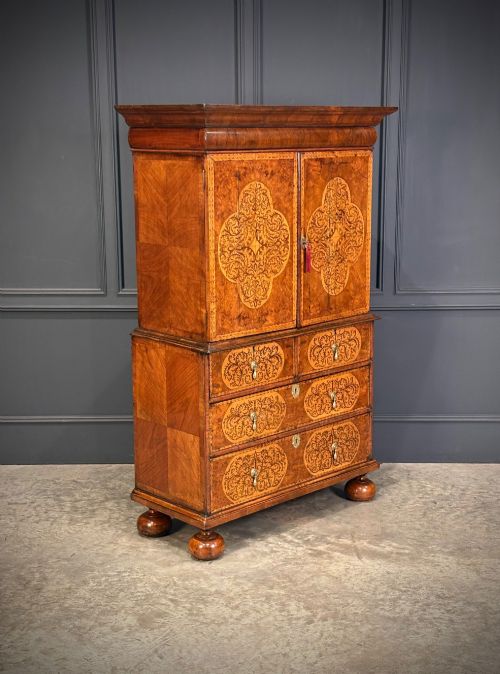
Regional variations appear in the evidence, including Norfolk walnut and oak combinations alongside camphor wood military chests designed for travel. Edwardian and 1920s reinterpretations sit alongside 17th-century Jacobean geometric pieces and Regency bow-front examples. Each variation provides a distinct vertical proportion suited to period and revival interiors.
How they were made
Cabinetmakers utilised solid timbers and selected veneers such as burr walnut, mahogany, and satinwood applied to sturdy carcases of oak, pine, or ash. Construction relied on traditional joinery methods, housing drawers within dovetailed frames that ensure structural stability over centuries of use. Timber selection governed the aesthetic outcome, with figured grain patterns displayed prominently across drawer fronts and top panels.
Surface hardware and finishing details involved cast brass handles, drop pulls, and cup handles secured through pre-bored drawer faces. Bracket feet, plinth bases, and geometric moulded panels provided structural support and visual definition to the base of each chest. Secondary woods like pine appeared internally for drawer linings and backboards, maintaining durability out of sight.
Some chests retain their original keys, proving that furniture owners have been losing small metal objects since the Georgian era.
What varies in quality
The degree of timber figure and veneer selection separates standard utility pieces from exceptional examples. Figured mahogany, burr walnut, and matched satinwood inlay indicate a higher tier of workshop production intended for prominent rooms. Plain oak and stained birch represent utilitarian production aimed at functional domestic service.
Proportion and architectural detailing distinguish the craftsmanship of upper-tier pieces. Finely executed bracket feet, graduated drawer depths, and integrated brushing slides demonstrate advanced joinery skill. Simpler configurations with straightforward two-over-three drawer arrangements reflect more standard domestic requirements.
The Tallboy Drawers Glossary
- Chest on chest
- A tall storage unit formed by stacking a smaller chest of drawers directly upon a larger lower chest. This configuration provides substantial vertical capacity.
- Brushing slide
- A pull-out shelf inset into the upper section of a chest, historically used as a writing surface or for folding garments. It sits discreetly above the top primary drawer.
- Bow front
- A convex curved drawer front that projects outward in a smooth arc. This shaping was popular during the Regency and Georgian periods.
- Wellington chest
- A tall, narrow upright chest secured by a hinged side locking bar that fastens over the drawer edges. It typically contains multiple shallow drawers.
- Bracket foot
- A structural support foot shaped like a bracket, extending outward from the corners of the base moulding. It lifts the chest slightly off the floor.
Tallboy Drawers: Frequently Asked Questions
What is a tallboy chest?
A tallboy is a tall storage chest, often built as a chest on chest, designed to maximise vertical storage while minimising floor space.
These pieces typically combine multiple graduated drawers within an upright timber carcase constructed from mahogany, oak, or walnut.
How do I date a chest?
Dating relies on identifying timber choices, construction techniques, hardware styles, and overall aesthetic characteristics associated with specific eras.
Georgian pieces show classical proportions and bracket feet, while Victorian examples often utilise heavier timber framing and turned supports.
Where were tallboys used?
Tallboys served primarily in bedrooms and dressing rooms to store garments, linens, and personal accessories securely.
Their upright form allowed households to gain significant drawer capacity without requiring a wider footprint in smaller rooms.
What is a brushing slide?
A brushing slide is a pull-out wooden board integrated just beneath the top surface of a chest of drawers.
It provided a convenient temporary surface for folding clothes or examining items without needing a separate table.