
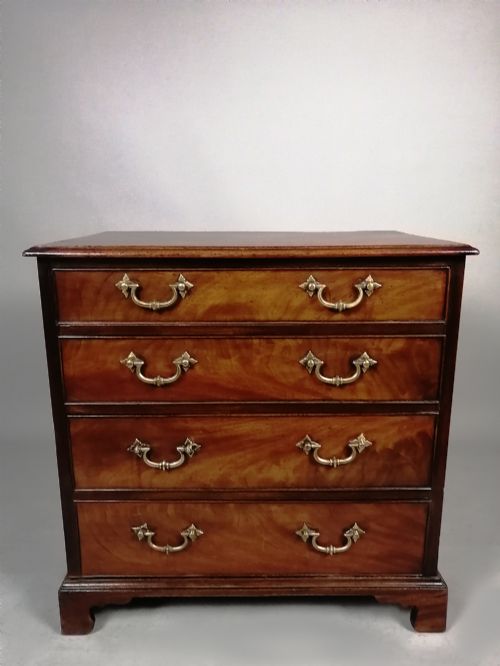
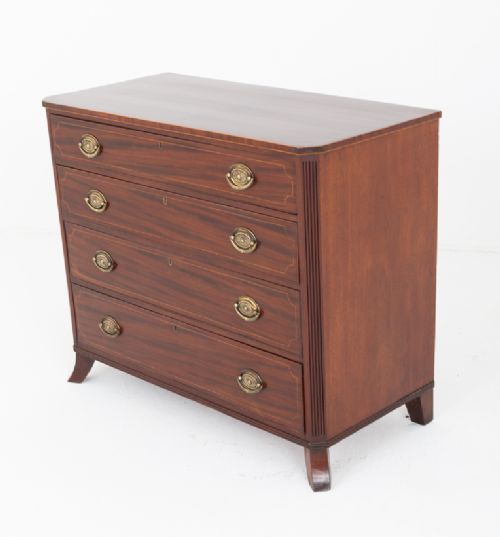
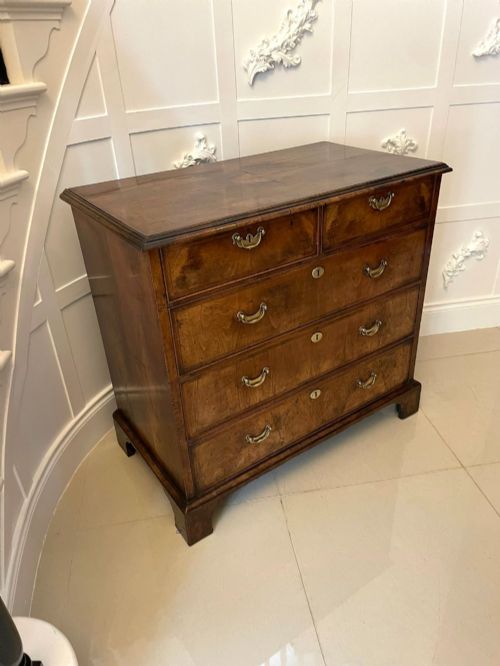
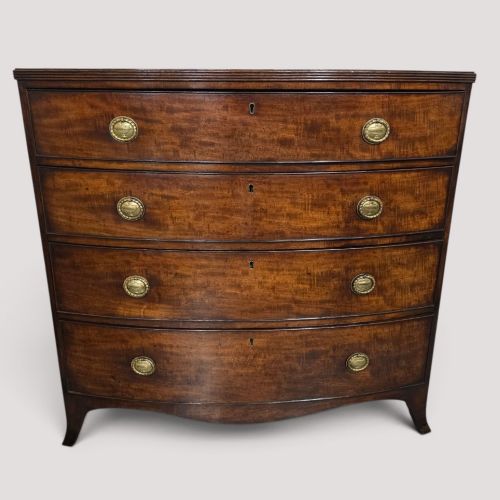


Brown Wood Storage Drawers
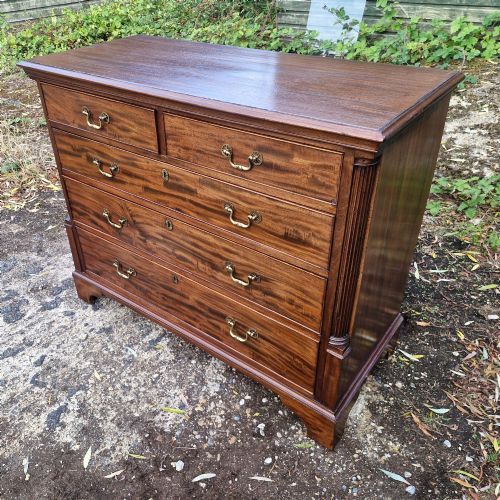
Brown wood storage drawers are classic timber pieces built to hold household items while anchoring a room with traditional character.
Brown Wood Storage Drawers
Brown wood storage drawers encompass traditional chests of drawers, bedside tables, linen presses, and music cabinets designed to organise domestic spaces. These brown wood storage drawers span centuries of craftsmanship, ranging from disciplined Georgian and Regency designs to later Victorian, Edwardian, and twentieth-century interpretations.
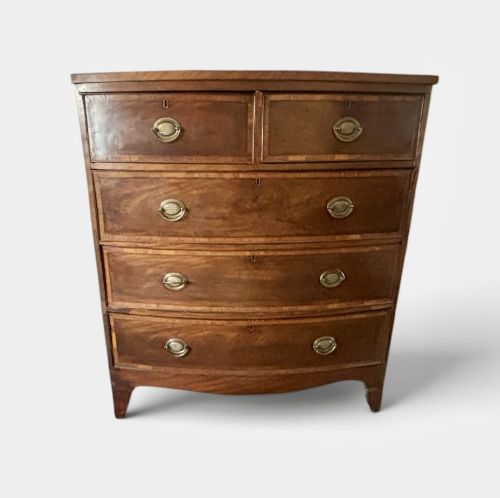
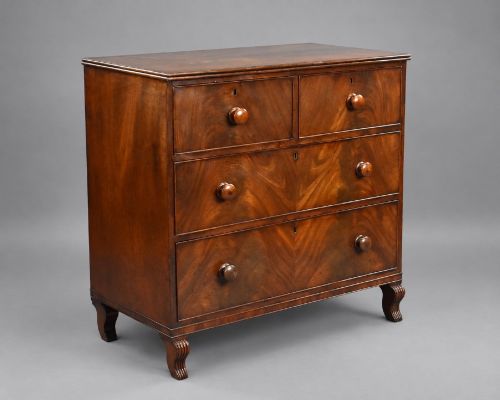
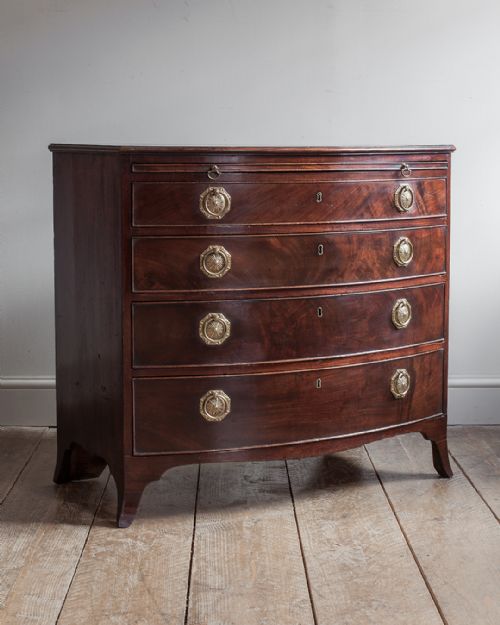
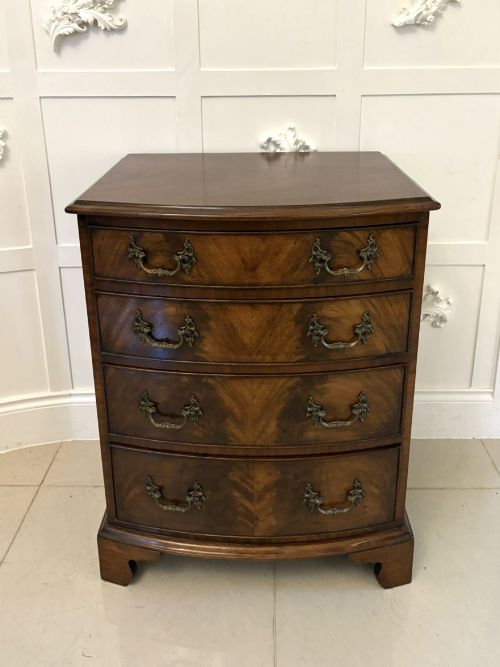
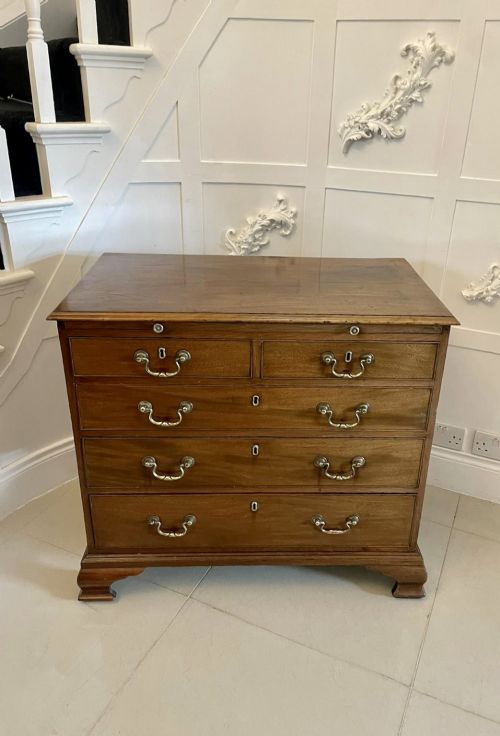
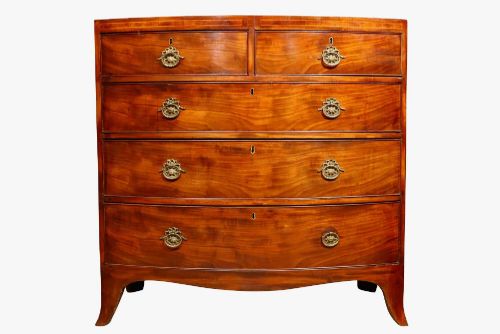
The chests of drawers form the largest share of available items, frequently appearing in straight-fronted and bow-fronted configurations. Makers constructed these storage items primarily for bedrooms and living spaces, incorporating tiered arrangements such as two short drawers over three long drawers.
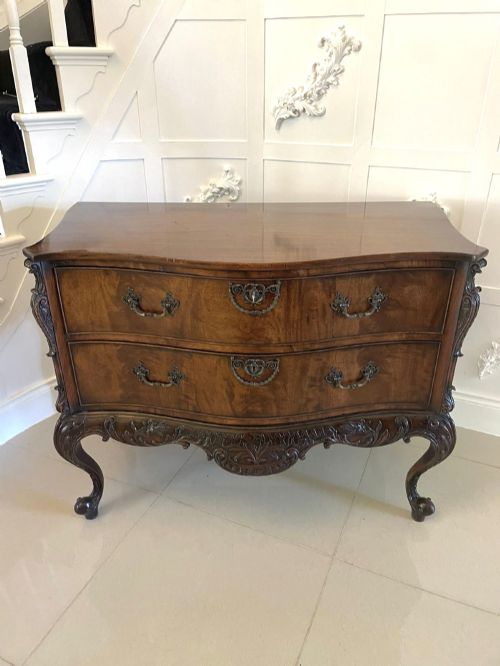
Period variations reveal distinct regional and temporal preferences, from seventeenth-century revivals in oak to refined eighteenth-century cabinet work. Buyers encounter diverse proportions, ranging from tall bedside chests to substantial linen presses and serpentine sideboards.
Factors separating quality ranges
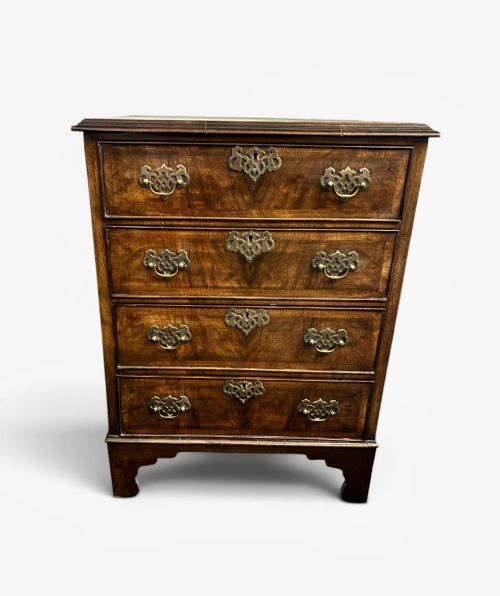
Quality differences emerge through timber selection, where highly figured walnut or flame mahogany veneers distinguish finer pieces from standard utilitarian items. The depth of grain pattern and the symmetry of timber matching across drawer fronts signal superior workshop output.
Construction precision dictates durability, visible in tight dovetail joints, smooth drawer movement, and intact secondary timbers. Original brass hardware, well-fitted brushing slides, and retained backboards further separate exceptional items from later alterations.
Proportion and stylistic cohesion influence overall desirability, with restrained mouldings and balanced hardware placements reflecting disciplined cabinet making traditions. Pieces retaining clean interior linings and crisp carving show superior preservation over time.
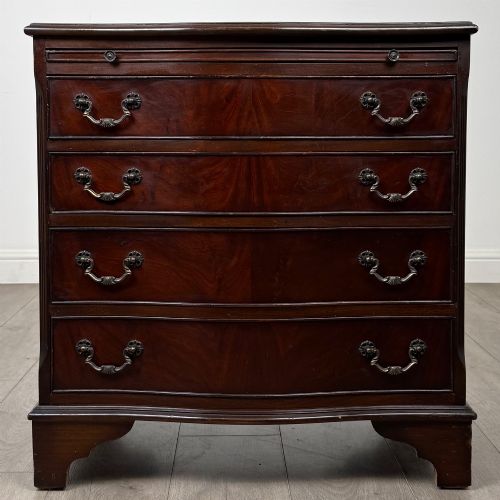
Some chests hide pull-out brushing slides originally designed for servants to brush garments without leaving the bedroom.
The Brown Wood Storage Drawers Glossary
- Bow front
- A convex curved cabinet or chest front that projects outward in a smooth arc. This shape became particularly popular during the Georgian and Regency periods for mahogany chests.
- Brushing slide
- A pull-out shelf integrated above the top drawers of a chest, historically used for folding clothes or writing. It slides flush into the cabinet frame when not in use.
- Serpentine
- A front profile characterised by a concave central section flanked by two convex ends, resembling a gentle wave. Cabinet makers utilised this intricate shape on high-status Victorian and Georgian chests.
- Linen press
- A tall storage cupboard featuring upper doors enclosing sliding trays or shelves, positioned above a base of lower drawers. These items traditionally stored household linens and textiles.
- Flame mahogany veneer
- A thin slice of mahogany timber cut from the fork of a tree where branches meet, creating a vivid, flame-like grain pattern. Craftsmen applied this to prominent surfaces for decorative impact.
Brown Wood Storage Drawers: Frequently Asked Questions
What is the difference between a linen press and a chest?
A chest of drawers consists solely of stacked horizontal drawers utilised for clothing and general storage. A linen press combines upper cupboard doors with internal sliding trays above a lower drawer base.
Linen presses offered specialised storage for folded fabrics and household linens before fitted wardrobes became standard in bedrooms.
Where should I place a bedside chest?
Bedside chests fit alongside standard bed heights to hold reading lamps, books, and small personal items within arm's reach. Their compact footprint suits smaller guest rooms or master suites requiring symmetrical storage.
Matching pairs provide balanced bedside organisation while coordinating with larger wardrobes or main drawer chests in the room.
How do I care for antique mahogany furniture?
Maintenance involves dusting with a soft, dry cloth and applying natural beeswax periodically to nourish the polished timber surface. Avoid placing wooden storage pieces in direct sunlight or near heat sources to prevent timber splitting.
Consistent indoor humidity levels protect delicate veneers and keep traditional joinery stable over decades of daily household use.