
Victorian Dining Room Buffet
A victorian dining room buffet anchors the formal interior with substantial timber and practical storage, offering enduring utility for the modern home.
Victorian Dining Room Buffet
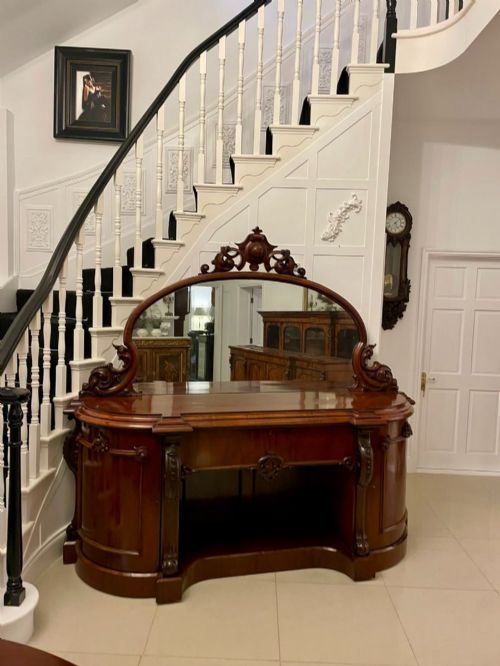
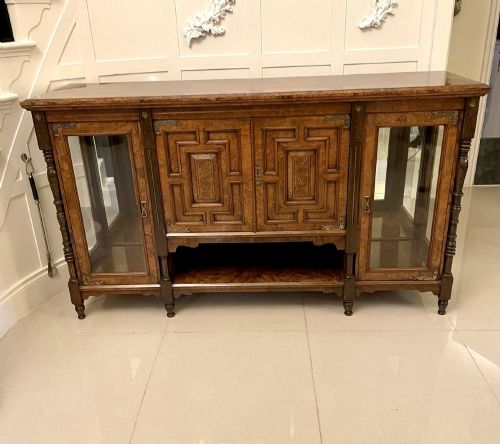
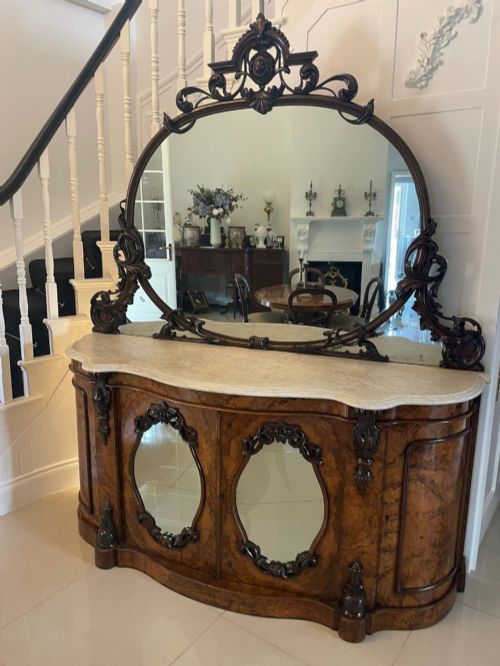
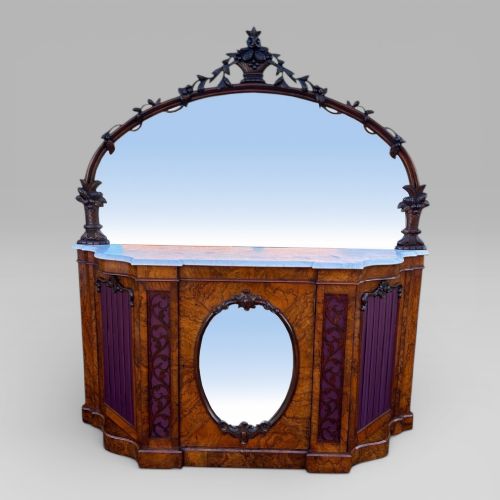
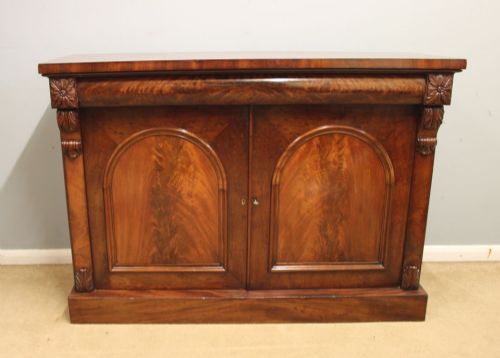
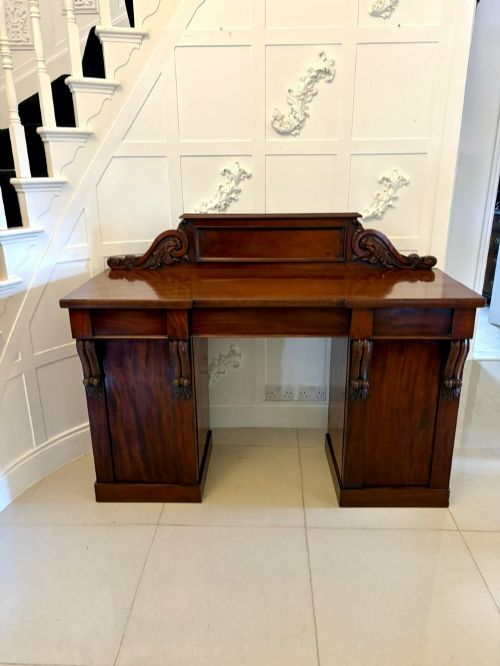
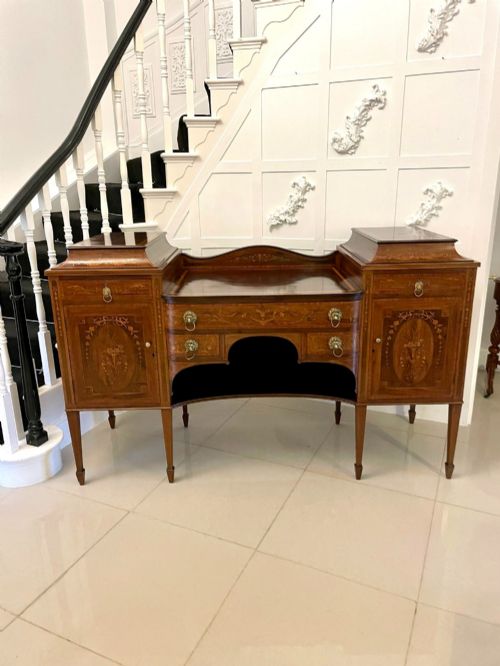
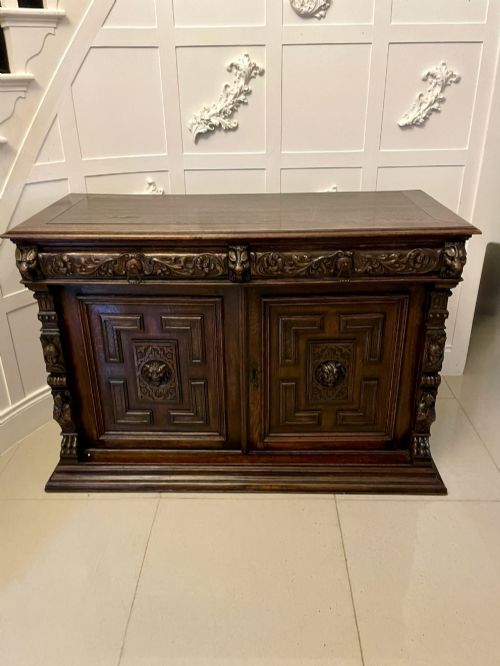
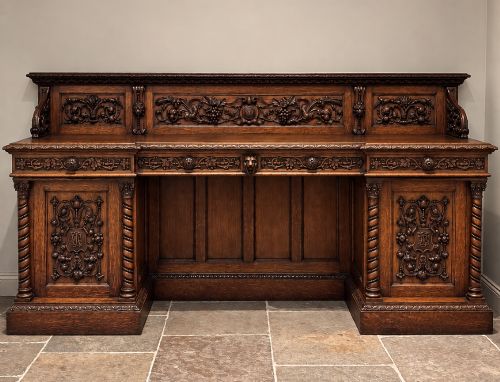
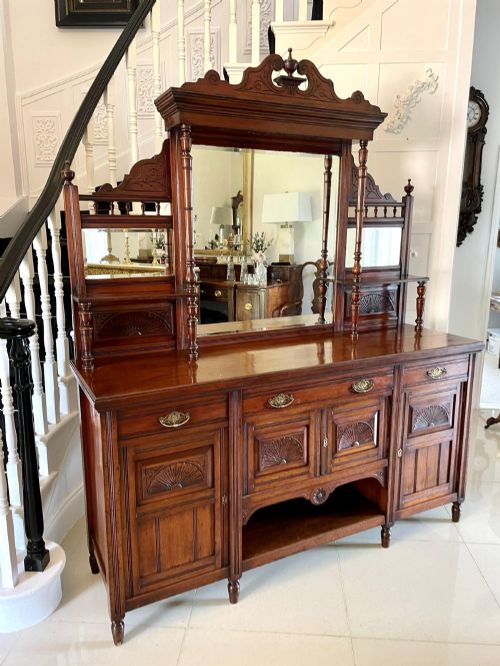
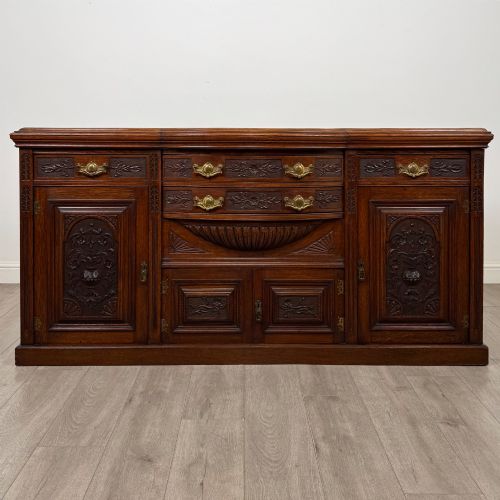
A victorian dining room buffet encompasses large sideboards, credenzas, chiffoniers, and serving pieces designed for domestic dining spaces during the nineteenth century. These forms vary from compact chiffoniers to imposing mirror-backed sideboards intended to display silver and store serving ware.
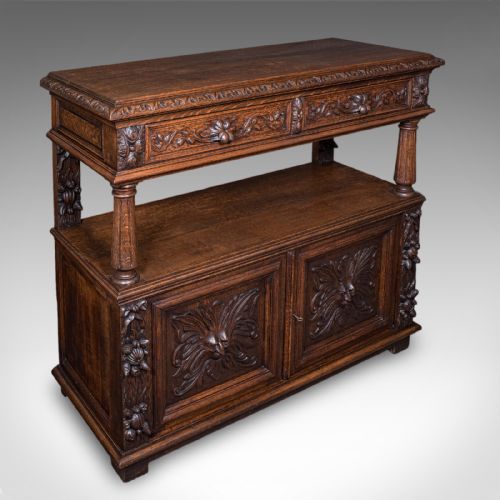
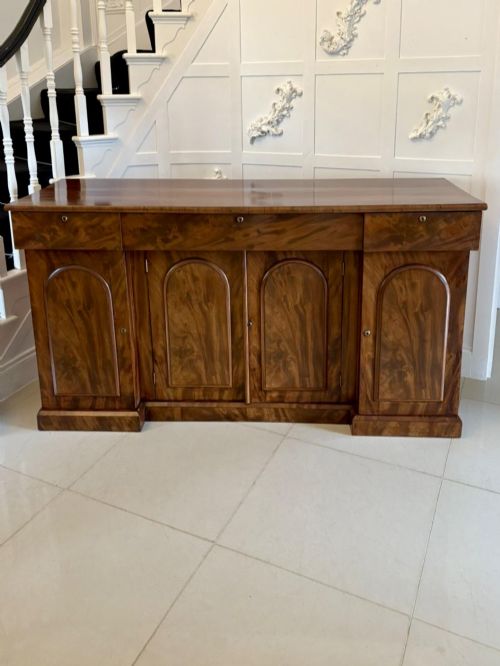
Mahogany and oak dominate the available selection, frequently accompanied by burr walnut, flame mahogany veneer, and occasional marble tops. Pieces span the Victorian era alongside related stylistic revivals such as William IV, Gothic Revival, and Sheraton Revival.
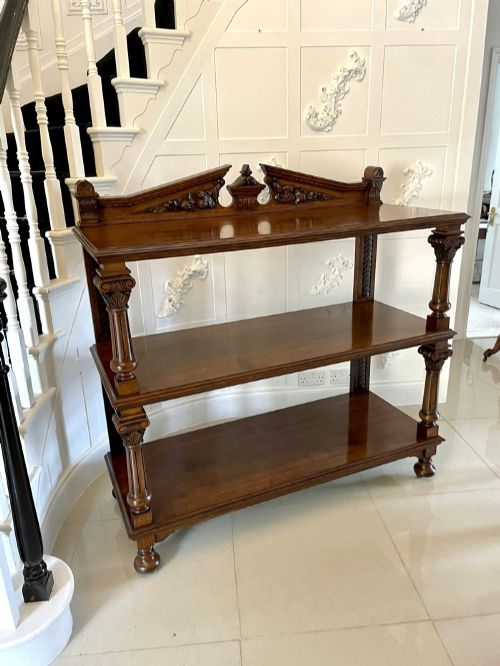
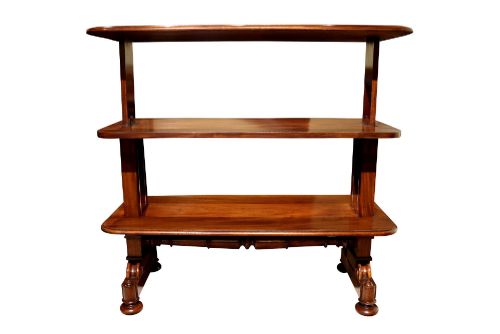
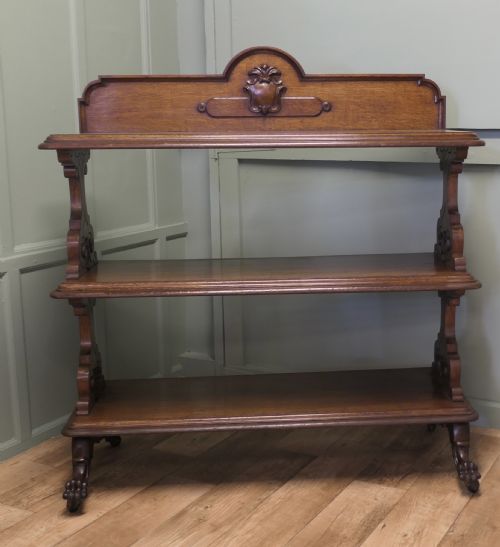
Buyers will encounter substantial pedestal sideboards and carved oak buffets alongside smaller servers and dumbwaiters. These items served dining rooms by holding dishes and organising the formal meal.
Materials and Construction
Cabinet makers utilised solid timbers like oak and mahogany for structural integrity, often applying figured veneers such as burr walnut and flame mahogany to visible surfaces for visual depth. Glass and marble elements appear on select credenzas and mirror-backed cabinets, while brass hardware secures doors and drawers.
Carving, marquetry inlay, and mirror backs define the decorative treatment across these pieces. Joinery relied on traditional techniques to support heavy timber doors, tiered shelving, and substantial marble slabs.
Listings span periods from the 1830s William IV era through the late Victorian decades, utilising oak, mahogany, and burr walnut.
Judging Quality and Execution
Quality rests upon the selection of timber figures and the precision of the carving. Superior examples exhibit tightly figured mahogany or burr walnut veneers paired with deeply undercut, crisp woodcarving rather than shallow machine work.
Structural heft and the integration of secondary woods indicate higher workshop standards. Better pieces maintain balanced proportions between carved mirrors, heavy bases, and applied mouldings.
Hewetsons London
The Victorian Dining Room Buffet Glossary
- Credenza
- A low cabinet for domestic storage and display, frequently fitted with glass doors or mirror backs in Victorian interiors.
- Chiffonier
- A compact sideboard or cabinet featuring a raised shelf or small mirror superstructure, popular throughout the nineteenth century.
- Dumbwaiter
- A multi-tiered serving table with stacked revolving or fixed shelves used in dining rooms for holding dishes.
- Marquetry
- Decorative patterns formed by fitting contrasting pieces of veneer into a timber ground.
- Pollard oak
- Timber taken from trees pruned close to the trunk, producing a clustered, knotted grain pattern.
Victorian Dining Room Buffet: Frequently Asked Questions
How were these buffets used in dining rooms?
These pieces functioned as serving stations during large meals, holding heavy platters, cutlery, and glassware before service.
They also provided prominent display space for silver and ceramics on their upper shelves or mirror-backed ledges.
What woods are most common?
Mahogany and oak appear most frequently across the listed selection, supplemented by walnut and burr walnut.
Veneers like flame mahogany and pollard oak add decorative grain patterns to the primary timber framework.
How do I identify a Gothic Revival piece?
Gothic Revival items display architectural motifs such as pointed arches, quatrefoils, and heavy carved tracery in dark oak or walnut.
These details distinguish them from standard Victorian or Sheraton Revival designs.
Will a large sideboard fit a modern dining room?
Many examples are exceptionally deep and wide, requiring substantial wall space and clearance for heavy doors to open.
Smaller chiffoniers and servers offer similar timber character in more compact footprints.