

Victorian Decorative Plate
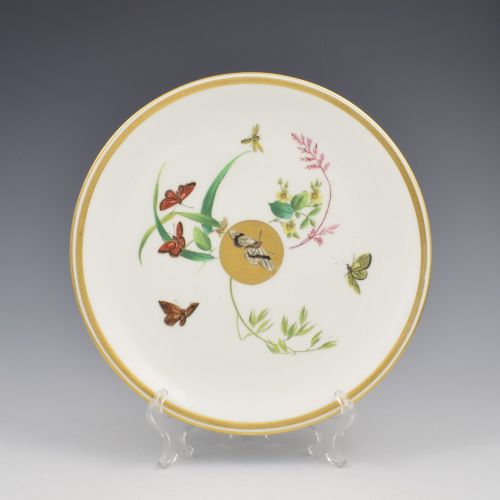
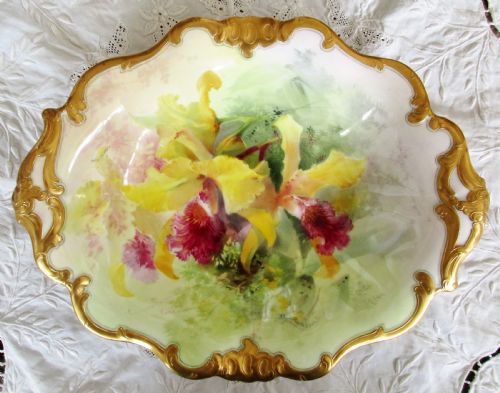
When you handle a victorian decorative plate, you touch an era that turned everyday ceramics into miniature canvases for hand-painted landscapes, armorial crests and intricate botanical studies.
Victorian Decorative Plate
A victorian decorative plate encompasses a wide variety of display pieces, cabinet plates and chargers created during the nineteenth century and the Edwardian era.
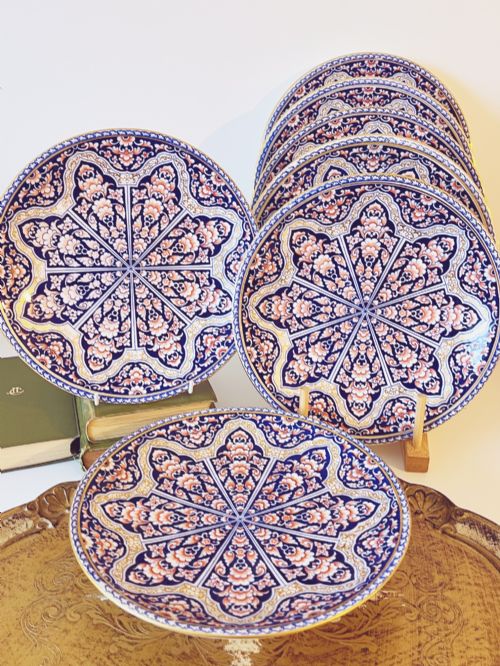
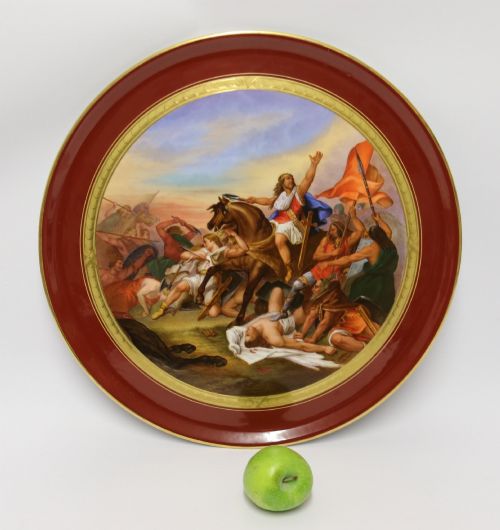
You will encounter English porcelain dessert services from factories like Royal Crown Derby and Minton alongside large French Paris porcelain chargers and transfer-printed earthenware.
Many of these items were intended exclusively for display in cabinets or on walls rather than dining use, reflecting the period's taste for elaborate domestic ornamentation.
Materials and Techniques
Potters utilised fine English and French porcelain, bone china and ironstone as the primary bases, applying hand-painted polychrome enamels and rich gilding.
Makers employed transfer-printing techniques combined with meticulous over-glaze brushwork to depict detailed botanical species, topographical scenes and historical narratives.
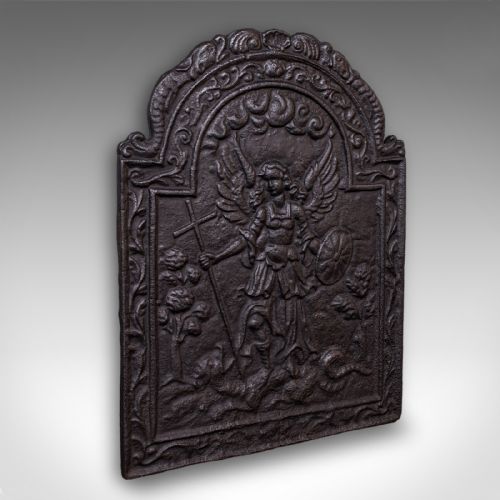
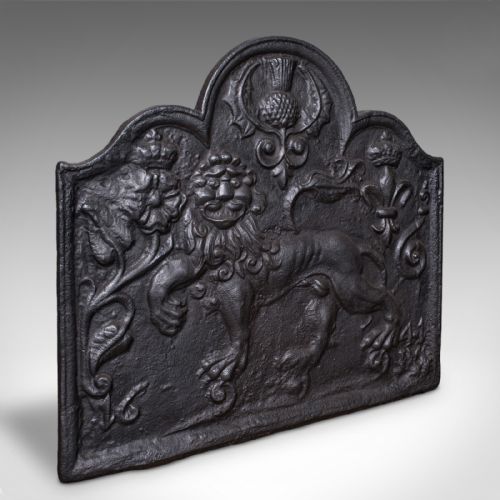
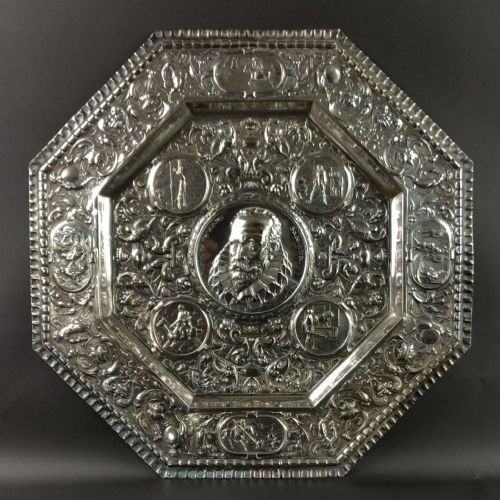
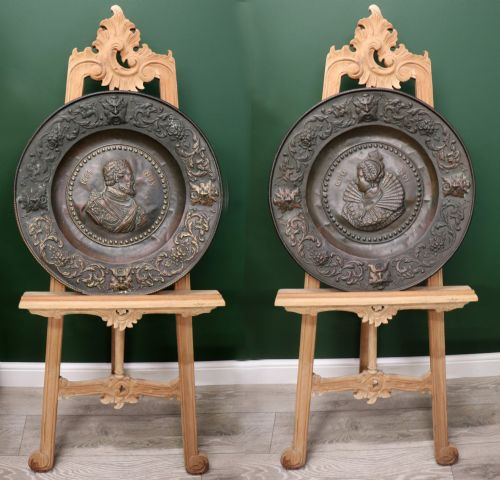
Some decorative chargers and plaques incorporate repoussé metalwork, silver plating or mixed metals to achieve deep relief and contrasting textures.
Someone once preserved a remarkably specific piece of Welsh scenery forever onto earthenware just so we could argue about the weather in Betws-y-Coed.
Craftsmanship and Artistry
The standard of a victorian decorative plate rests upon the precision and ambition of its painted decoration, moving from simple transfer prints to fully realised artist-signed miniatures.
Superior examples feature crisp, thickly applied gilding and vibrant, stable enamel work that retains its depth without rubbing or fading across the glazed surface.
The reputation of the pottery and the individual skill of named ceramic artists elevate certain cabinet dishes and dessert services far above standard commercial production.
Royal Crown Derby·Royal Doulton·Copeland Pottery·Aynsley·Minton·Coalport
The Victorian Decorative Plate Glossary
- Cabinet plate
- A display plate intended for visual admiration inside a glazed piece of furniture rather than practical table service. These items often feature richer gilding and more elaborate hand-painted subjects than everyday tableware.
- Charger
- A large decorative plate or platter used primarily for presentation, display or as a base setting beneath other vessels. They frequently exhibit bolder pictorial scenes or repoussé metalwork.
- Imari
- A decorative style originating in Japan and widely emulated by European potteries during the Victorian period. It is characterised by a distinctive palette of underglaze blue, iron red and abundant gold leaf.
- Armorial
- A ceramic piece decorated with a family crest, coat of arms or heraldic insignia. Such items were frequently commissioned by landed families and prominent lineages.
- Repoussé
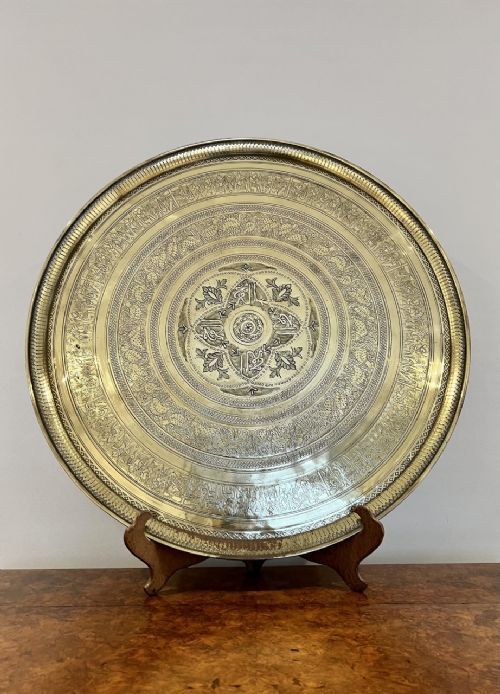
- A metalworking technique where the artisan hammers the design from the reverse side to form a raised relief on the front. This method appears on copper, brass and silver-plated chargers and trays.
Victorian Decorative Plate: Frequently Asked Questions
How were these plates displayed originally?
Victorian households typically displayed cabinet plates and chargers on specialised wall brackets, plate rails or within glazed display cabinets in drawing rooms. This allowed hosts to showcase their refined aesthetic taste to visiting guests.
Larger chargers and metal plaques were frequently hung directly on walls or set upon buffets and sideboards as decorative centrepieces.
Are these plates safe for serving food?
Most antique decorative plates from this period are intended strictly for ornamental display rather than culinary use. The over-glaze enamels and delicate gilding can wear away with frequent washing or acidic foods.
Furthermore, nineteenth-century ceramic glazes occasionally contain trace elements that make modern food service inadvisable.
How do I identify a named view plate?
Makers often inscribed the specific geographic location, castle or landscape title directly onto the reverse of the ceramic body alongside the factory mark. These handwritten or printed titles record specific British or European destinations popular during the nineteenth century.
Artists occasionally signed their landscape miniatures near the edge of the painted scene on the front.
What is the difference between a plate and a charger?
A charger is substantially larger than a standard dining or dessert plate, generally measuring well over thirty centimetres in diameter. They were designed to dominate a wall display or anchor a decorative table arrangement.
Plates were typically produced as part of larger dessert services or single cabinet presentations.