


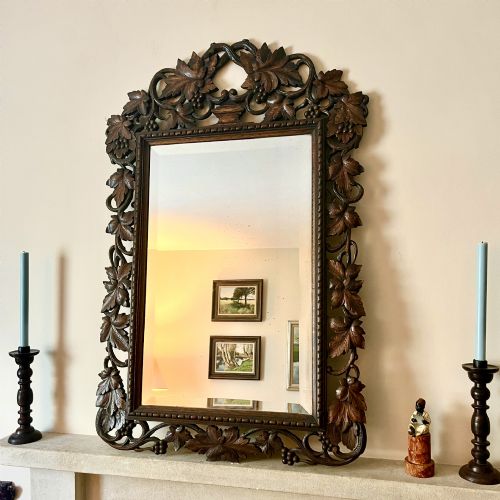
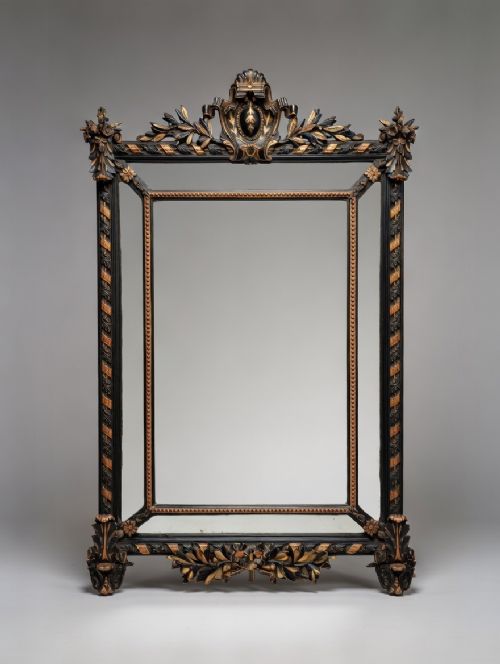
Victorian Decorative Mirror
When you select a victorian decorative mirror, you bring home a nineteenth-century glass framed in carved wood, gilt gesso, or polished metal to catch the light.
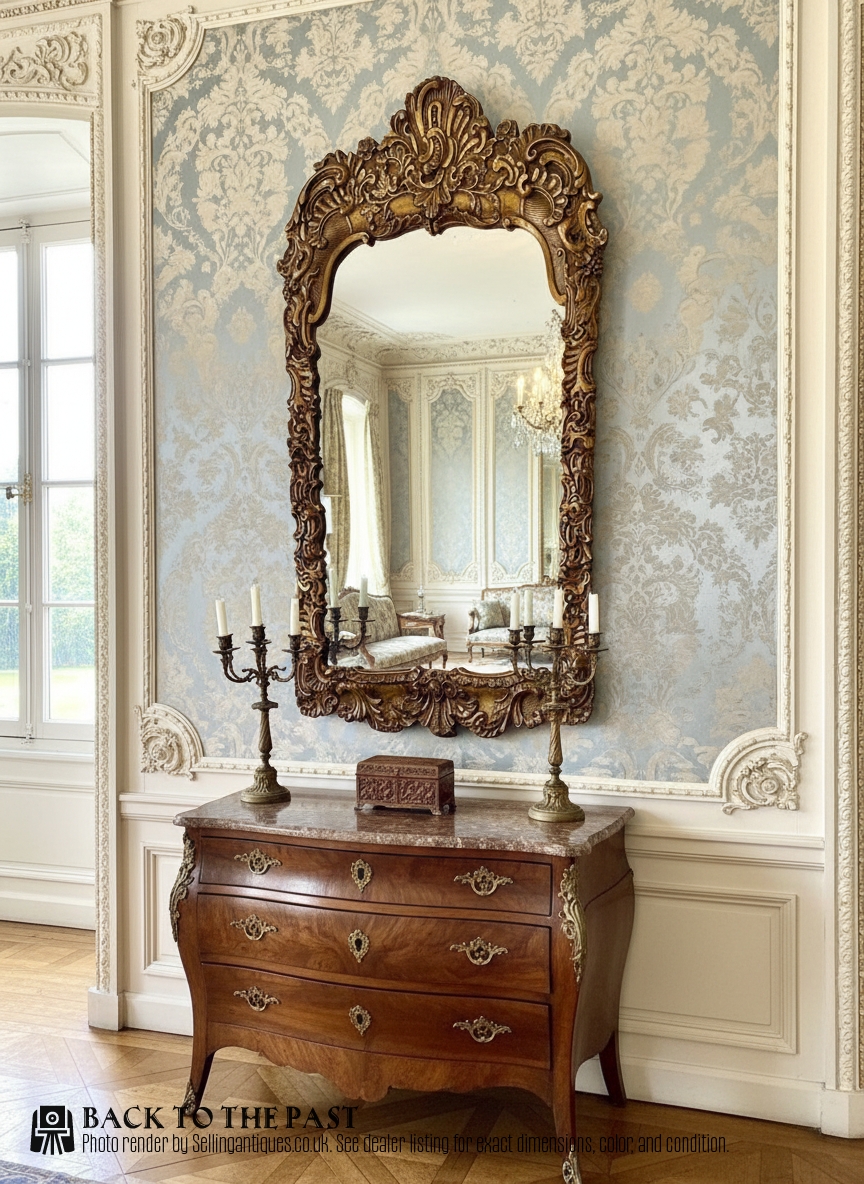
Victorian Decorative Mirror
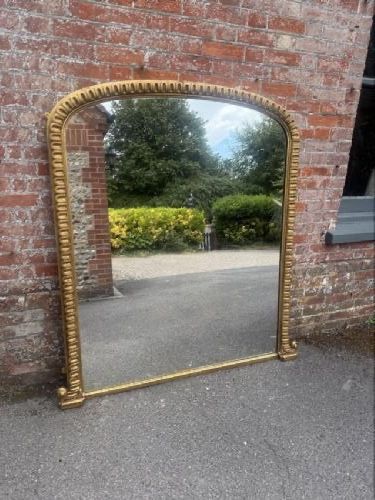
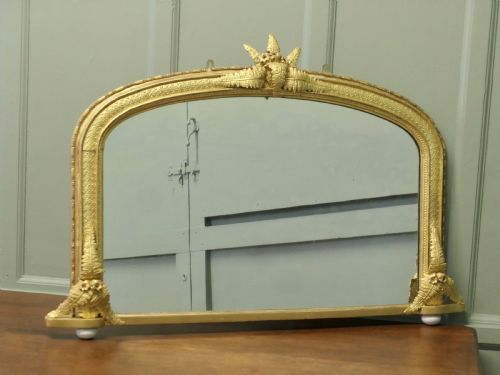
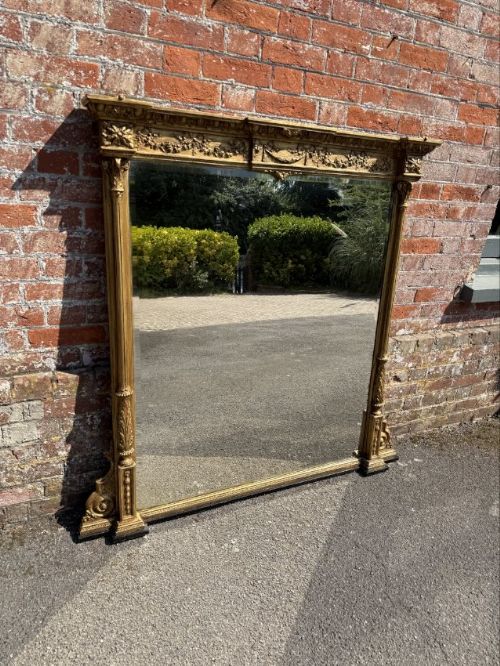
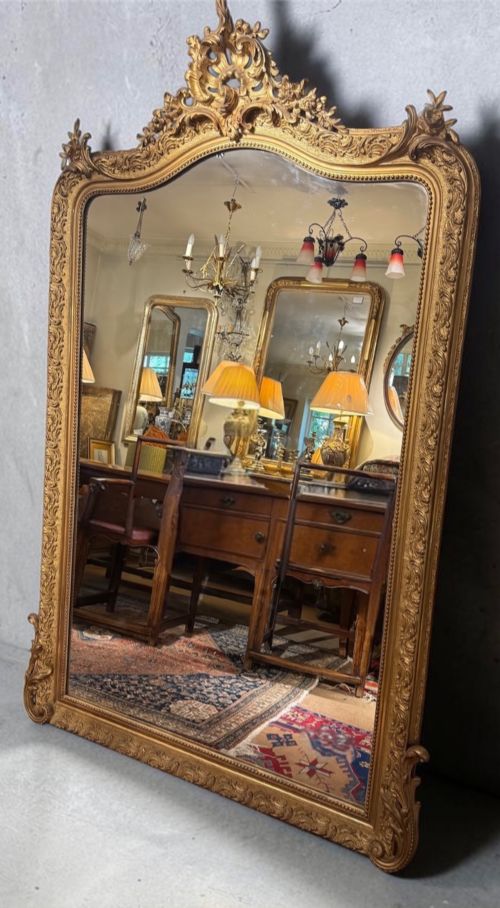
A victorian decorative mirror comprises wall-hanging plates, grand overmantels, and smaller dressing glasses produced across the nineteenth century. These objects served both a practical purpose for grooming and an architectural one for brightening darker period rooms.
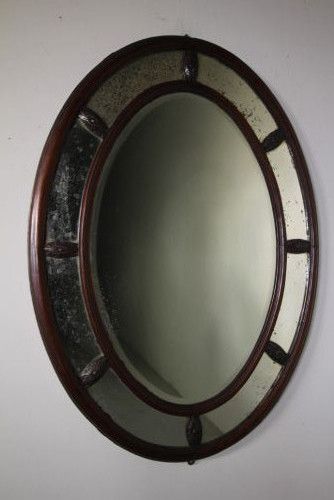
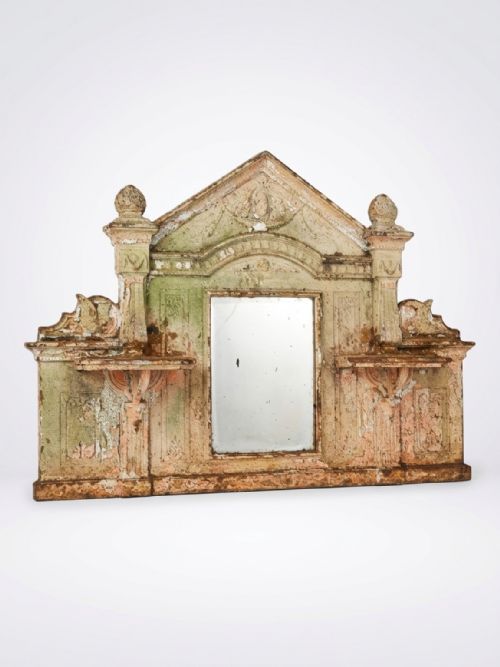
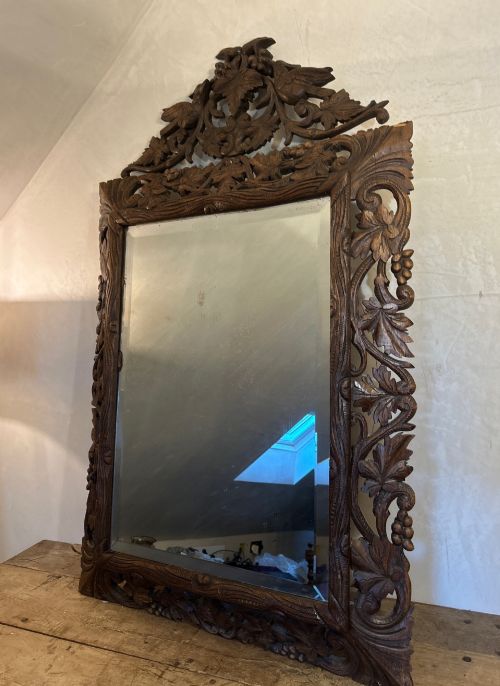
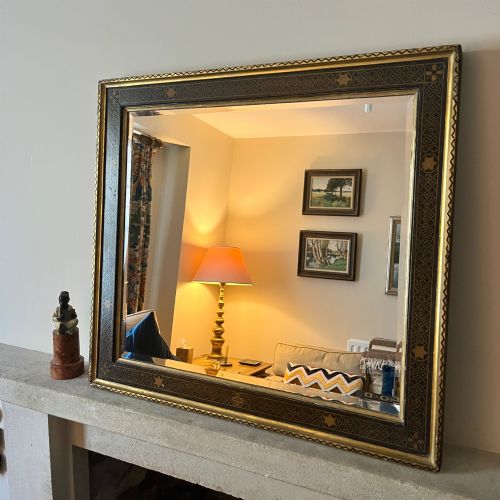
The selection ranges from massive arched giltwood overmantels designed to sit above a fireplace to compact walnut, ebonised, and mahogany wall mirrors. Makers employed styles spanning French rococo revival, neoclassical, and gothic, alongside Venetian etched glass.
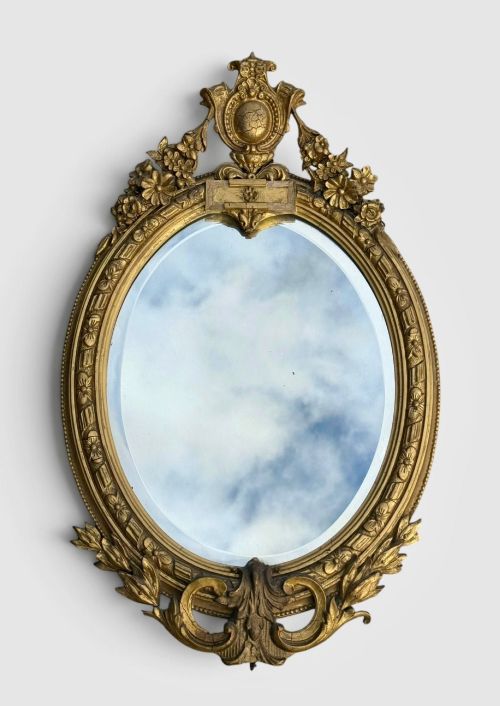
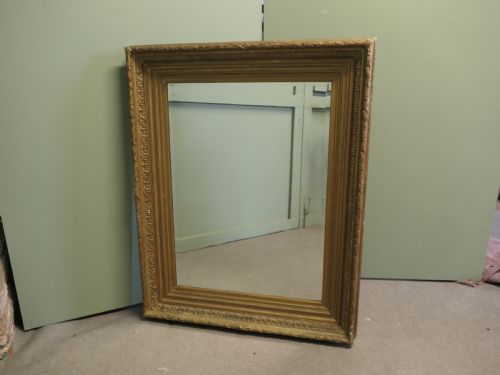
Most examples date from the decades between eighteen-sixty and nineteen-hundred, capturing the eclectic tastes of the period. Buyers find everything from simple brass-mounted timber frames to ornate carved gesso pieces laden with floral motifs and cartouches.
How They Were Made
Craftsmen built the underlying structures from timber such as oak, walnut, mahogany, and ebonised wood, often applying plaster layers for intricate ornamentation. Giltwood pieces received thin applications of gold leaf over red bole grounds, whilst other frames relied on cast brass or parcel-gilt details.
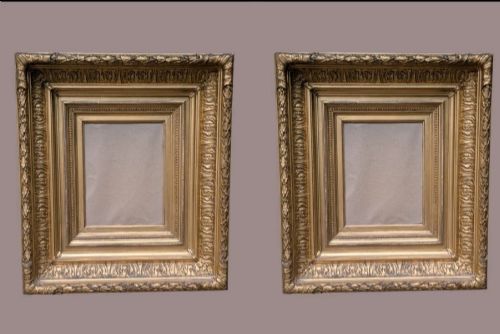
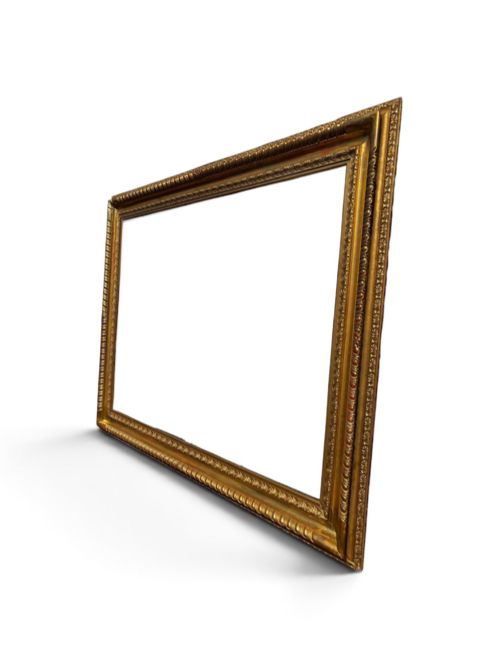
Moulded gesso allowed artisans to shape elaborate scrolls, urns, swags, and gadrooned edges before gilding or painting. Glass plates were bevelled or flat-cut, secured into rebates at the rear, and protected with traditional wooden backs.
Victorian Decorative Mirror Retail Price Guide 2026
Typical asking prices for victorian decorative mirror among the pieces listed under this phrase on Sellingantiques today, from the lower quarter to the upper quarter. They describe what is for sale here now, not the wider market.
Listings feature materials ranging from giltwood and gesso to brass, tortoiseshell, and ebonised wood across the nineteenth century.
What Varies in Quality
The depth and crispness of the carving distinguish finer pieces from simpler commercial output. Hand-modelled gesso and deeply undercut wooden foliage show superior craftsmanship compared to shallow, mass-produced mouldings.
The integrity of the gilding and the preservation of the original mirror glass indicate how well a piece survived its age. Original mercury or silvered plates display gentle foxing, while heavier carved frames require stable joinery at the mitres and corners.
The Victorian Decorative Mirror Glossary
- Gesso
- A plaster mixture applied to wood frames as a base for gilding or painting. It allowed carvers to achieve sharp relief details.
- Giltwood
- Timber coated with gold leaf over a prepared ground. This technique creates a rich metallic sheen characteristic of nineteenth-century reception rooms.
- Overmantel
- A large mirror designed specifically to hang on the wall directly above a fireplace mantelpiece. These often feature arched tops or horizontal proportions.
- Parcel-gilt
- Woodwork where only specific raised portions receive gilding while the rest remains dark wood or painted. This highlights the carved decoration.
- Cartouche
- An ornamental tablet or oval frame motif resembling a rolled-up scroll. It frequently forms the central cresting on grander wall mirrors.
- Patera
- A circular ornamental bas-relief resembling a classical libation dish. Makers used them as repeating decorative bosses on frames.
Victorian Decorative Mirror: Frequently Asked Questions
Where should I hang a large overmantel mirror?
These grand pieces sit naturally above a fireplace in a principal reception room, reflecting light back into the space. Their proportions also suit placement above a low sideboard or along a hallway.
Ensure the wall construction can support the substantial weight of timber, plaster, and glass. Secure fixings directly into studs or masonry rather than relying solely on plasterboard.
How do I identify a Victorian mirror from a later copy?
Examine the construction of the wooden backboards, the type of screws or nails used, and the ageing of the mirror plate itself. Nineteenth-century pieces often exhibit hand-bebevelled edges and oxidation patterns known as foxing.
Styles from the era lean heavily into specific revivals like French rococo or neoclassical, executed with traditional materials like gesso over pine or hardwood rather than modern resins.
Can these mirrors be cleaned safely?
Use a soft, dry microfiber cloth to remove dust from delicate gilt gesso and carved wooden frames. Moisture can damage old water-gilding and cause the underlying plaster to soften.
Apply glass cleaner sparingly to a cloth rather than spraying the mirror directly, preventing liquid from seeping behind the plate and degrading the silvering.
What distinguishes ebonised frames from standard wood?
Ebonised wood is timber treated with a chemical stain or black finish to imitate expensive ebony. Victorian makers favoured this dark, formal look for contrast against gilt details.
These frames often date towards the later decades of the nineteenth century, pairing well with both traditional and contemporary interior schemes.