



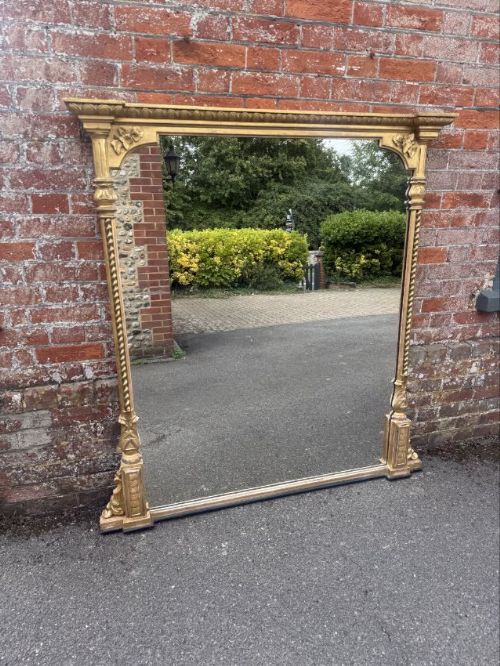
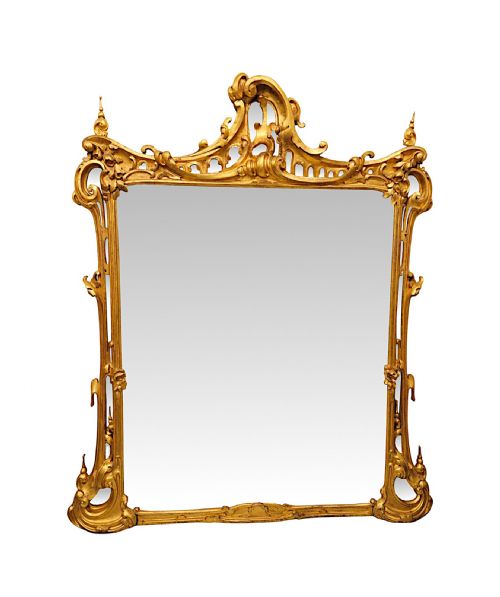
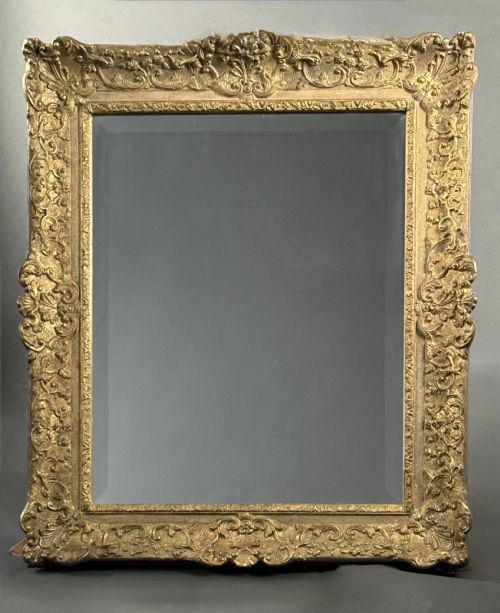
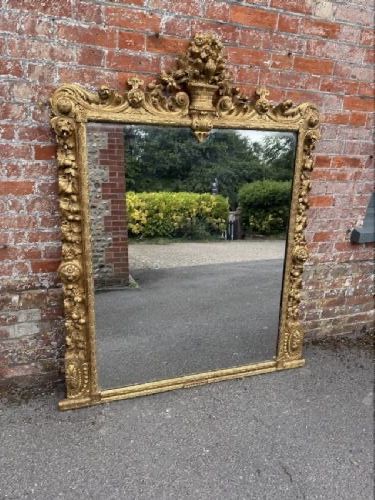
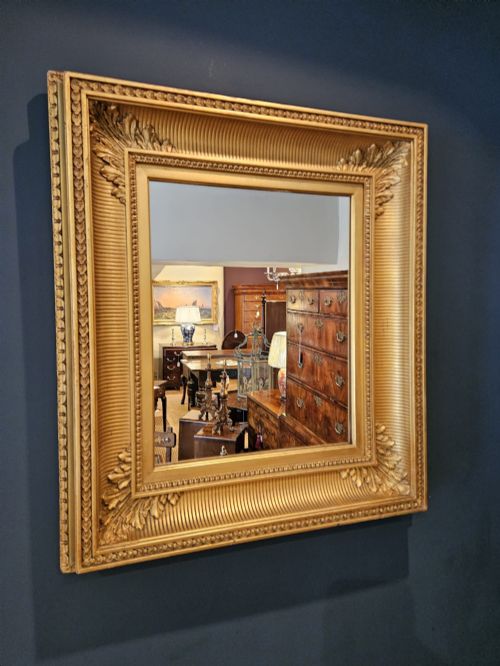
Victorian Giltwood Wall Mirror
When choosing a victorian giltwood wall mirror, you invite centuries of luminous craftsmanship and grand interior presence into your home.
Victorian Giltwood Wall Mirror
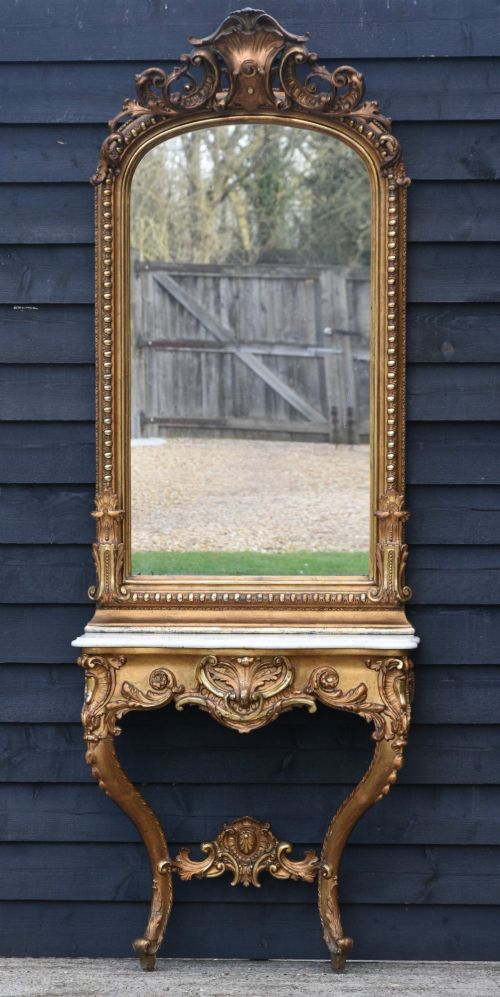
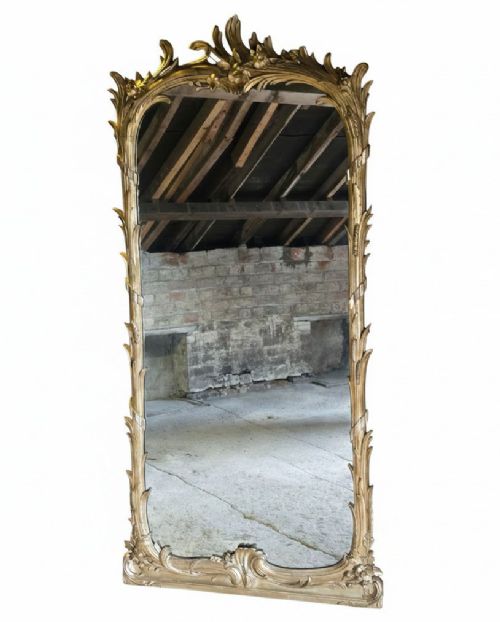
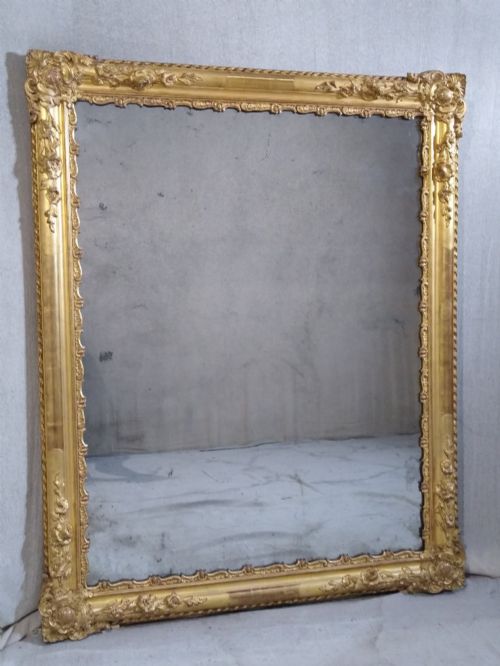
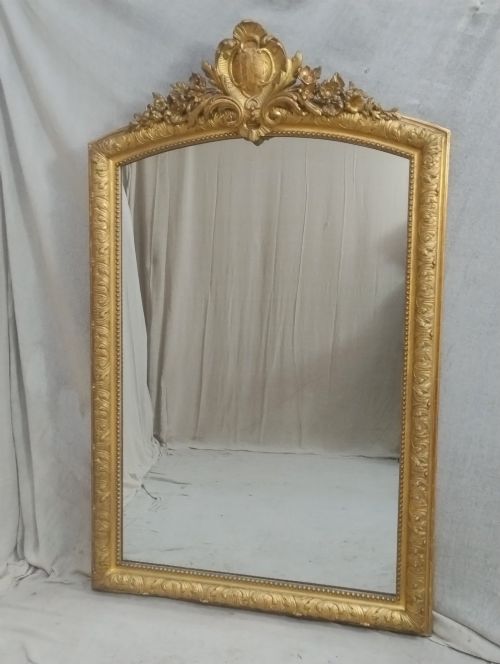
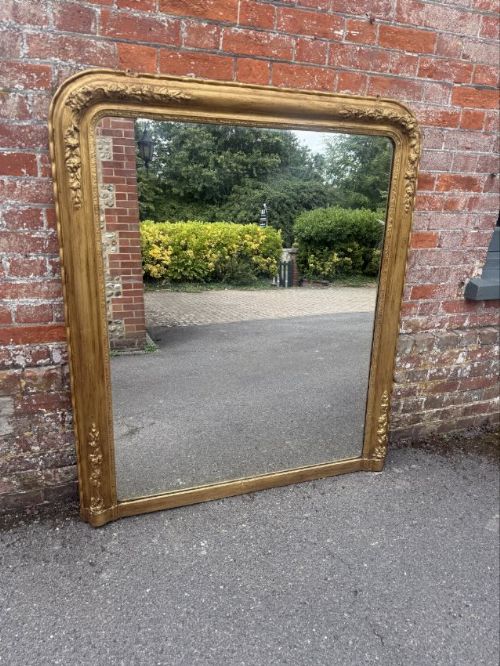
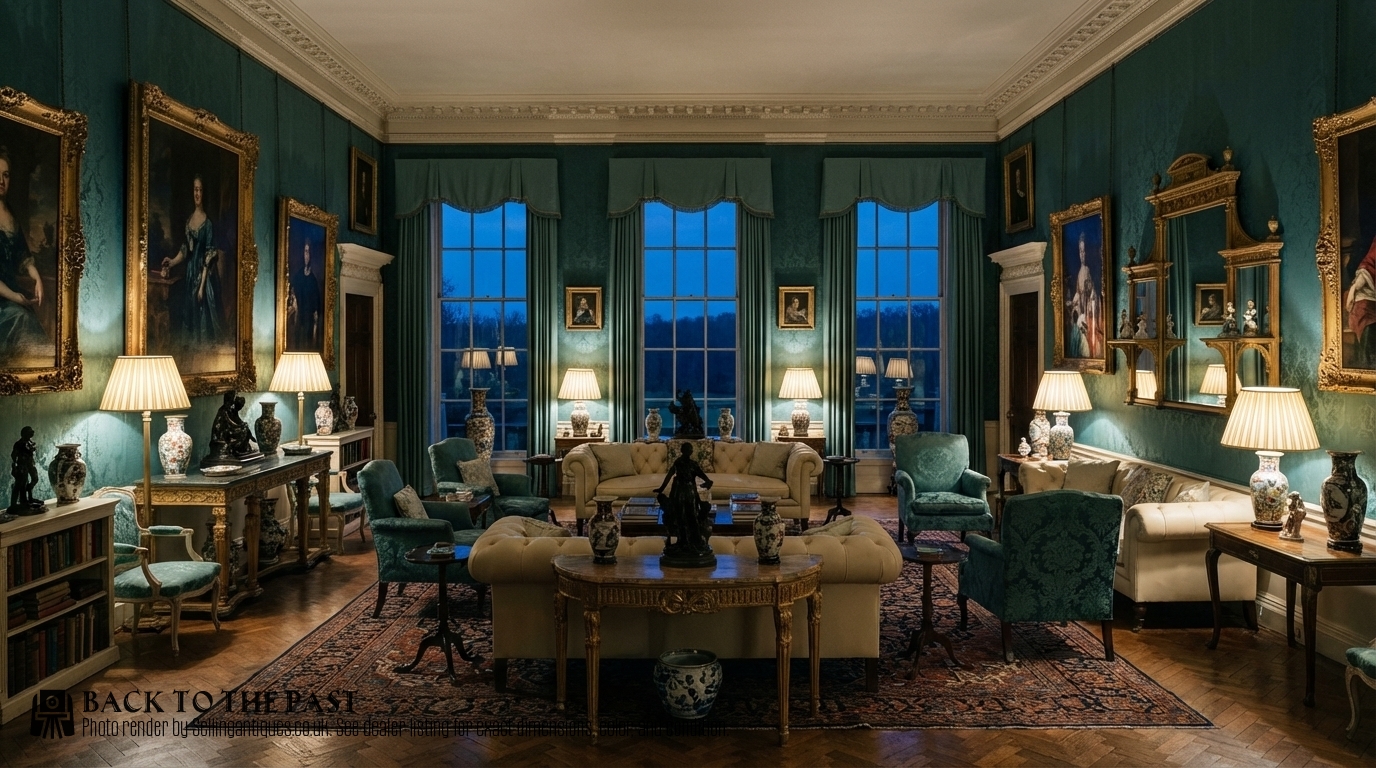
A victorian giltwood wall mirror serves as a prominent focal point, historically designed to reflect candle or window light across a grand room. These pieces appear frequently as tall overmantels, pier glasses, and robust wall-hung frames designed to anchor a formal interior.
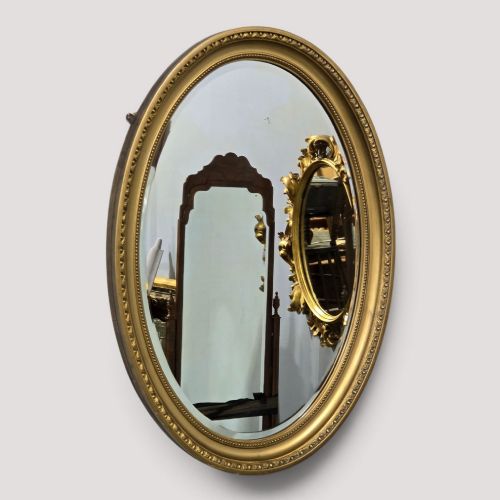
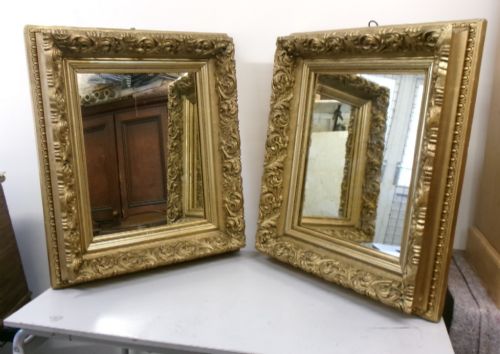
Makers and workshops across the nineteenth century produced these looking glasses in various scales, ranging from intimate oval frames to monumental architectural overmantels spanning over a metre in height. English and French examples dominate the record, frequently incorporating stylistic elements from Rococo Revival and classical revival movements.
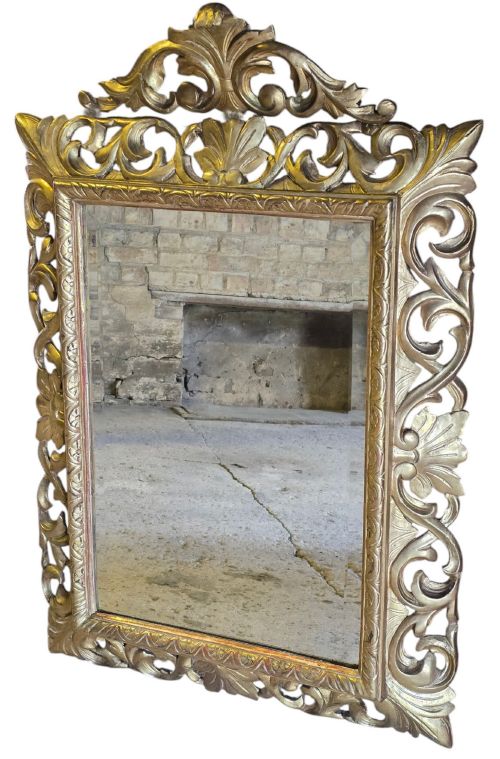
Buyers encounter both rectangular and arched top formats, often adorned with organic motifs such as acanthus leaves, rose vines, or rope twist details. Surviving pieces bridge domestic utility and sculptural art, functioning today much as they did in Victorian parlours.
How They Were Made
Carved timber foundations - most commonly softwoods or hardwoods - formed the structural base for these elaborate frames, providing a stable skeleton for subsequent ornament. Artisans applied layers of gesso, a fine plaster mixture, directly onto the wood to build up high-relief carvings and crisp moulding profiles.
Gilding involved applying delicate gold leaf or composition metal onto the prepared gesso surfaces, often burnished to achieve a brilliant metallic sheen. Alternatively, some pieces utilised simple gilt paint or direct gilding over carved wood, while mirror glass was silvered and occasionally bevelled or left with natural age foxing.
Listings feature periods spanning from the 1850s through the Edwardian era, predominantly showcasing Victorian and 19th-century craftsmanship.
What Varies in Quality
The depth and sharpness of the hand-carved wood and gesso ornamentation separate standard production pieces from exceptional works of art. Deep undercutting, intricate relief work, and well-preserved gilding demonstrate superior artisan skill during manufacture.
The integrity of the original mirror plate and the weight of the timber frame indicate the overall grade of the object. Heavier, substantial framing with original mercury-silvered or early glass plates retains greater integrity and historical presence than later replacements.
The Victorian Giltwood Wall Mirror Glossary
- Giltwood
- Wood that has been coated with gold leaf or metal leaf. This finish gives the frame its characteristic metallic brilliance and warm golden tone.
- Gesso
- A plaster-like mixture applied to wood frames to create a smooth surface for carving and gilding. It allows artisans to shape intricate relief ornamentation.
- Overmantel
- A large mirror designed to hang specifically above a fireplace mantelpiece. These pieces often feature extended horizontal or arched proportions.
- Pier Glass
- A tall, narrow mirror traditionally hung on the pier or wall space between two windows. They frequently accompanied matching console tables.
- Girandole
- A decorative wall mirror featuring attached candle sconces. The candle arms reflect additional light across the room.
Victorian Giltwood Wall Mirror: Frequently Asked Questions
What is the difference between an overmantel and a wall mirror?
Overmantel mirrors were specifically constructed to sit above fireplace surrounds, often possessing wider proportions or shaped arches to fit architectural chimney breasts. Standard wall mirrors were designed for general placement across hallways, parlours, and drawing rooms.
While both share giltwood and gesso construction methods, their original domestic positioning dictated their dimensions and framing emphasis.
How should I clean a antique giltwood frame?
Dust the intricate gesso and carved details gently using a soft, dry brush or feather duster. Moisture can damage fragile historic gilding and expose the underlying plaster.
Avoid chemical cleaning sprays and commercial polishes entirely. Gentle, dry maintenance preserves the delicate gold leaf and historical surface patina.
Can I date a mirror by its glass plate?
Original glass plates often exhibit characteristic foxing, minor imperfections, or wavy distortions indicative of nineteenth-century manufacturing techniques. Bevelled edges and mercury silvering can also provide clues regarding the period of production.
Replacement glass is common in older frames, so examining the backing boards and framing pins alongside the glass helps confirm the age of the piece.