



Large Victorian Overmantel
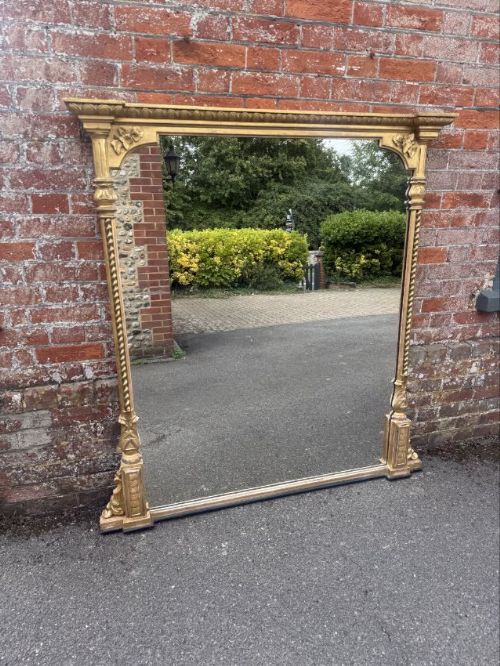
A large victorian overmantel anchors a room with scale and reflected light, offering substantial presence above a fireplace.
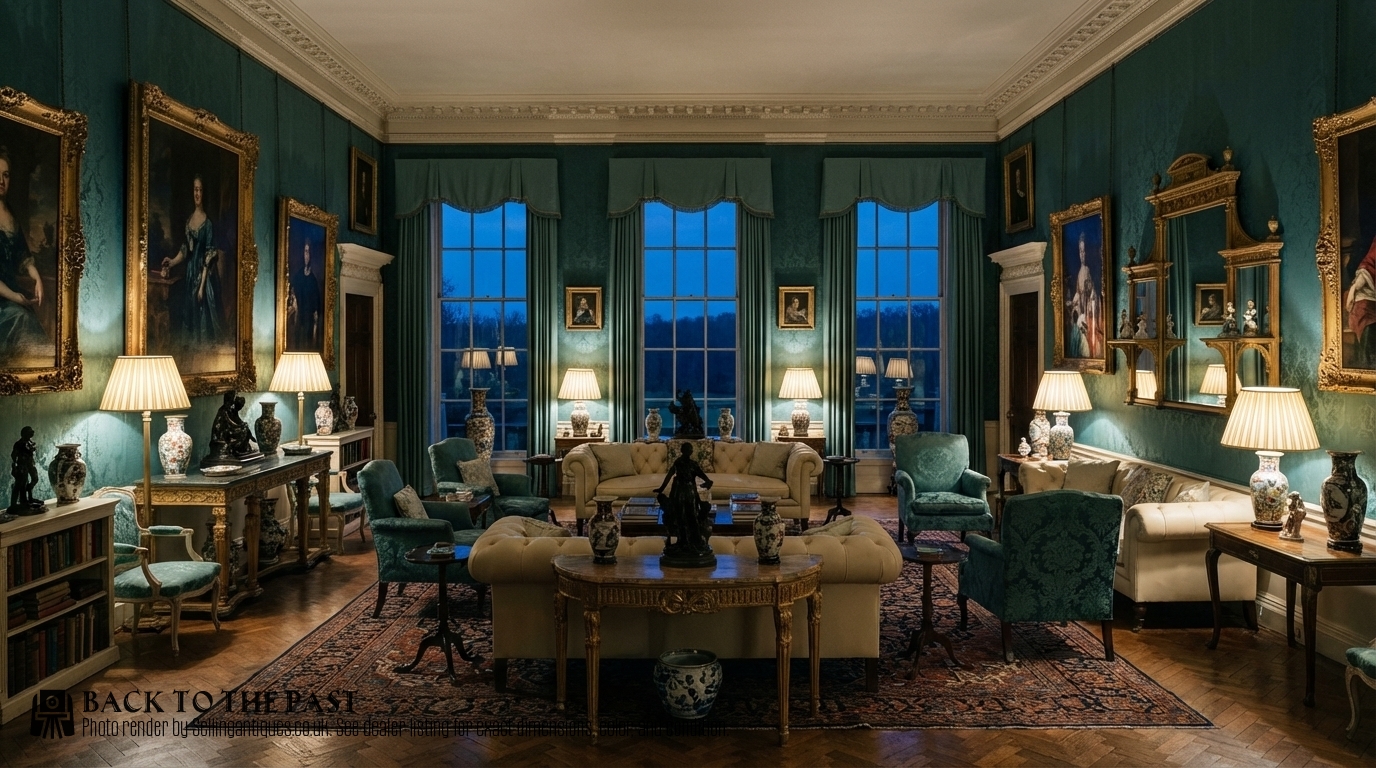
Large Victorian Overmantel
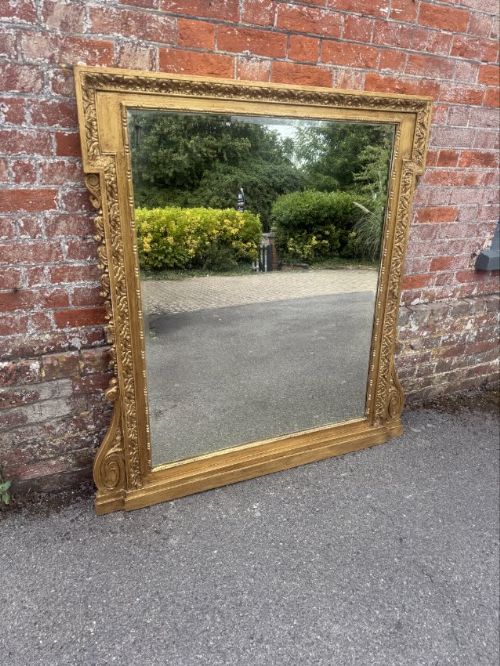
A large victorian overmantel sits traditionally above a fireplace mantelpiece, designed to command the primary wall of a formal room. These pieces span the nineteenth century, with specific examples appearing from decades such as the eighteen fifties, sixties, seventies, and eighties.
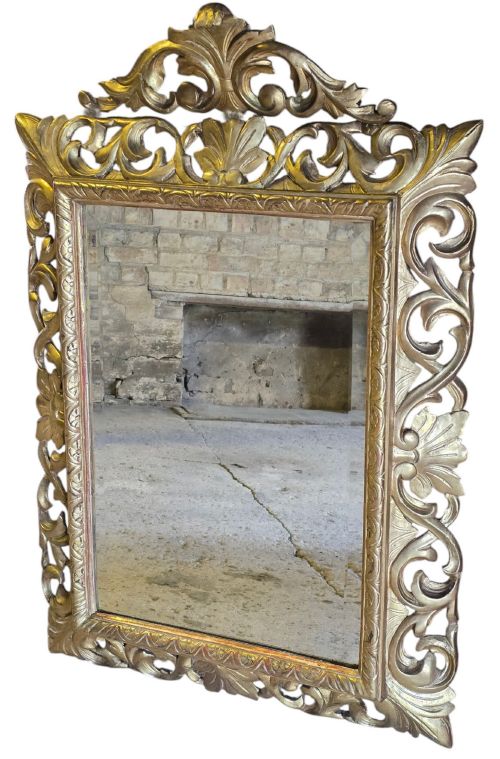
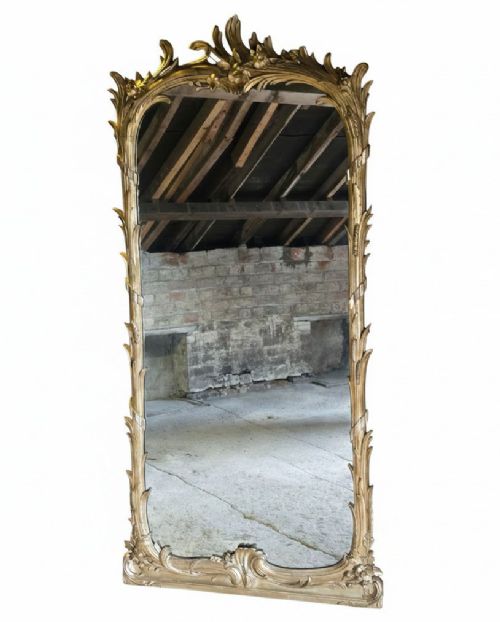
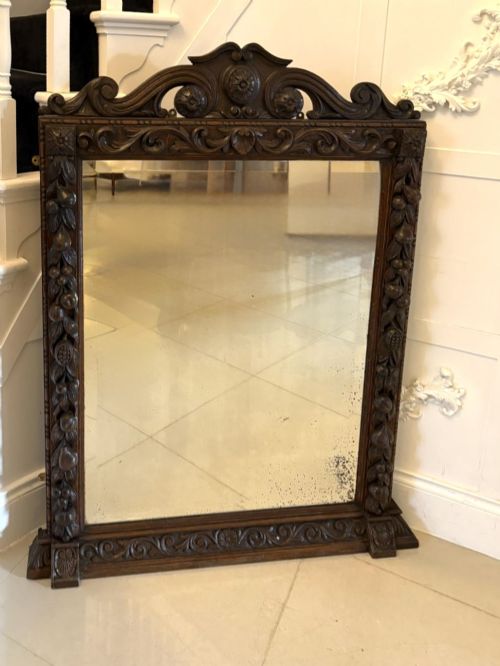
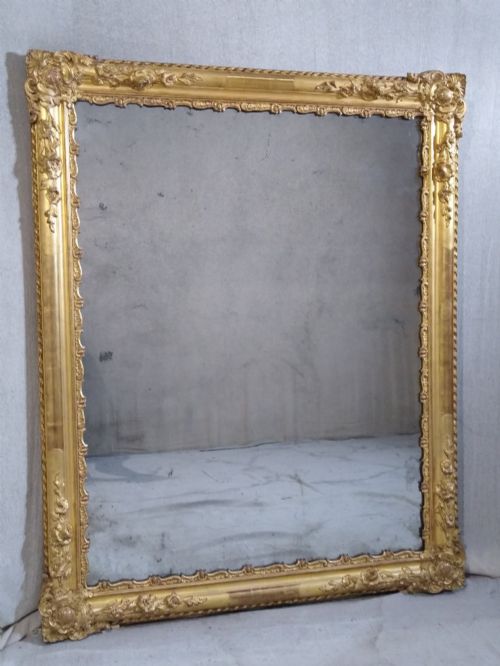
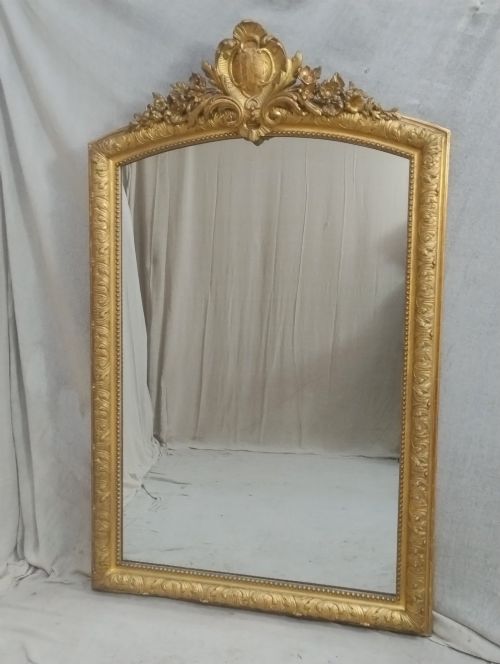
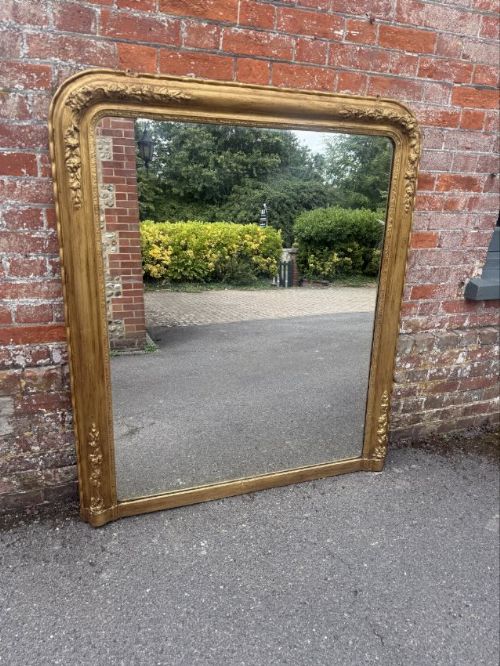
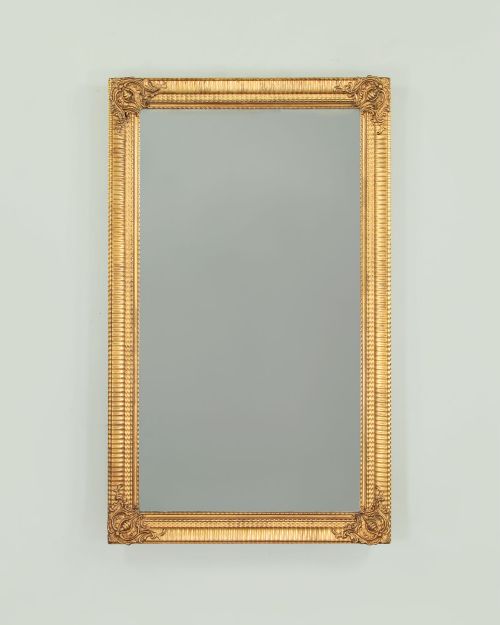
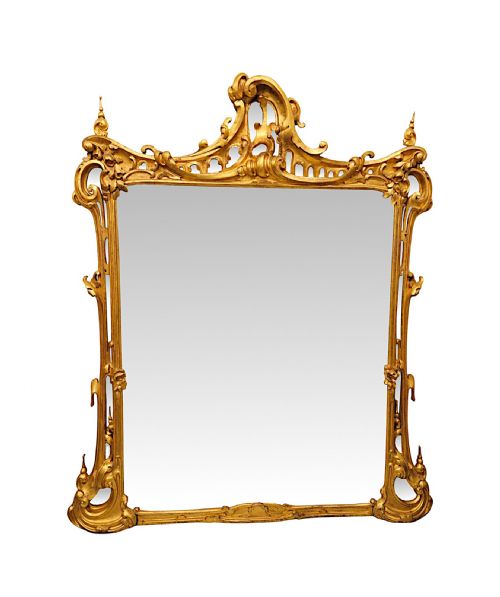
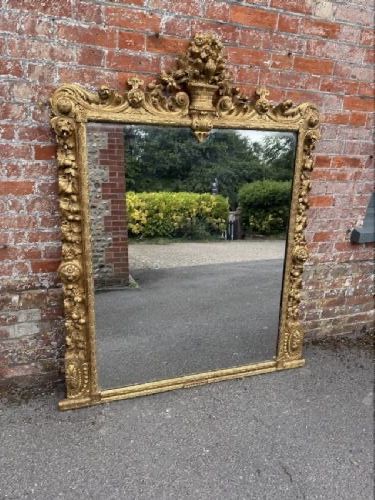
The prevailing form on this page is the arched top mirror, frequently executed in gilded finishes or carved wood. Alongside giltwood, variants emerge in oak, walnut, mahogany, and painted surfaces.
Makers shaped these plates to reflect light into the principal chambers of Victorian homes, utilising monumental proportions that often exceed one hundred and sixty centimetres in height.
How They Were Made
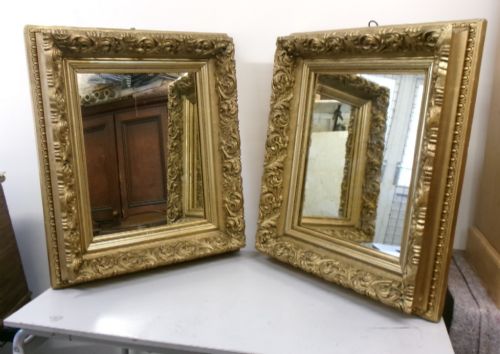
Wood carvers shaped foundational timbers such as oak, walnut, or pine, constructing robust frames to support heavy glass plates. Artisans then applied layers of gesso onto the wooden substrate to build up decorative reliefs and scrolls.
Gilders finished these surfaces with gold leaf or metallic paint, creating the luminous quality seen on giltwood frames. Composition ornament was pressed into moulds and fixed to the frame to achieve intricate Victorian and revival details efficiently.
Several mirrors arrive with nautical rope twist frames, bringing unexpected maritime texture to formal nineteenth-century drawing rooms.
What Varies in Quality
Depth and crispness of the carved woodwork separate standard framing from exceptional craftsmanship. Hand-carved details and layered gesso relief display sharper definition than moulded composition ornaments.
Survival of the original mirror plate influences the character of the object, showing period foxing and silvering depth rather than modern uniform reflection. Frame integrity, original gilding, and structural joinery determine the overall standing of each piece.
The Large Victorian Overmantel Glossary
- Overmantel
- A mirror or decorative piece specifically scaled to hang on the wall directly above a mantelpiece. These items were essential fixtures in nineteenth-century domestic interiors.
- Gesso
- A plaster-like mixture applied to wood frames to create a smooth surface for gilding or to form low-relief ornamentation. It allows for intricate decorative moulding around the mirror glass.
- Giltwood
- Timber that has been coated with gold leaf or gold paint. This finish defines the most common decorative treatment for Victorian wall mirrors.
- Composition
- A moulded mixture of whiting, linseed oil, resin, and glue pressed into decorative shapes. It was widely utilised as a cost-effective alternative to hand carving.
- Pier glass
- A tall mirror designed to hang on the wall space between windows. These mirrors share period construction methods with overmantels.
Large Victorian Overmantel: Frequently Asked Questions
Where should an overmantel be hung?
These mirrors are proportioned to sit directly above a fireplace mantelpiece, anchoring the vertical space of the chimney breast. They also function successfully as standalone leaner mirrors against principal room walls.
Traditional placement requires secure wall fixings due to the substantial weight of nineteenth-century timber and glass frames.
How do I identify a Victorian period frame?
Victorian frames display construction traits specific to the nineteenth century, including hand-beveled glass, traditional joinery, and gesso over timber substrates. Stylistic cues range from heavy architectural moulding to elaborate rococo revival curves.
Examining the reverse reveals period pine backing boards, old fixings, and historical accumulation of dust and patina.
What is the difference between an overmantel and a wall mirror?
Overmantels are specifically proportioned in width and landscape orientation to match the horizontal span of a fireplace surround. Standard wall mirrors follow vertical or square formats suited for general room placement.
Many nineteenth-century mirrors share overlapping characteristics and served dual purposes as wall or mantel fixtures.
How should I clean the antique glass and frame?
Original mirror plates require gentle cleaning with a soft cloth and minimal moisture to protect the historic silvering beneath the glass. Giltwood and gesso frames benefit from dry dusting with a soft brush to preserve fragile surface gilding.
Harsh chemical cleaners and excessive water damage historic finishes and original backing materials.