




Gilded Wooden Mantel Mirror
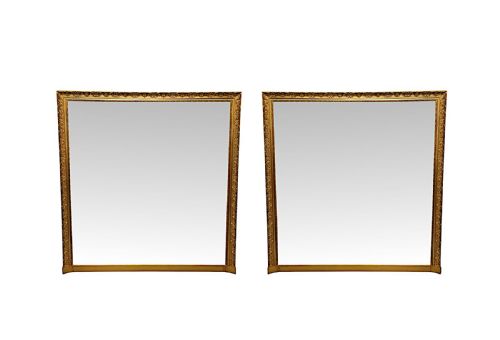
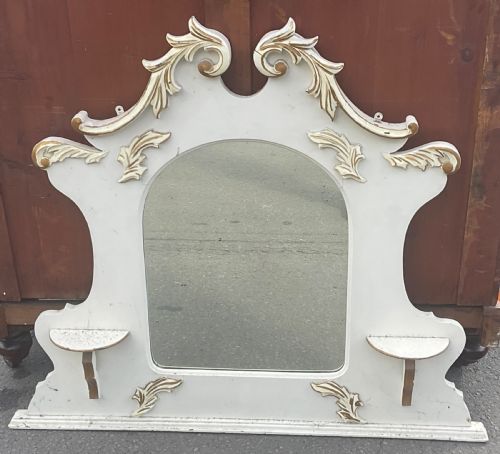
A gilded wooden mantel mirror brings reflective light and period scale to a room, dominating the fireplace with carved presence.
Gilded Wooden Mantel Mirror
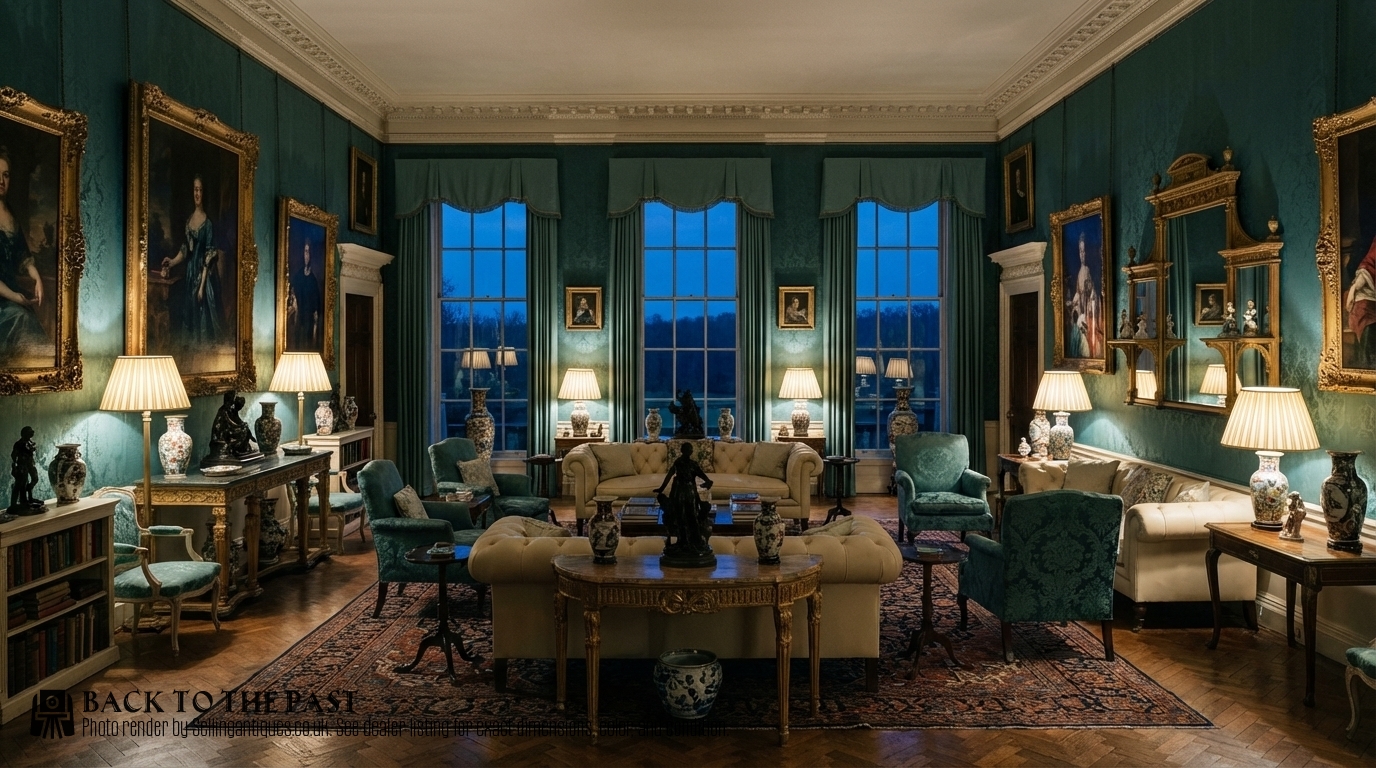
A gilded wooden mantel mirror sits above a fireplace, anchoring the chimney breast with architectural presence and reflecting natural light across the room. When you search for a gilded wooden mantel mirror, you are looking at large-scale overmantels and wall mirrors designed to draw the eye upwards. These pieces appear primarily in nineteenth-century and early twentieth-century iterations, spanning Victorian, Edwardian, and William IV periods.
The format is dominated by large overmantel mirrors, frequently featuring arched tops or rectangular frames built to span the width of a mantelpiece. Formats range from simple, restrained mouldings to ornate, high-quality decorative frames that combine giltwood with contrasting ebonised wood or painted finishes. French chateau and Victorian neoclassical influences also emerge within the selection, offering varied regional interpretations of classical proportion.
Origins stretch across English workshops and continental makers, with dates clustering in the eighteen-seventies, eighteen-eighties, nineteen-hundreds, and nineteen-ten. Buyers encounter items defined by substantial dimensions, often described as large or very large, requiring robust wall support or direct placement resting securely upon a mantel shelf. Each piece functions simultaneously as a practical looking glass and a focal point of interior architecture.
How they were made
Makers constructed the primary structure from wood, utilising timber frames designed to support heavy sheets of mirror glass. Applied gesso provided a smooth surface layer over the wooden base, allowing artisans to carve intricate details, scrolls, and architectural motifs before applying finishes. Frames frequently combined carved wood with structural brackets and internal wooden battens to maintain rigidity across large dimensions.
Gilding defined the surface treatment, employing gold leaf laid over bole or paint to achieve a brilliant reflective sheen that caught candlelight and daylight alike. Artisans also incorporated ebonised wood and distinct painted finishes into the frames, creating deliberate contrasts between dark polished surfaces and bright metallic highlights. The resulting materials interact to give each mirror its distinctive weight, texture, and visual depth.
Materials recorded across the inventory include glass, gesso, giltwood, wood, paint, gold leaf, ebonised wood, and mirror glass.
What varies in quality
Quality reveals itself in the crispness of the carving and the cohesion of the frame proportions, where master carvers achieved balanced depth and fluid ornament. Superior examples display refined gesso work that retains sharp edges beneath the gold leaf, whereas lesser pieces show softened contours and heavy, repetitive plaster moulding. The integration of structural elements, such as dedicated gilded brackets and robust backboards, separates substantial architectural pieces from lighter decorative alternatives.
The treatment of secondary materials also distinguishes the range, particularly the contrast between finely applied ebonised detailing and flat, uninspired paint layers. Mirrors featuring high-grade original mirror glass with natural ageing exhibit greater depth than later replacements, while unified design schemes across large formats command attention through disciplined execution rather than excessive ornamentation.
The Gilded Wooden Mantel Mirror Glossary
- Giltwood
- Timber that has been coated with gold leaf or gold paint. This technique provides a luminous metallic finish characteristic of formal period mirrors.
- Gesso
- A plaster mixture applied to wood frames to create a smooth surface for carving and gilding. It allows for intricate relief decoration before the application of gold leaf.
- Overmantel mirror
- A large mirror specifically designed to be hung or placed upon the mantel shelf above a fireplace. These pieces often feature horizontal proportions or tall arched tops.
- Ebonised wood
- Timber treated to resemble ebony, typically through dark staining or finishing. This technique creates a striking contrast against gilt details in Victorian frames.
- William IV
- A British design period spanning the early nineteenth century. Furniture and mirrors from this era combine classical restraint with robust proportions.
Gilded Wooden Mantel Mirror: Frequently Asked Questions
How do I secure a heavy mantel mirror?
Large overmantels possess considerable weight and require secure anchoring into solid wall studs or masonry using appropriate fixings. Many examples are designed to rest partially on the mantel shelf while being tethered safely to the wall above.
Professional installation is strongly advised for particularly large items to ensure the frame remains stable and secure against the chimney breast.
Can I hang these mirrors on any wall?
The substantial size and wooden construction of these mirrors demand sturdy wall structures capable of bearing significant weight loads. Standard plasterboard walls rarely suffice without substantial reinforcement behind the mounting points.
Consider floor-standing mantel placement where the weight rests safely on the shelf, utilising wall brackets solely to prevent tipping.
How do I distinguish Victorian from Edwardian mirrors?
Victorian mirrors often feature heavier, highly ornate carved details and dramatic architectural arches influenced by Gothic or neoclassical revivals. Ebonised highlights and rich gilding are typical of the period's preference for visual depth.
Edwardian examples frequently lean towards lighter painted finishes, simpler lines, and restrained proportions while retaining traditional large-scale formats.
How do I clean gilded wooden frames?
Dust frames gently with a soft, dry brush or a clean microfiber cloth to remove surface particles without disturbing the delicate gold leaf. Avoid liquid cleaners, abrasive pads, or chemical solvents that can strip the historic gilt surface or damage underlying gesso.
Glass panels can be wiped with standard glass cleaner applied directly to a cloth rather than sprayed onto the frame.