




Antique Triple Section Mirror
An antique triple section mirror brings light and depth to a room through its divided plates, spanning overmantel mirrors and large wardrobes.

Antique Triple Section Mirror
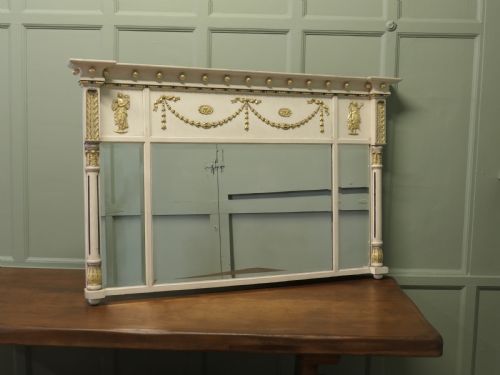
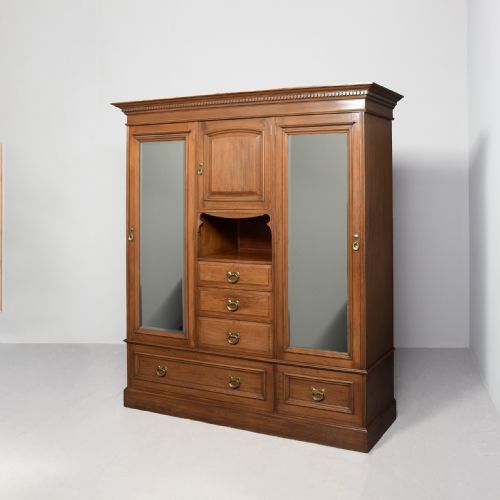
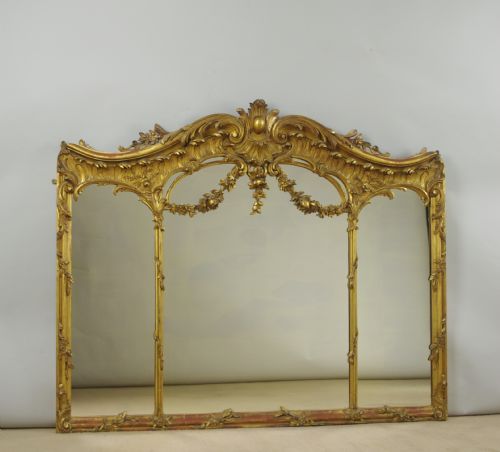
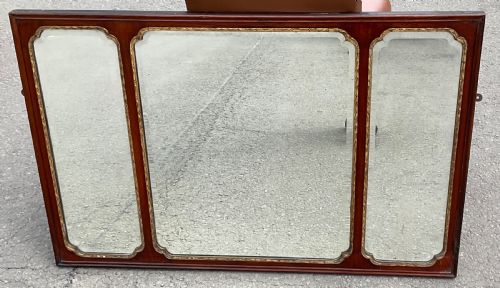
When you search for an antique triple section mirror, you encounter two distinct forms: architectural overmantel mirrors designed to sit above a fireplace and large bedroom wardrobes incorporating three vertical panels. The overmantel versions use multiple glass plates set side by side, sometimes shaped with arched tops, to reflect interior space and brighten dark corners. You are most likely to meet 19th-century and Edwardian examples that use this three-part construction to balance scale and proportion.
The materials and styles span several decades, ranging from Regency gilt frames to Victorian satin walnut and Edwardian satinwood. Wardrobes utilise the triple section format to divide hanging space and mirrored doors, while wall mirrors focus purely on the decorative impact of divided glass. Each piece employs timber or gilded frames to hold the heavy plates securely in place.
How they were made
Makers constructed these frames using timber such as walnut, oak, mahogany, and satinwood, often applying gesso and gold leaf to create ornate gilt finishes. Paint and crackle finishes also appear on frames from the Regency and Victorian periods, giving a textured surface to the wood.
The mirror glass itself is held within architectural mouldings or carved wood structures, with larger overmantel pieces utilising substantial wooden backings to support the heavy weight of three separate plates.
Listings feature pieces spanning the 19th century, Victorian, Edwardian, and Regency periods, constructed from walnut, satinwood, oak, and gilt wood.
What varies in quality
The standard of carving and the selection of cabinet timbers set the finest pieces apart from simpler utility items. Finely grained walnut, figured satinwood, and deeply carved gilt wood indicate superior workshops.
The integration of the three mirror plates within the frame structure dictates the architectural success of the piece. Crisp joinery in the wardrobes and balanced proportions in the overmantel frames define the upper tier of the range.
The Antique Triple Section Mirror Glossary
- Overmantel mirror
- A large mirror designed to hang specifically on the wall above a fireplace mantelpiece. These pieces frequently utilise multiple plates to span the width of the hearth.
- Wardrobe
- A tall piece of bedroom furniture used for storing clothing, which in these examples incorporates three distinct vertical sections. They often feature a central mirror flanked by timber doors.
- Gilt wood
- Wood coated with a thin layer of gold leaf or metallic gilt gesso. This technique provides a bright, reflective surface popular in Regency and Victorian framing.
- Satinwood
- A hard, durable timber with a natural golden sheen and smooth grain. Edwardian makers valued it for fine furniture and decorative inlaid surfaces.
Antique Triple Section Mirror: Frequently Asked Questions
Where should I hang an overmantel mirror?
An overmantel mirror traditionally sits directly above a fireplace mantelpiece, anchored securely to the wall to support its weight. This placement allows the three plates to reflect light from windows across the entire room.
Ensure the fixings match the substantial build of the frame, as 19th-century timber and glass assemblies carry considerable mass.
How do I care for antique mirror glass?
Clean antique mirror glass gently using a soft cloth and minimal moisture to protect the silvering behind the plate. Avoid harsh chemical cleaners that can seep behind the edges and damage the original backing.
Dust the carved wooden or gilt frames with a dry brush to preserve the finish without wearing down the gesso or paint.
What is a triple wardrobe?
A triple wardrobe is a large bedroom storage piece divided into three vertical sections, often featuring a central mirrored door. This layout provides a combination of hanging space and internal shelving.
Edwardian and Victorian makers utilised satinwood and walnut to construct these substantial pieces for large domestic interiors.
How do I identify the period of a mirror?
Examine the framing style, timber choice, and the construction methods used on the reverse of the mirror. Regency and Victorian pieces show distinct moulding profiles and joinery techniques compared to later Edwardian work.
Materials like satin walnut and specific revival styles such as Rococo provide clear clues to the decade of manufacture.