


Decorative Gold Chimney Glass
These decorative gold chimney glass pieces are large giltwood mirrors designed to sit above a fireplace, bringing light and scale into a room.
Decorative Gold Chimney Glass
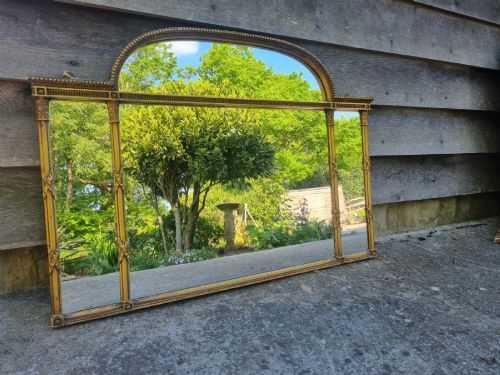
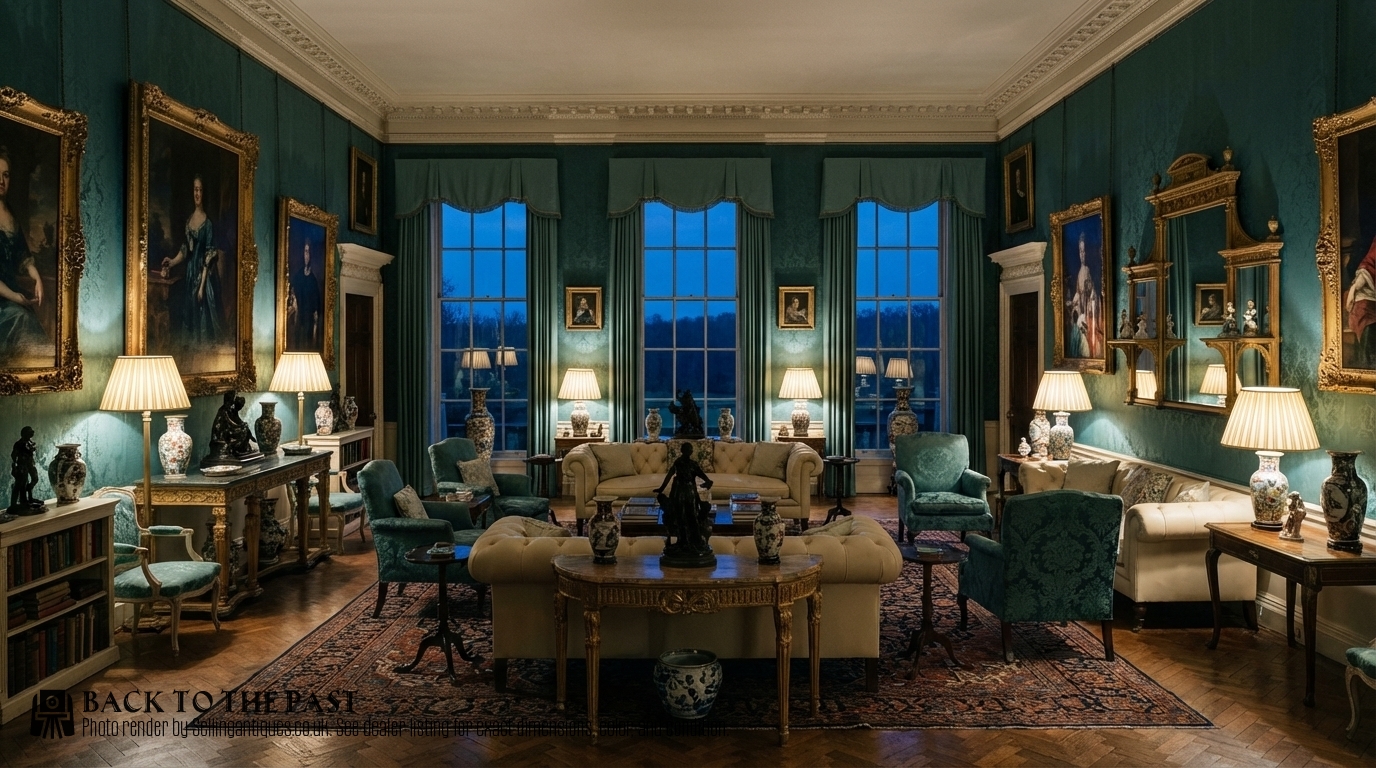
When you search for decorative gold chimney glass, you are looking at substantial wall-hanging and overmantel mirrors designed to reflect light from a fireplace. The examples on this page span several periods, most notably the nineteenth century, Victorian, and Regency eras.
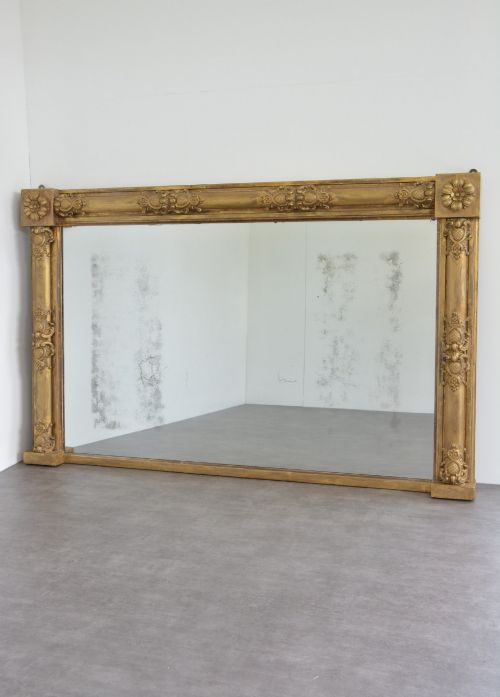
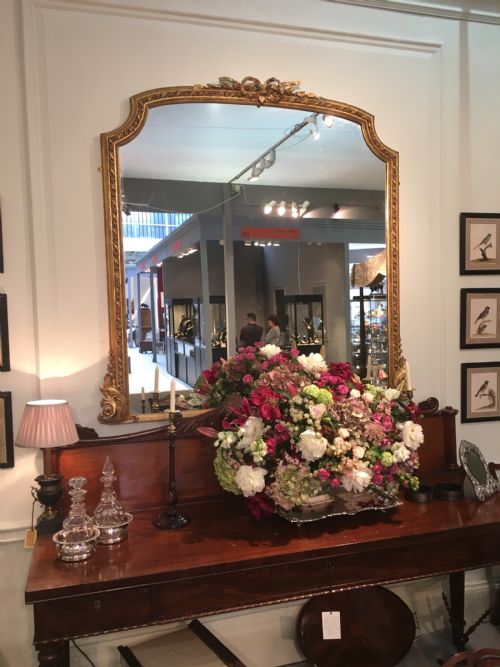
The dominant forms are large overmantel mirrors and wall mirrors, often featuring architectural shapes such as arched or shaped tops. These substantial pieces typically incorporate wood frames finished with gold leaf, gesso, or composition details.
You will encounter pieces styled in the Regency, William IV, and Victorian neoclassical traditions, along with nineteenth-century French and English designs. Triple plate configurations and trumeau mirrors also appear within these listings.
Materials and Construction
The foundation of these frames relies on carved wood, gesso, and composition applied over a wooden base to form intricate ornamental details. Craftsmen then applied gold leaf or gilding to the prepared surfaces to achieve a brilliant metallic sheen.
Mirror glass panels, sometimes presenting light foxing or etching, sit within these gilded structures. Structural elements such as wooden backing boards and occasional gilded brackets support the heavy glass plates safely.
Some mirrors carry the quiet history of foxed glass, whispering of centuries spent watching coal fires burn.
Assessing Quality and Execution
The standard of a decorative gold chimney glass rests on the crispness of the carved wood and gesso ornamentation. Superior pieces display deeply defined rope twists, floral motifs, or neoclassical details rather than soft, flat moulding.
The condition and character of the mirror glass itself influence the overall quality, with original plates and subtle ageing adding depth. Heavier framing timbers and robust structural joinery distinguish the grander country house examples from more standard mirrors.
The Decorative Gold Chimney Glass Glossary
- Giltwood
- Wood that has been coated with gold leaf or a gold-coloured finish. This method provides the warm, reflective metallic surface seen on period mirror frames.
- Gesso
- A plaster-like mixture applied to wood frames and carved or moulded into decorative reliefs before gilding. It allows for intricate ornamentation.
- Overmantel Mirror
- A large mirror specifically proportioned to hang on the wall directly above a mantelpiece or fireplace. These pieces dominate the visual space of a chimney breast.
- Trumeau Mirror
- An antique wall mirror that incorporates a painted panel or artwork above the glass plate. Originating in France, these pieces combine decorative imagery with reflection.
- Foxed Glass
- Mirror glass that shows spots, clouding, or discoloration due to the degradation of the silver backing over time. This aged characteristic appeals to many collectors.
Decorative Gold Chimney Glass: Frequently Asked Questions
How do I hang a heavy overmantel mirror safely?
Due to their substantial weight and size, these large mirrors require secure attachment directly into structural wall studs or masonry using heavy-duty fixings. Professional installation is strongly recommended to support the combined weight of the timber frame and glass.
Ensure the hanging brackets on the back of the frame match the load capacity of your wall anchors. Distributing the weight evenly prevents warping of the wooden frame over time.
How should I clean a gilded frame?
Dust the gilded surfaces gently with a soft, dry brush or a feather duster to remove surface particles. Avoid liquid cleaners, water, or chemical polishes, which can strip or damage the delicate gold leaf and gesso.
For the glass plate, apply a small amount of neutral glass cleaner to a soft cloth rather than spraying directly onto the glass. This prevents moisture from seeping into the frame joints or behind the mirror plate.
How can I tell a Regency mirror from a Victorian one?
Regency mirrors often display bold classical motifs, such as ball-bearing friezes, rope twists, and architectural elements influenced by ancient Greece and Rome. They tend to feel restrained yet grand in their proportions.
Victorian pieces frequently embrace heavier, more ornate carving, elaborate arched or shaped tops, and eclectic revivals of French rococo or neoclassical styles. The scale of Victorian overmantels is often massive, reflecting the architecture of the period.