
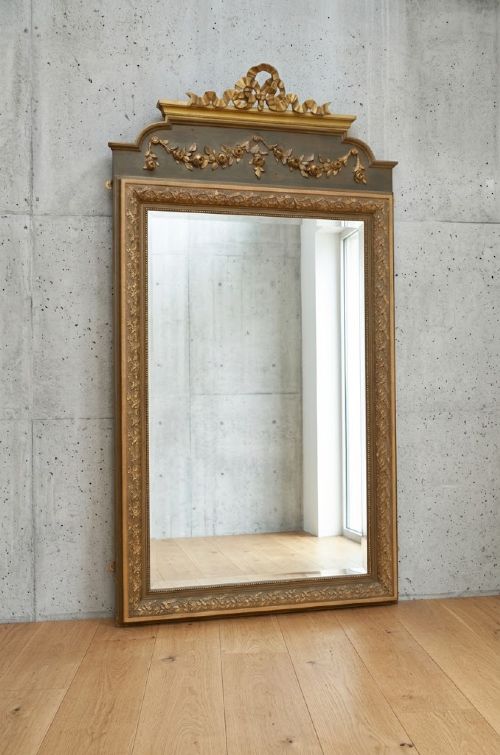
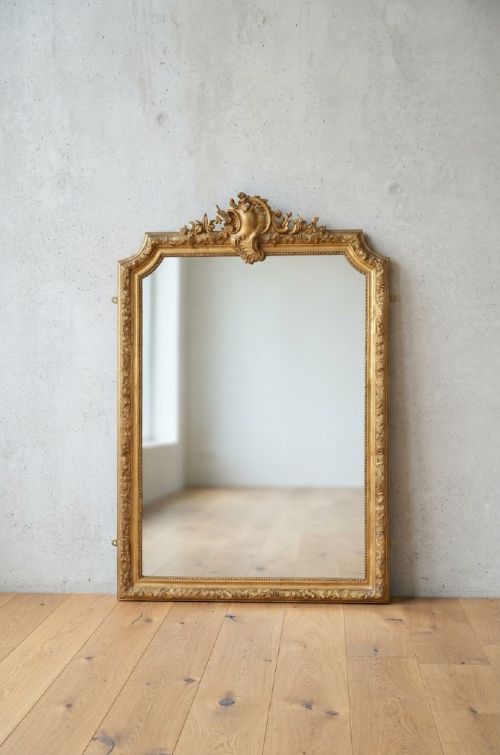
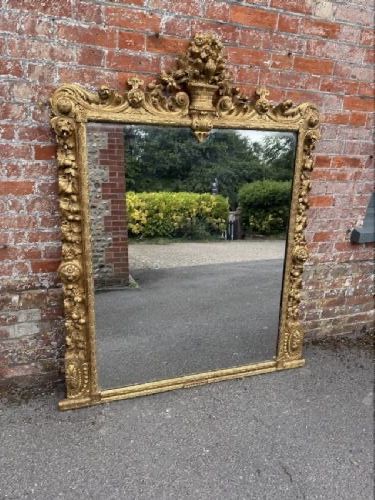
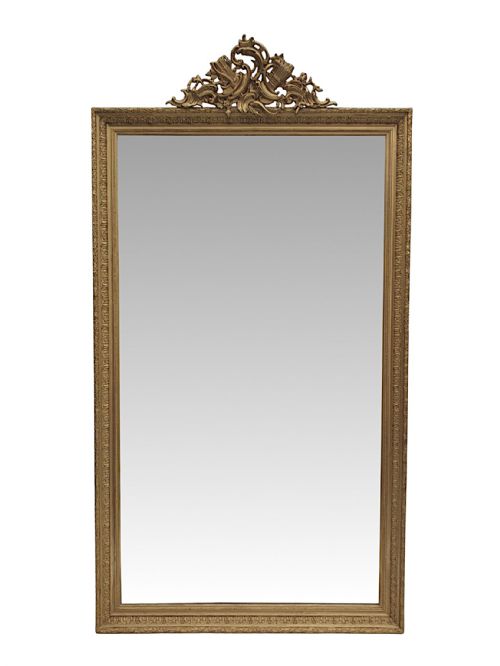
Ornate Cresting Wall Mirror
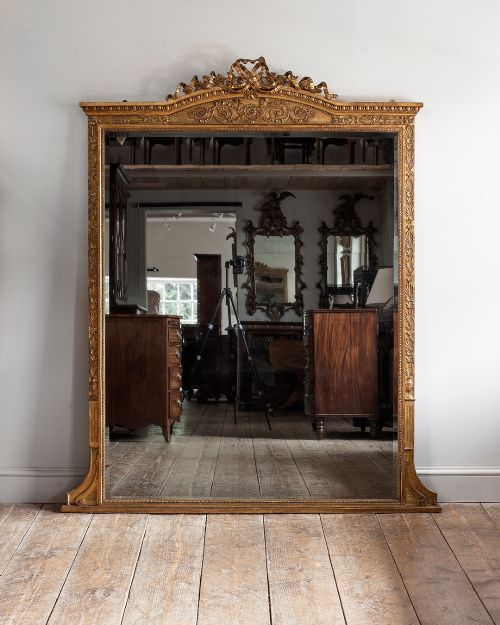
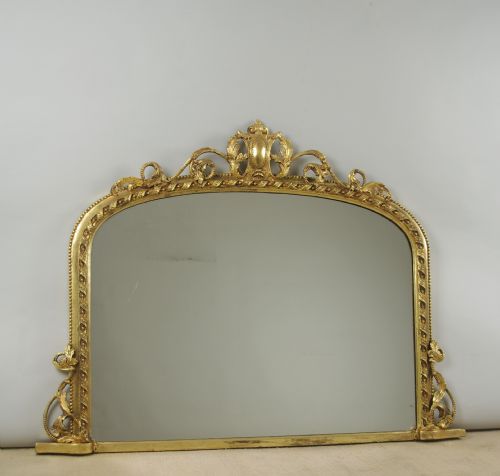
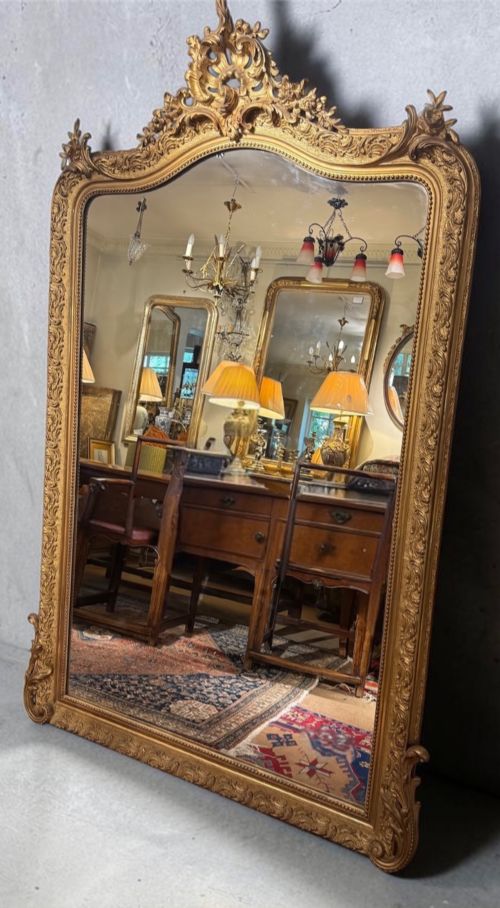
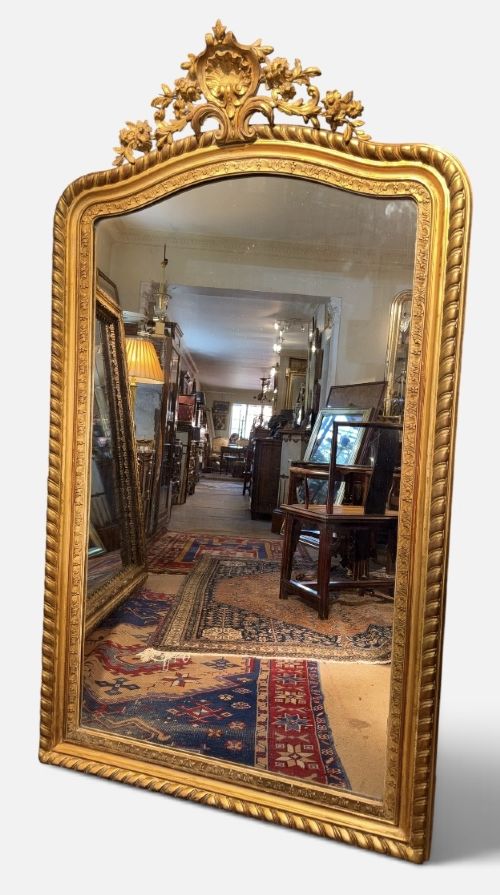
An ornate cresting wall mirror brings dramatic height and historical character to a room, drawing the eye upward with elaborate carved detail.
Ornate Cresting Wall Mirror
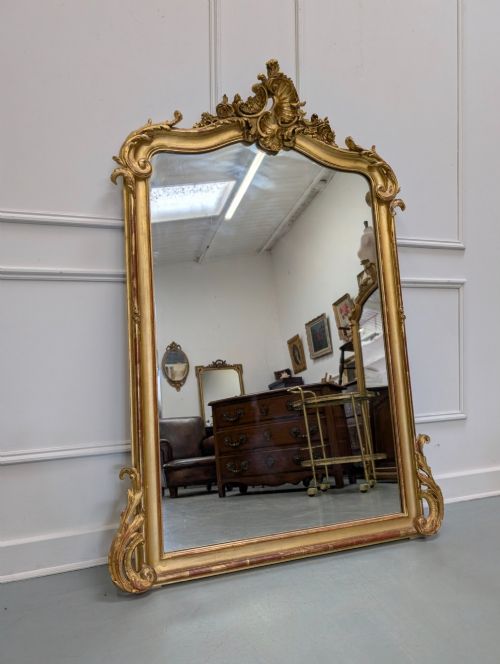
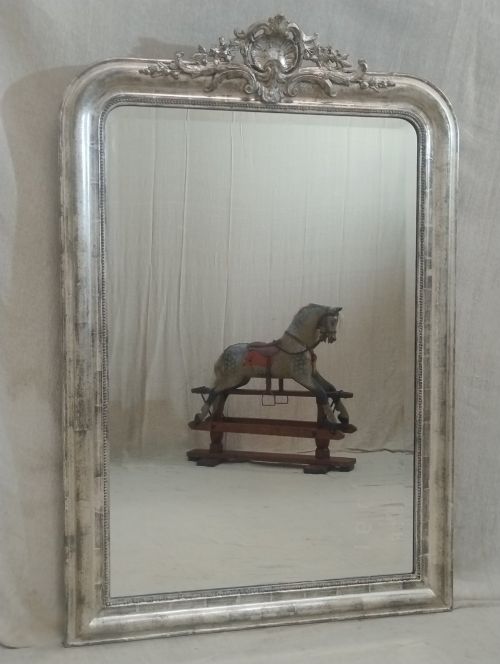
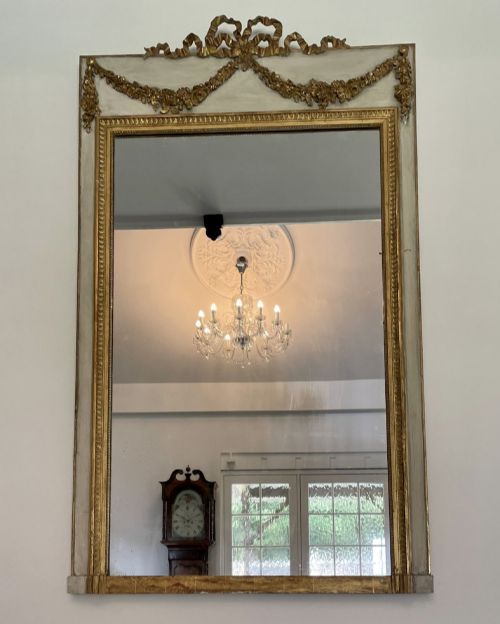
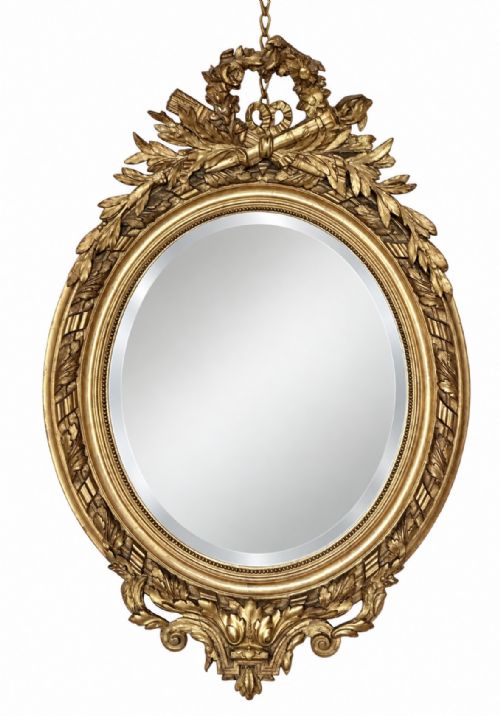
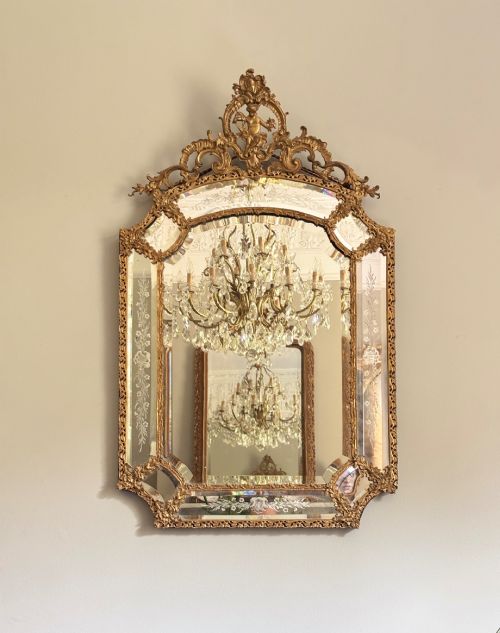
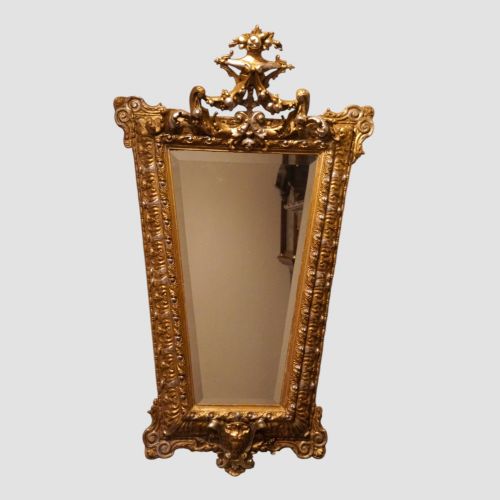
When you search for an ornate cresting wall mirror, you encounter pieces dominated by sculptural frames and decorative top sections designed to anchor a principal room. The examples available here span the nineteenth century, including Victorian, Regency, and French styles such as Rococo Revival and Louis XVI.
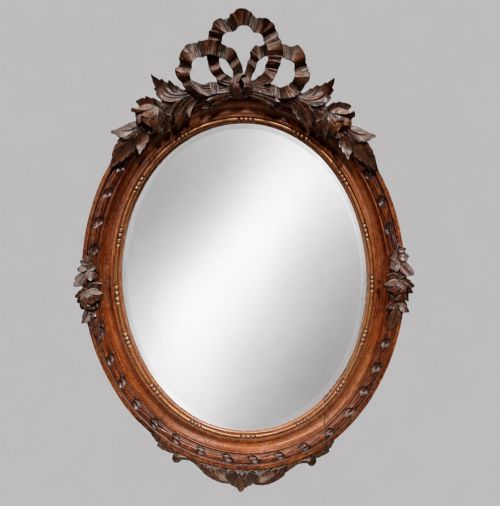
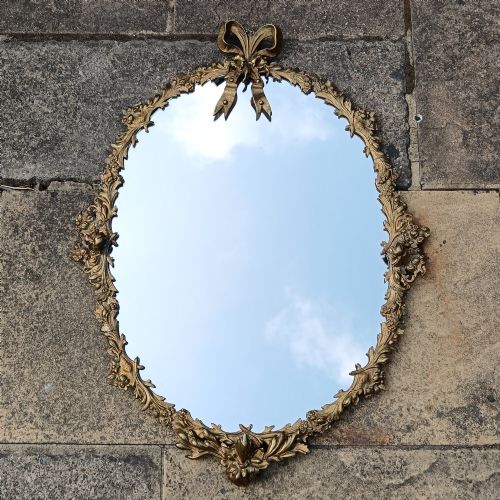
Most pieces function either as principal wall mirrors or large overmantel mirrors intended to sit above a fireplace. The forms include grand rectangular shapes with arched tops, stately oval formats, and specialised variations like Venetian cut glass and pressed brass hanging mirrors.
Origin points cluster heavily around nineteenth-century France, Italy, and England. You find both monumental overmantels exceeding one and a half metres in height and smaller oval pier mirrors intended for specific wall spaces.
How they were made
Makers built these frames using carved wood, gesso, and composition applied over a sturdy wooden base to hold elaborate relief decoration. Guilders then applied gold leaf or silver-gilt finishes to achieve the bright reflective surfaces characteristic of the period.
French and Italian pieces frequently incorporate cast gilt bronze or pressed brass elements into the frame construction. Mirror glass of the era includes mercury plates and later silvered glass, sometimes cut and etched with decorative borders.
Several mirrors include clever display brackets, proving that nineteenth-century folk appreciated a surface to hold small ornaments just as much as we do.
What varies in quality
The distinction between ordinary and superior pieces rests on the depth and crispness of the hand-carved ornamentation on the crest. Finely executed Rococo scrolls, floral motifs, and figural masks display a sculptural confidence absent in mass-produced composition mouldings.
The integrity of the original gilding and the preservation of the antique mirror plate dictate the ultimate caliber of the piece. Authentic period mercury glass and untouched gold leaf carry a visual depth that alters the presence of the mirror on the wall.
The Ornate Cresting Wall Mirror Glossary
- Cresting
- The decorative upper portion of a mirror frame, often heavily carved or shaped to draw the eye upward. This sculptural element defines the silhouette of the piece.
- Giltwood
- Timber that has been coated with a thin layer of gold leaf. It forms the primary bright surface for many nineteenth-century decorative frames.
- Gesso
- A plaster-like mixture applied to wood frames to create a smooth surface for carving and gilding. It allows for intricate relief work.
- Overmantel mirror
- A large mirror specifically proportioned to hang on the wall above a fireplace mantel. These pieces often feature wide rectangular or arched formats.
- Mercury plate
- An early type of mirror glass backed with a tin and mercury amalgam. It produces a distinctive speckled, deep reflection unlike modern silvered glass.
Ornate Cresting Wall Mirror: Frequently Asked Questions
Where should I hang a large overmantel mirror?
These mirrors traditionally anchor the space directly above a fireplace mantelpiece, reflecting light and filling vertical wall voids.
Alternatively, you can mount them securely on a principal living room wall to act as the central decorative focus of the interior.
How do I identify a nineteenth-century French mirror?
Look for characteristic design vocabularies such as Louis XV or Louis XVI revival styles, featuring asymmetrical Rococo scrolls or balanced neoclassical motifs.
French pieces from this era frequently utilise finely chased gilt bronze mounts or delicate gesso crests depicting ribbons and floral swags.
What is the difference between gesso and carved wood?
Carved wood involves shaping the timber base directly with gouges and chisels to form the structural decoration of the frame.
Gesso is a liquid plaster mixture applied over the wood and moulded or stamped to create crisp, high-relief ornamentation.
How do I care for antique gilt frames?
Dust the ornate cresting and frame gently with a soft, dry brush to prevent accumulation in the deep recesses of the carving.
Avoid using liquid cleaners, polishes, or abrasive cloths that can damage the delicate gold leaf or composition surfaces.