


Victorian Corner Shelves
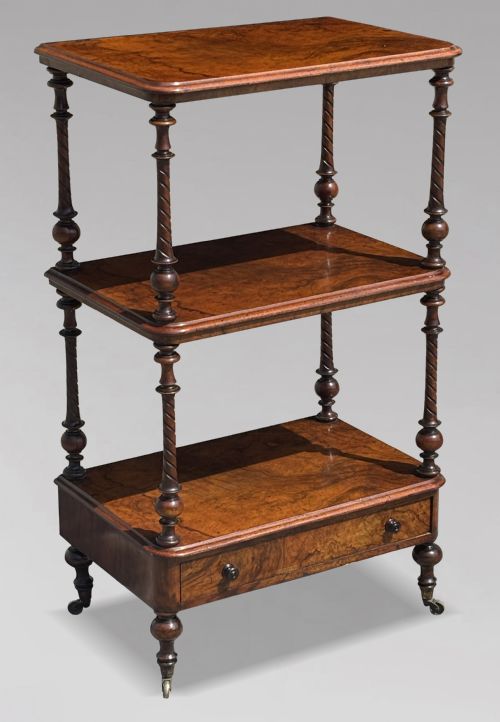
Victorian corner shelves are practical multi-tiered display pieces designed to utilise neglected room angles, offering a clever blend of storage and decorative presence.
Victorian Corner Shelves
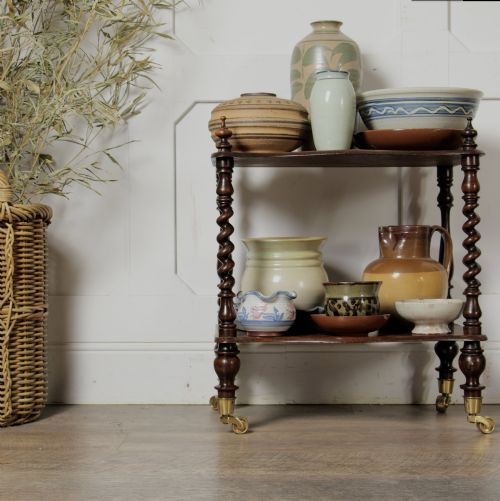
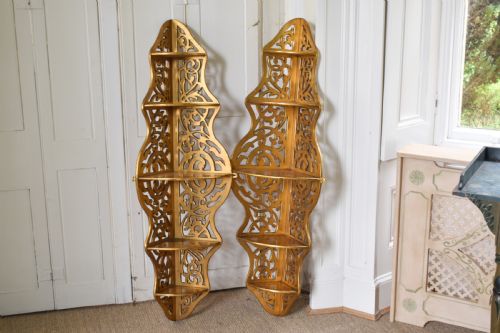
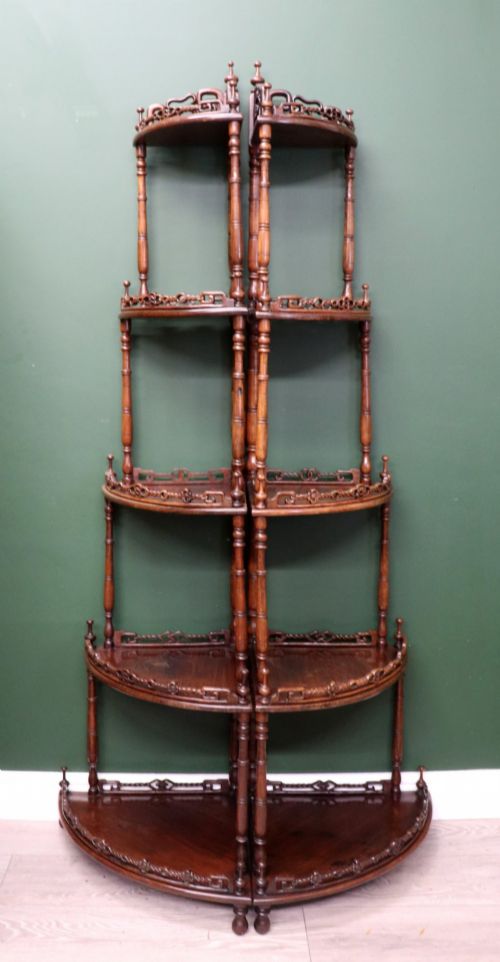
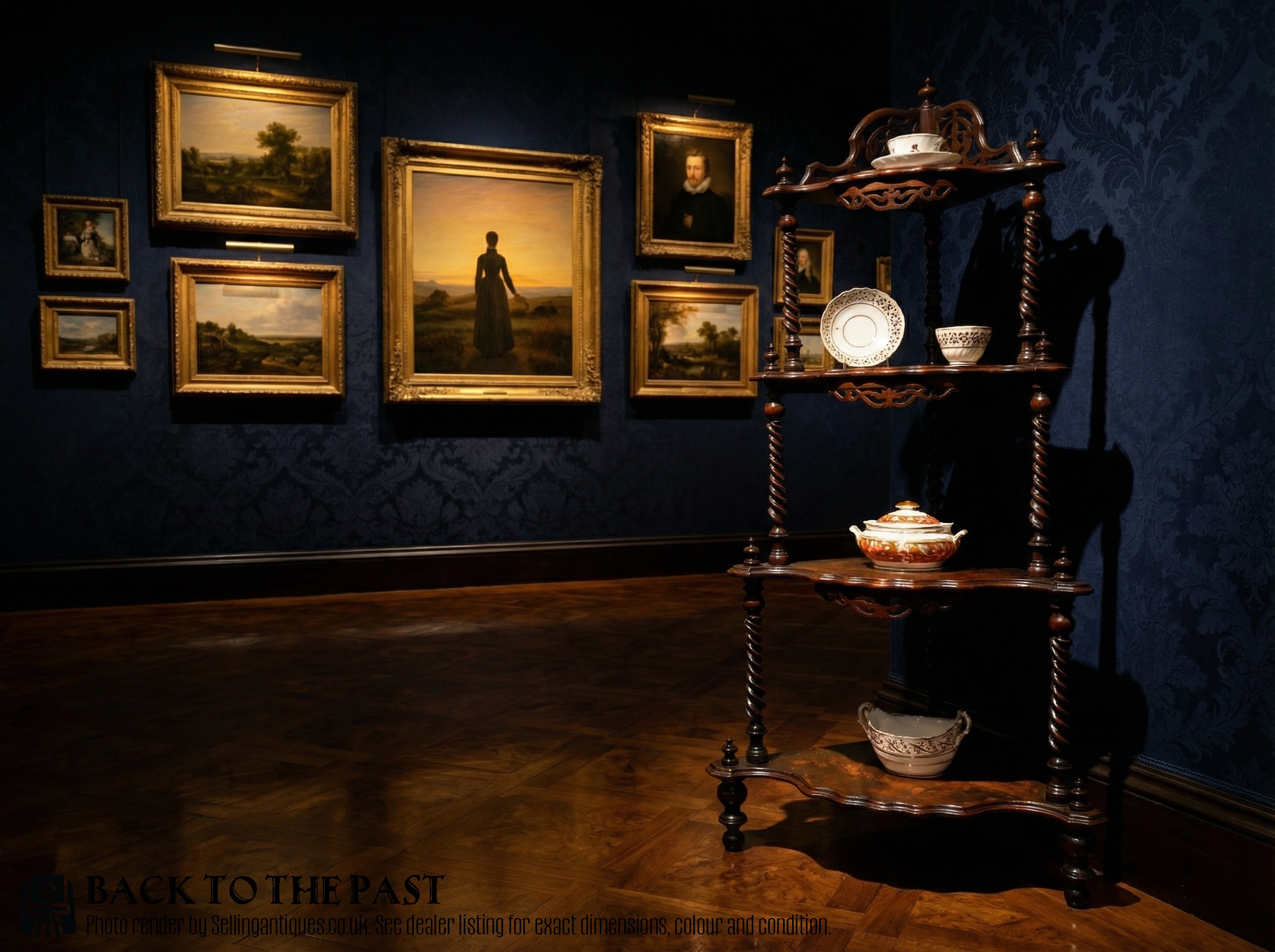
When you search for victorian corner shelves, you encounter pieces designed to fit tightly into room angles, saving floor space while displaying ceramics, books or small ornaments. These tiered structures appear frequently as floor-standing whatnots, wall-hanging brackets or corner display cabinets originating across the nineteenth century.
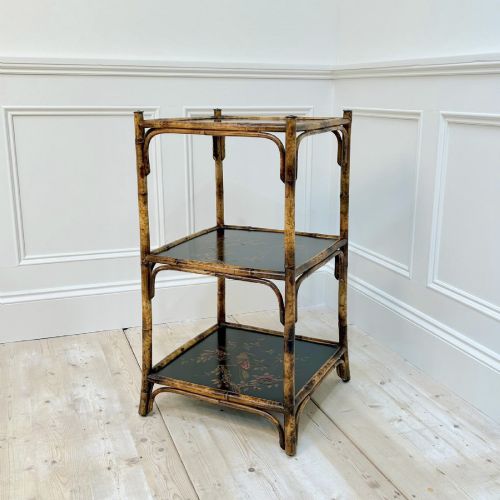
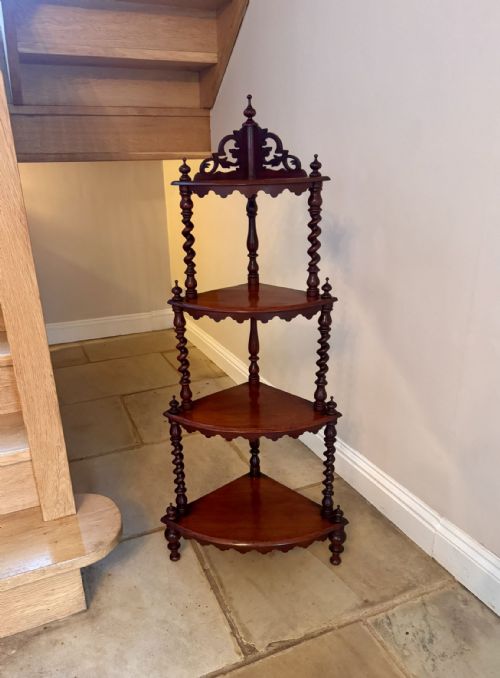
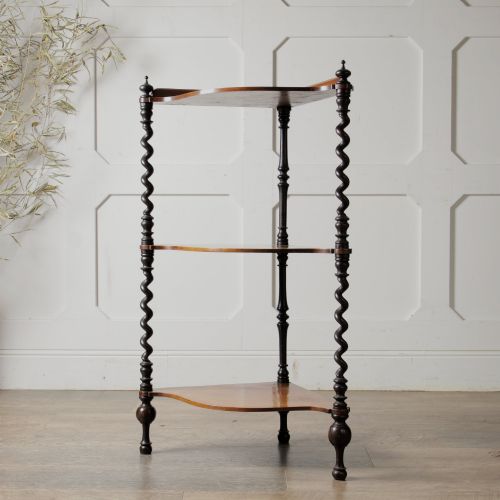
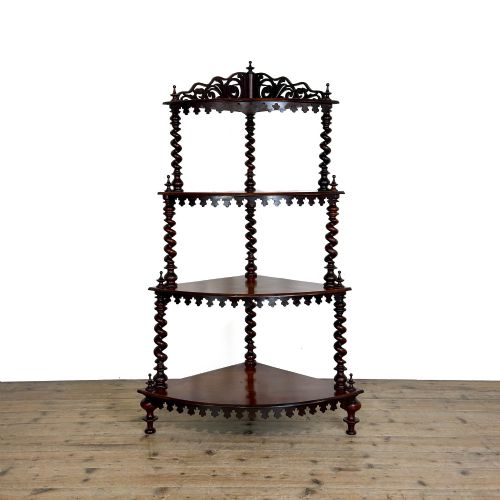
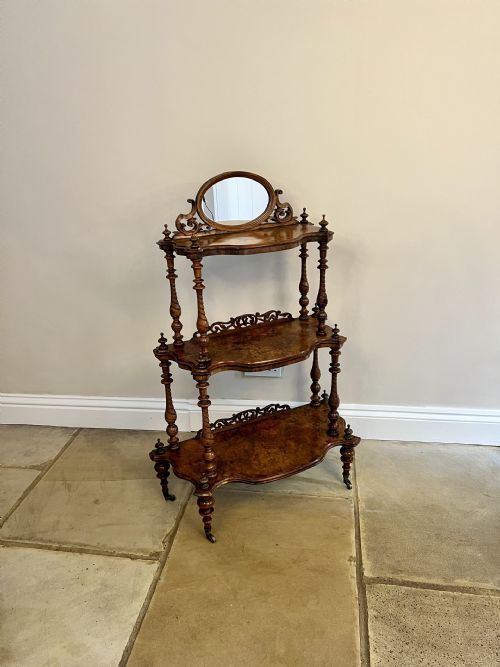
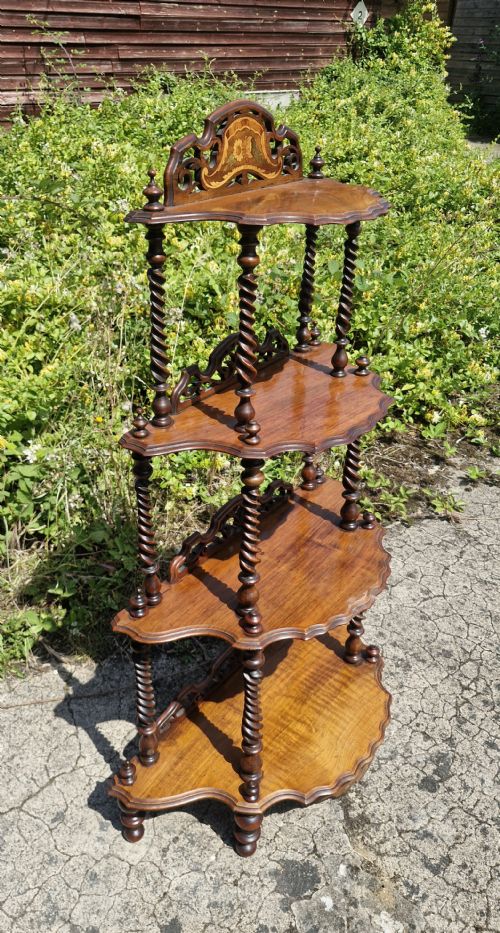
The materials span traditional hardwoods like mahogany, walnut and rosewood alongside exotic options such as bamboo and olive wood. Many examples utilise multiple tiers supported by turned columns, barley twists or delicate fretwork brackets to create vertical interest in domestic interiors.
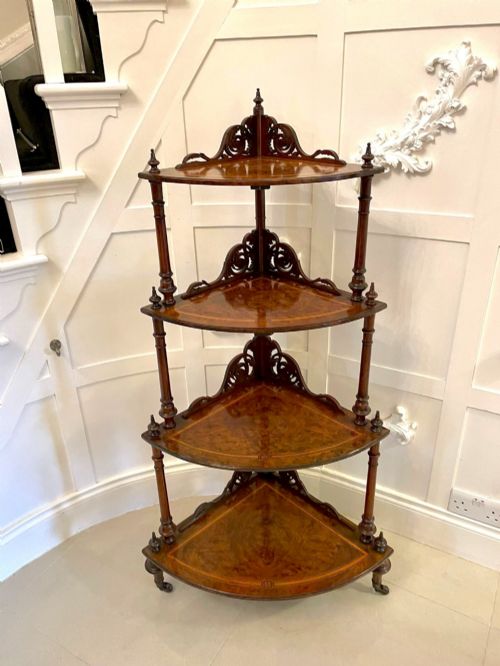
Makers and workshops of the era adopted diverse stylistic influences, ranging from straightforward utilitarian pine to elaborate Aesthetic Movement designs and Sorrento inlaid marquetry. Walnut and burr walnut versions dominate the finer end of the selection, often enriched with brass mounts or delicate stringing.
Materials and Construction
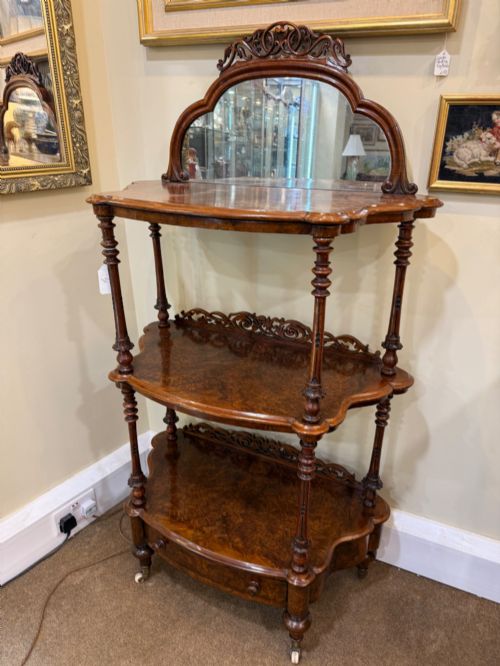
Cabinetmakers constructed these frames primarily using solid mahogany, walnut and rosewood, frequently applying decorative burr walnut veneers to prominent shelf surfaces to catch the light. Timber was carefully selected for grain pattern and stability, ensuring the projecting corners and tiered brackets remained structurally sound.
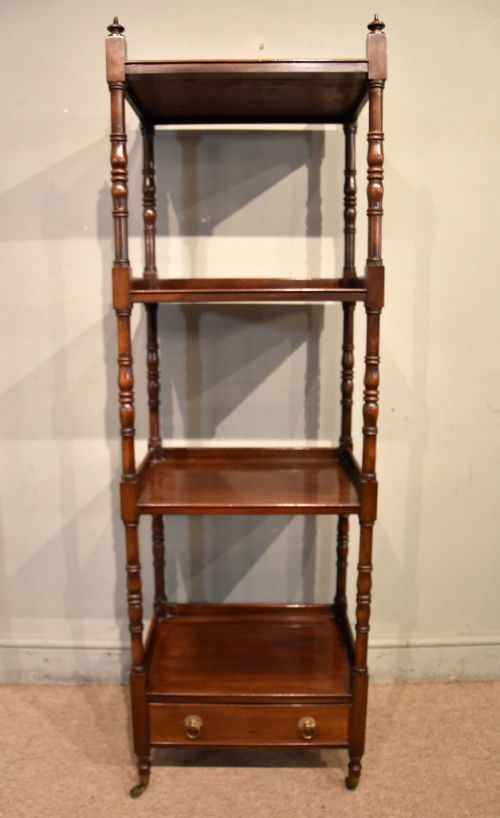
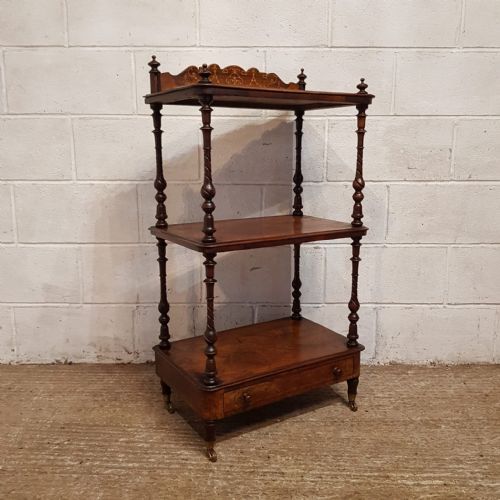
Joining techniques relied on traditional mortise and tenon joints, fine dovetailing for small drawers, and sturdy turned or spiral columns supporting each individual shelf level. Wall-hanging variants incorporated secure brass hanging plates screwed directly into the rear uprights to bear the weight of displayed objects.
Surface finishing involved hand-applied shellac French polish, building up a warm gloss that highlighted the natural figure of the wood. Metal elements such as brass galleries, gilt mounts or iron brackets were secured with hand-cut screws, adding structural rigidity and decorative contrast.
Victorian Corner Shelves Retail Price Guide 2026
Typical asking prices for victorian corner shelves among the pieces listed under this phrase on Sellingantiques today, from the lower quarter to the upper quarter. They describe what is for sale here now, not the wider market.
A sturdy five-height iron pan stand sits among the refined walnut woodwork, proving that Victorian ironmongers tackled corner storage with robust industrial spirit.
Gradations in Quality
Quality rests heavily on the choice of timber veneer and the crispness of turned or carved details. Finer pieces employ deeply figured burr walnut or exotic olive wood with precise marquetry inlay, whereas simpler iterations rely on plain mahogany, pine or bamboo.
Structural integrity separates workshop execution from mass production, visible in the tightness of shelf joints and the weight of supporting columns. Superior examples maintain rigid alignment across multiple tiers without wobble, demonstrating precise joinery that holds the angles true over generations.
Edwards and Roberts·Goodhall Lamb and Heighway·John Stow Ltd
The Victorian Corner Shelves Glossary
- Whatnot
- An open multi-tiered piece of furniture designed for displaying ornaments or books. It gained widespread popularity during the nineteenth century for corner placement.
- Marquetry
- Decorative patterns formed by fitting together thin slices of wood veneer and other materials. Sorrento examples frequently showcase intricate floral or geometric motifs.
- Barley twist
- A type of column or support turned on a lathe to resemble a spiralling rope. This decorative turning appears frequently on nineteenth-century shelf uprights.
- Aesthetic Movement
- A late nineteenth-century design ethos emphasising visual beauty over narrative function. Pieces from this school often incorporate bamboo, ebonised wood or Japanese-inspired motifs.
- Tier
- An individual level of shelving within a standing or hanging structure. Multiple tiers allow for the graduated display of smaller items towards the top.
Victorian Corner Shelves: Frequently Asked Questions
How were corner shelves used in Victorian homes?
Households utilised these corner units to display treasured porcelain, small sculptures and bound volumes without cluttering main tables or walking routes. Their angled footprint made efficient use of draughty room corners.
They stood in parlours, drawing rooms and private libraries, serving as both functional storage and polite indicators of taste and refinement.
What is the difference between a whatnot and a corner shelf?
A whatnot is typically a multi-tiered freestanding stand built with vertical supports, whereas corner shelves can be either floor-standing units or lighter brackets hung directly on walls.
Both forms share the primary purpose of vertical display, but wall-hung variants lack floor supports and rely entirely on secure wall fixings.
Are bamboo corner shelves authentically Victorian?
Bamboo furniture gained immense popularity during the late nineteenth century, driven by a widespread fascination with Japanese design and the Aesthetic Movement. Makers produced lightweight bamboo stands and cabinets specifically for domestic display.
These pieces brought an exotic, informal texture into Victorian interiors, contrasting sharply with heavy mahogany and walnut furniture.