




Victorian Coastal Seascape
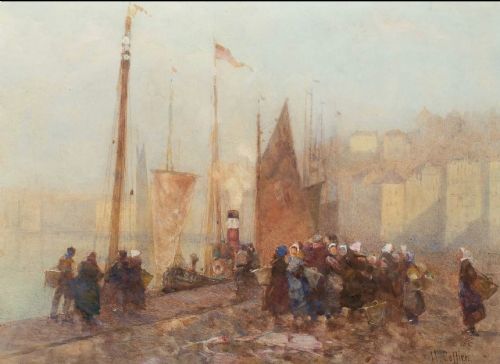
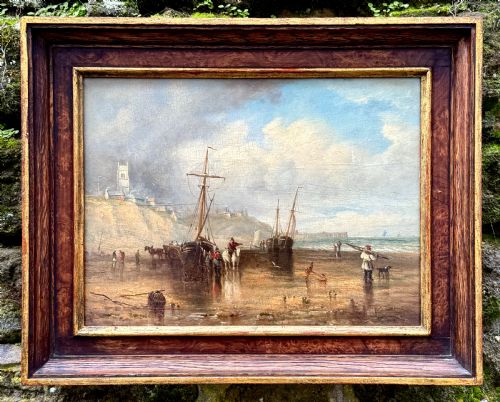
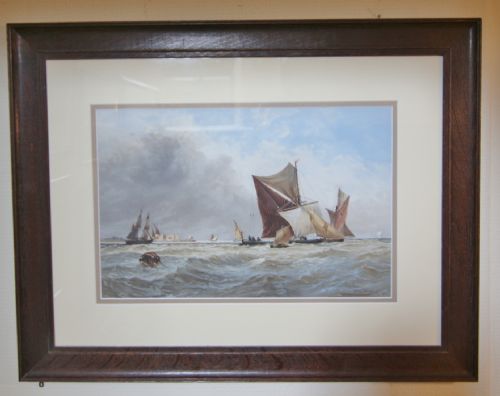
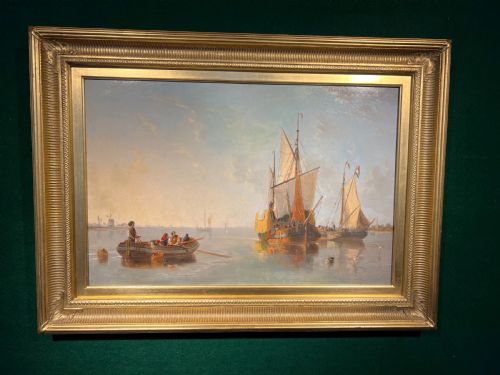
These Victorian coastal seascape paintings capture the raw energy of nineteenth-century shores, offering buyers a direct window into historic maritime life.
Victorian Coastal Seascape
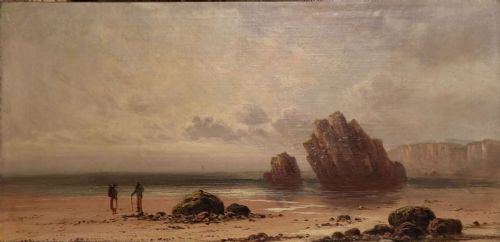
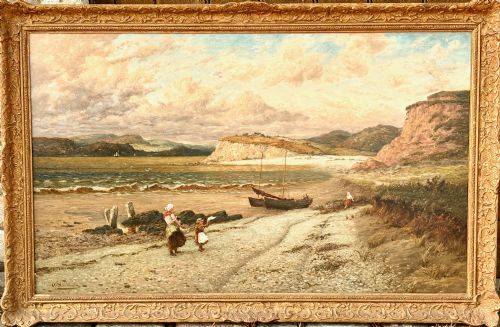
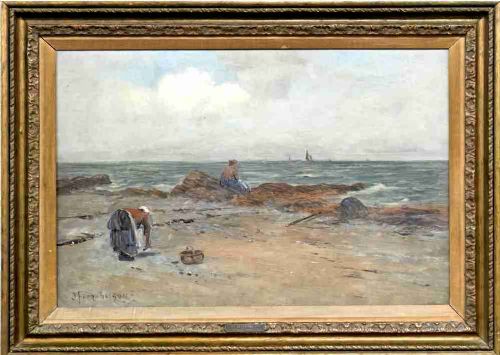
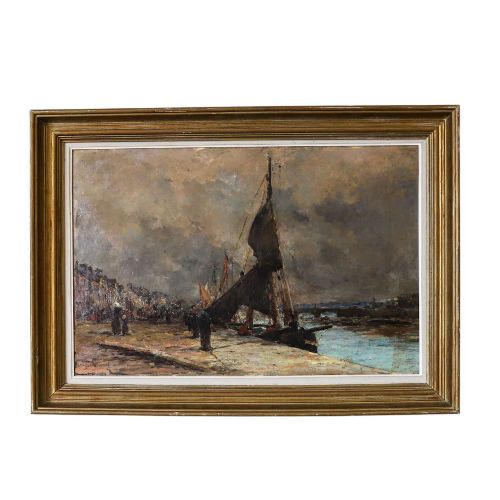
A Victorian coastal seascape brings the maritime atmosphere of the nineteenth century directly into a room, depicting bustling harbours, crashing waves, and quiet fishing beaches. Buyers seeking this phrase encounter works ranging from intimate watercolours on paper to large oil paintings on canvas.
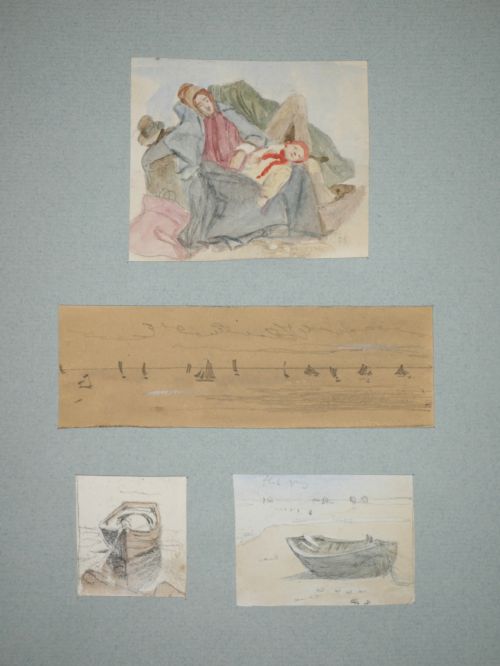
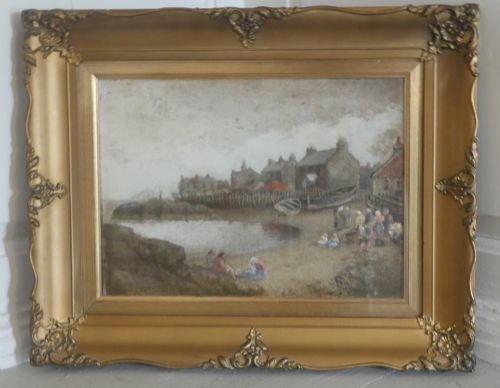
The most common formats on this page include framed watercolours and oil paintings originating from British and Irish coastal locations like Scarborough, St Ives, and the Isle of Man. These pieces frequently record working vessels, local fishermen, and coastal architecture during periods spanning the mid-nineteenth century to 1900.
Materials and technique
Artists of the period relied primarily on oil paint applied to canvas or board, alongside watercolours worked on paper, capturing light and atmosphere through layered pigments. Many works retain their original gilt wood frames, which complement the maritime subject matter.
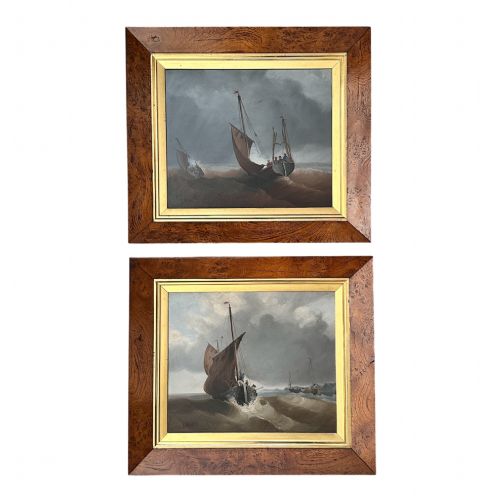
Techniques varied between the fluid transparency of watercolour sketches and the heavier, textured impasto of oil paintings designed to render stormy seas and turbulent skies.
Several artists braved the freezing North Sea spray so we could admire stormy waves from the comfort of a dry armchair.
Assessing quality
Quality rests upon the artist's ability to render atmospheric conditions, perspective, and maritime movement convincingly within the chosen medium. Superior examples demonstrate confident brushwork and precise draughtsmanship in depicting shipping vessels and coastal topography.
Condition also plays a role, with works preserving their original paper integrity, unblemished canvas surfaces, and intact framing commanding greater appreciation.
James Orrock·James Smetham·Edward Mills·William Banks Fortescue·Hector Caffieri·Bernard Benedict Hemy·Thomas Creswick·TB Hardy·John Wilson Carmichael·Joseph Farquharson·John Moore of Ipswich·William Henry Williamson·John Holland·George Stanfield Walters·Abraham Hulk I·Henry Barlow Carter·John Moxon·William Frederick Settle·Charles William Adderton·William Edward Webb·Gustave De Bréanski·Thomas Bush Hardy·Sir Thomas Newenham Dean·Ernest Dade·Stanley Leader
The Victorian Coastal Seascape Glossary
- Watercolour
- A painting method in which the paints are made of pigments suspended in a water-based solution. These works are typically executed on paper.
- Impasto
- A technique where paint is laid on an area of the surface in very thick layers, usually thick enough that the brush or painting-knife strokes are visible.
- Gilt Wood
- Wood that has been covered with a thin layer of gold leaf or gilt, frequently found framing nineteenth-century paintings.
- Provenance
- The chronology of the ownership or location of a historical object, establishing its authenticity and history.
Victorian Coastal Seascape: Frequently Asked Questions
What subjects appear in these seascapes?
These works typically depict fishing boats, working harbours, rocky coastlines, and stormy seas around British and Irish shores. Many capture specific local landmarks and maritime trade.
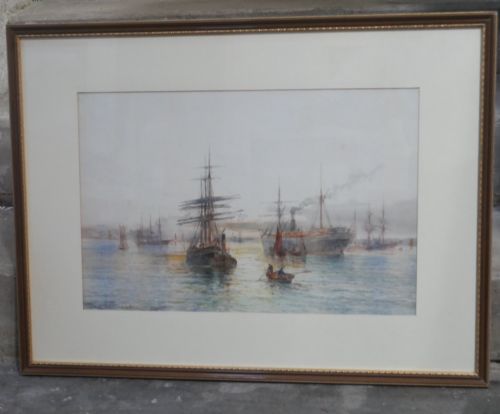
Scenes range from calm coastal anchorages with moored vessels to dramatic open water views featuring racing yachts and commercial shipping under changing nineteenth-century skies.
How do watercolours differ from oils here?
Watercolours on paper generally offer lighter, more luminous atmospheric effects, capturing transient weather and coastal light with transparent washes. They were frequently produced as direct studies or finished exhibition pieces.
Oil paintings on canvas or board provide richer textures and deeper colour saturation, allowing artists to build up heavy layers of pigment to portray turbulent waves and dramatic maritime storms.
How should I frame and display them?
Many nineteenth-century paintings arrive in their original gilt wood frames, which were designed specifically to complement the tones and subjects of the artwork. Keeping pieces in period-appropriate frames preserves their historic character.
Display watercolours away from direct sunlight to prevent fading of the paper and pigments, while oil paintings benefit from stable indoor humidity and gentle ambient light.
How can I tell the period of a painting?
Dating relies on stylistic clues, framing materials, artist signatures, and recorded working dates found within the nineteenth-century archive. Clothing styles of figures on the shore or the types of vessels depicted also offer chronological markers.
Inscriptions on the reverse of canvases or paper supports frequently record specific dates, titles, and locations that anchor the work to a precise decade.