





Antique Ocean Seascape
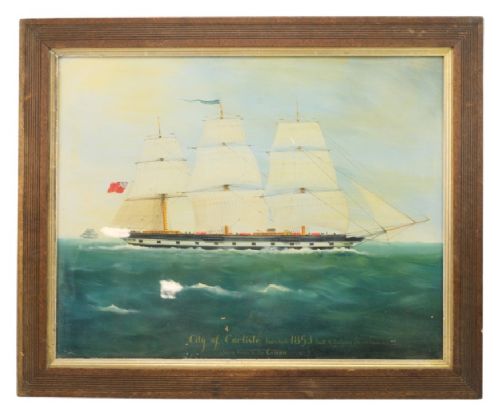
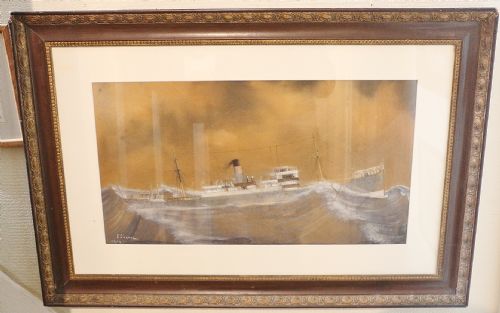
When you search for an antique ocean seascape, you are looking at maritime art that captures the power and movement of open water.
How they were made
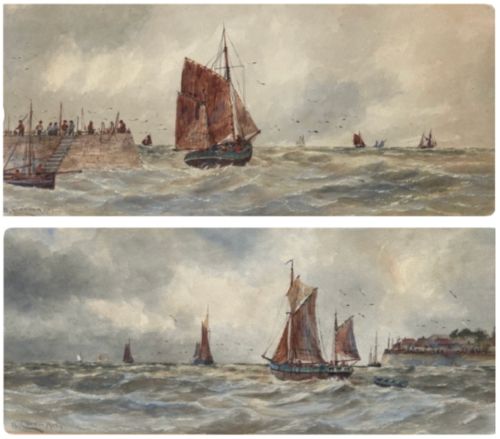
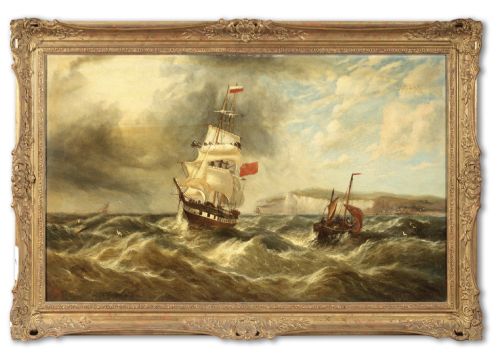
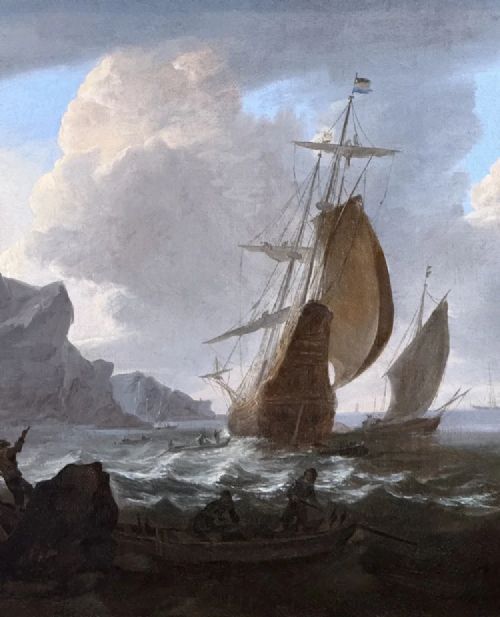
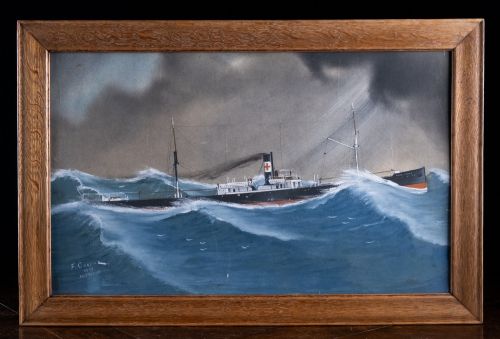
Artists relied primarily on oil on canvas and watercolour on paper, sometimes employing gouache or impasto techniques to build texture in crashing waves and stormy skies. Oil paints allowed for depth and atmospheric shifts in light, while watercolours captured the translucent quality of shallow coastal waters.
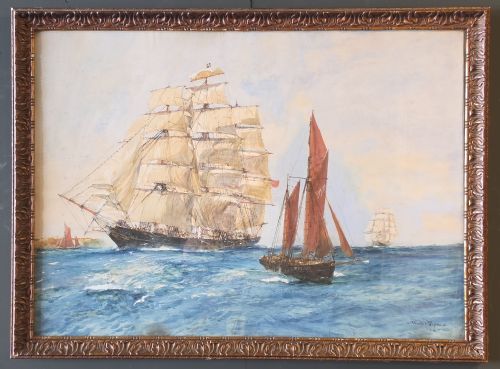
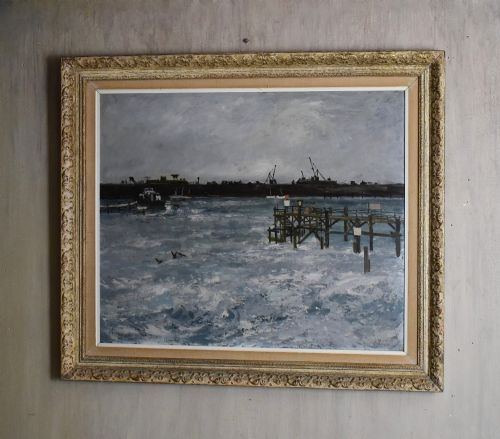
Support materials varied from traditional woven canvas and wood panels to heavy paper and board. Many of these paintings remain housed in their original gilt wooden frames, which reflect the framing conventions of the nineteenth and early twentieth centuries.
What varies in quality
Quality rests in the artist's command of light, atmosphere, and maritime mechanics, such as the correct rigging of a three-masted schooner or the believable movement of a wave. Finer works convey motion and weather with conviction, while lesser examples rely on formulaic compositions and flat expanses of blue.
The handling of medium also dictates the tier of the piece. Skilful impasto that mimics sea spray and wind stands apart from timid, flat applications of pigment, just as a finely proportioned gilt frame enhances the presence of the artwork.
Listings feature works spanning from the nineteenth century through the 1950s, executed in oil, watercolour, and gouache.
BONAVENTURA PEETERS·F. Corpuz·John Rose Miles·Thomas Hodgson Liddell·William Henry Williamson·George Stanfield Walters·Henry Barlow Carter·John Moxon·Charles William Adderton·Charles Napier Hemy·Gustave De Bréanski·Thomas Bush Hardy·Daniel Sherrin·Charles Sim Mottram·Abraham Hulk Snr
The Antique Ocean Seascape Glossary
- Impasto
- Paint applied thickly to a canvas so that it stands out from the surface. This technique builds physical texture in depictions of rough water and stormy clouds.
- Gouache
- An opaque water-based paint that dries to a matte finish. It provides stronger highlights and deeper tones than traditional transparent watercolour.
- Seascape
- A work of art depicting the sea, coastal views, or maritime activities. These subjects gained immense popularity during the Victorian era alongside the rise of seaside leisure and global trade.
- Gilt wood
- Wood carved and coated with gold leaf or metallic paint. Period frames utilise this finish to add warmth and contrast to maritime paintings.
Antique Ocean Seascape: Frequently Asked Questions
What subjects appear in these paintings?
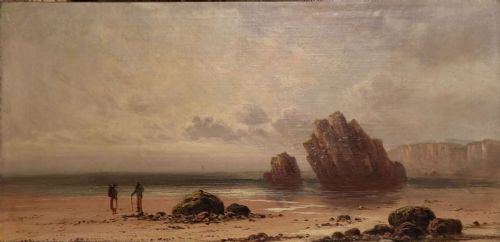
The subjects range from solitary sailing ships caught in gales to calm coastal harbours and rocky shorelines with figures. Many depict specific vessels, lighthouses, and named locations across Britain and Europe.
Artists focused on recording the realities of maritime life, trade ships, and the changing moods of the coastal weather.
How do I care for an antique oil painting?
Keep oil paintings away from direct sunlight and dramatic shifts in temperature and humidity to prevent the canvas from slackening and the paint from cracking. Dust the surface very gently with a dry, soft brush without pressing.
Avoid using water or chemical cleaners on the canvas or the gilt frame, as moisture damages both the pigments and the underlying support.
Are watercolours framed differently from oils?
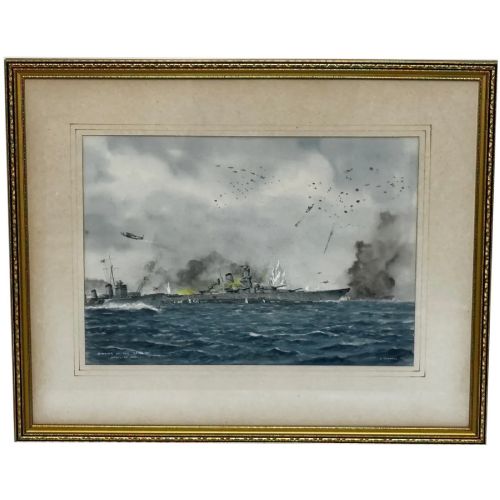
Watercolours require glass protection to shield the paper and pigments from atmospheric moisture and dust. They are typically mounted behind a card window and framed securely.
Oil paintings on canvas or board are usually unglazed, allowing the texture of the brushwork and the paint to remain directly exposed to the air.
How can I tell the period of a seascape?
The style of the vessel, the clothing of any figures on the shore, and the framing materials offer strong clues to the era of creation. Victorian works often feature detailed rigging and heavy gilt frames, while later twentieth-century pieces adopt looser brushwork.
Signatures, dates inscribed on the reverse, and artist records also help narrow down the decade in which the work was painted.