

Victorian Coal Bin
When searching for a victorian coal bin, a buyer discovers sturdy hearthside vessels built to house solid fuel with functional elegance.

Victorian Coal Bin
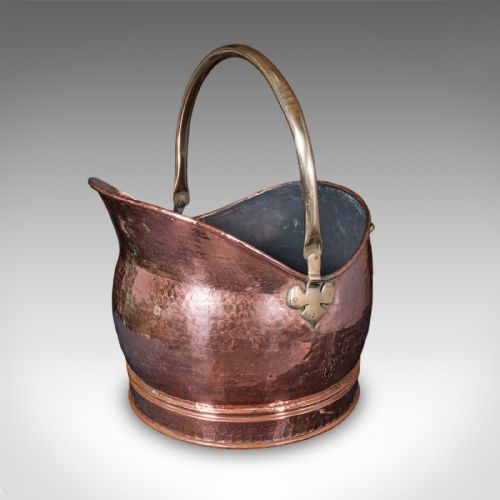
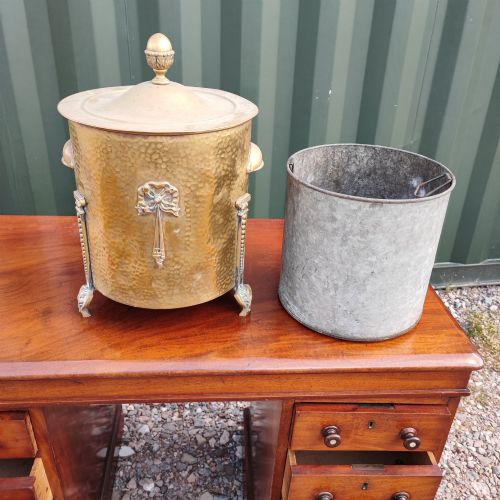
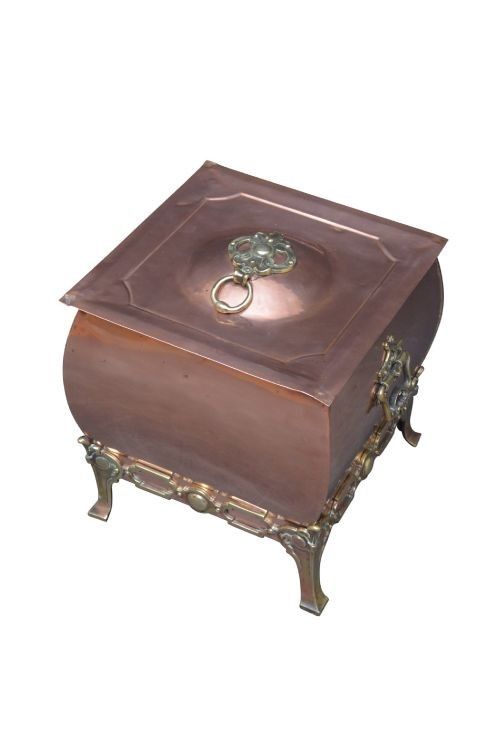
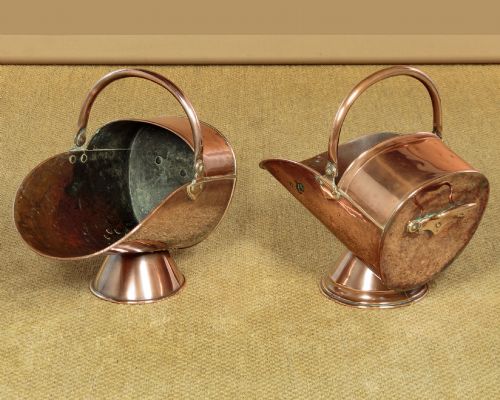
A victorian coal bin serves as a practical hearthside container designed to hold coal, logs, or kindling near an open fire. These items range from simple lidded boxes to decorative metal buckets and helmet-shaped scuttles.
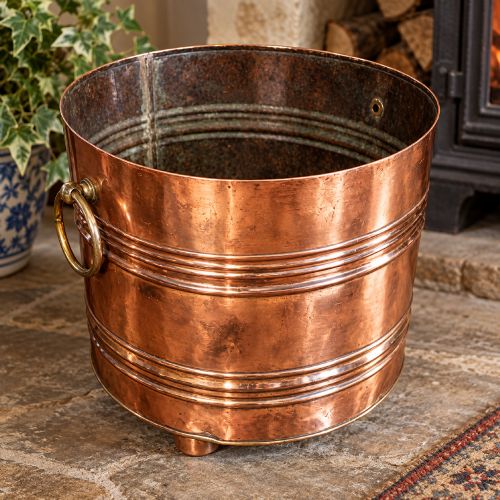
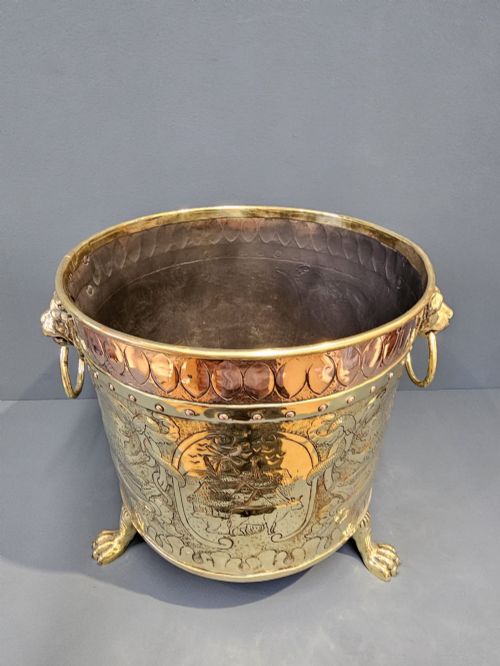
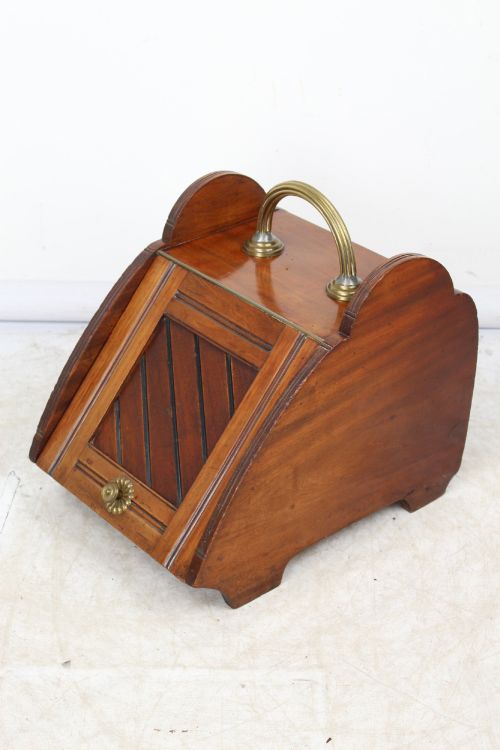
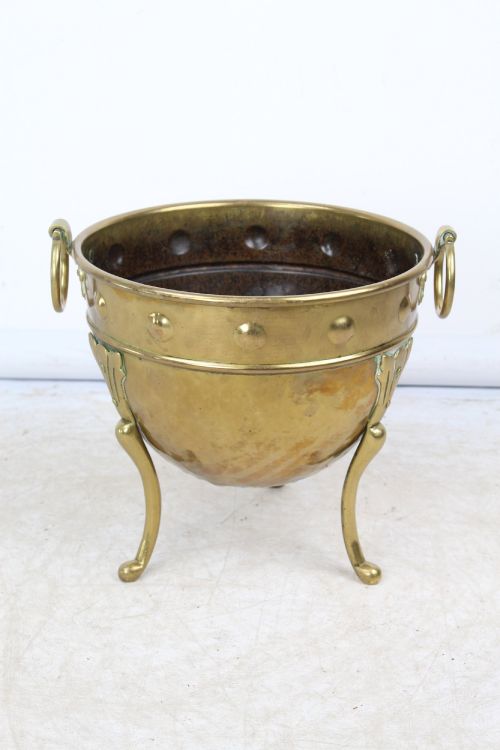
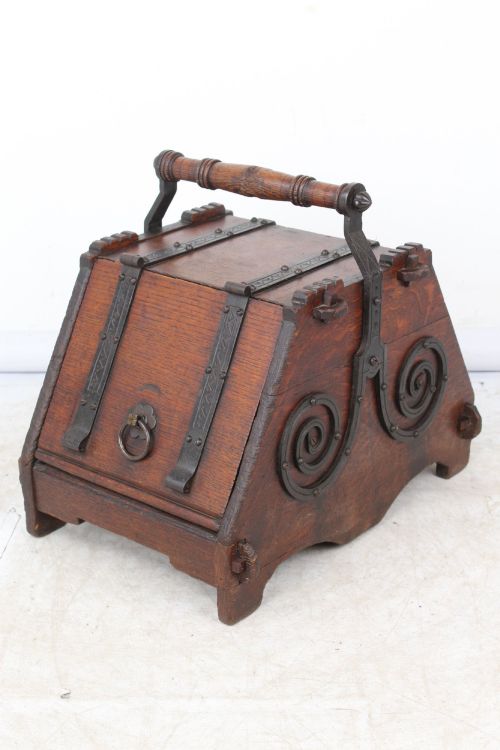
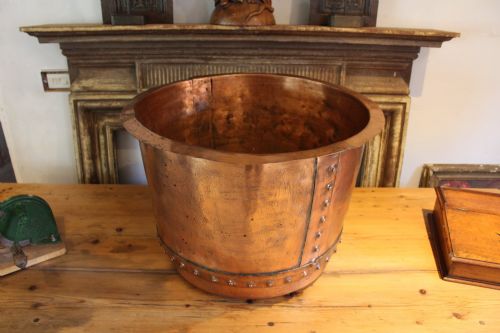
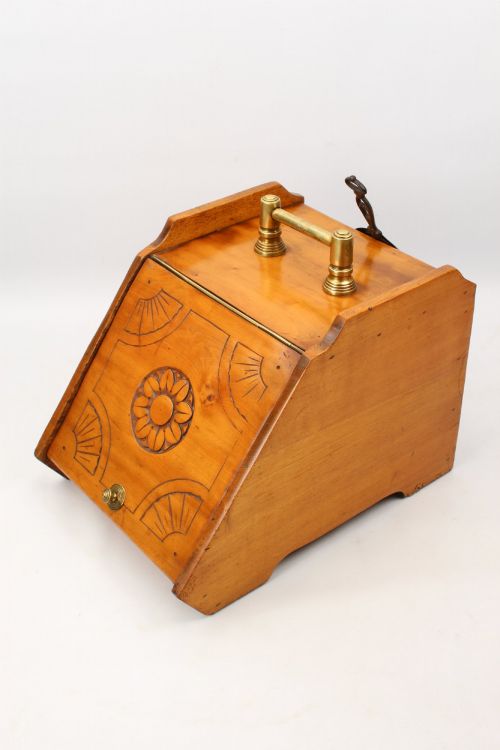
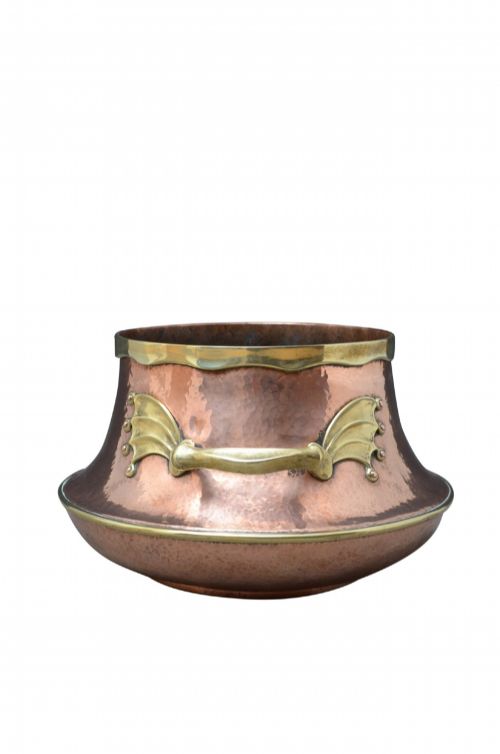
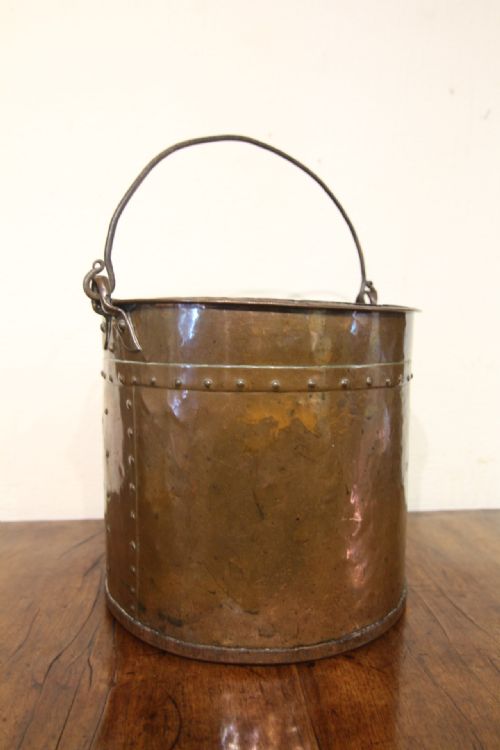
The versions most commonly found here include hammered brass or polished copper vessels alongside carved wooden coal boxes known as purdoniums. Many examples feature swing handles, metal liners, and matching shovels for daily hearth maintenance.
Originating predominantly from the nineteenth and early twentieth centuries, these receptacles reflect both utilitarian needs and the decorative arts movements of their respective decades.
How they were made
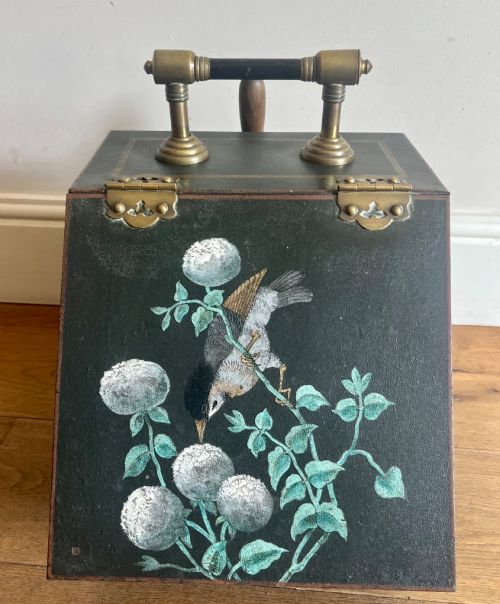
Metal vessels rely heavily on hand-beaten copper and brass, often joined by visible rivets or reinforced with iron bands and wrought handles. Tole ware examples display painted tin surfaces finished with decorative motifs.
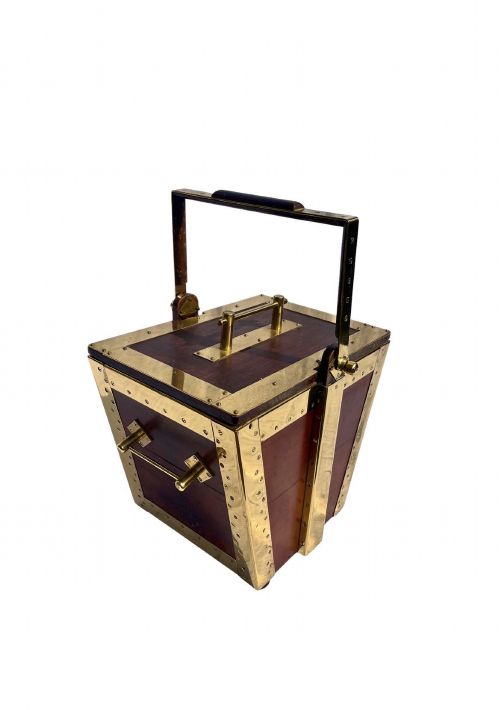
Wooden boxes utilise solid oak, mahogany, walnut, or rosewood, frequently incorporating carved details, brass mounts, or inlaid panels. Interior metal liners protect the timber framework from moisture and coal dust during daily use.
Victorian Coal Bin Retail Price Guide 2026
Typical asking prices for victorian coal bin among the pieces listed under this phrase on Sellingantiques today, from the lower quarter to the upper quarter. They describe what is for sale here now, not the wider market.
Some wooden coal boxes double as comfortable upholstered stools featuring intricate needlepoint seats for fireside warmth.
What varies in quality
Construction methods and material thickness dictate the durability of each piece, distinguishing robust daily workers from decorative display items. Heavy-gauge metals and tightly joined cabinetwork denote superior craftsmanship.
Design ambition elevates certain items, from plain utilitarian buckets to sculptural Gothic Revival pieces or refined Arts and Crafts creations bearing distinctive surface decoration and maker signatures.
Henry Loveridge·Christopher Dresser·Petrus Ramus
The Victorian Coal Bin Glossary
- Purdonium
- A specialised coal box featuring a sloping front drop-down door and an interior metal scoop or shovel holder. This cabinet style became popular in the later Victorian period to keep hearth fuel neatly enclosed.
- Helmet scuttle
- A bucket shaped with a flared rim and a raised back resembling a classical helmet, designed for pouring fuel cleanly. These brass or copper vessels usually feature a fixed swing handle overhead.
- Tole ware
- Lacquered and painted sheet metal items manufactured to resemble fine decorative wares. This technique allowed makers to produce durable fireside containers adorned with colourful finishes.
- Sarcophagus
- A monumental box form with a flat or domed lid, tapered sides, and prominent feet, often borrowed from classical architecture. In coal storage, this shape provides generous capacity for logs or fuel.
Victorian Coal Bin: Frequently Asked Questions
What is a purdonium?
A purdonium is a specialised wooden coal box equipped with a hinged drop-down front and an internal metal liner to store fuel tidily.
These cabinets typically include a dedicated compartment for a small shovel, keeping hearth accessories neatly out of sight.
How do you clean brass and copper?
Metal bins respond well to gentle cleaning with appropriate metal polishes to maintain their finish without removing historical patina.
Harsh abrasives should be avoided to protect hand-hammered textures and embossed decorative details.
Can these bins hold logs instead of coal?
Many examples function equally well as log baskets, plant planters, or umbrella stands depending on their interior capacity and lining.
Original metal liners help catch debris from wood bark and protect surrounding floors.
How do I distinguish Arts and Crafts examples?
Arts and Crafts pieces emphasise visible hand-craftsmanship, featuring hammered copper surfaces, riveted joints, and restrained organic motifs.
Such designs reject mass-produced ornamentation in favour of honest materials and structural integrity.