


Victorian Classical Sculpture
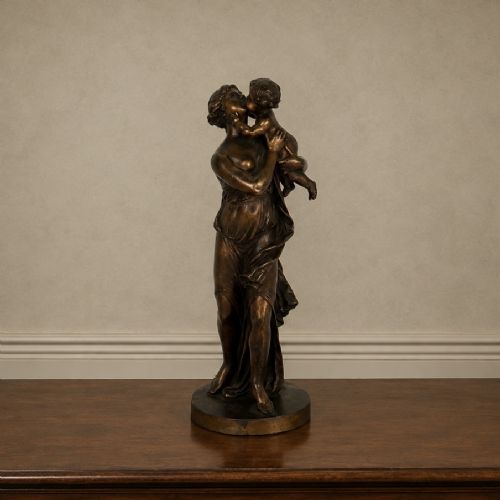
Victorian classical sculpture embodies the 19th-century fascination with antiquity, offering finely rendered bronze, marble, and parian figures that bring historical gravitas to any interior.
Victorian Classical Sculpture
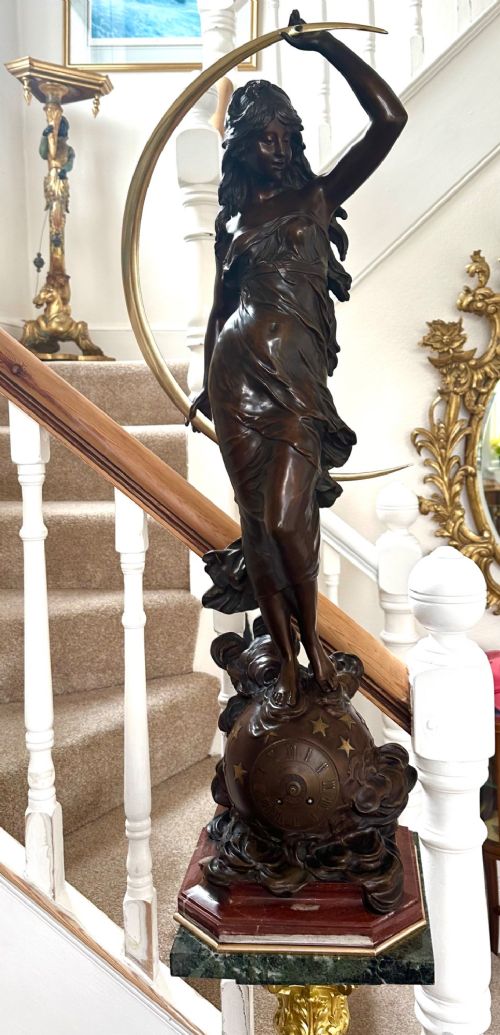
Victorian classical sculpture encompasses a diverse array of figures, busts, plaques, and pedestals created during the 19th century under neoclassical, Grand Tour, and classical revival influences. These works interpret ancient Greek and Roman mythologies, historical portraits, and literary subjects through the lens of Victorian taste.
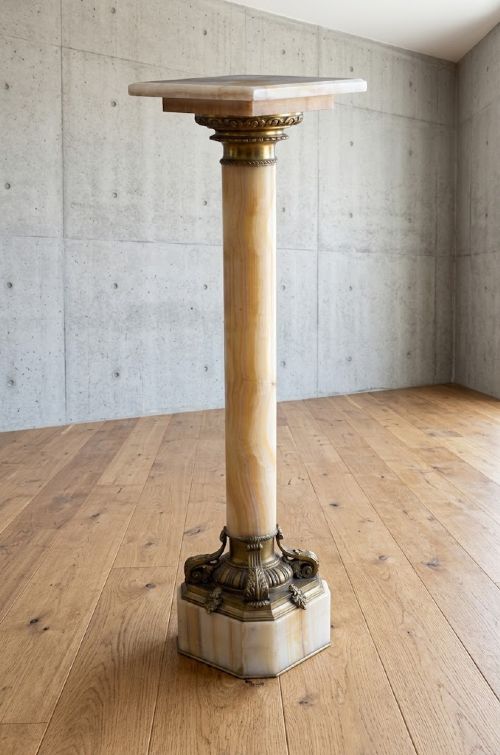
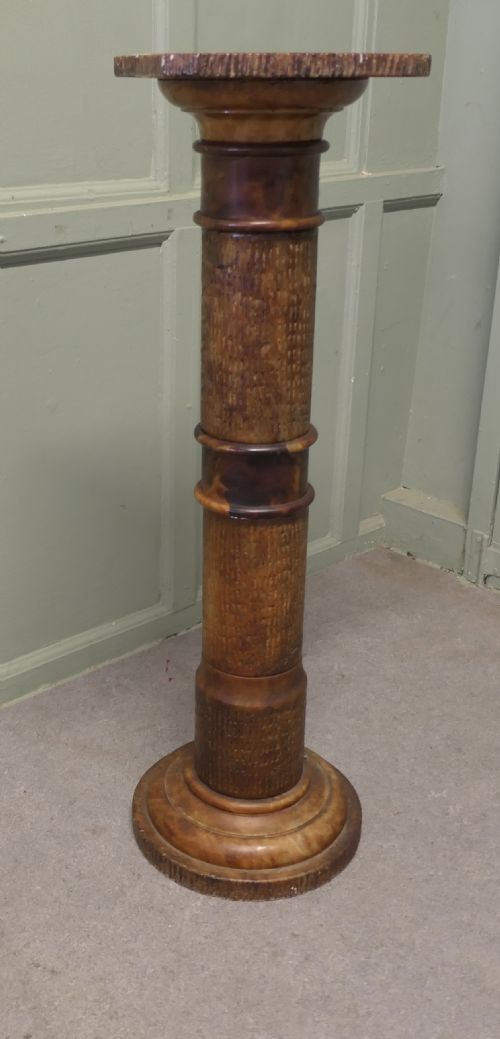
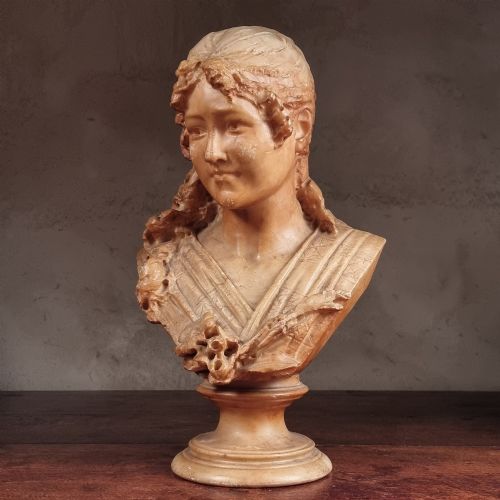
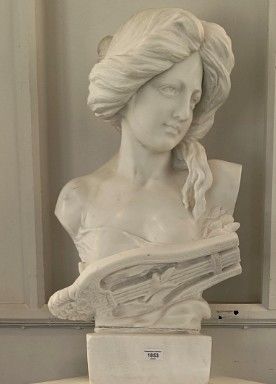
The objects on this page range from small cabinet bronzes and parian porcelain figurines to monumental marble portraits of statesmen and literary figures. Pedestals and columns in marble, onyx, and faux-painted wood frequently accompany these sculptures to display them within a room.
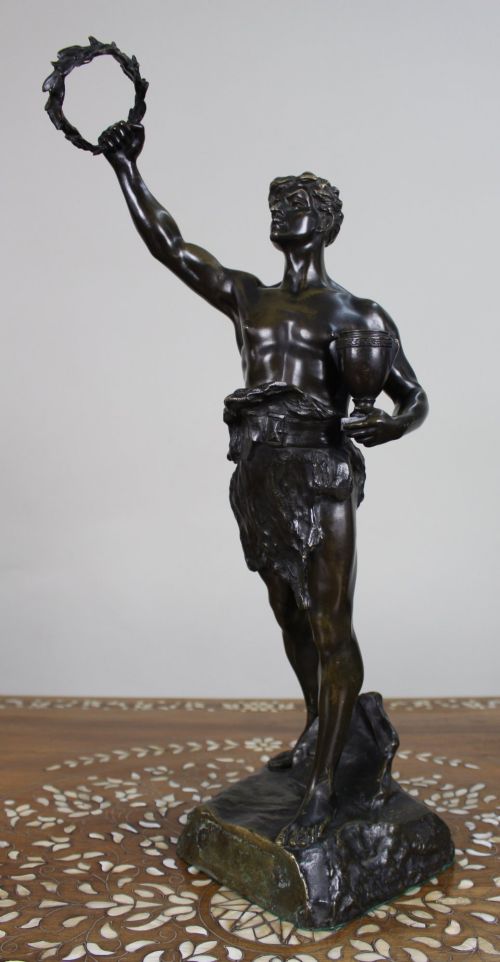
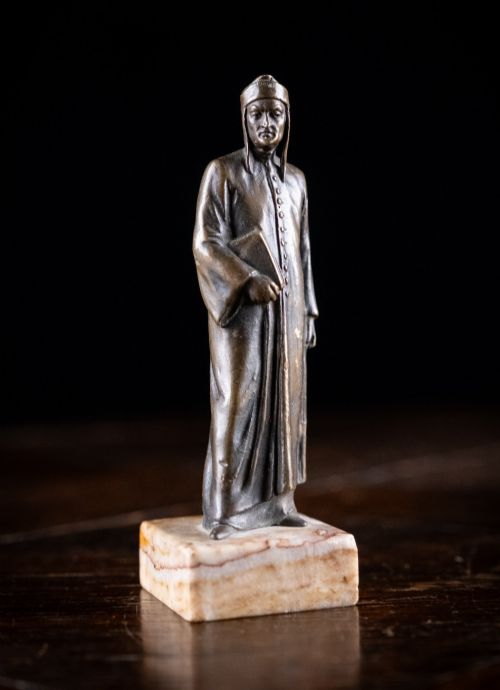
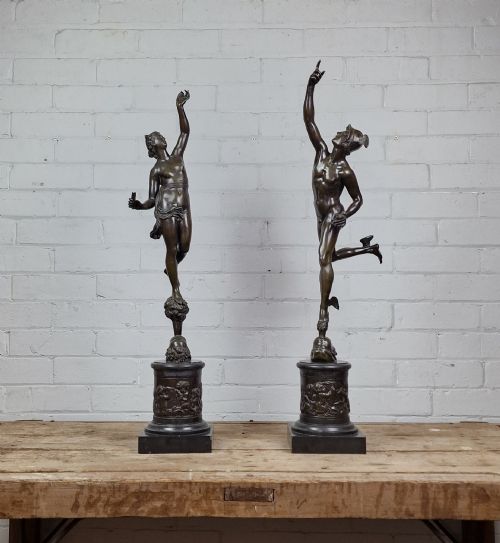
Buyers will most commonly encounter cast bronze figures with patinated surfaces, carved marble busts, and ceramic studies produced by major factories or individual sculptors. Many pieces reflect travel to Italy on the Grand Tour, capturing classical statues through reduction casting and carved stone.
Materials and methods of production
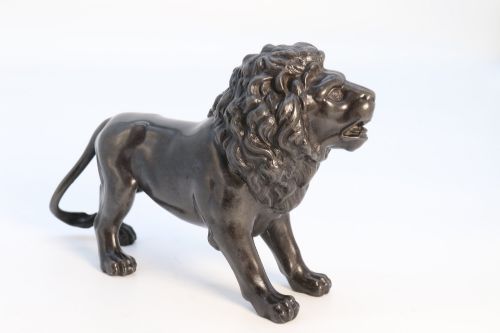
Sculptors and foundries utilised traditional casting and carving methods, employing bronze, patinated bronze, and spelter for metallic figures while applying dark or green patination to mimic ancient excavated works. Marble and alabaster were hand-carved to achieve smooth, luminous skin tones and intricate drapery, often supported by plaster casts taken from classical originals.
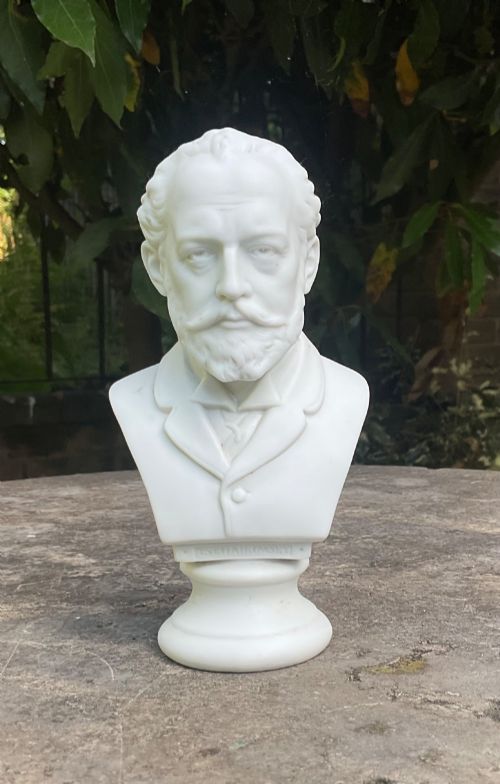
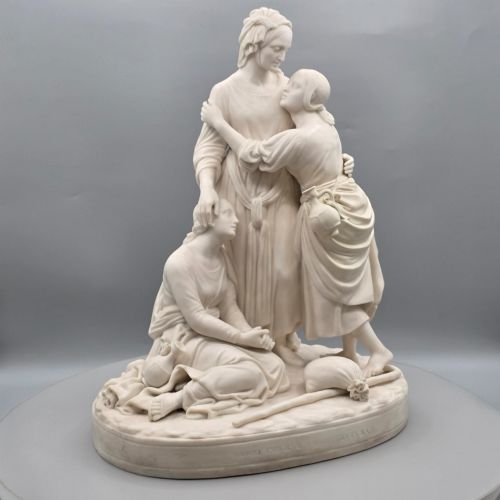
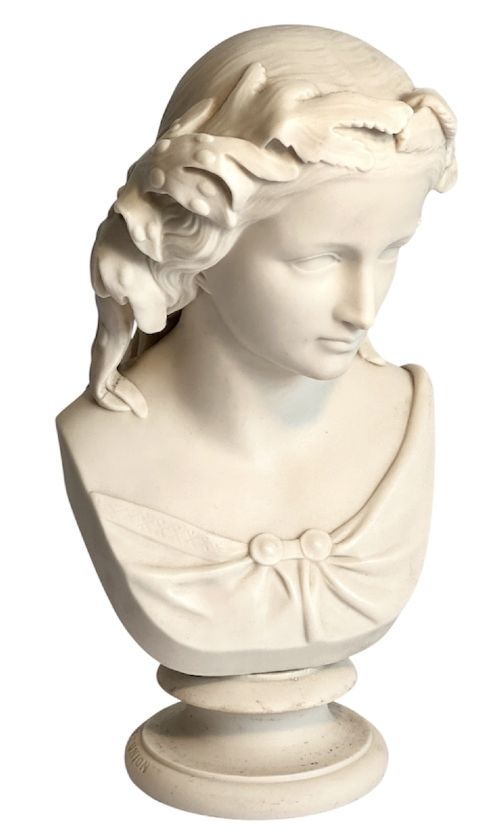
Ceramic works rely on parian porcelain and standard porcelain bodies, cast in moulds to replicate the texture of carved marble at a smaller scale. Pedestals incorporate onyx, wood, and painted finishes designed to simulate solid stone while providing structural support for heavier marble and bronze sculptures.
Object types include standalone portrait busts, columns, pedestals, and figural groups referencing classical mythology.
Distinctions in quality and execution
Quality in these sculptures depends on the precision of the casting and the sensitivity of the hand-finishing, where superior bronzes exhibit sharp chiselling in hair and drapery while lesser examples lose detail in secondary passes. Marble carvings reveal mastery through the undercut depth of curls and fabric, distinguishing professional studio work from mechanical replication.
The reputation of the foundry or the individual sculptor, alongside the quality of the raw material such as pure white statuary marble or dense multi-toned onyx, separates standard decorative production from significant artistic output.
August Moreau·Hamo Thornycroft·Raffaelo Monti·James Hadley
The Victorian Classical Sculpture Glossary
- Grand Tour
- Souvenirs and portable artworks purchased by travellers visiting cultural centres in Italy and France during the 19th century. These pieces typically replicated famous ancient sculptures in bronze or marble.
- Parian Porcelain
- A fine-grained unglazed biscuit porcelain developed in the 19th century to imitate white marble. It was widely utilised for portrait busts and literary figures.
- Patination
- The surface treatment or natural chemical alteration applied to metals to produce specific colours ranging from dark brown to deep green. This process enhanced visual depth and simulated ancient ageing.
- Spelter
- A zinc-based alloy used as a less expensive substitute for bronze in 19th-century figure casting. It was usually electroplated or painted to resemble genuine bronze.
- Neoclassical
- An artistic movement reviving the styles and subjects of ancient Greece and Rome. It prioritised symmetry, restraint, and classical mythology.
Victorian Classical Sculpture: Frequently Asked Questions
What subjects do these sculptures depict?
These works frequently portray figures from Greek and Roman mythology, classical deities, historical rulers, and literary characters. Sculptors also created portrait busts of contemporary politicians, thinkers, and artists.
mythological subjects include muses, putti, and figures such as Diana and Narcissus. Classical portraits range from Roman emperors to 19th-century civic leaders.
How do bronze and spelter differ?
Bronze is a durable copper alloy capable of holding crisp surface detail and accepting rich patination. Spelter is a softer, lighter zinc alloy used as an economical alternative.
Spelter pieces are generally more brittle and rely on surface paint or electroplating to mimic the appearance of true bronze.
What is parian ware?
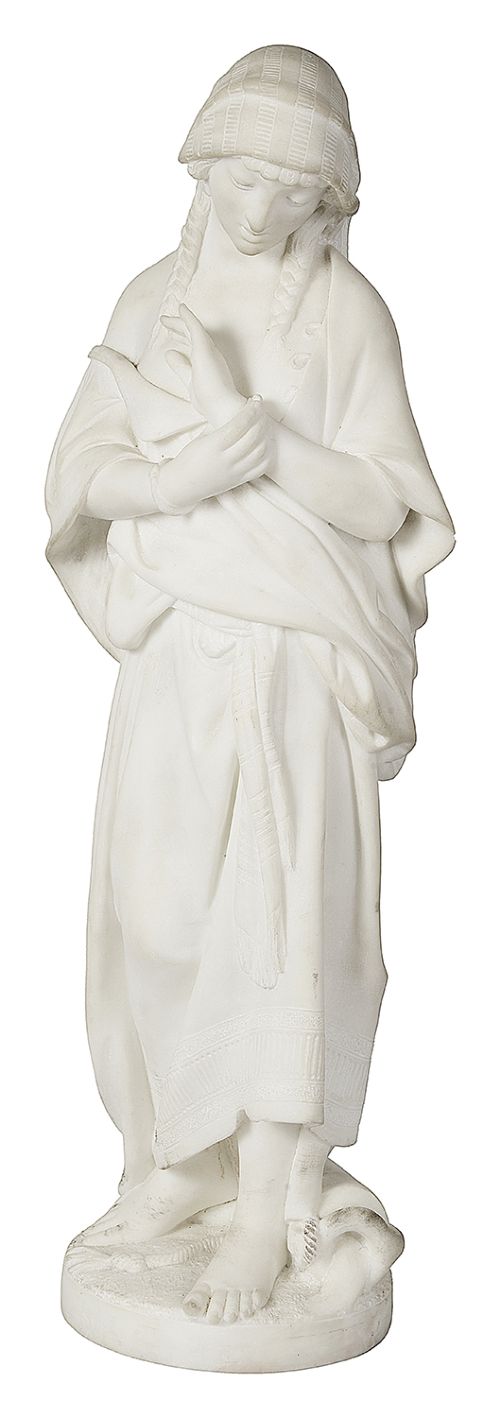
Parian ware is a type of fine white ceramic developed in the Victorian era to replicate the smooth, matte surface of carved marble. It allowed factories to produce detailed statuary at a commercial scale.
Named after the famous marble quarried on the Greek island of Paros, parian figures often depicted literary and allegorical subjects.
How were Grand Tour sculptures used?
Grand Tour sculptures served as academic mementos and decorative centrepieces for 19th-century libraries, studies, and drawing rooms. They demonstrated the owner's classical education and cultured travel.
These smaller bronzes and marble carvings brought the aesthetic of continental museums directly into domestic British interiors.
How should marble and bronze be cleaned?
Marble requires gentle dusting with a dry, soft cloth and should be protected from staining oils and acidic liquids. Harsh chemical cleaners can strip the polished surface of the stone.
Bronze pieces benefit from occasional dusting and the light application of microcrystalline wax to protect the patinated surface from moisture.