




Victorian Claret Pitcher
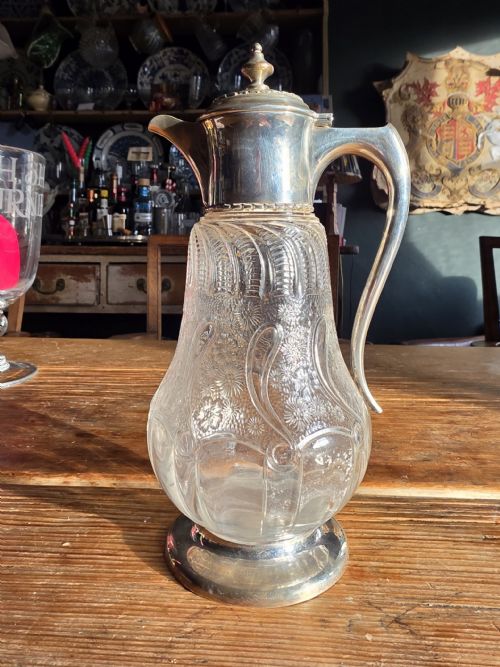
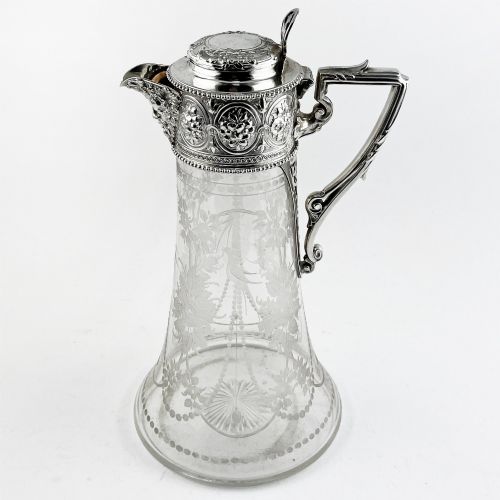
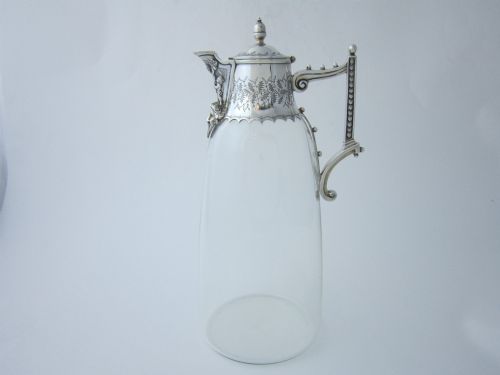
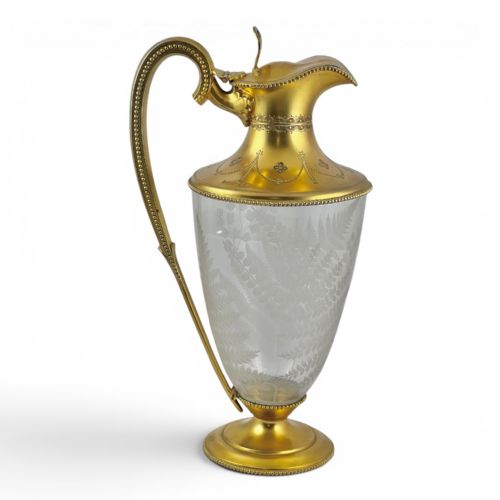
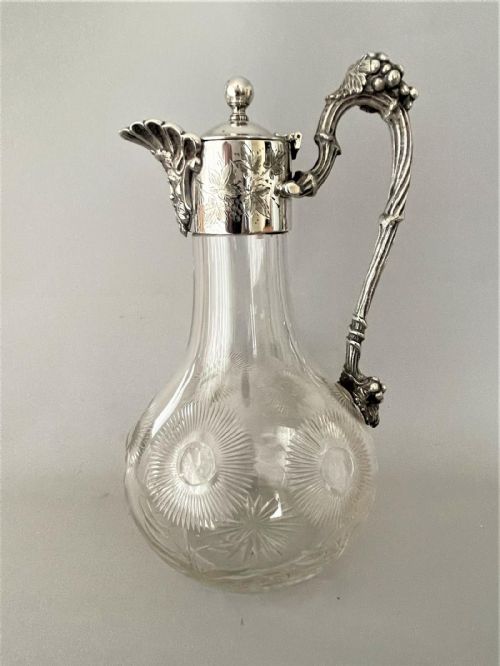
A victorian claret pitcher combines heavy cut glass with chased silver mounts, serving both wine and display on a nineteenth century table.
Victorian Claret Pitcher
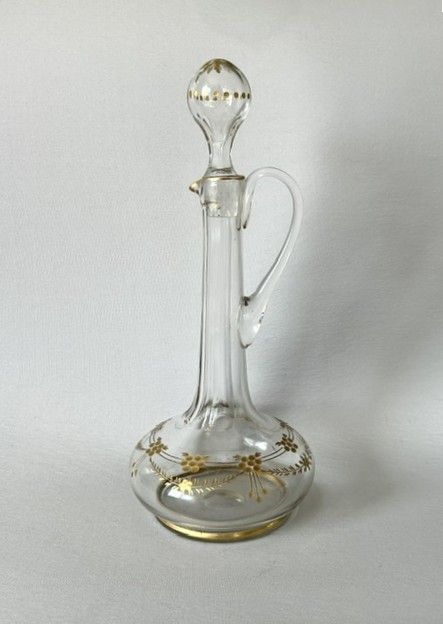
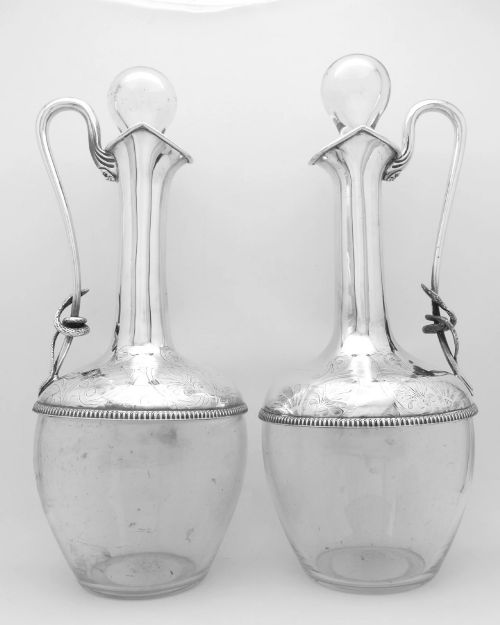
A victorian claret pitcher brings together blown or cut glass vessels and metal mounts designed for serving wine during formal dining. These items appear across the nineteenth century in various forms including ewers and decanters.
The objects most frequently met on this page pair silver plate or sterling silver mounts with clear, cut, or coloured glass bodies. Makers often employed decorative glass such as cranberry, green, or amber hues alongside engraved floral or wildlife motifs.
Examples range from restrained mid-century shapes to ornate late period pieces influenced by aesthetic movement or french revival styles. Each vessel balances functional pouring with the decorative standards of its decade.
Distinguishing quality
Quality rests in the weight and clarity of the glass coupled with the crispness of the metal chasing on the mounts. Heavy crystal blank forms show deeper, cleaner facet cutting than thinner moulded glass alternatives.
The integration between metal collar and glass neck marks the distinction of a workshop's output. Secure, well-fitted mounts with balanced handles demonstrate precise silversmithing rather than mass production.
Listings feature pieces spanning the nineteenth century into the Edwardian era, incorporating sterling silver, silver plate, and coloured crystal.
Asprey and Co. Ltd·Henry Bourne·Mappin and Webb·Richardsons·Elkington and Co
The Victorian Claret Pitcher Glossary
- Claret jug
- A vessel specifically designed for serving red wine at the dining table. These pieces typically feature a hinged lid and a handle attached to a silver or plated collar.
- Silver plate
- A base metal, usually copper or nickel brass, coated with a thin layer of silver. This technique allowed manufacturers to produce elaborate tableware at a lower cost than solid silver.
- Crystal
- A type of glass containing lead oxide, which increases weight, brilliance, and clarity. It allows for deep, sharp wheel-cut decoration.
- Electrotype
- A method of reproducing metal objects by electrodeposition in a bath. Makers used this process to create detailed, sculptural metal reliefs without hand chasing every surface.
- Latticinio
- A glassblowing technique involving fine white or coloured glass threads embedded within clear glass. It creates delicate net or ribbon patterns inside the vessel wall.
Victorian Claret Pitcher: Frequently Asked Questions
How do I identify a Victorian piece from an Edwardian one?
Victorian examples span from the mid-nineteenth century through nineteen hundred, often displaying heavier eclecticism, rich coloured glass, and detailed animal or classical mounts. Edwardian pieces tend to lean towards lighter, refined Georgian revivals and simpler crystal forms.
Assay office marks and date letters stamped on the silver mounts provide the most precise indication of manufacture.
Can these pitchers still be used for serving wine?
Most of these vessels function adequately for holding and pouring wine, provided the interior is thoroughly cleaned. The secure metal collars and robust glass construction were built for regular dining use.
Care must be taken with antique silver plate and fragile crystal handles during hand washing. Many collectors prefer to display them or use them strictly for special occasions.
What styles influenced the design of these jugs?
Designers drew inspiration from various historic and contemporary movements across the nineteenth century. French rococo revival, aesthetic movement motifs, and classical forms all appeared on silver mounts and engraved glass.
Bohemian and English glasshouses each brought distinct regional cutting and colouring traditions to the final product.