
Victorian Brass Pot
When you handle a victorian brass pot, you hold domestic history in heavy metal.
Victorian Brass Pot
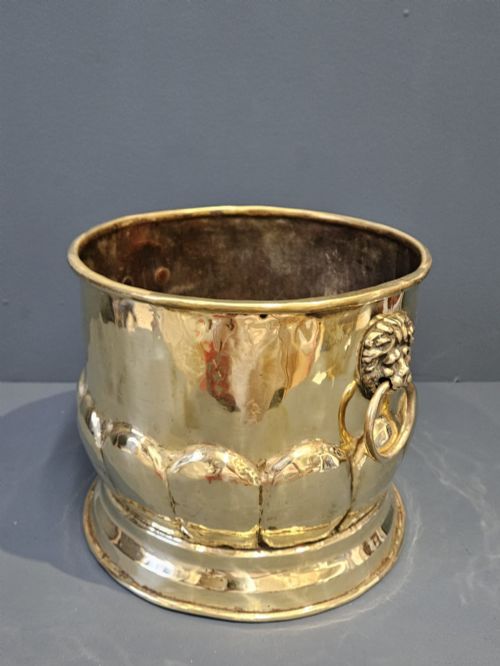
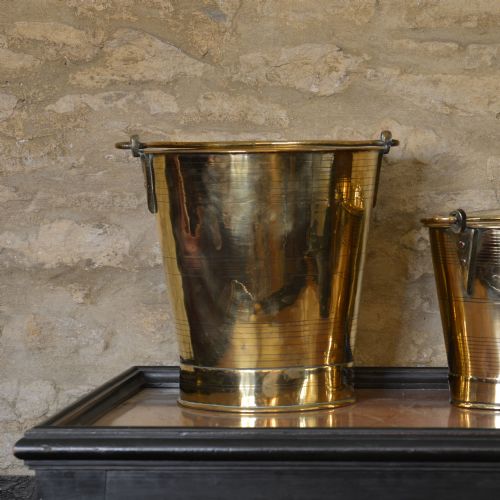
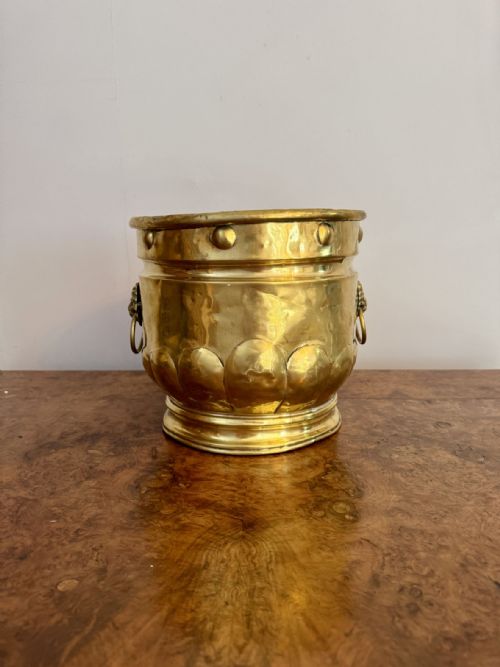
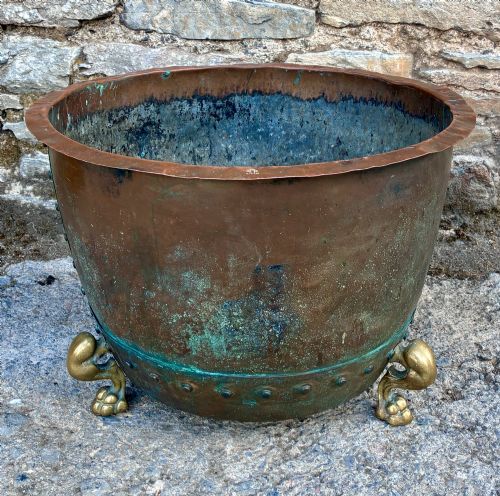
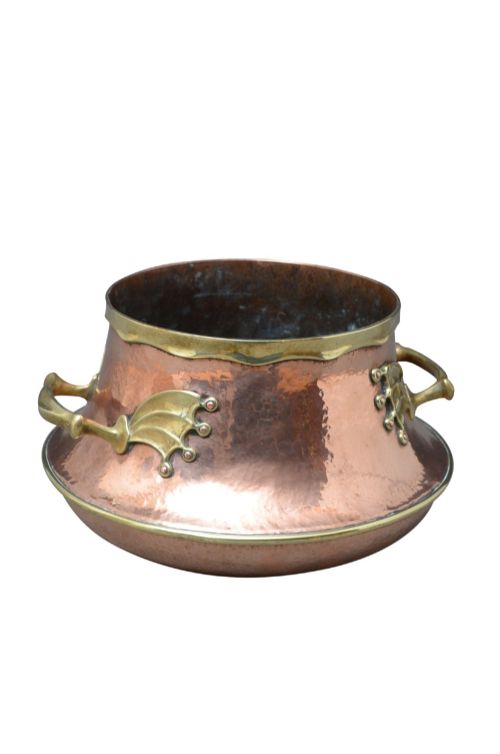
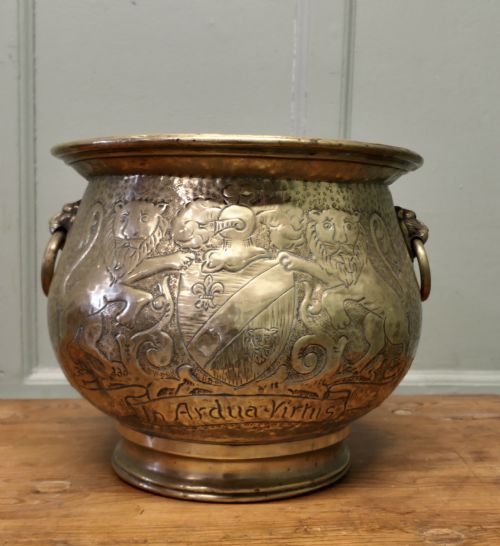
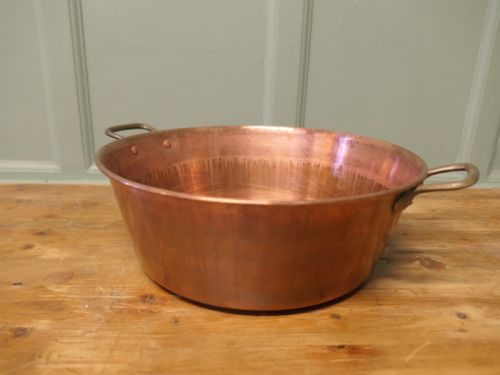
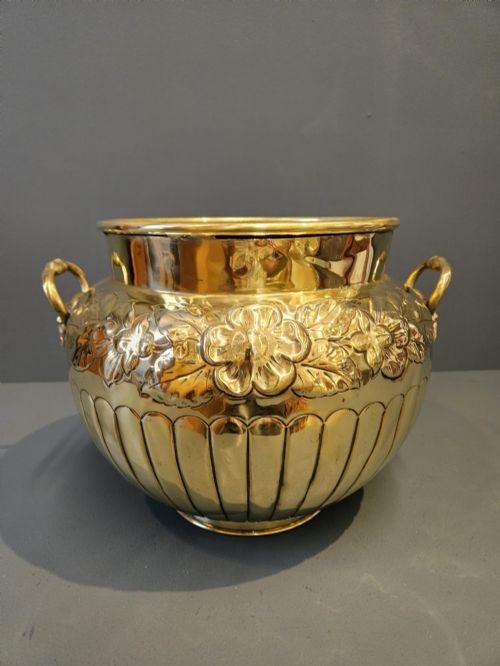
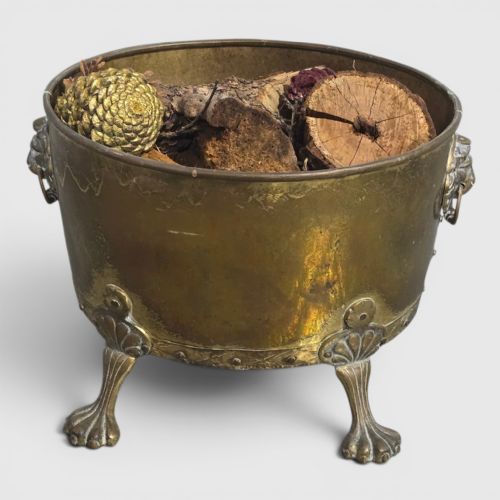
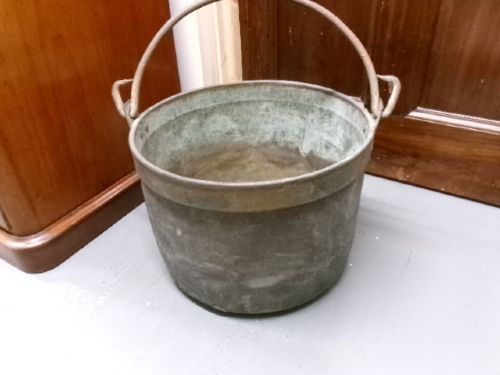
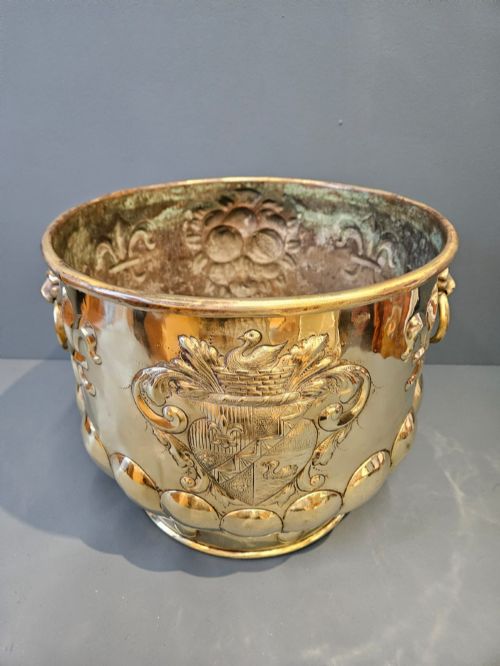
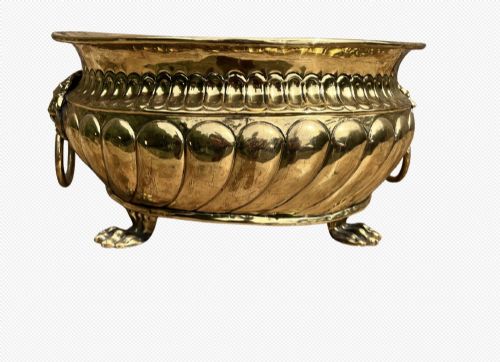
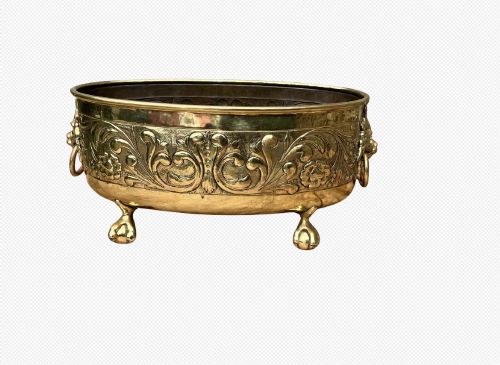
A victorian brass pot encompasses a range of metal vessels produced during the nineteenth century, spanning utility and display. Buyers encounter planters, jardiniere vessels, cachepots, and domestic cookware such as jam pans and saucepans.
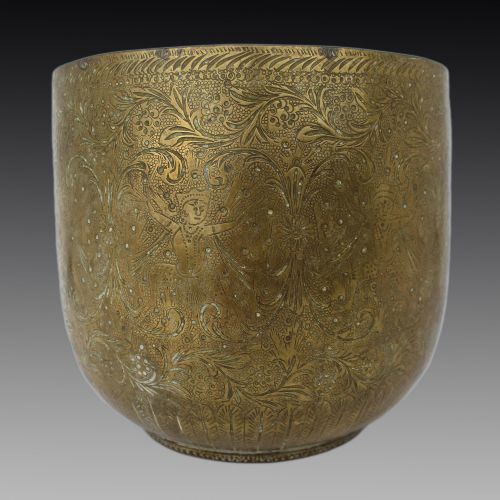
The material record shows objects spanning the Victorian era alongside Anglo-Indian, Gothic Revival, and Arts and Crafts styles. Pieces arrive from English, Continental, and Indian workshops, shifting from utilitarian kitchenware to decorative drawing-room accessories.
How They Were Made
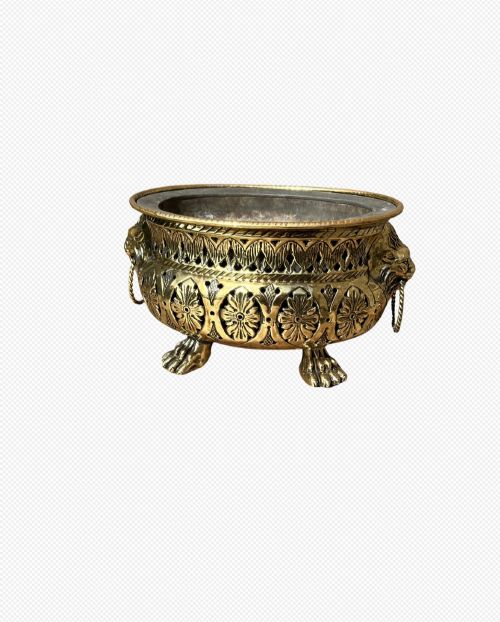
Maker workshops utilised sheet brass and copper, often combined with iron, bronze, or marble to build structure and weight. Metalworkers employed hammering, riveting, piercing, and hand-engraving techniques to shape vessels and ornament surfaces.
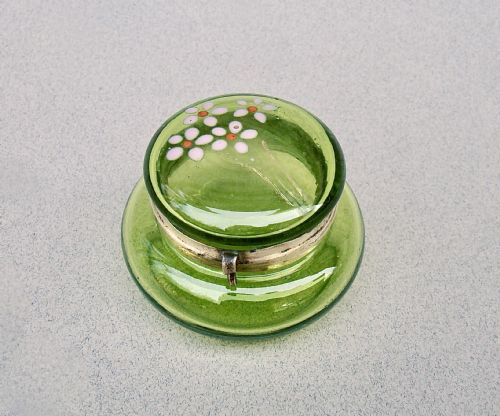
Details such as swing handles, crests, shields, and applied mounts were cast or forged separately before attachment. Surface treatment relies on natural metal finishes, sometimes incorporating enamel or cut glass.
Among the heavy metal and kitchenware hides a surprising goat-headed ink pot ready to watch over your desk.
What Varies in Quality
Standard differs through gauge thickness and the heft of the metal used in the walls and base. Heavy cast or hammered construction indicates substantial domestic or ceremonial intent.
Artisanal execution separates ordinary kitchen vessels from finely worked salon items. Crisp engraving, intricate pierced gallery work, and balanced proportions distinguish superior pieces.
William Soutter And Sons·Hodges And Sons
The Victorian Brass Pot Glossary
- Jardiniere
- An ornamental pot or stand designed to hold growing plants or flowers. These vessels often feature decorative embossing, crests, or pierced rims.
- Cachepot
- A decorative pot used to conceal an ordinary flowerpot. The term translates from French as hiding pot.
- Jam Pan
- A wide, shallow metal vessel utilised for boiling fruit and sugar. These pieces typically display strong riveted construction and sturdy carrying handles.
- Gothic Revival
- An architectural and decorative style drawing inspiration from medieval forms. Objects in this group display pointed arches, tracery, and heraldic shields.
- Anglo-Indian
- Describing items made in India during the British colonial period for export or domestic use by British residents. These pieces frequently exhibit dense hand-engraved patterns.
Victorian Brass Pot: Frequently Asked Questions
What is a jardiniere?
A jardiniere is an ornamental container designed to hold plants or floral arrangements inside the home. These pieces sit on tables, stands, or hearths as decorative display items.
Victorian examples often take wide, circular forms in brass or copper. Many feature handles, crests, or pierced rims to catch the eye.
How were brass pots used?
Domestic brass vessels served both functional kitchen roles and decorative interior purposes. Heavier pans cooked preserves and meals over hearth fires, while smaller pots held ink, trinkets, or plants.
Stylised vessels displayed in reception rooms signified household substance and taste. Utility merged with ornament as homes embraced metal decor.
How do I clean brass?
Cleaning depends on whether you wish to maintain an aged dark patina or achieve a bright metallic shine. Gentle washing with warm soapy water removes dust and surface grime without disturbing age.
Abrasive polishes strip historical surface character, so conservation guidelines generally favour minimal intervention. Soft cloths preserve the integrity of hand-beaten or engraved details.
How do I date a piece?
Dating relies on manufacturing techniques, material combinations, and stylistic motifs recorded across the era. Machine-rolled sheet metal contrasts with earlier hand-hammered and riveted construction.
Design influences such as Gothic Revival or Arts and Crafts provide specific chronological anchors. Maker marks and registration numbers offer further clues to exact production years.