

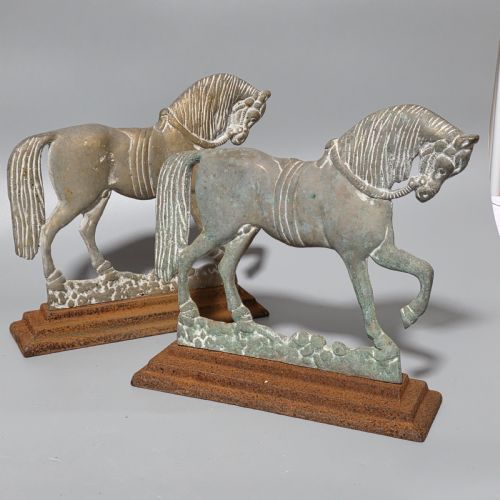


Victorian Brass Porter
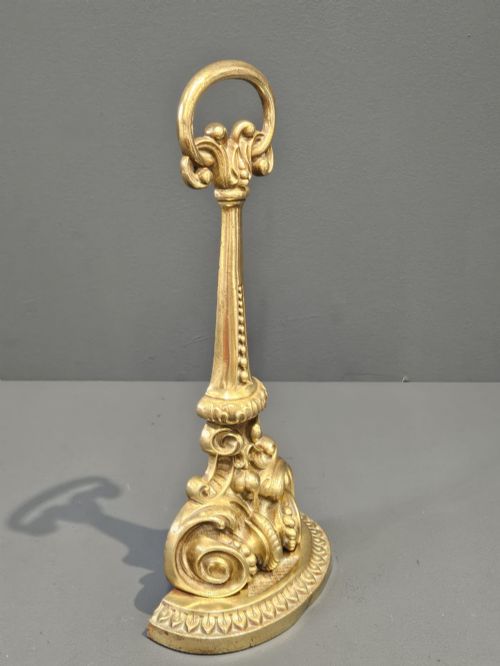
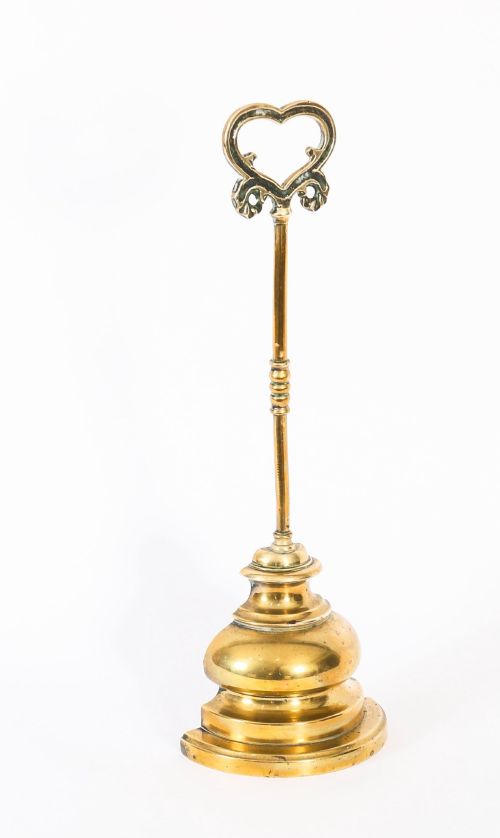
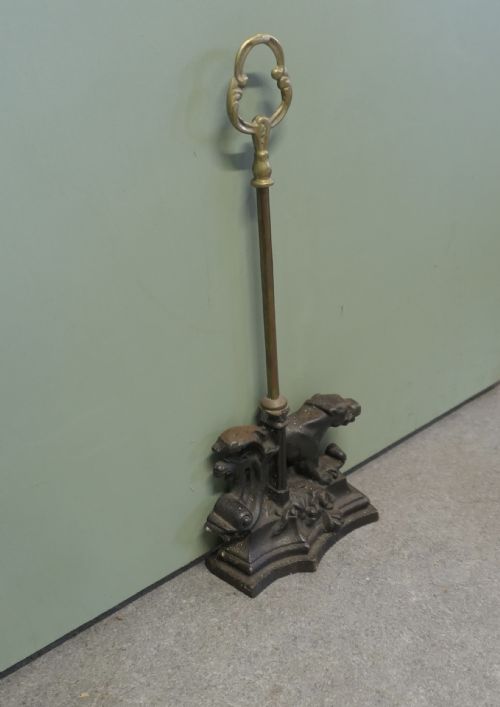
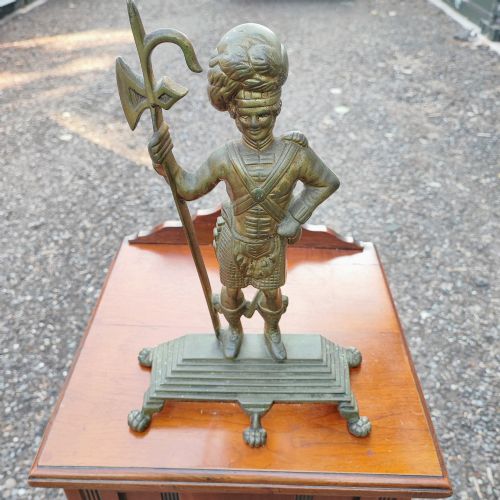
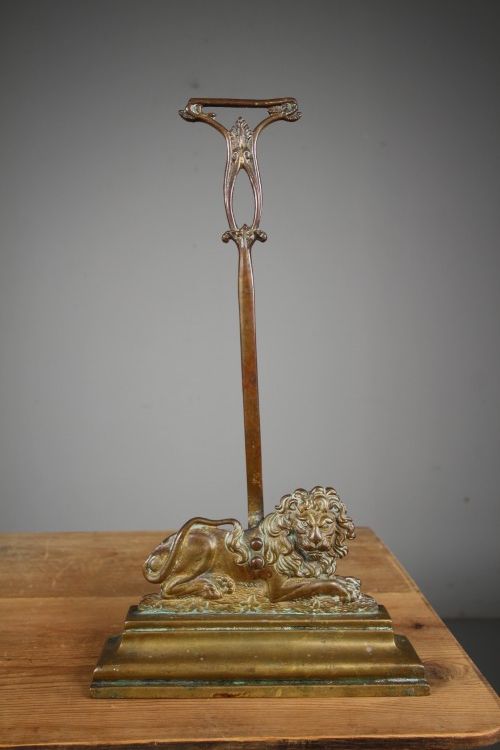
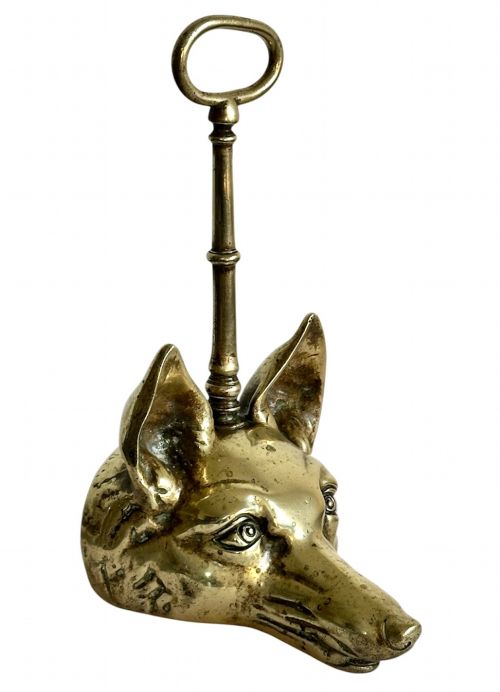
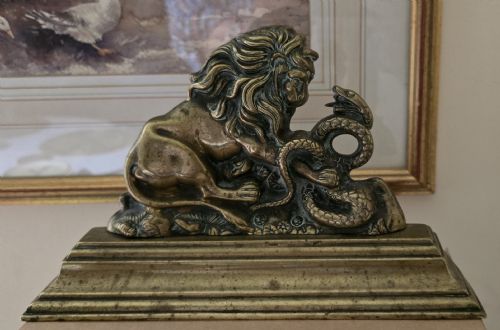
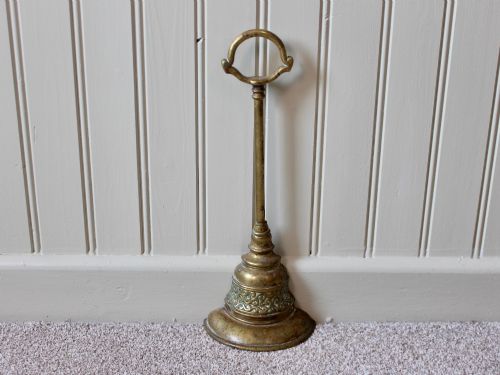
These heavy Victorian brass porter stops keep stubborn interior doors firmly open with substantial metal weight and figurative design.
Victorian Brass Porter
When searching for a Victorian brass porter, you are looking at heavy utilitarian objects designed to prop open interior doors against draughts. The pieces appearing here span the nineteenth century, including Regency, Georgian and later Victorian periods.
The most common forms on this page are figural doorstops and door porters shaped as animals, soldiers, and classical figures, alongside occasional leather armchairs. Materials combine solid brass, cast brass and cast iron bases.
Materials and construction
Foundry casting dominates these objects, utilising molten brass and iron poured into moulds to create weighty figures. Many examples pair a heavy cast iron base or plinth with a detailed brass front.
Secondary materials appear in specific forms, such as wood and hand-dyed leather on porter armchairs, or glass elements in desk accessories. Metal components often display cast detail ranging from plain utilitarian forms to ornate figures of animals, fish and historical characters.
Listings feature items spanning the 19th century, including Georgian, Regency, Victorian and Edwardian periods made from brass, cast iron, bronze, wood and leather.
Assessing quality
Weight also separates the range, as heavier solid brass and integrated iron ballasted bases provide better function than hollow or lighter alternatives. Maker attribution, such as work by Tonks, elevates certain pieces through documented foundry origin.
Tonks·William Tonks·William Tonks and Sons·Gillows
The Victorian Brass Porter Glossary
- Door porter
- A heavy weight placed on the floor to hold a door open. These objects are also frequently called doorstops.
- Cast brass
- Molten brass poured into a mould to form solid shapes. This technique allows for intricate figures and ornamental detailing.
- Cast iron
- A strong, heavy iron alloy used extensively for the weighted bases of door porters. It provides the necessary heft to hold heavy doors.
- Porter armchair
- A high-backed upholstered chair enclosed around the sides to block draughts in hallways. These pieces feature leather upholstery and deep tuffeting.
- Plinth
- A heavy base supporting a figural doorstop. Iron plinths add extra stability and weight to tall brass figures.
Victorian Brass Porter: Frequently Asked Questions
What is a Victorian brass porter?
A Victorian brass porter is a heavy metal object used historically to hold doors open in large houses. They combine functional weight with decorative figural designs.
Most examples take the form of cast brass figures mounted on iron bases, designed to withstand heavy interior doors.
How do I use a door porter?
You simply place the heavy metal figure directly on the floor against an interior door to prevent it from swinging shut. Their substantial weight keeps them stable in busy hallways.
They function best on hard floors or low-pile carpets where the heavy iron base can grip effectively.
Are all porters made of solid brass?
Many door porters combine cast brass upper figures with heavy cast iron bases or plinths. This mixed construction provides extra weight at the bottom.
Some pieces consist entirely of solid cast brass, while others incorporate materials like wood or leather in distinct furniture forms.