



Victorian Brass Dish
A victorian brass dish brings warmth and utility to a room through beaten metalwork and classical or exotic design.
Victorian Brass Dish
A victorian brass dish encompasses a range of circular and oval vessels used for serving, display, and organisation during the nineteenth century. Buyers searching this phrase encounter circular chargers, presentation trays, and decorative bowls originating from domestic workshops and distant trading traditions alike.
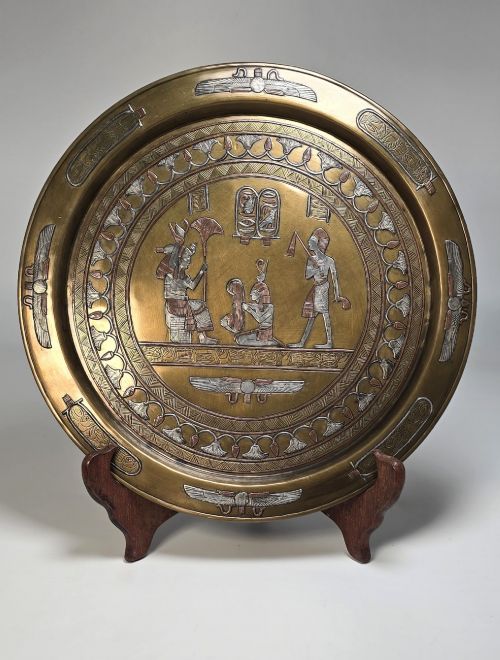
The objects span from plain utilitarian pieces to elaborate items incorporating mixed metals, silver inlay, and engraved motifs. Pieces often reflect contemporary stylistic influences including Anglo-Indian production, Egyptian Revival taste, and classical forms.
Many examples double as catchalls for small items or serve as wall-mounted chargers displaying mythological scenes. The selection on this page demonstrates the wide geographical reach and decorative ambition of the period.
Materials and construction
Makers utilised copper and brass as primary substrates, frequently combining them with bronze, silver inlay, and mixed metals to create contrasting surface tones. Metalworking techniques relied heavily on hand-hammering, piercing, and engraving to achieve intricate patterns across chargers and trays.
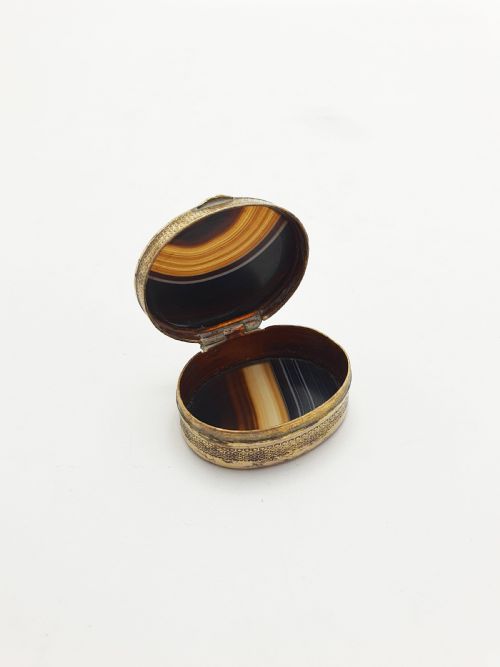
Decorative embellishments often involved applied elements such as agate cabochons, glass inserts, or pietra dura mounting, securing the metalwork to stone or wooden supports where appropriate. Surface decoration ranges from geometric Islamic-inspired script to naturalistic animal motifs and classical figures.
Listings feature brass, copper, and bronze alongside materials like agate, cut glass, and enamel across the nineteenth century.
Assessing the execution
Quality rests in the crispness of the engraving and the depth of the metal relief work rather than simple weight alone. Superior pieces display deliberate hand-hammering and secure mounting of mixed metal or stone elements.
Design coherence separates standard utility items from finer decorative presentation pieces. Well-executed examples maintain balanced proportions and harmonious integration between the brass body and any added decorative inlays.
The Victorian Brass Dish Glossary
- Charger
- A large ornamental plate or dish intended for display on a wall or sideboard rather than dining use. These items frequently display detailed hand-engraved or pierced decoration.
- Cairoware
- Nineteenth-century brass and copper metalwork produced in Egypt for the European export market, characterised by silver and copper inlay in geometric patterns.
- Pietra dura
- An artistic technique using cut and fitted polished coloured stones to create images, sometimes mounted onto brass and alabaster dishes.
- Jardiniere
- A decorative pot or stand for holding plants or flowers, often constructed from brass or copper during the Victorian era.
Victorian Brass Dish: Frequently Asked Questions
How were these dishes used originally?
Victorian brass dishes served both utilitarian and decorative roles in the home, functioning as calling card receivers, presentation pieces, or catchalls for small personal items. Larger chargers and platters were frequently mounted on walls or displayed on sideboards to showcase intricate metalwork.
Domestic interiors of the period utilised these vessels to introduce warmth and exotic texture into formal rooms. They also accommodated functional tasks in hallways and studies before evolving into purely decorative objects.
Where did the exotic designs originate?
Many decorative brass pieces reflected the Victorian appetite for global trade and exploration, incorporating styles from Anglo-Indian, Egyptian, and Japanese traditions. Workshops in Cairo, Persia, and India produced specific export items featuring local engraving techniques and traditional motifs.
European manufacturers also adopted these foreign aesthetics, creating hybrid pieces that blended domestic forms with Eastern decorative vocabularies. This cross-cultural exchange defined much of the decorative metalwork produced during the late nineteenth century.
How do I care for antique brass?
Antique brass requires minimal intervention to preserve its historic surface appearance and natural oxidation. Dusting with a soft, dry cloth prevents the accumulation of grime without disturbing the metal.
Harsh chemical polishes should be avoided because they strip away desirable age patinas and historical depth. Maintaining a stable indoor environment away from excessive moisture protects the underlying metal and any integrated stone or glass elements.
How do I distinguish regional styles?
Distinguishing regional origins relies on examining the specific engraving techniques, metal combinations, and decorative motifs employed on each piece. Anglo-Indian and Middle Eastern vessels often feature dense geometric carving and contrasting silver inlay work.
European interpretations tend to merge these exotic patterns with classical Western forms or incorporate local materials like cut glass and agate. Comparing the overall weight, alloy colour, and tooling marks helps identify the likely workshop tradition.