





Brass Planter Bowl
These brass planter bowl examples bring warmth to a room, offering sturdy vessels for greenery crafted across the nineteenth and twentieth centuries.
Brass Planter Bowl
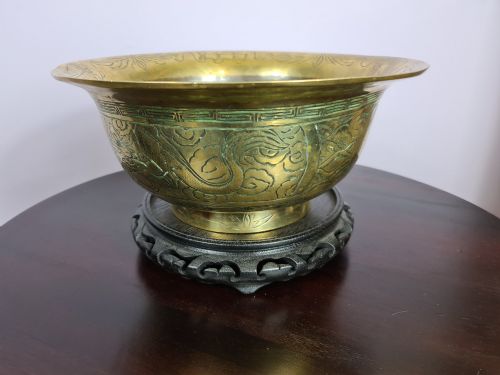
When someone searches for a brass planter bowl, they are looking at vessels designed to hold plants, often listed under terms such as jardiniere, cachepot, or decorative bowl. These items appear in various forms, from nineteenth-century Victorian designs to Chinese cloisonne and Japanese bronze pieces.
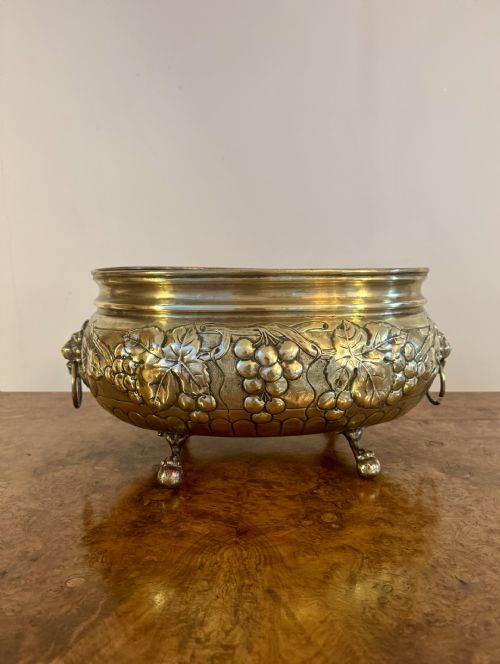
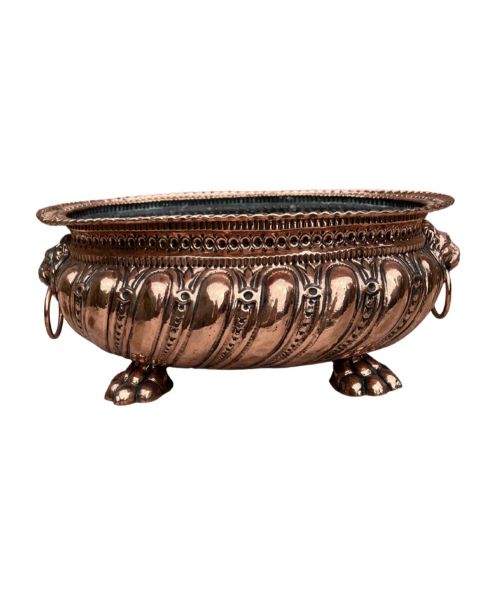
The most common version met on this page is the nineteenth-century brass jardiniere, frequently featuring decorative handles or repousse work. Alongside these, buyers find copper pans, bronze bowls, and oriental pieces originating from different periods including the Georgian and Regency eras.
Originating from diverse stylistic traditions, these vessels range from Gothic Revival designs with lions mask handles to Anglo-Indian cachepots. Each piece serves primarily as a decorative container, whether housing potted plants or standing alone as a room accent.
What varies in quality
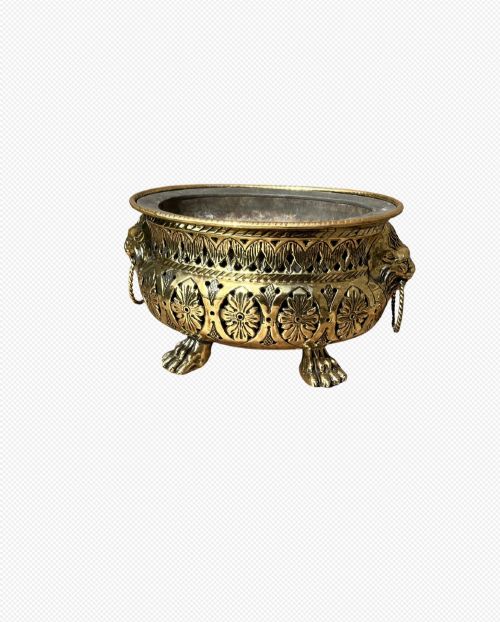
The distinction between ordinary and exceptional pieces lies in the crispness of the metalwork and the weight of the material. Heavy cast vessels with deeply defined repousse or finely pierced patterns demonstrate superior craftsmanship compared to thinner, lighter pressings.
Artistry in decorative details, such as animal head mounts or distinct lions mask handles, separates standard utility items from higher-grade ornamental pieces. The integration of complementary materials, including enamel or contrasting hardwood stands, further elevates a piece.
Brass Planter Bowl Retail Price Guide 2026
Typical asking prices for brass planter bowl among the pieces listed under this phrase on Sellingantiques today, from the lower quarter to the upper quarter. They describe what is for sale here now, not the wider market.
Materials span several metals and mediums, including brass, copper, bronze, enamel, iron, and hardwood.
The Brass Planter Bowl Glossary
- Jardiniere
- A decorative pot or stand for holding flowers or plants. These vessels are typically manufactured from brass, copper, or ceramic.
- Cachepot
- An ornamental pot used to conceal an ordinary flowerpot. The term translates from French as hiding pot.
- Repousse
- A metalworking technique where a design is hammered into relief from the reverse side. This method creates tactile surface decoration on brass and copper vessels.
- Cloisonne
- An ancient technique for decorating metalwork objects with enamel. Coloured glass pastes are separated by thin metal strips before firing.
Brass Planter Bowl: Frequently Asked Questions
What is a brass planter bowl?
A brass planter bowl is a metal vessel originally intended to hold potted plants or serve as a decorative centrepiece. These items encompass jardinieres, cachepots, and decorative bowls.
They appear in various styles from the eighteenth century onwards, reflecting tastes from Victorian Britain to Qing Dynasty China.
How do I clean a brass planter bowl?
Cleaning depends on the desired appearance of the metal and whether the surface has an aged patina. Gentle dusting or wiping with a soft cloth is generally sufficient for daily care.
Strong chemical polishes should be avoided on antique pieces to preserve the historic surface colour and finish.
Can I use these bowls for real plants?
Many of these vessels were designed to hold potted plants, often acting as cachepots to catch water drainage. Placing a separate inner pot inside protects the historic metal from moisture damage.
Checking the interior for water-tightness or piercing is advisable before planting directly into any antique metal vessel.
How do I identify the period of a brass planter bowl?
Dating relies on stylistic clues, manufacturing techniques, and specific design movements such as Art Nouveau or the Victorian Gothic revival. Heavy cast bronzes often point towards Asian origins, while repousse work frequently connects to nineteenth-century European production.
Examining construction marks and handle styles helps narrow down the probable era of manufacture.