


Oriental Brass Planter
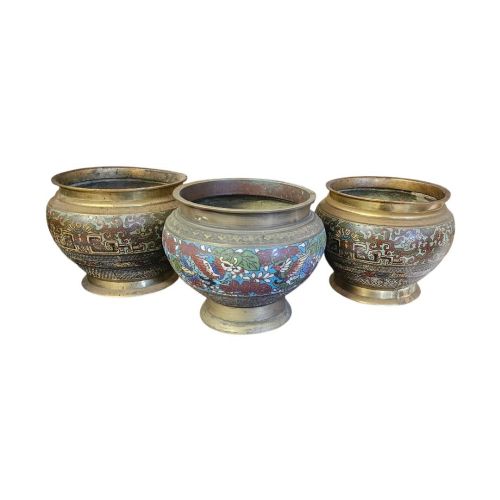
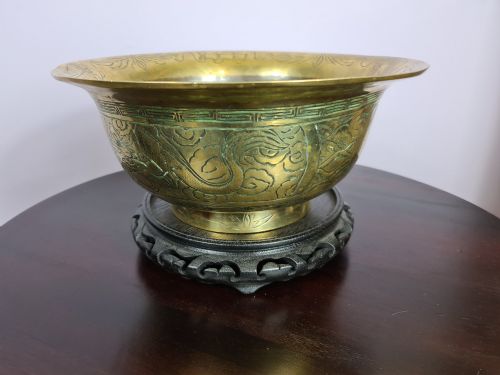
These oriental brass planter pieces bring substantial weight and decorative metalwork into a room, offering a distinct focal point for interior displays.
Oriental Brass Planter
When you search for an oriental brass planter, you are looking at substantial metal vessels designed to hold plants and flowers within domestic interiors. These objects appear in forms such as jardinieres, decorative bowls, and troughs, often serving as prominent centrepieces on tables or stands.
The pieces you are most likely to meet on this page date from the nineteenth century, including Victorian interpretations and items from the Qing Dynasty and Japanese Meiji period. They range from small desk pots to heavy jardinieres weighing multiple kilograms, reflecting diverse manufacturing traditions from China and Japan.
The materials span bronze, brass, copper, and zinc linings, frequently accompanied by decorative techniques like champleve and cloisonne enamel. Buyers seek these vessels for their robust construction and the intricate ornamentation that characterises nineteenth-century Asian and Victorian orientalist output.
How they were made
These vessels rely heavily on cast and beaten metal techniques, utilising brass, bronze, and copper to achieve durable and heavy bodies. Many items incorporate internal linings of zinc to protect the metal structure from moisture during use.
Surface decoration often involves enamelling techniques such as champleve and cloisonne, where vitreous enamel fills recessed channels or wire cells on the metal base. This method demands precise metalworking skills to create intricate patterns across the surface of the bowl or jardiniere.
Several heavy specimens exceed two kilograms, proving that nineteenth-century plants required serious metal protection.
What varies in quality
The primary distinction in quality lies in the weight of the metal and the complexity of the surface work. Heavier vessels with thick bronze or brass walls demonstrate superior substance, while finer examples exhibit meticulous enamel detailing rather than plain metal surfaces.
The integrity of the decorative execution, particularly in champleve and cloisonne work, dictates the distinction between standard production and master craftsmanship. Pieces that retain their original zinc liners and retain crisp definition in their cast motifs stand higher in the range.
The Oriental Brass Planter Glossary
- Jardiniere
- An ornamental pot or stand for holding plants or flowers. This term is frequently used interchangeably with planter in nineteenth-century contexts.
- Champleve
- An enamelling technique where metal is gouged or carved to form cells that hold vitreous enamel. The surrounding metal walls remain visible as part of the design.
- Cloisonne
- A method of decorating metalwork objects with coloured material held in place by thin metal strips. These wires form the boundaries for distinct fields of enamel.
- Meiji Period
- A Japanese era lasting from 1868 to 1912 noted for its metalwork and decorative arts exported to Western markets. Pieces from this time often display accomplished bronze casting.
- Qing Dynasty
- The last imperial dynasty of China, ruling from 1644 to 1912. Objects from the late Qing period frequently feature on this page.
Oriental Brass Planter: Frequently Asked Questions
How do I clean an oriental brass planter?
Dust the surface regularly with a soft dry cloth to prevent grime accumulation.
Avoid abrasive polishes that can strip the aged patina or damage delicate enamel work.
Are these planters waterproof?
Many examples include internal zinc linings designed to hold soil and moisture safely.
Unlined vessels require a secondary inner pot to prevent water damage to the metal.
How do I date an antique planter?
Examine the casting quality, the weight of the metal, and the specific decorative motifs.
Victorian interpretations often blend Asian forms with European domestic preferences from the nineteenth century.
Where should I place a heavy jardiniere?
Position large vessels on sturdy tables, plant stands, or directly on the floor.
Ensure the supporting surface can bear the considerable weight of the bronze or brass body.