
Victorian Brass Candle Holders
Victorian brass candle holders provide both steady domestic light and sculptural presence, spanning simple ejector designs to heavy church prickets.
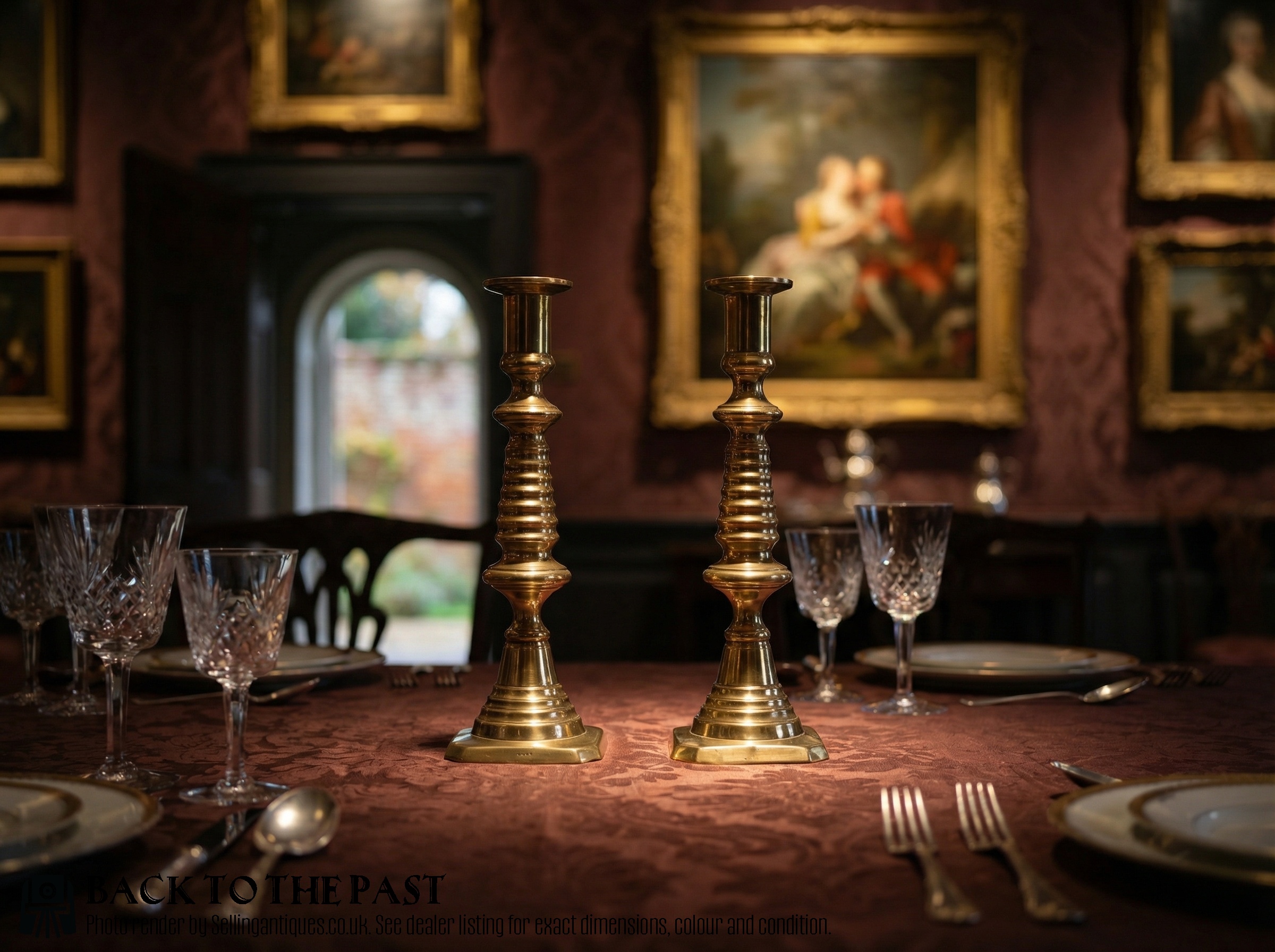
Victorian Brass Candle Holders
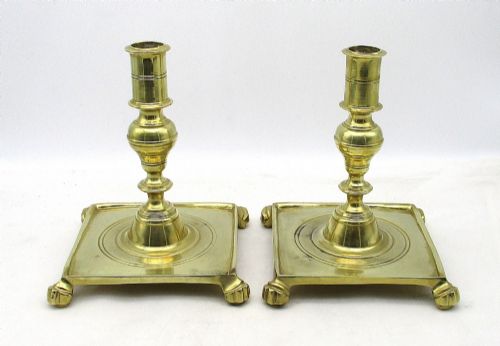
Victorian brass candle holders encompass domestic candlesticks, chambersticks, wall sconces, and tall church lighting created throughout the nineteenth century. Most examples you meet on this page date from the middle decades through to nineteen hundred, reflecting the period's domestic demand for metal lighting.
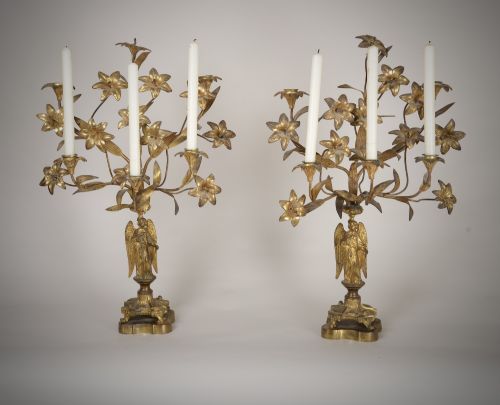
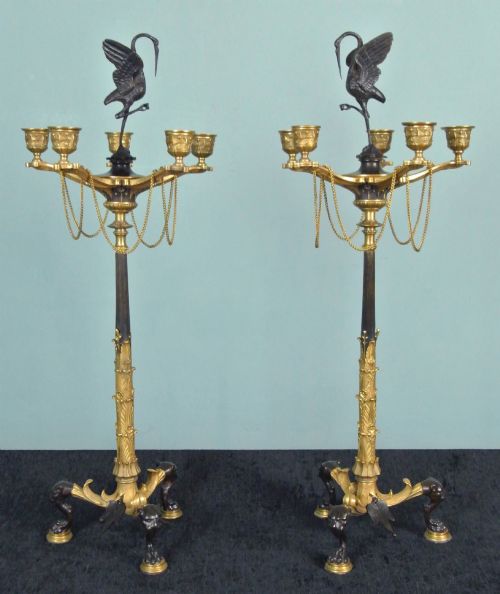
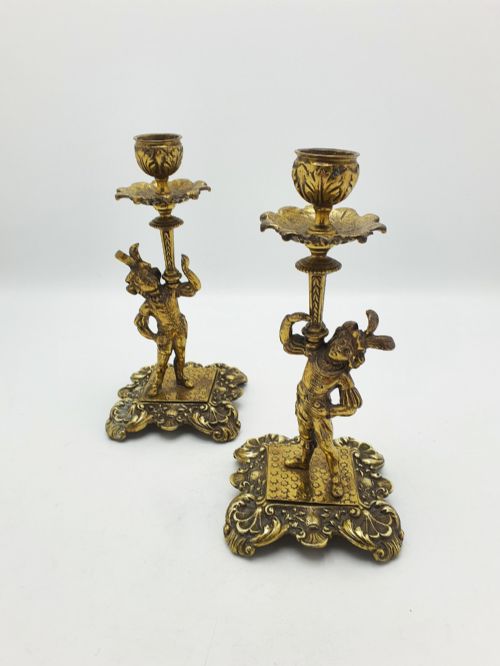
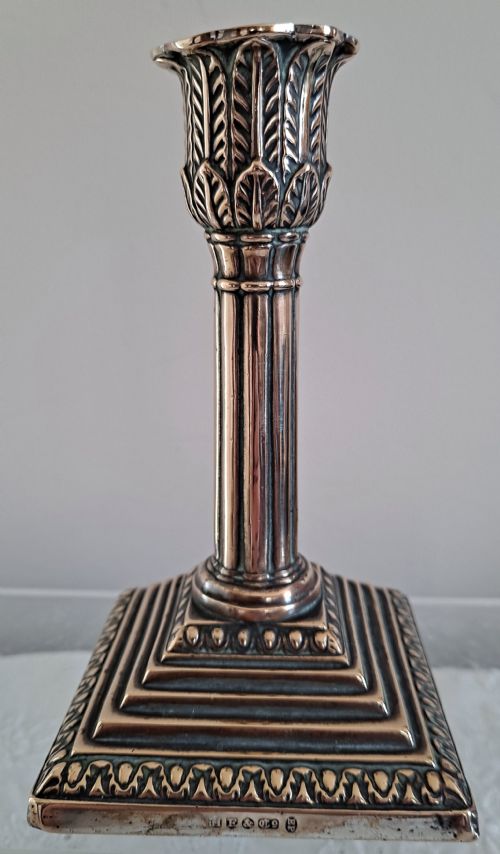
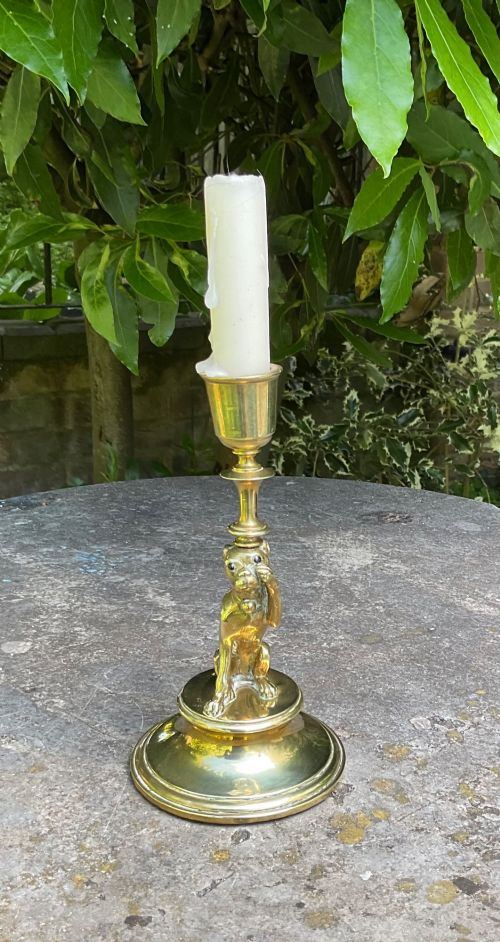
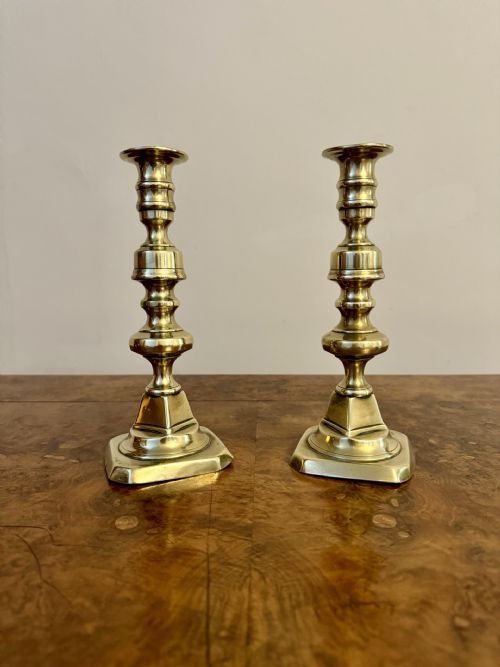
Forms range from utilitarian twisted shafts and ejector mechanisms designed for household use to elaborate Gothic revival candelabra and figural pieces featuring animals or human subjects. The selection bridges everyday utility and decorative Arts and Crafts or Aesthetic Movement design.
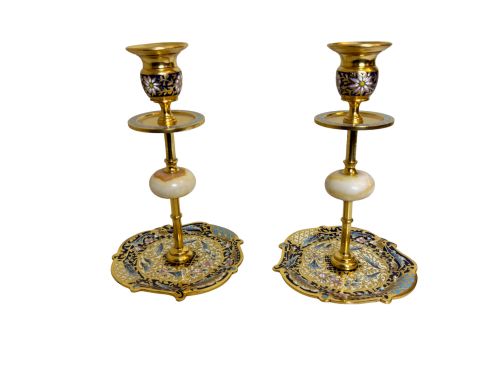
Origins stretch across English workshops and continental foundries, utilising materials that combine cast brass with bronze, ormolu, onyx, and champleve enamel. Buyers encounter everything from single desk sticks to matched pairs intended for mantelpieces.
How they were made
Makers utilised brass casting and turning techniques, often producing components in sections that were subsequently joined or threaded together. Seamed construction appears on many pieces, showing the transition from sheet metal working to solid casting as industrial methods advanced.
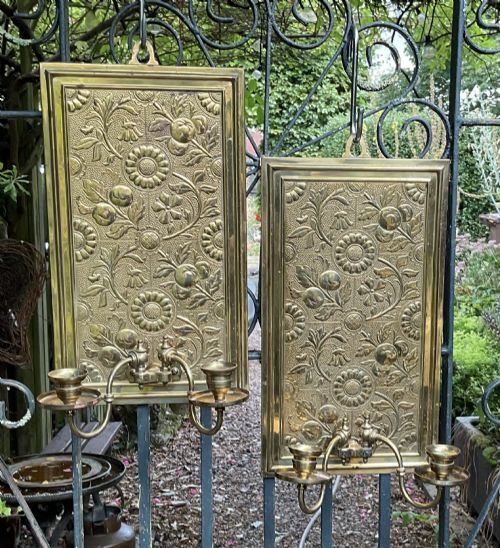
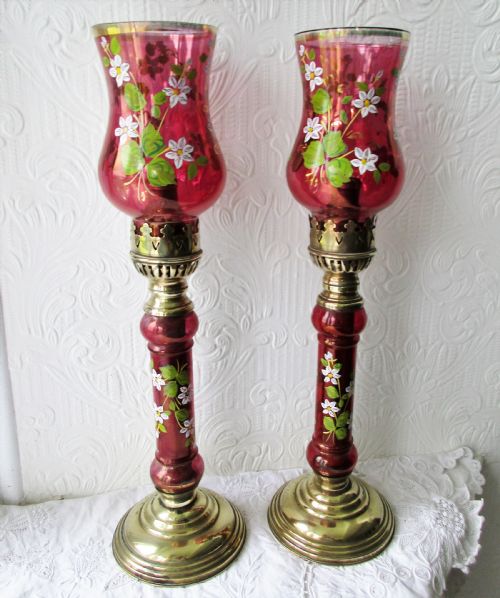
Surface decoration relies on chasing, engraving, and applied patination, alongside the incorporation of contrasting materials like mahogany bases, white marble, glass shades, and champleve enamel. Ormolu and gilt bronze finishes provide brighter metallic highlights on decorative variants.
Victorian Brass Candle Holders Retail Price Guide 2026
Typical asking prices for victorian brass candle holders among the pieces listed under this phrase on Sellingantiques today, from the lower quarter to the upper quarter. They describe what is for sale here now, not the wider market.
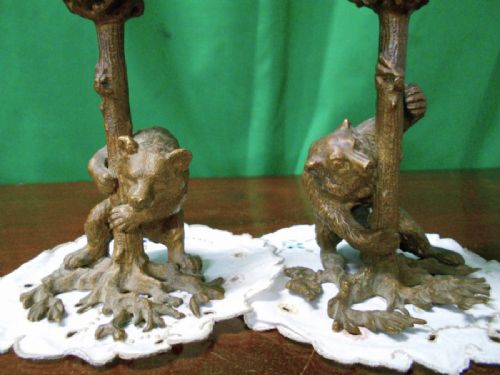
Among the nineteenth century offerings, carved bronze bears and pug dogs hold candles.
What varies in quality
Distinctions in quality rest upon the crispness of the casting detail and the weight of the metal utilised in the body and base. Finer examples display cleanly defined ornamentation, substantial heft, and secure joints between components.
Design ambition separates standard production ware from superior pieces, particularly where figural elements, specialised mechanisms like articulation or adjustable shades, and mixed media such as onyx or enamel are executed with precision.
Barbedienne·Bruce Talbert·Gillows·Frederick J Smith and Co·Wm Tonks and Sons
The Victorian Brass Candle Holders Glossary
- Pricket candlestick
- A candlestick featuring a sharp central metal spike that impales the base of the candle rather than a socket that holds it from the sides.
- Chamberstick
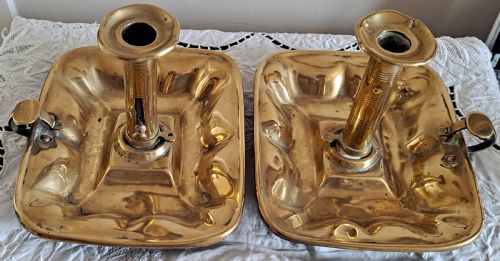
- A low portable candlestick fitted with a wide saucer-like tray and a handle, historically used for carrying light through a house.
- Ejector
- A mechanism built into the shaft of a candlestick featuring a small slide or lever that pushes the remaining candle stub upward for easy removal.
- Champleve
- An enamelling technique where troughs or cells are hollowed out of the metal surface and filled with vitreous enamel before firing.
- Ormolu
- Finely ground high-carat gold applied in a mercury amalgam to a bronze object, creating a rich golden surface finish.
Victorian Brass Candle Holders: Frequently Asked Questions
What is an ejector candlestick?
An ejector candlestick incorporates a hidden internal rod or exterior thumbpiece that pushes the candle remnant out of the socket. This practical innovation prevented stuck wax and made cleaning the holder straightforward.
Such pieces date largely to the mid to late nineteenth century. They served routine household functions in bedrooms and corridors.
How do I identify a church candlestick?
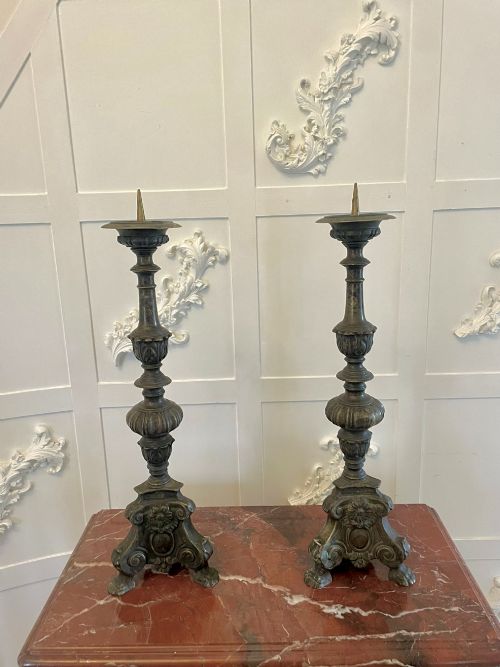
Church candlesticks are generally taller and heavier than domestic lighting, often built as pricket sticks with a spike instead of a socket. They frequently display ecclesiastical motifs and substantial bases designed to support large altar candles safely.
These pieces were made for liturgical use rather than home lighting. Their heavier construction reflects placement in large communal spaces.
Where were chambersticks used?
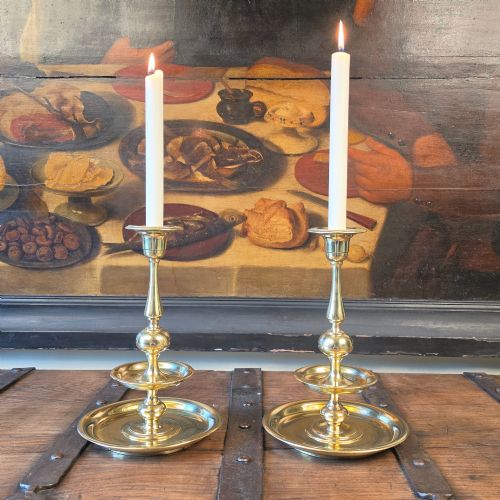
Chambersticks were designed for moving through dark hallways and staircases before the widespread adoption of electric lighting. The wide pan caught drips of molten wax while the handle provided a secure grip.
Many examples include a matching snuffer resting in the tray. They offer a compact way to introduce period brass into smaller rooms.
What distinguishes Gothic revival pieces?
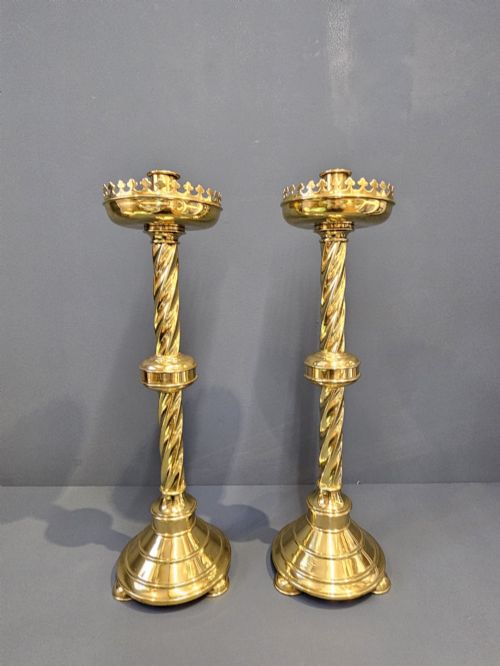
Gothic revival lighting draws inspiration from medieval architecture, incorporating pointed arches, trefoils, and heavy structural forms. The aesthetic gained popularity during the mid to late nineteenth century across ecclesiastical and secular furnishings.
These designs often feature darker patination and robust brass casting. They pair well with traditional interiors and period architectural details.