
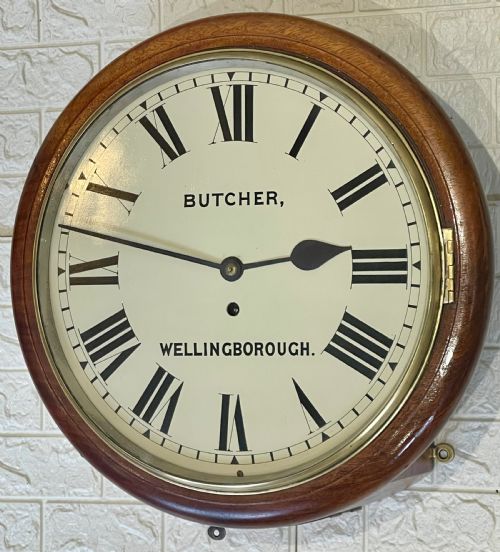
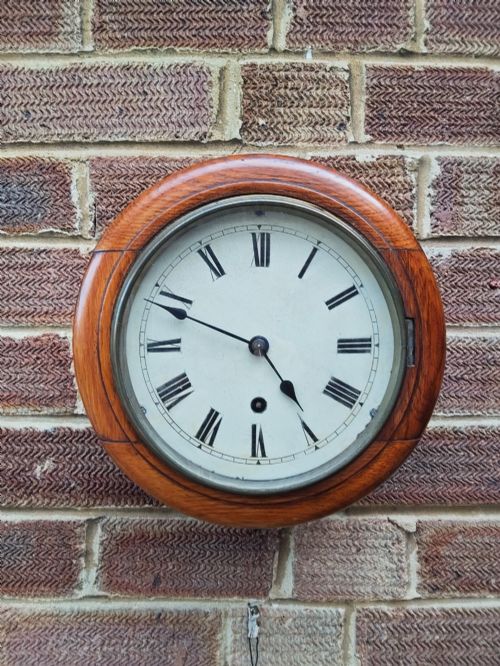
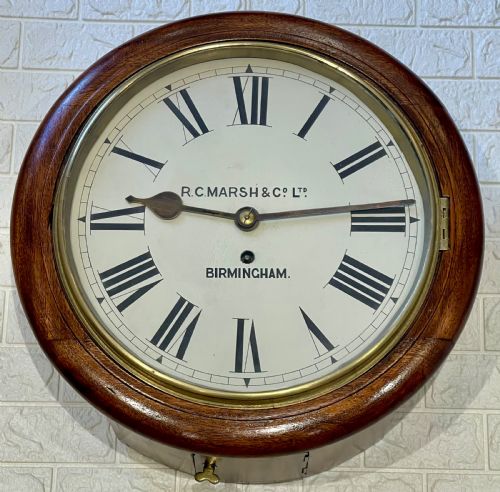
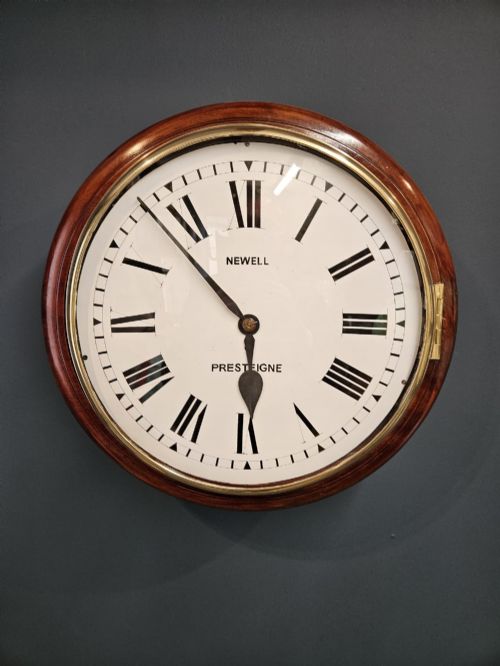
Victorian Brass Bezel Clock
These pieces, found under the search phrase victorian brass bezel clock, are sturdy timepieces built to regulate daily life in homes, offices and stations.

Victorian Brass Bezel Clock
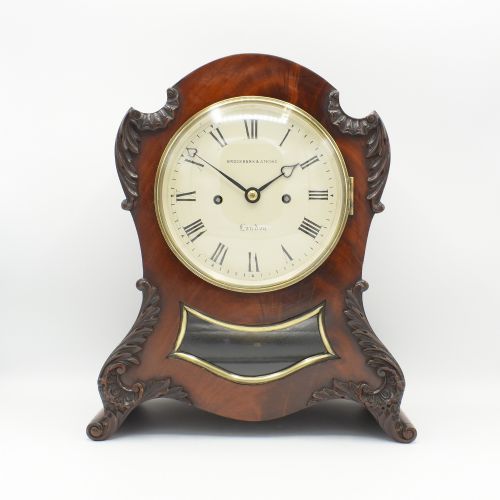
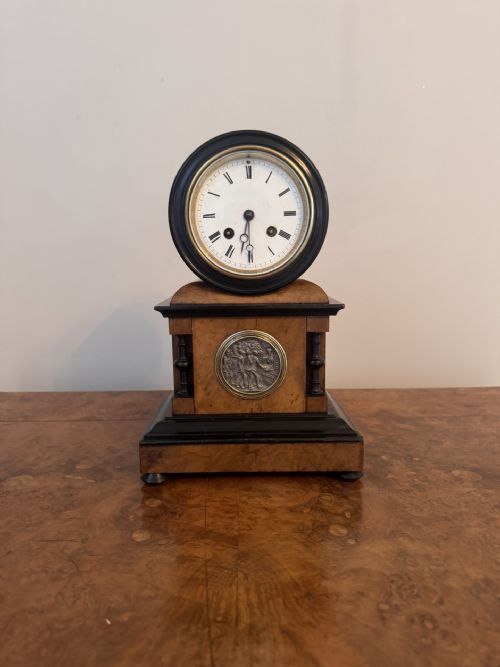
When you search for a victorian brass bezel clock, you encounter timepieces produced during the nineteenth century and into the early twentieth century. These objects include wall clocks, drop dial clocks, bracket clocks and mantel clocks suited for domestic and public spaces.
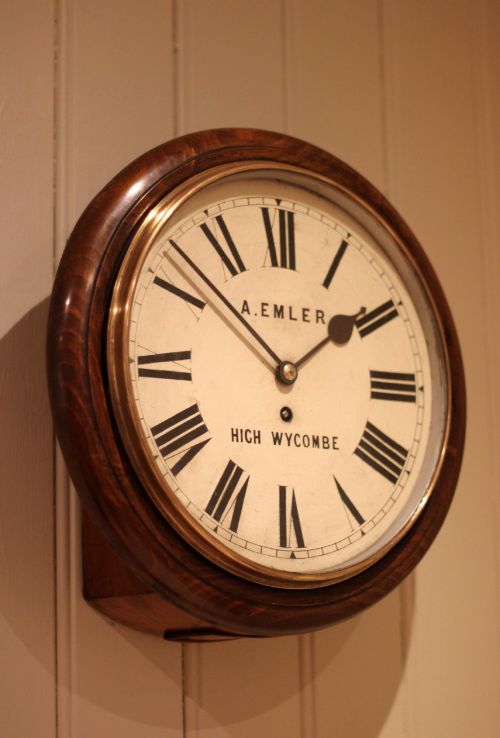
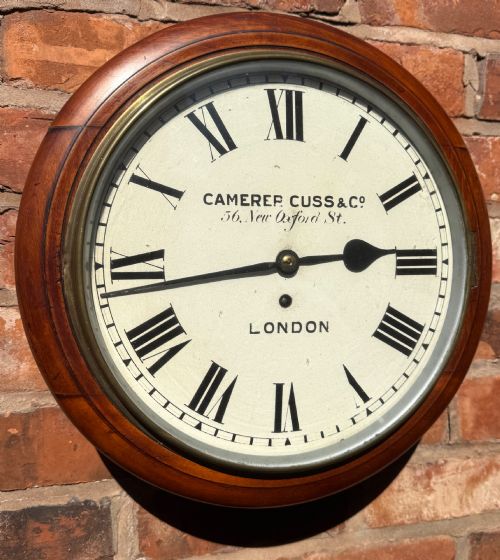
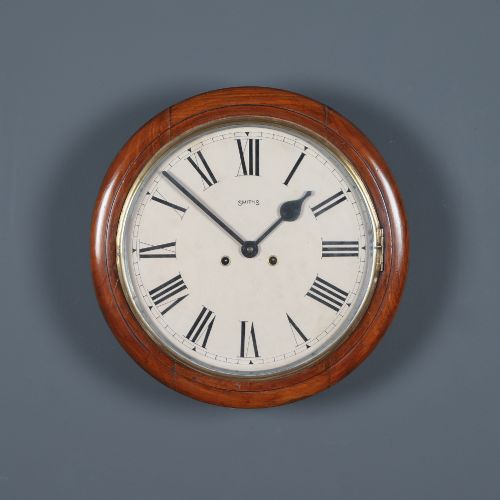
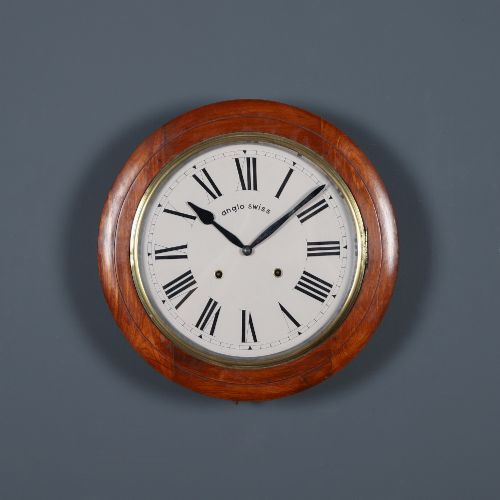
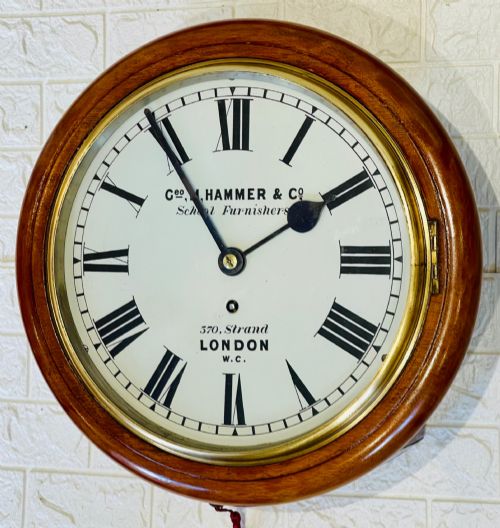
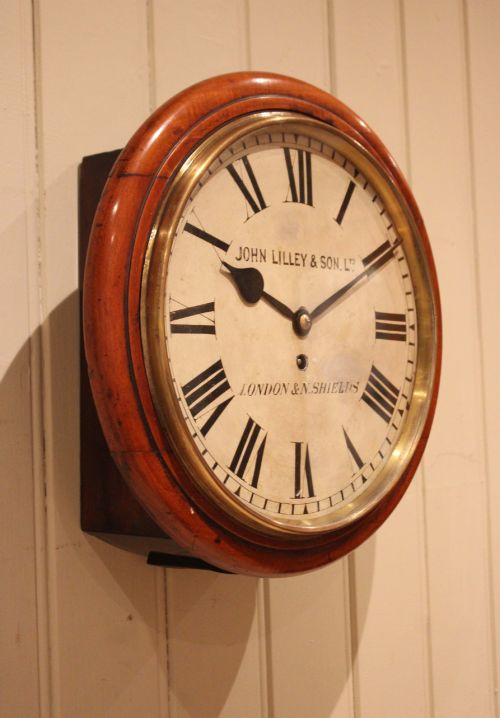
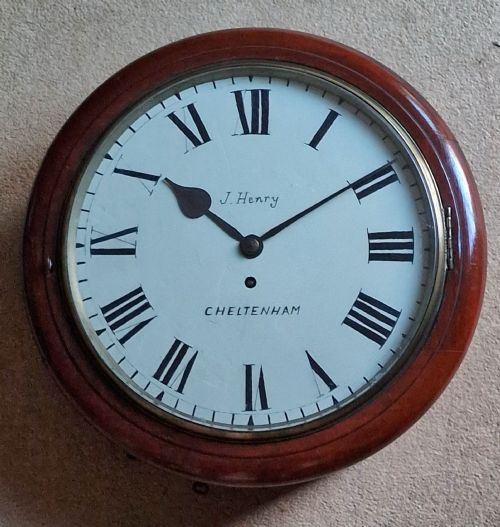
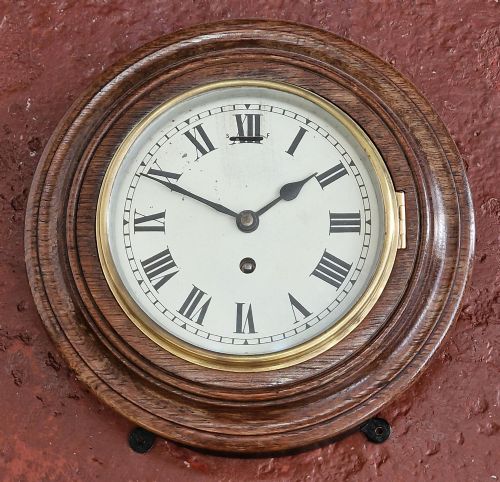
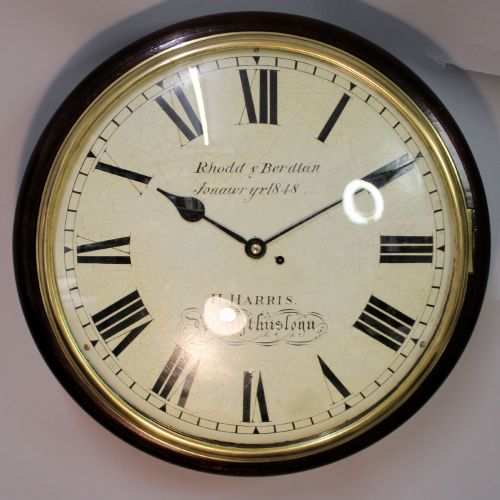
The versions you are most likely to meet on this page feature circular timber surrounds housing enamelled or painted dials protected by glazed brass bezels. Many originate from railway companies, provincial makers and London workshops operating across the Victorian period.
Makers housed these movements in robust cases made from mahogany, oak, rosewood and beech. Dial sizes range from compact domestic examples to large station clocks designed for clear visibility across a room.
Materials and construction
Craftsmen built these timepieces using dense hardwoods such as mahogany and oak for the primary cases, often housing brass fusee movements driven by chains or cords. The dial face typically consists of painted iron or wood with Roman numerals, shielded behind a hinged heavy brass bezel and glass.
Movements relied on fusee mechanisms to equalise the declining power of the mainspring as it unwound, ensuring consistent timekeeping over an eight-day period. Secondary materials like marble, rosewood and faux tortoiseshell appear on mantel and bracket variations.
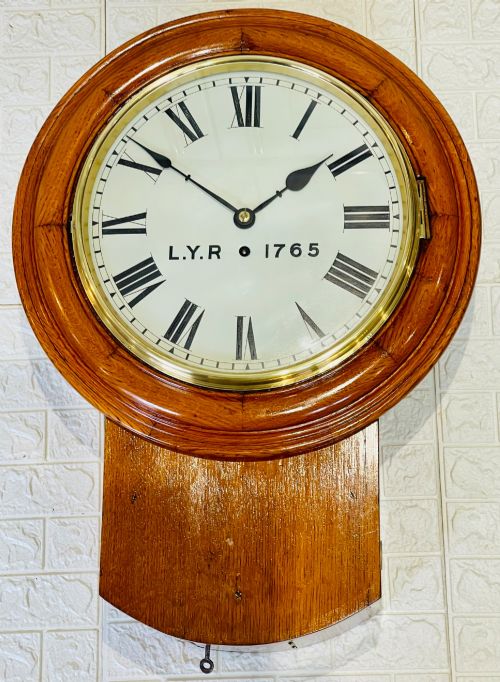
Listings feature oak, mahogany and rosewood alongside specialised dial configurations from railway companies.
Distinctions in manufacture
The distinction between standard utility timepieces and superior examples lies in the precision of the internal movement and the crispness of the case joinery. Engraved dial signatures, robust chain-driven fusee movements and heavy cast brass bezels indicate higher workshop standards.
Regional railway and school clocks prioritise functional legibility with plain timber surrounds, whereas domestic bracket and mantel versions incorporate finer veneers, carved details and specialised striking or chiming capabilities.
Camerer Cuss & Co London·Brockbanks & Atkins·Henry Harris of Monythusloyn·John Walker·Dent of London
The Victorian Brass Bezel Clock Glossary
- Fusee
- A conical pulley used with a chain or cord to maintain even power as the mainspring unwinds. This mechanism improves the timekeeping accuracy of the clock.
- Bezel
- The brass rim that holds the glass protecting the dial. It is usually hinged to allow access for hand setting and winding.
- Drop Dial
- A wall clock case featuring a circular dial above an extended wooden box that houses a swinging pendulum. This form was common in offices and railway stations.
- Bracket Clock
- A portable clock designed to sit on a bracket or shelf. Early versions were mounted on wall brackets to save table space.
Victorian Brass Bezel Clock: Frequently Asked Questions
How do I wind a fusee wall clock?
Use the appropriate key on the winding square located on the dial face, turning it gently until resistance indicates the spring is fully tensioned.
Take care not to overwind the mechanism, and ensure the pendulum is hanging plumb before setting the hands.
Where were railway clocks displayed?
Railway clocks hung in booking halls, station platforms and administrative offices to regulate train departures and staff timetables.
Their clear Roman numeral dials and robust oak or mahogany cases ensured durability in busy public environments.
How do I tell a wall clock from a mantel clock?
Wall clocks feature flat backs and securing fixings designed to hang safely from vertical surfaces in rooms or hallways.
Mantel clocks possess finished wooden or marble bases that allow them to stand independently on shelves, desks or mantelpieces.
What maintenance do these clocks need?
These mechanical timepieces require periodic cleaning and oiling by a qualified horologist to keep the gear trains functioning smoothly.
Keeping them away from damp environments and direct heat sources preserves the timber case and internal metal components.