

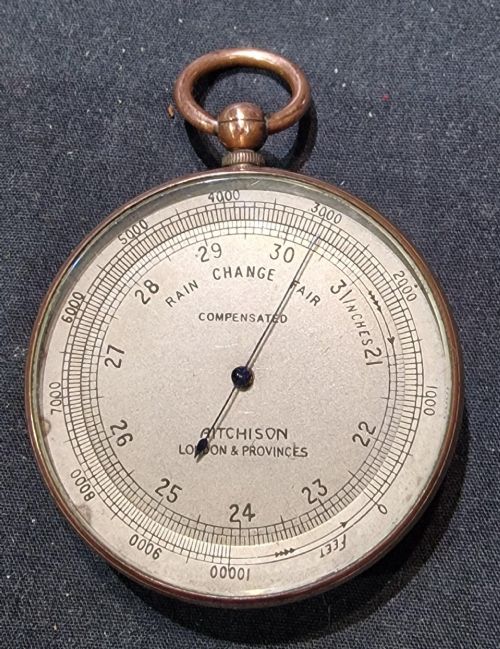


Victorian Brass Barometer
These Victorian brass barometers combine functional maritime engineering with polished metal housings that suit traditional and modern interiors alike.
What these pieces are
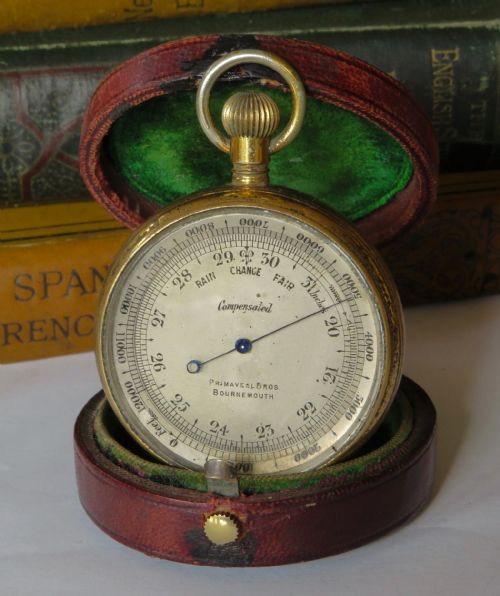
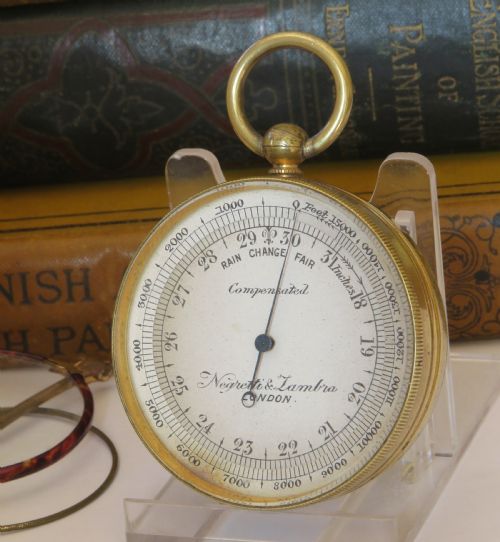
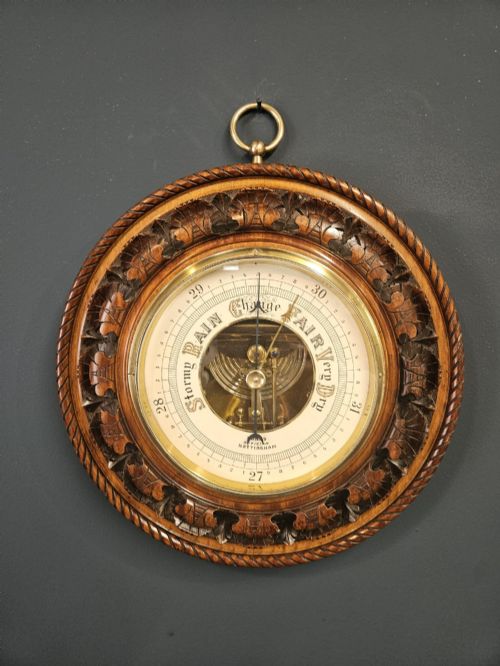
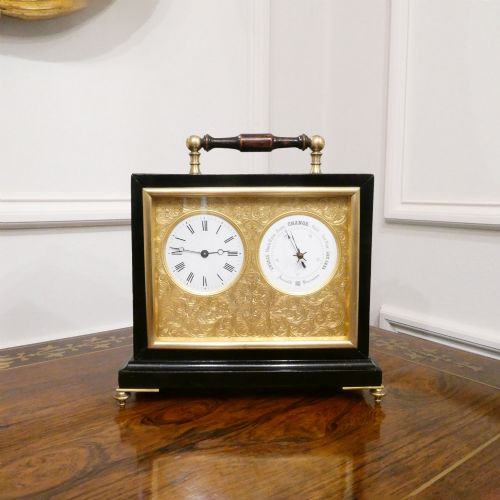
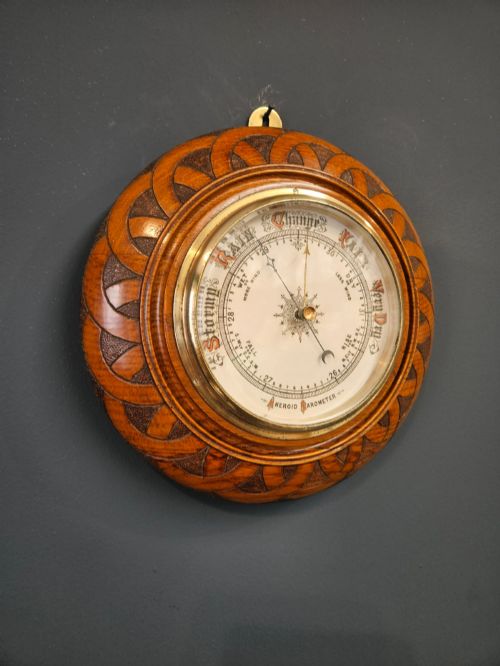
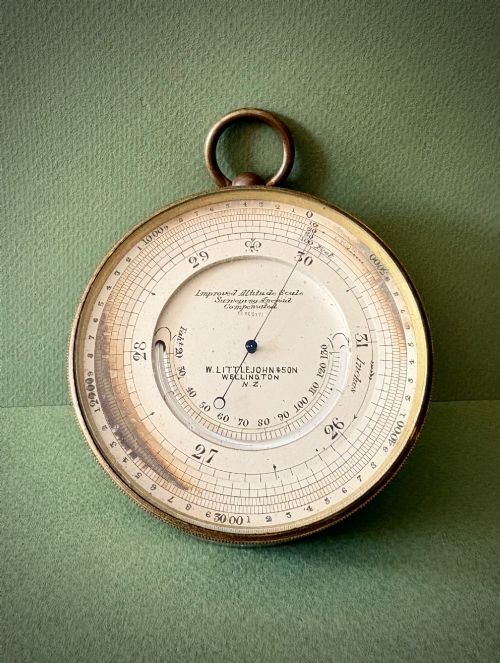
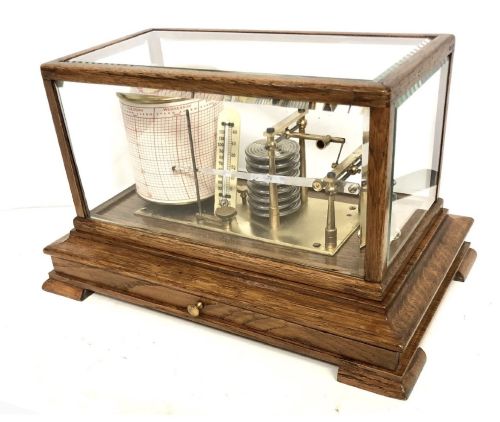
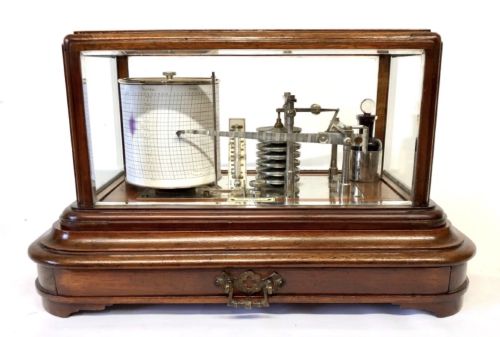
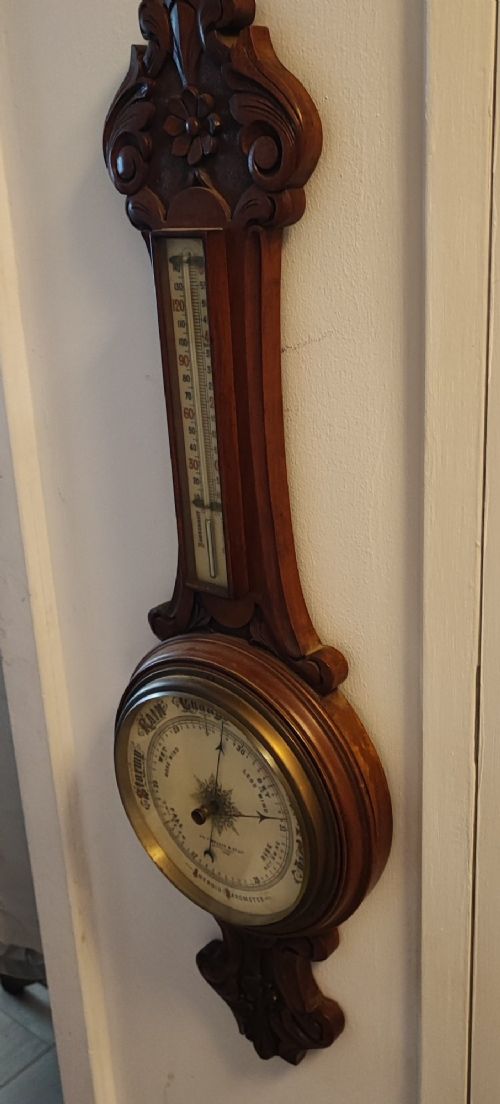
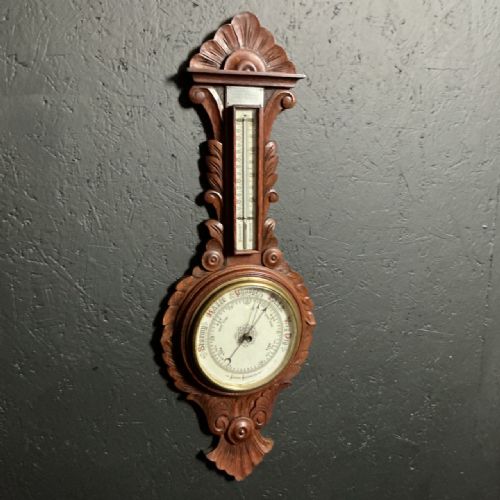
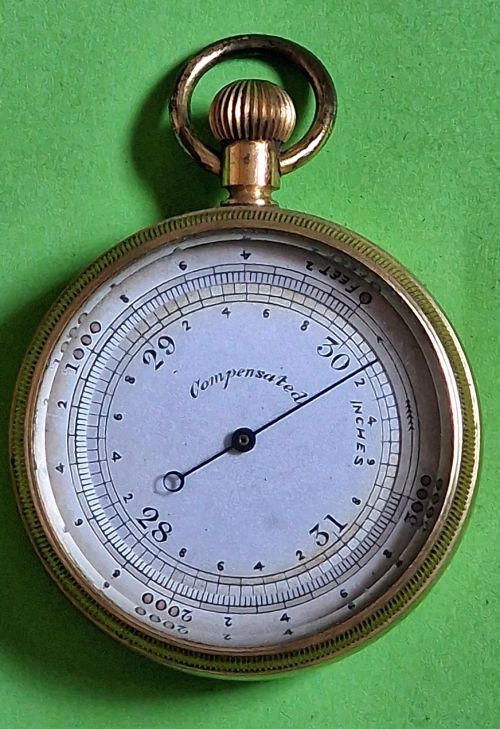
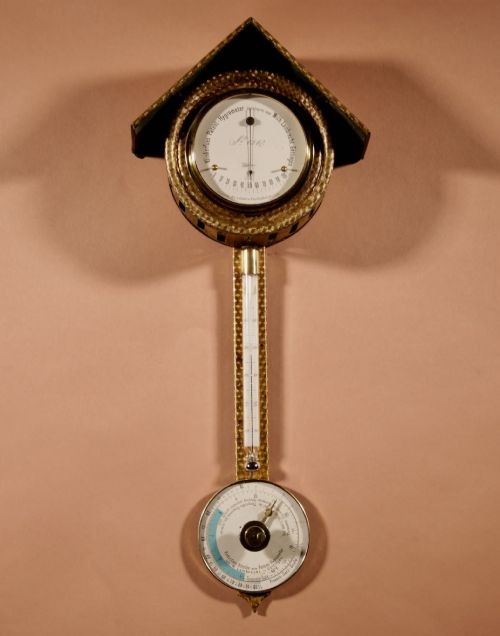
A Victorian brass barometer is a meteorological instrument designed to measure atmospheric pressure, housed in durable metal casings created for maritime and domestic use. Buyers encounter various forms on this page, ranging from heavy bulkhead marine instruments meant for ships' cabins to polished desktop models and pocket versions.
The selection includes specialised items such as RNLI type aneroid barometers, rapid indicating marine instruments, and pieces featuring crescent thermometers or porcelain dials. Makers such as Elliott Brothers, Short & Mason, and Negretti & Zambra appear across the periods spanning from 1860 to 1910.
What varies in quality
The standard of a Victorian brass barometer depends heavily on the sophistication of its internal movement and the reputation of its maker, with signed examples by prominent London firms representing superior craftsmanship. Heavy cast brass housings and specialised complications like altitude adjustment or twin thermometers elevate the standing of an individual piece.
Finishing details also separate standard examples from finer works, notably the clarity of the porcelain or enamel dial, the crispness of the engraved markings, and the polish of the brass casing.
Retail Price Guide 2026
Typical UK retail prices for victorian brass barometer, calculated from the Sellingantiques database of over a million retail prices indexed since 2003. This retail price guide relies exclusively on Sellingantiques data; no external sources or auction records are used, so the figures do not describe the wider market.
Listings feature brass, glass, steel, and enamel across pieces dated from 1860 to 1910.
Elliott Brothers·Short & Mason·M Pillischer·Negretti & Zambra·JH Steward·Louis Casella·Hicks
The Victorian Brass Barometer Glossary
- Aneroid barometer
- An instrument that measures atmospheric pressure by the expansion and contraction of a flexible metal box, avoiding the use of liquid mercury.
- Bulkhead barometer
- A robust marine instrument specifically designed to be mounted directly onto the interior wall or bulkhead of a ship.
- Holosteric barometer
- An alternative Victorian term for an aneroid barometer, indicating an instrument containing no liquid.
- Crescent thermometer
- A curved accessory thermometer mounted alongside the main dial to show ambient temperature variations.
Frequently Asked Questions
How do I mount a bulkhead barometer?
Bulkhead barometers feature pre-drilled fixing flanges or heavy brass bezels designed for secure attachment to wooden cabin walls or study panels. Ensure the screws match the weight of the cast brass housing.
Position the instrument away from direct heat sources and exterior doors to maintain accurate pressure readings and protect the wooden backing plinth if present.
What is an aneroid barometer?
An aneroid barometer measures atmospheric pressure using a sealed flexible metal capsule that expands or contracts as pressure shifts. This mechanical movement shifts the pointer across the enamel dial.
Unlike mercury barometers, these sealed units contain no liquid, making them stable and suitable for use on moving ships or desktop stands.
How do I read a marine barometer?
Read the main dial by observing the position of the black pointer against the pressure graduations measured in inches of mercury or millibars. Many examples feature a secondary manual marker needle that you align with the current pointer to track rising or falling trends.
Consult any integrated crescent thermometer to note the ambient temperature simultaneously, as temperature affects atmospheric readings.
Were these barometers used at sea?
Many Victorian barometers were built specifically for maritime environments, utilising heavy brass casings and secure glass bezels to withstand damp conditions on ships. RNLI and bulkhead models were standard equipment for navigating changing weather patterns.
Other variants were produced for desktop use or pocket carriage, bringing the same mechanical precision into domestic Victorian interiors.