
Antique Barometer Instrument
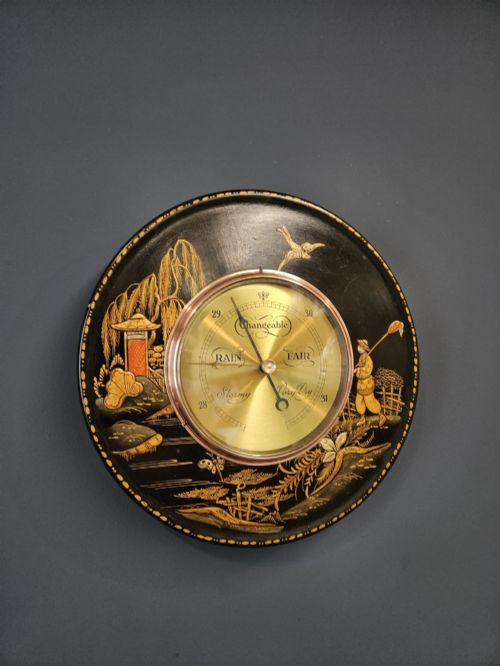
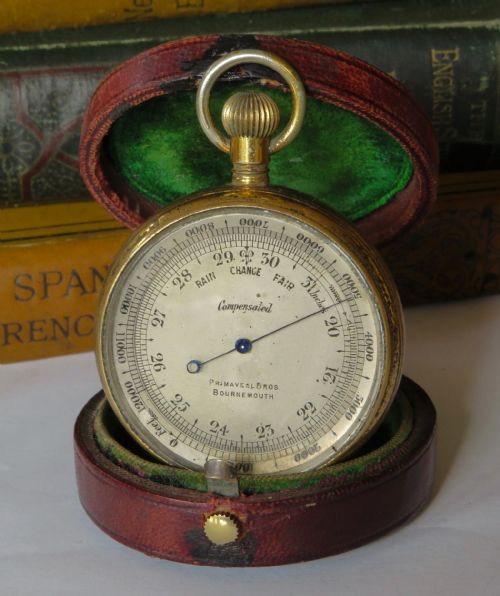
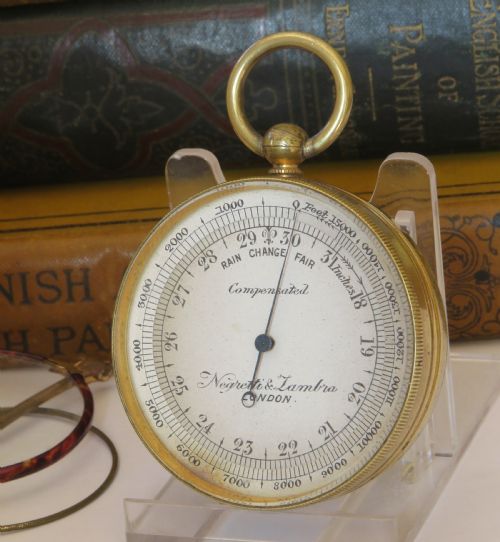
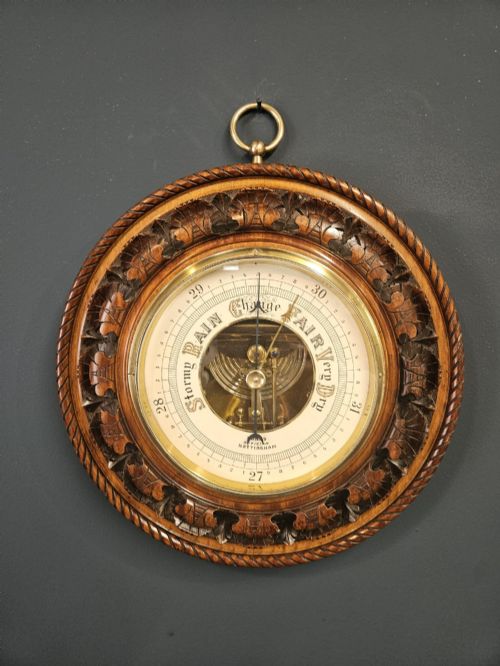
An antique barometer instrument brings atmospheric pressure measurement and period craftsmanship into a room.
What these pieces are
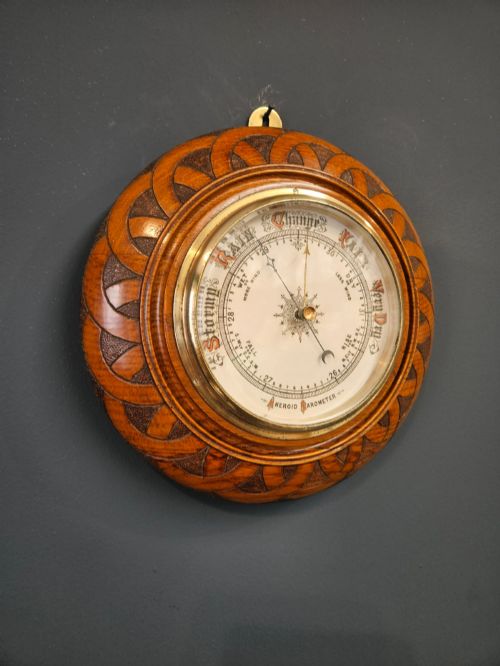
An antique barometer instrument is a scientific device designed to measure atmospheric pressure, often housed in a decorative wooden case suitable for interior display. Buyers searching this phrase encounter floor-standing and wall-hanging examples that double as domestic furniture and instruments of observation.
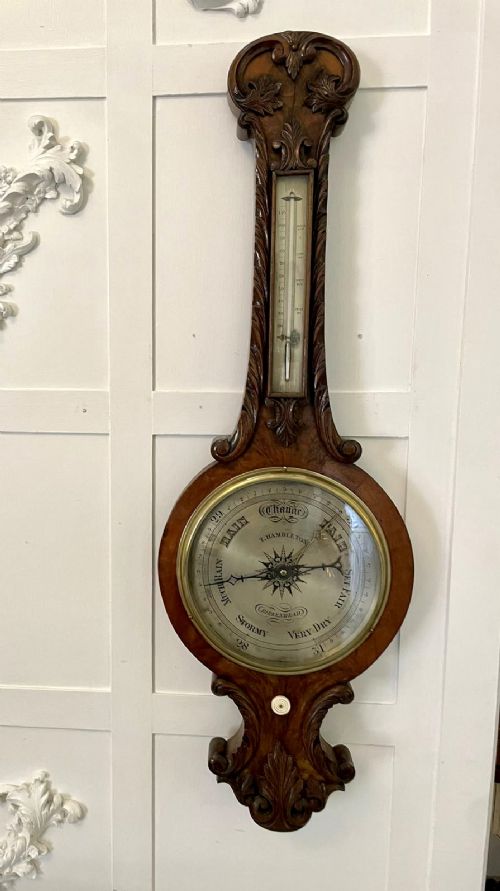
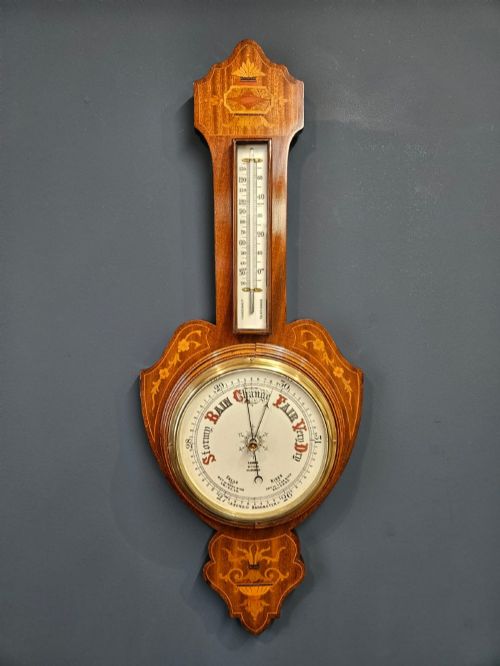
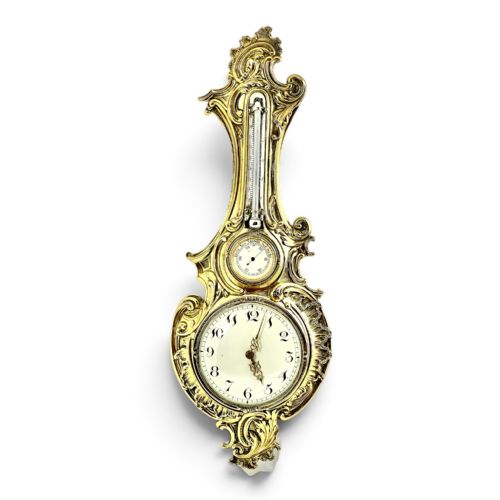
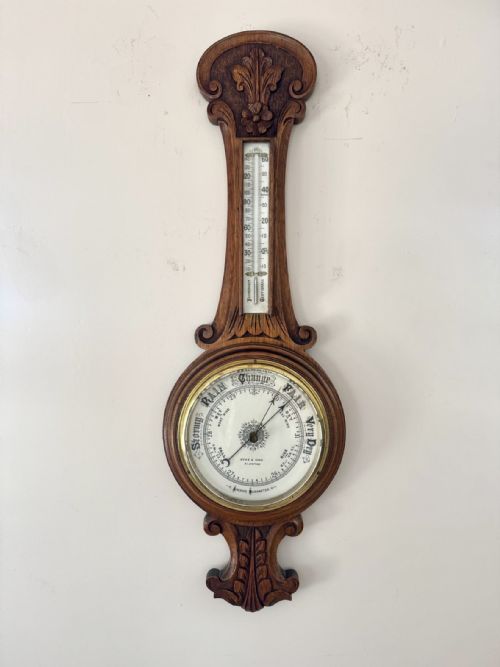
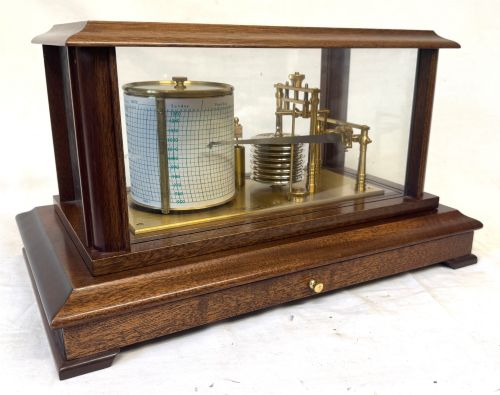
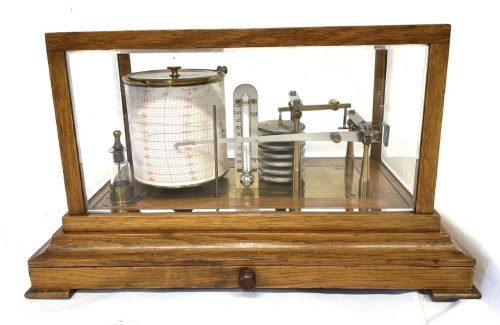
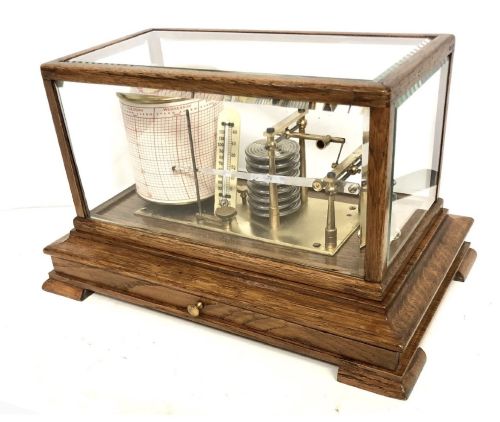
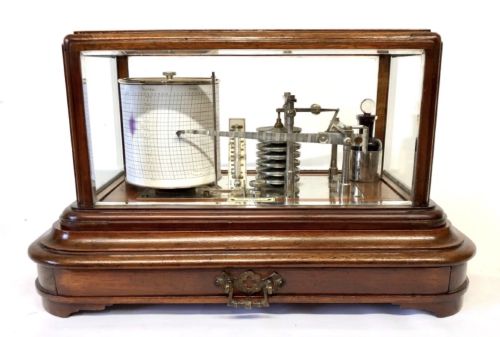
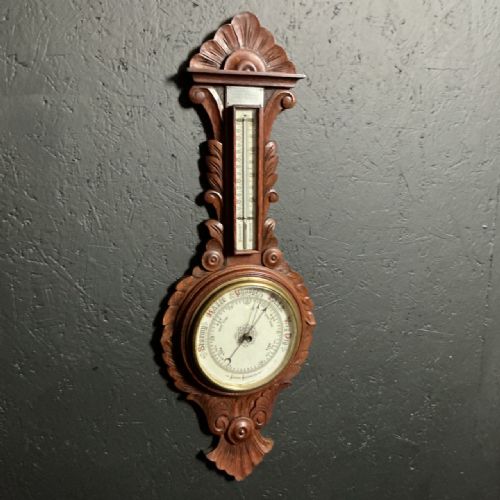
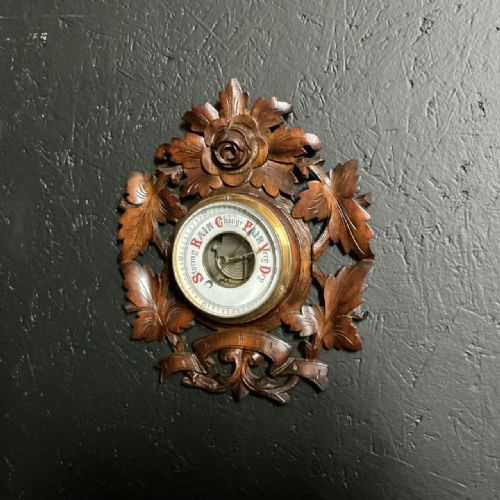
The selection on this page relies heavily on Victorian models, alongside examples from the Edwardian era and the Georgian period. Forms range from traditional stick barometers and aneroid skeletonised designs to complex barographs featuring chart drawers and thermometers.
Materials span rich cabinet timbers such as mahogany, walnut, and oak, paired with brass fittings, silvered brass dials, and bevelled glass. Pieces originate from distinct makers and inventors based in London, Liverpool, and Leeds.
How they were made
Cabinetmakers constructed the wooden housings using timbers like mahogany, walnut, and oak, frequently employing carved details and bevelled glass panels to showcase the internal mechanisms. These cases required precise joinery to protect the delicate scientific apparatus housed within.
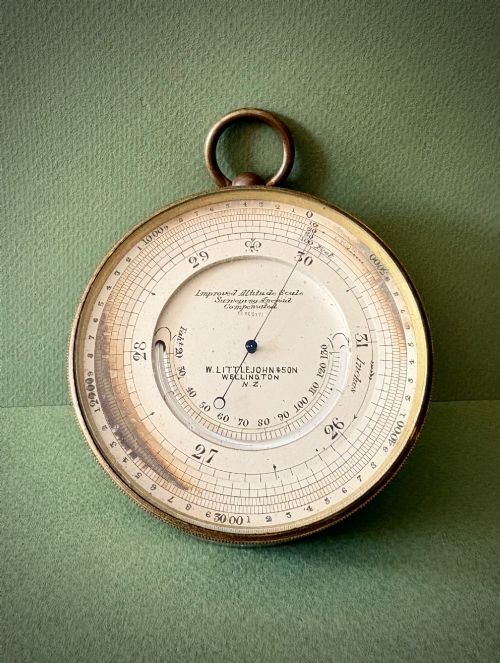
Dials and scales utilised silvered brass and engraved steel, marked with calibration lines by hand or machine. Specialised components like altitude adjustments and mercury tubes demanded skilled metalworking and glassblowing techniques.
Retail Price Guide 2026
Typical UK retail prices for barometer instrument, calculated from the Sellingantiques database of over a million retail prices indexed since 2003. This retail price guide relies exclusively on Sellingantiques data; no external sources or auction records are used, so the figures do not describe the wider market.
Some barographs include tiny brass pens that required careful filling with ink to record a week of weather without spilling.
What varies in quality
Quality rests in the fidelity of the mechanism and the integrity of the timber case, distinguishing a simple household indicator from an advanced scientific recording tool. Finer examples incorporate specialised components such as patent altitude adjustments, thermometers, and integrated chart drawers.
The distinction between standard production and superior work lies in the legibility of the silvered brass dial and the refinement of the cabinetwork, whether carved walnut or figured mahogany. Named makers and patent holders elevate an instrument beyond a generic workshop assembly.
Short & Mason·Charles Baker·Sandrino·Negretti & Zambra·Davis Leeds
The Antique Barometer Instrument Glossary
- Aneroid barometer
- A barometer that measures pressure without liquid, using a flexible metal box that expands or contracts. This mechanical design allowed for more compact and varied instrument shapes.
- Barograph
- A recording barometer that plots pressure changes onto a paper chart over time. These frequently include an integrated clockwork drum and a drawer for spare charts.
- Sympiesometer
- A type of barometric instrument containing a column of coloured oil and gas to indicate pressure variations. Charles Baker produced notable examples of this sensitive design.
- Stick barometer
- A tall, narrow wall instrument where the mercury column is housed in a vertical wooden trunk. This traditional form dominated Georgian and Victorian hallways.
- Silvered brass
- A metal dial surface treated with a silver compound to produce a matte finish for engraved lettering. This treatment reduces glare and ensures clear reading of weather scales.
Frequently Asked Questions
How do aneroid barometers work?
Aneroid barometers use a sealed corrugated metal capsule that expands or contracts as atmospheric pressure changes. A system of levers connects this movement to the indicator needle on the dial.
This design removes the need for liquid mercury, making the instrument safer and easier to transport in various domestic settings.
What is a barograph used for?
A barograph records continuous atmospheric pressure onto a rotating paper chart over the course of a week. The mechanical arm holds an ink nib that tracks every rise and fall.
These instruments sit inside wood cases with bevelled glass lids to protect the clockwork drum and the paper charts stored in the base.
Where should I hang a stick barometer?
Stick barometers require an interior wall away from direct sunlight, central heating radiators, and heavy vibrations. Sudden temperature changes affect the internal mechanism and wood housing.
Hang the instrument at eye level in a hallway or study where ambient temperatures remain relatively stable throughout the day.
How do I identify a Georgian barometer?
Georgian barometers typically feature tall, narrow wooden trunks made of mahogany or walnut with simple architectural pediments. The dials are often narrower and lack the complex mechanical extras seen in later Victorian models.
Examination of the brass fittings, dial engraving style, and backboards helps determine the manufacturing period and regional origin.