


Victorian Blue Transferware Dish
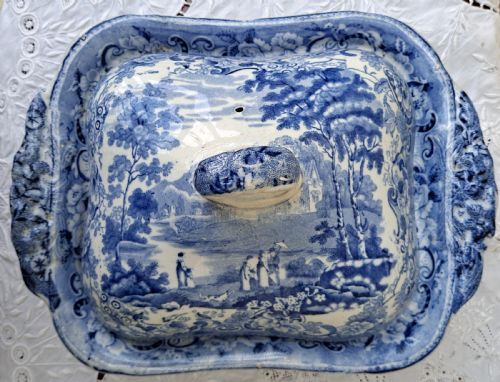
These pieces of victorian blue transferware dish carry deep cobalt scenes of pastoral life and distant pavilions straight onto your dining table.
Victorian Blue Transferware Dish
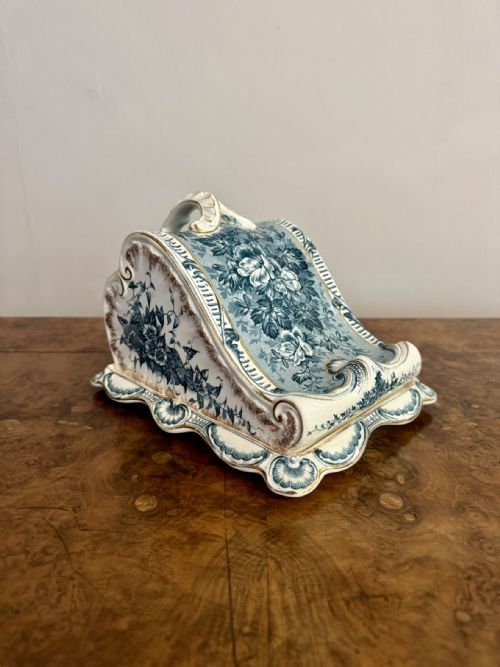
A victorian blue transferware dish brings nineteenth century earthenware into modern rooms through large meat platters, lidded tureens, and everyday plates. These items stem from production centres across England, capturing picturesque patterns ranging from willow motifs to sprawling landscape views.
Buyers encounter serving platters and vegetable dishes bearing romantic titles like Rural Scenery or Chinese Villa. Most items date from the mid to late nineteenth century, reflecting the industrial pottery methods of Staffordshire factories and surrounding potteries.
Materials and technique
Potters transferred engraved copper plate impressions onto absorbent paper, then pressed that paper onto porous earthenware before glazing and firing. This transfer printing method allowed factories to produce intricate pictorial designs with remarkable consistency.
The resulting ceramic body received a clear glaze to protect the cobalt pigment beneath, sometimes complemented by gilt highlights or gold leaf accents on higher end decorative pieces.
Several platters include built in reservoirs designed to catch the juices from carved roasts before they reached the dining table.
Judging quality
Depth of tone and clarity of the transfer separate standard kitchenware from superior display pieces. Crisp lines in complex pastoral scenes indicate a fresh copper plate and careful pressing during manufacture.
The weight and resonance of the earthenware body, alongside the smoothness of the glaze, distinguish major potteries from smaller regional works.
James Wallace & Co·Doulton Burslem·John Ridgway·Copeland & Garrett·Elkin Knight & Bridgwood
The Victorian Blue Transferware Dish Glossary
- Transferware
- Pottery decorated by printing a design from an engraved copper plate onto paper and then transferring it to the ceramic body before glazing. This technique revolutionised mass production in the pottery industry.
- Earthenware
- A porous pottery body fired at lower temperatures, requiring a vitreous glaze to hold liquids. It forms the foundation for the majority of nineteenth century domestic tablewares.
- Tureen
- A deep covered bowl designed for serving soups, vegetables, or sauces at the table. These vessels often sit on matching platters to catch drips.
- Pearlware
- A refined earthenware developed with a bluish glaze that masked the natural cream colour of the clay to imitate Chinese porcelain. It bridges the transition from eighteenth century wares to later Victorian ceramics.
- Ironstone
- A durable, heavy ceramic patented for its strength and resistance to chipping. It provides a robust surface for large serving platters and cheese dishes.
Victorian Blue Transferware Dish: Frequently Asked Questions
Can I use antique platters for food?
Most nineteenth century earthenware dishes remain safe for serving dry foods or bread. Historic glazes can contain trace materials, so heavy use with acidic foods is best avoided.
Displaying them on plate racks or walls protects the glaze from modern dishwasher detergents and utensil marks.
How do I date an unmarked dish?
Stylistic clues like border patterns, the shade of cobalt blue, and the shape of the ceramic body help narrow down the decade of production. Copeland and Garrett, alongside other firms, often stamped their wares with specific registry marks.
Unmarked pieces rely on comparisons with documented factory patterns and the weight of the pearlware or ironstone body.
What caused the blue colour variation?
Cobalt oxide reacted differently depending on the kiln temperature and the thickness of the overlying glaze. Some pieces exhibit a deep, inky indigo while others display a softer, lighter powder blue.
Engravers also adjusted the density of cross hatching on their copper plates to control how much pigment transferred to the paper.
How should I clean blue transferware?
Wash these pieces gently by hand using warm water and mild soap. Avoid soaking antique ceramics for extended periods, as moisture can enter microscopic crazing lines in the glaze.
Dry them immediately with a soft cloth to preserve the surface sheen and prevent water spotting.