




Victorian Blue Serving Plate
A victorian blue serving plate is a substantial ceramic dish designed for the table, offering both utility and decorative transfer print patterns that collectors prize for period interiors.
Victorian Blue Serving Plate
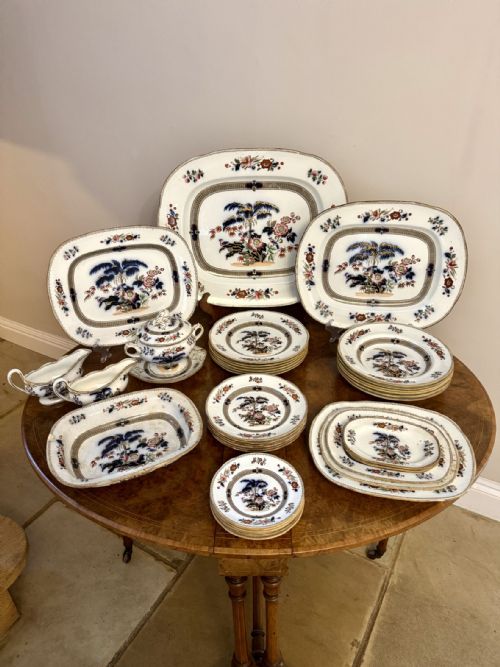
A victorian blue serving plate appears on this page in forms such as large meat platters, chargers, and serving dishes. These pieces originate across the nineteenth century, including specific dates from eighteen hundred through to nineteen twenty, alongside broader Victorian and Regency periods.
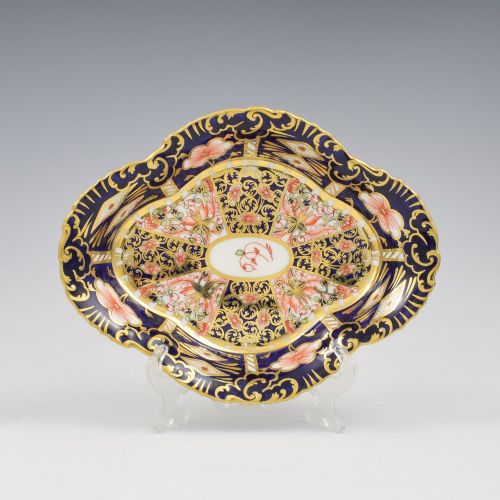
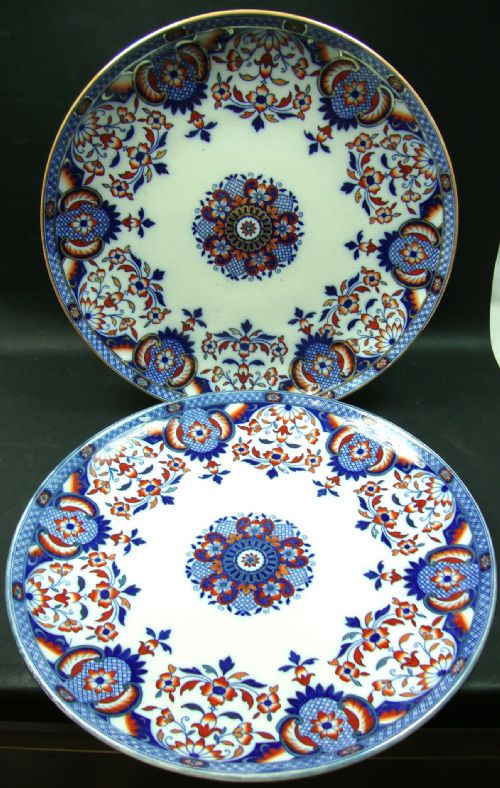
Buyers will frequently encounter earthenware, ironstone, and glazed pottery decorated with blue and white transfer printing. Styles range from simple transferware and Chinoiserie to Imari and Aesthetic Movement designs, reflecting the varied output of nineteenth century potteries.
Materials and manufacture
Potters utilised durable ceramic bodies including earthenware, ironstone, and porcelain, often finished with a clear glaze to protect the surface. Heavier ironstone dishes provided strength for large meat platters and serving plates.
Decoration relied on blue transfer printing, applying detailed scenes like Chinese gardens, cathedral views, and pastoral landscapes from engraved copper plates onto the ceramic surface. Some plates also incorporated enamel and gold leaf highlights over the glaze.
Materials recorded across the inventory include ironstone, porcelain, earthenware, and glazed pottery.
Distinctions in quality
Quality rests on the crispness and depth of the blue transfer print, where sharper lines and well registered patterns denote superior engraving. The choice of ceramic body also matters, with dense ironstone and fine porcelain representing higher manufacturing standards than standard earthenware.
The complexity of the form and decoration elevates certain pieces, such as those featuring detailed Chinoiserie scenes, Imari coloured decoration, or integrated strainers. Maker attribution to notable factories further distinguishes standard utilitarian wares from superior productions.
Wedgwood·Coalport·Copeland and Garrett·Mintons·Elkin Knight and Bridgwood·Masons
The Victorian Blue Serving Plate Glossary
- Transferware
- Earthenware or ironstone decorated by transferring a printed design from an engraved copper plate onto the ceramic body. This technique allowed intricate pictorial scenes to be produced in volume.
- Ironstone
- A dense, heavy type of earthenware patented for its durability and resistance to chipping. It served as a sturdy material for large meat platters and heavy serving dishes.
- Charger
- A large decorative plate or platter intended for display or ceremonial service rather than everyday dining. These pieces often feature prominent pictorial scenes or coloured decoration.
- Ashet
- A Scottish term for a large serving plate or meat platter used at the table. The listings include examples of these large serving dishes in ironstone.
- Imari
- A style of ceramic decoration featuring cobalt blue and iron red, often supplemented with gold leaf. This aesthetic was widely adopted by nineteenth century English potteries.
Victorian Blue Serving Plate: Frequently Asked Questions
What is a victorian blue serving plate used for?
These large ceramic dishes were originally produced to serve meat, poultry, and large courses at the Victorian dining table. Today, collectors utilise them as serving platters or mount them as decorative wall chargers.
The generous surface area of these platters makes them practical for modern entertaining as well as traditional home display. Their robust ironstone and earthenware construction ensures they remain functional service pieces.
How do I identify a transfer print?
Transfer printing appears as a fine, uniform pattern applied beneath or over the glaze, often showing repeating motifs or pictorial landscapes in blue. Examining the surface closely reveals the dotted or stippled lines characteristic of engraved copper plate printing.
Unlike hand painted pottery, transfer printed wares show consistent detail across multiple examples. This technique became the standard method for decorating nineteenth century British tableware.
How do I know the date of my plate?
Dates can be estimated from the style of the transfer print, the material, and any impressed factory marks or potter's stamps on the reverse. References to specific historical events or buildings, such as Windsor Castle, also help narrow down the period.
Changes in ceramic bodies, from early earthenware to heavy ironstone, provide further clues to the decade of manufacture. Marked pieces from firms like Mintons or Wedgwood offer more precise chronological data.
Are ironstone plates durable?
Ironstone is a exceptionally tough, vitrified ceramic developed to withstand heavy daily use in nineteenth century kitchens and dining rooms. It resists chipping far better than standard earthenware or soft paste porcelain.
Despite this durability, large serving platters benefit from careful handling and hand washing to protect their historic glazes. Avoiding sudden temperature changes prevents thermal shock to the ceramic body.